
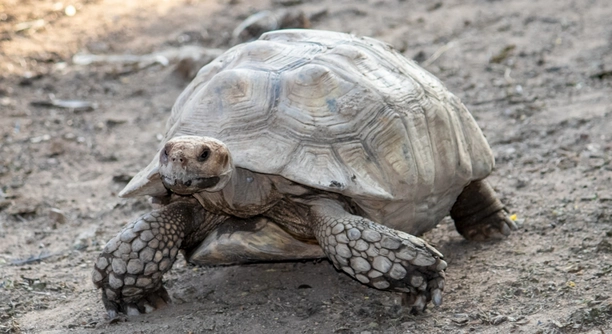
A malnourished sulcata tortoise can show clear signs of distress. Understanding these signs early is key to helping them thrive. Proper care and attention can make all the difference in their overall health and happiness.
Malnutrition in sulcata tortoises is often characterized by a lack of proper diet, inadequate sunlight, and insufficient hydration. These factors can result in weight loss, lethargy, poor shell condition, and other visible symptoms of distress, all of which require prompt action.
Correcting malnutrition requires addressing their diet, providing adequate UVB light, and ensuring proper hydration. These steps will help restore your tortoise’s health and prevent further issues.
Lack of Proper Diet
A balanced diet is essential for a sulcata tortoise’s health. They primarily need high-fiber grasses, fresh vegetables, and limited fruit. When their diet lacks these essential components, it can lead to weight loss, weakness, and even organ issues. Commercial food is not ideal for sulcatas, as it often contains too much protein and not enough fiber. Offering a variety of appropriate foods such as hay, dandelion greens, and leafy vegetables can help prevent nutritional deficiencies. Supplements may be needed for calcium, but only under veterinary guidance.
Hydration is another critical factor in their diet. Sulcata tortoises need plenty of water, but they may not always drink it. Wetting their food or providing a shallow water dish encourages hydration. Dehydration can cause lethargy and digestive problems, so monitoring their water intake is crucial.
Providing a healthy diet rich in fiber, along with constant access to clean water, is key to supporting a sulcata tortoise’s overall health.
Inadequate UVB Lighting
Sulcata tortoises rely on UVB light for proper calcium absorption. Without it, they can develop metabolic bone disease (MBD), leading to weakened bones and shells. When housed indoors, it’s crucial to use UVB bulbs, especially during the winter months when natural sunlight is limited.
UVB light mimics the sun’s rays, helping tortoises synthesize vitamin D3, essential for calcium absorption. Without sufficient UVB exposure, the calcium they consume cannot be properly processed, leading to soft shells, deformities, and even paralysis in severe cases. Ensure the light is placed close enough for your tortoise to benefit, but not too close to cause burns. Regular replacement of UVB bulbs is essential, as their effectiveness diminishes over time.
In addition to UVB lighting, natural sunlight should be provided when possible, as it offers a broader spectrum of light. If keeping a sulcata indoors, make sure to maintain a proper lighting setup to support their health.
Insufficient Space
A sulcata tortoise needs plenty of space to roam and explore. Cramped conditions can lead to stress and stunted growth. If their enclosure is too small, they may become lethargic, develop poor shell shape, or show aggressive behavior.
Tortoises, especially sulcatas, can grow quite large and need a spacious area to maintain their physical health. A small enclosure can restrict their natural movements, causing them to become anxious or depressed. This lack of activity impacts their muscle and bone development, which is crucial for their growth. Providing an area large enough for them to move around freely will help prevent this issue.
An outdoor enclosure with natural elements like rocks and grass is ideal. However, if kept indoors, ensure the space is at least 8–10 feet long and wide. Providing room to roam and bask in heat is key to their well-being.
Poor Shell Condition
A malnourished sulcata tortoise often exhibits poor shell health. You may notice the shell appearing soft, cracked, or misshapen. This is a clear sign that something is wrong.
Shell deformities often occur when tortoises are not receiving enough calcium, vitamin D3, or proper lighting. Without adequate UVB exposure, their bodies cannot process calcium correctly, leading to weak shells that don’t grow properly. These issues can be avoided with a proper diet rich in calcium and the right lighting conditions.
Regularly check your tortoise’s shell for any signs of damage or soft spots. If you notice anything unusual, consult a vet for advice. Proper care and attention will allow your tortoise’s shell to thrive.
Lethargy
When a sulcata tortoise becomes malnourished, it often shows signs of lethargy. If your tortoise is unusually inactive or sluggish, it could be a result of inadequate nutrition or hydration.
A healthy sulcata tortoise is generally active, moving around and exploring its environment. When malnourished, they conserve energy, which leads to reduced movement. This lack of activity can further affect their muscle and bone development. If you notice your tortoise sleeping excessively or not moving much, it’s time to evaluate its diet, hydration, and living conditions. Providing proper care will help restore energy levels and activity.
Digestive Issues
Malnutrition can also cause digestive problems in sulcata tortoises. You may notice signs like diarrhea or trouble passing stool. These issues often indicate an unbalanced diet.
If a sulcata tortoise isn’t getting enough fiber, it can develop gastrointestinal problems. Without proper fiber intake, they may struggle with digestion, leading to issues like bloating, constipation, or diarrhea. A diet rich in grasses and leafy greens is vital for keeping their digestive system functioning smoothly. Monitoring their waste and overall behavior will help you spot digestive problems early.
FAQ
What should I feed my sulcata tortoise to prevent malnutrition?
To prevent malnutrition, feed your sulcata tortoise a diet high in fiber, such as grasses, hay, and leafy greens like dandelion, collard greens, and mustard greens. Limit fruits and avoid high-protein foods. A diet rich in calcium and low in protein is essential for healthy growth and shell development.
How can I tell if my sulcata tortoise is dehydrated?
Signs of dehydration include a lack of energy, dry skin, and infrequent urination. You may also notice that your tortoise’s eyes appear sunken. To prevent dehydration, always provide a shallow water dish and mist your tortoise’s enclosure regularly to keep the humidity levels balanced.
How often should I provide UVB light for my tortoise?
UVB lighting should be provided for 10–12 hours a day, depending on the season and the light’s distance from the tortoise. UVB light helps your sulcata absorb calcium, which is essential for healthy bones and shell growth. Make sure to replace the bulb every 6–12 months to maintain its effectiveness.
Can my sulcata tortoise survive in an indoor enclosure?
Yes, sulcata tortoises can live indoors if their environment is properly set up. This includes a large enough enclosure, proper UVB lighting, a heat source, and a diet rich in fiber. However, they also benefit from time outside, where they can enjoy natural sunlight and space to roam.
Why is my sulcata tortoise not eating?
A lack of appetite in sulcata tortoises may be caused by several factors, including poor diet, stress, dehydration, or illness. Check your tortoise’s environment for temperature, humidity, and light issues. If the problem persists, consult a veterinarian to rule out any health problems.
How do I help my sulcata tortoise with shell problems?
If your sulcata tortoise has shell issues, such as soft spots or cracks, ensure it’s receiving proper calcium, UVB lighting, and hydration. Make sure their diet includes high-calcium foods like kale and turnip greens. If the damage is severe, seek professional veterinary care.
What is the ideal temperature for a sulcata tortoise’s enclosure?
Sulcata tortoises need a basking area that reaches 95–100°F (35–38°C), while the cooler side of the enclosure should be around 75–85°F (24–29°C). This temperature gradient allows your tortoise to regulate its body temperature. Make sure to monitor temperatures with a reliable thermometer.
How much space does my sulcata tortoise need?
Sulcata tortoises require a large space to roam. For an indoor enclosure, aim for a minimum of 8–10 feet in length and width. If kept outdoors, the enclosure should be even larger, with room to graze, dig, and bask in the sun. A larger space encourages natural behaviors and reduces stress.
Can I feed my sulcata tortoise fruit?
While sulcata tortoises can eat fruit occasionally, it should only make up a small part of their diet. Too much fruit can lead to digestive problems and obesity. Stick to fruits like strawberries, apples, or melons, and avoid citrus or high-sugar fruits, which can upset their digestive system.
How do I know if my sulcata tortoise is overweight?
An overweight tortoise may have difficulty moving, and its shell may appear bloated. Check for a rounded appearance and difficulty walking. To avoid obesity, feed your tortoise a balanced diet with proper portion control and ensure it has plenty of space to roam and exercise.
What should I do if my sulcata tortoise has respiratory issues?
If your tortoise shows signs of respiratory distress, such as wheezing, nasal discharge, or labored breathing, it may be suffering from a respiratory infection. Keep the enclosure warm and dry to prevent further issues, and take your tortoise to a veterinarian for an evaluation and possible treatment.
How can I improve the humidity in my sulcata tortoise’s enclosure?
Sulcata tortoises thrive in dry, warm environments but still need some humidity. To maintain the right levels, mist the enclosure lightly with water or provide a humid hide. Avoid excessive moisture, as this can lead to respiratory problems. A hygrometer will help you monitor the humidity levels accurately.
Can sulcata tortoises live with other animals?
Sulcata tortoises should not be kept with other species, as they can be territorial and aggressive. If housed with other tortoises, ensure the enclosure is large enough to give each tortoise plenty of space. Avoid mixing them with small pets, as the tortoises may unintentionally harm them.
How long do sulcata tortoises live?
Sulcata tortoises can live for 50 years or more, so it’s important to plan for their long-term care. This includes providing the right diet, proper lighting, and enough space to thrive. Their long lifespan means they require ongoing commitment to their well-being.
Why is my sulcata tortoise acting aggressively?
Aggression in sulcata tortoises is often due to stress, overcrowding, or lack of space. If your tortoise is constantly trying to escape or acting defensively, review its living conditions. A larger enclosure, more food options, and adequate UVB light can help reduce stress and aggression.
Final Thoughts
Taking care of a sulcata tortoise requires attention to detail, especially when it comes to their diet and environment. Malnutrition is a serious issue for these reptiles, and recognizing the early signs can make a big difference in their overall health. By providing them with a proper, fiber-rich diet and ensuring they have access to fresh water, you can help prevent many common health problems. It’s also important to keep their living space clean, comfortable, and appropriately sized, with proper lighting and temperature regulation.
In addition to their diet, sulcata tortoises need plenty of room to roam and engage in natural behaviors. A spacious, secure enclosure allows them to explore and exercise, which is vital for their physical and mental well-being. UVB lighting is another key factor in keeping them healthy. This helps them absorb calcium, which is crucial for bone and shell growth. If any issues arise, such as lethargy or digestive problems, it’s essential to address them quickly and adjust their care routine. Regular veterinary check-ups can also help ensure that your tortoise remains in good health.
While caring for a sulcata tortoise can be a long-term commitment, the reward is worth it. These tortoises are known for their calm and gentle nature, making them a unique and enjoyable companion. By providing them with the right care, you can help ensure they live a long, healthy life. Keep in mind that small adjustments to their diet, hydration, and environment can have a big impact on their overall health.

Hello,
If you enjoy the content that we create, please consider saying a "Thank You!" by leaving a tip.
Every little bit helps us continue crafting quality advice that supports the health, happiness, and well-being of pets around the world, for pets of all shapes, sizes, and species.
We really appreciate the kindness and support that you show us!