
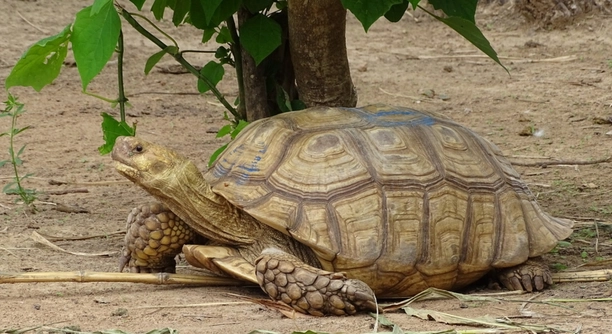
A healthy shell is essential for your Sulcata tortoise’s overall well-being. Proper care and maintenance of their shell will ensure they live a long and happy life, free from potential health issues.
Keeping your Sulcata tortoise’s shell healthy involves proper nutrition, regular cleaning, appropriate habitat, and regular veterinary care. A healthy diet rich in fiber and calcium, combined with proper hydration, ensures that the tortoise’s shell remains strong and vibrant.
Maintaining these practices will help keep your tortoise’s shell in top condition. With a few simple steps, you can promote its long-term health.
Proper Diet for a Healthy Shell
A well-balanced diet is one of the most important factors in maintaining your Sulcata tortoise’s shell health. These tortoises need a high-fiber, calcium-rich diet to ensure strong and sturdy shells. Incorporating leafy greens like dandelion greens, collard greens, and turnip greens will provide the necessary nutrients. Avoid feeding them high-protein foods or fruits regularly, as these can lead to shell deformities and other health issues. Additionally, offering a variety of grasses, weeds, and some cactus can keep them engaged and provide the right balance. It’s also essential to provide fresh water daily, as hydration plays a key role in their overall health.
A proper diet is crucial for keeping your tortoise’s shell in top shape. Ensuring the right food intake will also promote healthy growth and longevity.
Regularly changing the types of greens and other foods keeps their diet interesting while helping to maintain shell integrity. Avoiding artificial foods or high-fat options is key to preventing unnecessary health problems. While they may enjoy variety, the balance between fiber, calcium, and hydration is essential for long-term health.
UVB Lighting and Sun Exposure
UVB lighting is essential for your Sulcata tortoise’s shell health. Providing the right amount of exposure will help them process calcium and maintain strong bones and shell.
Tortoises, especially those kept indoors, need regular access to UVB light. If they are unable to get natural sunlight, you should use UVB light bulbs designed specifically for reptiles. This helps their bodies create vitamin D3, which is essential for calcium absorption.
Without adequate UVB exposure, your tortoise could develop metabolic bone disease (MBD), leading to weakened shells and bones. MBD can cause deformities in their shells and slow their growth. Therefore, proper UVB lighting should be set up in their habitat to ensure they are exposed for 10-12 hours each day. If your tortoise spends time outside, aim for at least a few hours of natural sunlight several times a week. The right lighting setup not only benefits shell health but also enhances their overall well-being by mimicking natural conditions.
Regular Shell Cleaning
Keeping your Sulcata tortoise’s shell clean is vital for preventing infections and promoting overall health. Regular cleaning helps remove dirt and bacteria that can lead to shell rot.
Use a soft brush and lukewarm water to gently scrub their shell. Avoid harsh chemicals that could harm their skin or shell. Cleaning once a week is typically enough for most tortoises, but if they’re in a particularly dirty environment, more frequent cleaning may be necessary. Pay attention to any signs of irritation, such as redness or swelling, as these may indicate an infection or injury.
After cleaning, it’s important to allow their shell to dry completely before they return to their habitat. Keeping the shell dry helps prevent the growth of mold or bacteria. If you notice any unusual marks or growths on their shell, consider seeking veterinary advice. Regular shell cleaning not only promotes good hygiene but also gives you the chance to check for any issues that might otherwise go unnoticed.
Hydration for Healthy Shells
Hydration plays a crucial role in maintaining the health of your tortoise’s shell. Dehydration can cause the shell to become brittle and prone to cracks.
Always provide a shallow water dish that your tortoise can easily access. They should have fresh water available at all times to encourage drinking. In addition to drinking, you can hydrate your tortoise by offering moist leafy greens or soaking them in water for 20-30 minutes a couple of times a week. This will help them stay hydrated and maintain healthy shell growth.
In dry climates or if your tortoise is showing signs of dehydration, increase the frequency of soaking. Proper hydration keeps their shell and overall health in optimal condition, making it an important part of your care routine.
Temperature Regulation
Proper temperature control is essential for your tortoise’s shell health. Too much heat or too little can affect their growth and shell quality.
Ensure your tortoise’s habitat maintains a gradient of temperatures, with a basking spot around 90°F and a cooler area of 75-80°F. This range helps them regulate their body temperature and promote proper digestion.
During the night, temperatures should not drop below 65°F. If the environment is too cold, your tortoise’s metabolism may slow down, hindering growth and shell development. Keep track of the temperatures in their enclosure to prevent stress or health problems.
Shell Monitoring
Regularly monitor your tortoise’s shell for signs of damage or infection. Early detection can prevent long-term issues.
Check for cracks, soft spots, or discoloration on the shell. If you notice any unusual changes, consult a veterinarian immediately. Early intervention is crucial to ensuring a healthy shell.
Habitat Size and Enrichment
A spacious habitat allows your tortoise to move around freely, promoting overall health and healthy shell growth. Provide hiding spots, climbing structures, and opportunities for exploration. This helps stimulate their natural behaviors.
FAQ
How often should I clean my Sulcata tortoise’s shell?
You should clean your tortoise’s shell once a week. However, if they are in a particularly dusty or dirty environment, you might need to clean it more frequently. Use a soft brush and lukewarm water to gently scrub their shell. Avoid using harsh chemicals, as they can cause irritation.
What is the best food for my Sulcata tortoise’s shell health?
Leafy greens like dandelion greens, collard greens, and turnip greens should make up the majority of your tortoise’s diet. You can also offer some grasses, cactus, and weeds. Avoid feeding high-protein foods and fruits often, as these can lead to health issues like shell deformities.
Can I feed my Sulcata tortoise fruit?
Fruits should be given only occasionally. Sulcata tortoises are primarily herbivores, and too much fruit can disrupt their digestive system and lead to problems with their shell. Stick to low-sugar fruits like strawberries or melons, and offer them as a treat rather than a regular food source.
How can I tell if my Sulcata tortoise is dehydrated?
Signs of dehydration in tortoises include sunken eyes, dry or cracked skin, and lethargy. You may also notice that they are not eating or drinking as much as usual. To prevent dehydration, provide a shallow dish of fresh water and soak your tortoise regularly in warm water for 20-30 minutes.
What should I do if my Sulcata tortoise’s shell becomes damaged?
If you notice any cracks, cuts, or deformities in your tortoise’s shell, take them to a veterinarian immediately. Shell damage can lead to infections or more severe health problems if left untreated. Your vet may recommend cleaning, applying topical treatments, or in some cases, surgery for severe damage.
How do I provide UVB lighting for my Sulcata tortoise?
To provide UVB lighting, use a UVB bulb specifically designed for reptiles. Ensure the light is set up above their basking area and is on for about 10-12 hours a day. If your tortoise has access to natural sunlight, that can also be beneficial. Ensure the UVB bulb is replaced every 6 months for optimal effectiveness.
Can my Sulcata tortoise live outside?
Yes, Sulcata tortoises can live outside in warm climates, as long as their habitat is secure and protected from predators. They need a spacious enclosure with proper temperature regulation, access to UVB light, and adequate shade to keep them cool. Ensure they have a dry shelter where they can escape extreme weather.
What is the best temperature for my Sulcata tortoise?
Sulcata tortoises need a basking area that reaches around 90°F and a cooler area of 75-80°F. The nighttime temperature should not fall below 65°F. If the temperature is too cold, their metabolism slows down, and this can lead to health issues, including shell problems.
How often should I soak my Sulcata tortoise?
You should soak your tortoise once or twice a week, especially if they are not drinking enough water on their own. Soaking helps with hydration and keeps their shell healthy. Place them in lukewarm water for about 20-30 minutes. Avoid using hot or cold water.
Can I keep more than one Sulcata tortoise together?
While it’s possible to keep multiple Sulcata tortoises together, it requires careful planning. These tortoises can be territorial, and conflicts may arise. Ensure their enclosure is large enough to provide space for each tortoise to roam, and monitor them for signs of aggression. Always provide multiple food and water sources to reduce competition.
Final Thoughts
Taking care of a Sulcata tortoise requires dedication and attention to detail. Ensuring their shell stays healthy is a vital part of their overall well-being. By maintaining a clean environment, proper hydration, and a balanced diet, you can promote a long and healthy life for your tortoise. Regularly checking their shell for any signs of damage or illness and providing the right temperature and lighting will help prevent potential health problems.
It’s important to remember that Sulcata tortoises are large, long-lived reptiles that require special care. They need ample space to roam and exercise, as well as access to UVB light for healthy shell growth. Additionally, by monitoring their hydration, diet, and environment closely, you can avoid many common health issues that may affect their shell. Regular care and vigilance will help prevent more serious problems down the line.
Overall, taking care of a Sulcata tortoise’s shell involves more than just physical maintenance. It’s about providing a proper habitat and meeting their physical and mental needs. By following the guidelines for hydration, diet, temperature, and shell health, you’ll give your tortoise the best chance for a healthy life.

Hello,
If you enjoy the content that we create, please consider saying a "Thank You!" by leaving a tip.
Every little bit helps us continue crafting quality advice that supports the health, happiness, and well-being of pets around the world, for pets of all shapes, sizes, and species.
We really appreciate the kindness and support that you show us!