
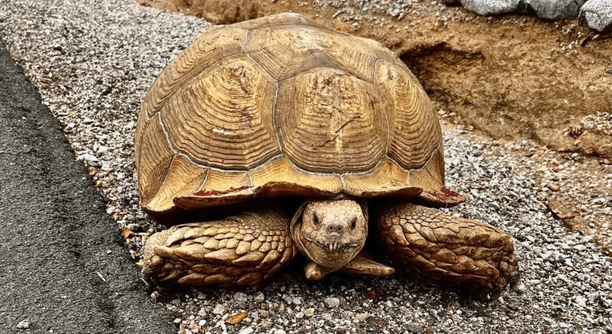
Sulcata tortoises are known for their hearty appetites, but sometimes they lose interest in food. This can be concerning for owners who want to keep their pet healthy. Understanding the causes behind this behavior is important.
Several factors can cause a Sulcata tortoise to lose its appetite, including improper diet, environmental stress, illness, or lack of proper hydration. Temperature fluctuations, inadequate lighting, and changes in habitat can also contribute to a decrease in food intake.
Identifying the specific cause can help you address the issue and prevent further health problems. By ensuring the right conditions, you can support your tortoise’s appetite and overall well-being.
Incorrect Diet or Feeding Routine
A Sulcata tortoise’s diet plays a major role in its appetite. These tortoises need a variety of high-fiber foods, such as grasses, hay, and some leafy greens. If the diet is imbalanced or lacks necessary nutrients, they may lose interest in food. Commercial pellets or food with high protein can also disrupt their digestive system and cause them to stop eating. Additionally, feeding them at irregular times or offering too much food at once may cause them to become picky.
If your tortoise refuses food, check the balance of their diet. Make sure you’re offering the right foods and avoid overfeeding. Proper portion sizes and regular feeding schedules can encourage a healthy appetite.
A sudden change in diet can also lead to a loss of appetite. Transitioning to new foods should be done slowly. Offering a variety of fresh foods will help meet their nutritional needs and keep them engaged with eating. Taking the time to research what’s best for your tortoise’s diet can go a long way in restoring its appetite.
Environmental Stress
Your Sulcata tortoise may lose its appetite due to environmental stress.
Environmental stress can result from various factors, including sudden changes in temperature, humidity, or lighting. These tortoises need a stable environment to feel secure. If the habitat is too hot or too cold, it can cause discomfort and lead to a loss of appetite. Similarly, inadequate lighting and insufficient UVB exposure can affect their ability to metabolize calcium, leading to health problems that can affect feeding.
To prevent stress, make sure the enclosure is set up correctly with a proper temperature gradient, a heat source, and UVB lighting. If you’ve recently moved your tortoise to a new home, the change could also be a source of stress. Be patient and give them time to adjust. Check the enclosure regularly to ensure everything is functioning properly and that your tortoise has a calm, comfortable place to eat and relax.
Illness or Health Issues
When a Sulcata tortoise isn’t feeling well, it may lose its appetite.
Common illnesses like respiratory infections, parasites, or internal issues can make them feel unwell and uninterested in food. If your tortoise is acting sluggish or has abnormal behavior, such as excessive sleeping or weight loss, it may be a sign of a health problem. Regular checkups with a vet who specializes in reptiles are important to catch any health issues early.
If your tortoise is unwell, don’t hesitate to contact a vet. They may recommend specific treatments or dietary changes. Keep a close eye on your pet for any signs of illness, such as runny eyes, nasal discharge, or changes in stool. Even subtle changes in behavior can be a signal that something isn’t right. Getting a professional opinion will help you take the right steps to improve their health and get their appetite back on track.
Dehydration
Dehydration is another common cause of appetite loss in Sulcata tortoises.
These tortoises need a consistent supply of fresh water to stay hydrated. If your tortoise isn’t drinking enough water or the humidity in its habitat is too low, dehydration can occur. Dehydration may cause lethargy, dry skin, and a lack of appetite. It’s important to offer clean water regularly and mist the enclosure if necessary to maintain humidity levels.
If you notice your tortoise isn’t drinking or appears lethargic, you can gently soak it in lukewarm water for about 20 minutes to help with hydration. Adding a shallow water dish for drinking may encourage them to drink more often. Make sure the water is always clean and fresh. Adjusting the humidity levels in the enclosure may also help, especially during dry months. A hydrated tortoise is more likely to have a healthy appetite and feel more energetic overall.
Temperature Fluctuations
Temperature changes can affect a Sulcata tortoise’s appetite.
If the temperature in the enclosure is too hot or too cold, it can make your tortoise feel uncomfortable and cause a loss of interest in food. A proper temperature gradient is essential, allowing your tortoise to regulate its body temperature.
Ensure that your tortoise has a warm basking spot and a cooler area to retreat to. Temperature fluctuations can lead to stress, which, in turn, may result in a loss of appetite. If the environment is consistently too cold or too hot, it could make digestion difficult and cause them to stop eating.
Poor Lighting Conditions
Inadequate lighting can also play a major role in appetite loss.
Sulcata tortoises require UVB lighting to help process calcium and maintain strong bones. Without proper lighting, they may feel weak, unwell, and uninterested in food. Make sure the enclosure has a suitable light source that mimics natural sunlight and provides both heat and UVB rays.
Overfeeding
Overfeeding can lead to appetite loss in Sulcata tortoises.
When tortoises are consistently given large portions or overly rich food, they can become full and stop eating. While they need a variety of food, overfeeding can overwhelm their digestive system and cause them to lose interest in their meals.
FAQ
What should I do if my Sulcata tortoise isn’t eating?
If your tortoise stops eating, start by checking its habitat. Ensure the temperature, humidity, and lighting are appropriate. A healthy environment encourages a good appetite. Also, examine their diet to make sure they’re getting the right nutrients. If these factors seem fine, check for signs of illness and contact a vet if needed.
How do I know if my tortoise is dehydrated?
Signs of dehydration include lethargy, dry skin, sunken eyes, and a lack of appetite. If you notice these symptoms, you can try soaking your tortoise in lukewarm water for 20 minutes. Make sure they have access to clean, fresh water at all times and maintain proper humidity levels in their enclosure.
Can a change in environment cause my Sulcata tortoise to lose its appetite?
Yes, a move to a new home or a sudden change in the enclosure setup can cause stress, leading to a loss of appetite. Tortoises can be sensitive to changes in their environment. Allow them time to adjust and monitor their behavior. Stress should decrease once they feel comfortable.
How can I make my Sulcata tortoise’s habitat more comfortable?
Make sure the enclosure has a proper temperature gradient with a basking spot that’s around 95°F to 100°F. The cooler side should be around 75°F to 85°F. Provide a UVB light source to ensure they can metabolize calcium and stay healthy. Adding a shallow water dish for drinking and regular misting will also help maintain humidity.
How much should I feed my Sulcata tortoise?
Sulcata tortoises are herbivores and need a diet mainly composed of grasses, hay, and leafy greens. Feed them in moderate portions, about 1-2 times per day. Offer a variety of fresh foods, but avoid overfeeding, especially with high-protein foods. A balanced diet is key to maintaining their appetite and health.
Can temperature fluctuations affect my tortoise’s eating habits?
Yes, drastic temperature changes can make a tortoise uncomfortable and decrease its appetite. A consistent temperature is important for digestion. Ensure the enclosure has both a warm basking area and a cooler side so your tortoise can regulate its body temperature properly.
How long can a Sulcata tortoise go without eating?
Sulcata tortoises can sometimes go without eating for a few days, especially if they’re hibernating or stressed. However, if your tortoise refuses food for an extended period (more than a week), it’s essential to address the underlying issue, whether it’s health-related or environmental. Always monitor their behavior closely.
What kind of foods should I avoid giving my Sulcata tortoise?
Avoid feeding your Sulcata tortoise high-protein foods, such as animal-based products or high-calcium foods like spinach, which can upset their digestive system. Stay away from iceberg lettuce, as it has little nutritional value. Stick to a diet rich in grasses, hay, and leafy greens for the best results.
Could my tortoise be losing its appetite because of a parasite?
Yes, parasites can cause digestive issues and lead to a loss of appetite. If your tortoise has symptoms like abnormal stool, lethargy, or weight loss, it’s worth consulting with a reptile vet. A fecal test can check for parasites, and if necessary, they can prescribe treatments.
How often should I check my Sulcata tortoise’s health?
It’s a good idea to schedule regular checkups with a vet who specializes in reptiles, ideally once a year. However, if you notice any unusual behavior, like a lack of appetite or changes in activity levels, you should consult the vet immediately. Catching health issues early is important for their well-being.
Is it normal for my Sulcata tortoise to fast occasionally?
It’s normal for Sulcata tortoises to eat less or fast occasionally, especially if they’re adjusting to a new environment, undergoing seasonal changes, or if the weather changes. However, if fasting lasts more than a few days, it’s best to evaluate their health and environment to ensure there’s no underlying issue.
Should I worry if my tortoise’s appetite fluctuates?
Appetite fluctuations are normal and can happen for various reasons, such as changes in temperature, diet, or light exposure. It’s only a cause for concern if appetite loss continues for an extended period, especially if accompanied by other symptoms like lethargy or abnormal behavior.
Final Thoughts
Understanding why a Sulcata tortoise may lose its appetite is important for any pet owner. Several factors can contribute to this, including an improper diet, environmental stress, illness, or dehydration. By monitoring their diet, habitat, and overall health, you can often prevent or address appetite issues before they become serious problems. A well-balanced diet, a stable environment, and proper hydration are essential to maintaining your tortoise’s well-being. Regular check-ups with a vet who specializes in reptiles can also help identify potential health issues early on.
If your tortoise seems to be losing interest in food, it’s important to assess its environment. Ensure the temperature and humidity levels are correct, and check that the UVB lighting is adequate for proper calcium absorption. Sulcata tortoises need a warm basking area, cooler spots to retreat to, and fresh water at all times. Stress from sudden changes in their surroundings, such as moving to a new habitat or changes in routine, can lead to a temporary loss of appetite. Be patient, give them time to adjust, and keep their environment consistent to minimize stress.
Lastly, if your tortoise’s appetite loss persists for more than a few days or is accompanied by other symptoms like lethargy, weight loss, or abnormal behavior, it’s time to consult a vet. Illnesses like respiratory infections, parasites, or digestive problems can also affect eating habits. Prompt treatment can help your tortoise recover more quickly and prevent long-term health problems. A healthy, happy tortoise will be more active and eager to eat, so keeping a close eye on their behavior and habits is the best way to ensure they stay in good health.

Hello,
If you enjoy the content that we create, please consider saying a "Thank You!" by leaving a tip.
Every little bit helps us continue crafting quality advice that supports the health, happiness, and well-being of pets around the world, for pets of all shapes, sizes, and species.
We really appreciate the kindness and support that you show us!