
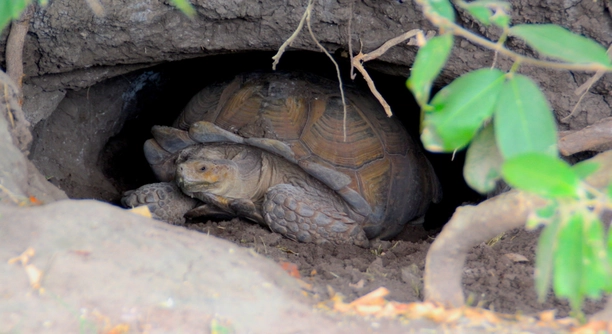
Sulcata tortoises are herbivores, often enjoying a variety of fruits, vegetables, and grasses. As a pet owner, you may wonder if bananas can be part of their diet. Let’s explore whether bananas are a good treat for these gentle reptiles.
Bananas can be fed to Sulcata tortoises in small amounts, but they should not be a regular part of their diet due to their high sugar and potassium content. Overfeeding bananas may cause digestive problems and imbalance in their nutrition.
Understanding the right balance in feeding your Sulcata tortoise can help maintain its health and well-being. Too much of any fruit, including bananas, can lead to complications.
Are Bananas Safe for Sulcata Tortoises?
Sulcata tortoises are known for their varied diet, which usually consists of grasses, flowers, and leafy greens. However, it’s tempting to offer them fruits like bananas due to their sweet taste and appealing texture. While bananas are not toxic to Sulcatas, they should only be an occasional treat. Fruits like bananas contain a lot of sugar, and feeding too much sugar to a tortoise can lead to digestive issues, obesity, and other health concerns. Bananas also have high levels of potassium, which, if consumed excessively, can interfere with the balance of calcium in the tortoise’s body.
It’s important to offer bananas in moderation and keep in mind the potential for overfeeding. You can occasionally cut up small pieces of banana and provide them alongside their regular leafy greens or grasses. This ensures that the tortoise is getting the essential nutrients it needs without overloading its system with sugar.
A good rule of thumb is to limit the frequency of banana treats to once a week or less. This way, your Sulcata can still enjoy a bit of variety without upsetting its diet. Always focus on providing high-fiber, low-sugar foods as the bulk of their diet. By keeping their meals balanced, you’ll be helping them stay healthy and active for years to come.
How Often Can You Feed Bananas to Sulcata Tortoises?
Bananas should be offered to Sulcata tortoises only occasionally. Overfeeding can cause health issues such as weight gain or calcium deficiency.
In general, fruits are best used as treats rather than staples in your tortoise’s diet. Because Sulcata tortoises require a high-fiber, low-sugar diet, fruits like bananas should only make up a small portion of their meals. You can offer banana slices once a week, ensuring it is not the main food provided. It’s also a good idea to remove the peel, as it can be difficult for tortoises to digest. When feeding bananas, always monitor your tortoise’s behavior and health. If you notice any signs of digestive distress or changes in its eating habits, it might be a sign to cut back on the fruit.
Make sure to offer bananas alongside other appropriate foods like grasses and dark leafy greens. Variety in their diet will help maintain their digestive health and prevent any nutritional imbalances. Always ensure that the majority of your tortoise’s food intake consists of fiber-rich options that suit their herbivorous nature.
Nutritional Benefits of Bananas for Sulcata Tortoises
Bananas do provide some nutritional benefits, including vitamins like vitamin C and B6. They also contain fiber, which can aid in digestion. A small amount of potassium supports muscle function, and the natural sugars can offer quick energy. However, the sugar content is high, so moderation is key.
While bananas do have these benefits, it’s crucial not to rely on them as a primary food source for Sulcata tortoises. Overconsumption of sugar can disrupt the tortoise’s digestive system and cause more harm than good. Therefore, bananas should only supplement a well-balanced diet rich in fibrous plants. The tortoise will benefit from occasional fruit treats but should mainly consume high-fiber grasses and greens to thrive.
Remember, the bulk of a Sulcata’s diet should be made up of low-sugar, high-fiber foods. A diet rich in grasses, hay, and leafy greens will keep their digestive system in check while providing essential vitamins and minerals for optimal health. Keep bananas as an occasional treat, not a mainstay.
Risks of Overfeeding Bananas to Sulcata Tortoises
Overfeeding bananas to Sulcata tortoises can lead to digestive issues such as diarrhea or constipation. Excess sugar can also contribute to weight gain, which could strain their joints. Balance in their diet is essential for their health.
Consuming too much banana can cause more than just digestive problems. High sugar intake can interfere with the absorption of essential nutrients, such as calcium. This can lead to shell deformities, weakness, or other bone-related issues. The high potassium in bananas can also affect the tortoise’s ability to regulate calcium levels, which can contribute to metabolic bone disease. These risks highlight the importance of feeding bananas sparingly.
In addition, tortoises need a stable, consistent diet to avoid health problems. When offering bananas, always observe your Sulcata’s behavior after consumption. If you notice any signs of discomfort or health issues, reduce the frequency of fruit offerings. Stick to providing them with leafy greens and fibrous vegetables, which provide the most health benefits.
How to Properly Serve Bananas to Sulcata Tortoises
When offering bananas to Sulcata tortoises, slice them into small, manageable pieces. This prevents overfeeding and makes it easier for them to eat. Always remove the peel to avoid digestive issues.
Offering small, cut-up pieces allows you to control the portion size and keep the treat from overpowering their meal. Keep the banana pieces to a minimum and combine them with their regular food, like leafy greens. This ensures they don’t rely too heavily on sugary fruits. Overfeeding can lead to health problems, so always give banana slices sparingly.
Other Safe Fruits for Sulcata Tortoises
Aside from bananas, Sulcata tortoises can enjoy other fruits in moderation. Some safe options include strawberries, apples, and melons. These fruits are lower in sugar than bananas and still provide variety.
Offering a selection of fruits like these can bring some enjoyment to your tortoise’s diet while still supporting its overall health. Make sure to always remove seeds and skin when necessary. While fruits can add some nutrients, they shouldn’t be the main part of your tortoise’s diet. Focus on fibrous, low-sugar foods for long-term health.
FAQ
Can Sulcata tortoises eat other fruits besides bananas?
Yes, Sulcata tortoises can eat a variety of fruits in moderation. Fruits like strawberries, apples (without seeds), melon, and berries are safe for them. These fruits provide vitamins and hydration, but they should never replace their main diet, which should be high in fiber and low in sugar. You can occasionally offer these fruits as treats, but the primary focus should be on grasses and leafy greens.
How often should I feed my Sulcata tortoise fruits like bananas?
Fruits should be given to Sulcata tortoises sparingly, about once a week or less. These treats should never make up more than 5-10% of their diet. Overfeeding fruits can cause digestive issues or nutritional imbalances due to the high sugar content. Always keep the balance in mind when offering treats.
Are bananas harmful to Sulcata tortoises?
Bananas are not harmful in small amounts, but they can be unhealthy if overfed. Their high sugar and potassium content can cause digestive problems, obesity, and interfere with calcium absorption. It’s essential to offer them in moderation and ensure that your tortoise’s diet is balanced with fibrous foods like grasses and leafy greens.
What should I feed my Sulcata tortoise regularly?
The bulk of your Sulcata tortoise’s diet should consist of high-fiber foods, including grasses, hay, and dark leafy greens like dandelion greens, collard greens, and mustard greens. These provide the essential nutrients your tortoise needs, including calcium for strong bones and shells. Avoid feeding them too many fruits, as these are high in sugar.
Can Sulcata tortoises eat vegetables?
Yes, Sulcata tortoises can eat a variety of vegetables, but they should be fed in moderation. Suitable options include leafy greens like kale, turnip greens, and dandelion greens, as well as vegetables like squash, bell peppers, and zucchini. Steer clear of vegetables that are too high in oxalates, like spinach, as they can interfere with calcium absorption.
Is it safe to feed Sulcata tortoises commercial tortoise food?
While some commercial tortoise foods are formulated for Sulcata tortoises, they should not be the main food source. These foods can be convenient but often contain artificial additives and preservatives that are not ideal for your tortoise’s health. Always prioritize fresh, natural foods like grasses, hay, and vegetables. Commercial foods can be used occasionally but should not replace a natural diet.
Can I feed my Sulcata tortoise fruit skins or seeds?
It is best to avoid feeding Sulcata tortoises fruit skins and seeds. The skins of some fruits, such as apples and grapes, can be tough to digest and may contain pesticides. Seeds, especially from apples and citrus fruits, can be harmful if ingested in large quantities. Always remove seeds and skin before offering fruits like bananas or apples.
How do I know if my Sulcata tortoise is overeating?
If your Sulcata tortoise is overeating, it may become sluggish or overweight. You may notice changes in its behavior, such as less activity or difficulty moving. Additionally, signs of digestive distress like diarrhea or constipation may appear. A balanced diet with the correct amount of fiber and occasional fruit is key to maintaining a healthy weight and digestion.
Can Sulcata tortoises drink water?
Yes, Sulcata tortoises should always have access to fresh, clean water. Hydration is important, especially in hot climates. While tortoises often get some water from their food, they still need a water source to drink from regularly. Be sure to change the water daily and ensure the dish is shallow enough for your tortoise to access easily.
How can I keep my Sulcata tortoise healthy?
To keep your Sulcata tortoise healthy, provide a proper diet of fiber-rich grasses, leafy greens, and occasional fruits in moderation. Ensure they have access to fresh water and proper housing with sufficient space for roaming. Regular outdoor time in a safe, supervised environment with exposure to sunlight will also help keep them healthy and active. Additionally, monitor their weight and activity level to prevent obesity and related health issues.
Feeding your Sulcata tortoise a balanced diet is key to its health and well-being. While fruits like bananas can offer some nutritional benefits, they should only be an occasional treat due to their high sugar content. It’s important to remember that tortoises are herbivores, and their primary food source should be high-fiber plants such as grasses, hay, and leafy greens. These foods provide the necessary nutrients, including calcium, that help keep your tortoise strong and healthy. Fruits should never replace these main dietary components, as they can cause health problems when consumed in excess.
When feeding bananas or other fruits, portion control is essential. A small piece of banana once a week can be a fun and enjoyable treat for your Sulcata, but it should never make up a significant portion of their diet. Overfeeding fruits can lead to digestive issues, obesity, or even interfere with calcium absorption, which is critical for their shell and bone health. Always ensure that fruits are offered in moderation and as a supplement to their regular diet of fibrous plants. Keeping the right balance in their diet will help ensure that your tortoise stays healthy and active.
In addition to their diet, it’s essential to provide your Sulcata tortoise with a proper living environment. A spacious habitat with access to sunlight and fresh water is just as important as the food they eat. Regular observation of their behavior, weight, and overall health can help you catch any potential issues early. By offering a variety of foods, managing portion sizes, and creating a comfortable habitat, you can ensure your Sulcata tortoise lives a long, happy, and healthy life.

Hello,
If you enjoy the content that we create, please consider saying a "Thank You!" by leaving a tip.
Every little bit helps us continue crafting quality advice that supports the health, happiness, and well-being of pets around the world, for pets of all shapes, sizes, and species.
We really appreciate the kindness and support that you show us!