
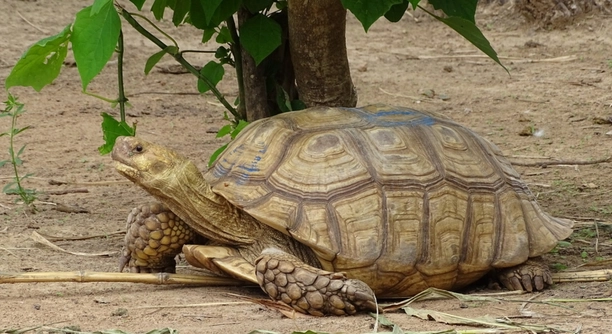
Sulcata tortoises are unique and fascinating pets, but sometimes their behaviors can leave us puzzled. One common behavior you might notice is them rubbing their eyes. It’s important to understand why this happens and how to address it.
The most likely cause of your sulcata tortoise rubbing its eyes is irritation, which could stem from dust, debris, or even a health issue such as an infection or dry eyes. These factors may require attention to ensure proper care.
Understanding what’s behind this eye-rubbing behavior will help you provide the best care for your tortoise. Keep reading to learn more about potential causes and solutions.
Common Causes of Eye Rubbing in Sulcata Tortoises
There are several common reasons why your sulcata tortoise might rub its eyes. One frequent cause is irritation from the environment. Sulcatas are known to explore dusty or sandy areas, and small particles can easily get stuck in their eyes. This can make them rub their eyes to relieve discomfort. Another cause could be poor humidity levels, as dry environments can cause eye irritation. Additionally, if your tortoise is housed in an area with poor ventilation, this could worsen the situation. If left unchecked, these irritants can lead to further issues, including infection. It’s important to address the root of the problem quickly, as prolonged discomfort can harm their health.
Ensuring a clean environment and proper humidity is essential in preventing eye irritation in sulcata tortoises.
If your tortoise continues rubbing its eyes even after you’ve made adjustments to its habitat, there could be other concerns. For example, a respiratory infection could cause eye discharge and irritation. In some cases, swollen eyelids or excessive eye rubbing may point to an eye infection that requires veterinary attention. Another issue could be conjunctivitis, which is an inflammation of the eye’s membrane. This can occur due to a variety of factors, including bacteria or poor living conditions. If you notice changes in your tortoise’s eyes, such as cloudy or red eyes, it’s crucial to take them to a vet to get proper treatment and prevent long-term damage.
How to Address Eye Rubbing in Sulcata Tortoises
Taking steps to improve your tortoise’s habitat can greatly reduce eye rubbing.
Start by making sure that your sulcata tortoise’s enclosure is dust-free and that the humidity is at an optimal level. A humidifier or frequent misting may help maintain appropriate moisture levels. If you’re noticing persistent rubbing, it’s also a good idea to check the temperature, as extremes can irritate their eyes. You can even try gently wiping your tortoise’s eyes with a damp cloth to clear away any potential debris. If eye rubbing continues despite these changes, seek professional care to rule out an infection or other health issues.
Importance of Cleanliness in the Enclosure
A clean living space is vital for your tortoise’s well-being. Dust, dirt, or mold can irritate their eyes and skin. Ensuring that the enclosure is regularly cleaned helps prevent many common health issues, including eye irritation. Regular cleaning also reduces the risk of respiratory infections, which are a concern in sulcata tortoises.
Keeping the habitat clean means wiping down surfaces and changing bedding often. Remove any food remnants, waste, or mold, which can create a breeding ground for bacteria. If your tortoise has access to outdoor space, ensure it’s free from excessive dust or dirt, as these can cause eye irritation. Also, avoid harsh chemicals when cleaning, as they can harm your tortoise’s sensitive skin and eyes.
Make sure to check your tortoise’s eyes regularly for signs of irritation. Even small changes, like squinting or excessive blinking, could indicate that something is wrong. Keeping the space tidy not only protects their eyes but also promotes overall health and happiness.
How to Manage Humidity Levels
Maintaining proper humidity is important for sulcata tortoises, as they thrive in a slightly humid environment. Too little moisture can lead to dry eyes and skin, making them more likely to rub their eyes. Ensuring a consistent humidity level in their enclosure is crucial for avoiding discomfort.
You can monitor the humidity using a hygrometer. Aim for a level between 40-60%. If the air is too dry, mist the enclosure a few times a day or invest in a humidity regulator. You can also add humidity by placing a water dish in the enclosure or using a humidifier in their room.
Keep in mind that excess humidity can be just as harmful, leading to mold growth or skin problems. Finding a balanced humidity level is key to ensuring your sulcata tortoise remains comfortable and healthy, which can reduce eye rubbing and other related issues.
Possible Health Issues to Consider
If your tortoise’s eye rubbing persists, it may be a sign of an underlying health problem. Conditions like eye infections, conjunctivitis, or respiratory issues can cause discomfort, leading your tortoise to rub its eyes. Paying attention to other symptoms is key to diagnosing the issue.
Look out for signs like swollen eyes, excessive discharge, or cloudy eyes. These could indicate an infection that needs veterinary attention. A veterinarian can perform an eye exam to determine if the issue is infection-related, requiring antibiotics or other treatments. Early intervention can prevent further complications and ensure a quick recovery.
Diet and Its Impact on Eye Health
A well-balanced diet plays a crucial role in maintaining overall health, including your tortoise’s eye health. Nutrient deficiencies, particularly a lack of Vitamin A, can contribute to eye issues. Make sure your tortoise gets a variety of leafy greens, high-fiber vegetables, and some fruits for optimal nutrition.
Feeding your tortoise foods rich in beta-carotene, like carrots and dark leafy greens, can help maintain healthy eyes. Avoid feeding them too many fruits, as the excess sugar can negatively impact their health. Regularly offer a variety of food to ensure they are getting the necessary nutrients to avoid deficiencies.
When to Seek Veterinary Help
If your tortoise’s eye rubbing continues despite addressing environmental factors, it’s time to consult a veterinarian. A vet can properly diagnose any underlying issues like infections or disease that may be affecting your tortoise’s eyes. Getting professional care will help prevent complications.
FAQ
Why is my sulcata tortoise rubbing its eyes so much?
Eye rubbing is often a sign of discomfort. It could be caused by dust, debris, or irritation from the environment, such as dry air. Tortoises might rub their eyes to clear out particles or relieve irritation. However, if the rubbing persists, it could be a sign of an underlying infection, like conjunctivitis, or a respiratory issue. Keeping the habitat clean and maintaining proper humidity can help reduce eye irritation. If eye rubbing continues, a visit to the vet might be necessary for a more accurate diagnosis.
How can I prevent my sulcata tortoise from rubbing its eyes?
To prevent eye rubbing, make sure your tortoise’s living environment is clean and dust-free. Regularly change the bedding and wipe down surfaces. Keeping the humidity at an appropriate level (40-60%) is essential as dry air can lead to irritated eyes. You should also check the temperature in the enclosure to avoid extremes, which could also cause discomfort. Additionally, ensure your tortoise is eating a balanced diet to support overall health, including eye health.
What should I do if my sulcata tortoise has discharge from its eyes?
Eye discharge could indicate an infection or other health issues. If you notice discharge, the first step is to clean the area gently with a damp, soft cloth to remove any buildup. However, it’s important not to try treating the infection yourself. Visit a veterinarian who can determine if it’s a bacterial infection or another issue that requires professional treatment, like antibiotics or eye drops. Leaving it untreated could lead to further complications.
How do I know if my sulcata tortoise has an eye infection?
An eye infection can be identified by signs such as redness, swelling, discharge, or excessive blinking. Your tortoise may also be more sensitive to light or have difficulty opening its eyes. If you notice any of these symptoms, it’s important to take your tortoise to a vet. The vet can diagnose the problem and suggest the appropriate treatment, which may include antibiotics or other medications.
Can I use human eye drops to treat my sulcata tortoise’s eyes?
It is not recommended to use human eye drops for your sulcata tortoise. The ingredients in human eye drops may not be safe for reptiles. Instead, consult your veterinarian for a proper treatment plan. They can provide specific eye care solutions designed for reptiles. Using the wrong treatment can make things worse and delay recovery.
How can I tell if my sulcata tortoise’s eye irritation is from the environment?
If your tortoise is rubbing its eyes but you don’t see any discharge or swelling, the issue may be environmental. Dust, bedding materials, or even poor ventilation can cause irritation. Check the cleanliness of the habitat and ensure the humidity levels are within the recommended range. If these factors are balanced and your tortoise’s eye irritation continues, it may be time to consult a vet for a more in-depth examination.
Can a poor diet cause eye problems in my sulcata tortoise?
Yes, a poor diet can contribute to eye issues, particularly if your tortoise is lacking key nutrients like Vitamin A. Vitamin A plays an essential role in maintaining eye health, and a deficiency can lead to eye problems like conjunctivitis or swollen eyes. Make sure your tortoise is eating a varied diet with plenty of leafy greens, high-fiber vegetables, and some fruits. A lack of proper nutrition can weaken the immune system, making your tortoise more vulnerable to infections.
What are the best foods to promote eye health in sulcata tortoises?
To promote eye health, focus on foods rich in beta-carotene, which is a form of Vitamin A. Dark leafy greens like collard greens, mustard greens, and dandelion greens are excellent choices. Carrots and squash also provide high levels of beta-carotene, which supports eye function. Avoid feeding your tortoise too much fruit, as the sugar content can negatively affect its health. A well-rounded diet will help maintain healthy eyes and prevent issues.
What is the best way to clean my sulcata tortoise’s eyes if it is irritated?
If your tortoise’s eyes are irritated, you can gently clean them with a soft cloth or cotton ball soaked in warm water. Be sure to wipe away any debris or discharge carefully. Avoid using any harsh chemicals or cleaners, as they may harm your tortoise’s sensitive skin and eyes. If the irritation persists, consult a vet for further advice.
How can I improve the humidity in my sulcata tortoise’s enclosure?
To improve humidity, consider using a humidifier in the room or misting the enclosure daily with water. You can also place a shallow water dish in the enclosure to add moisture to the air. Be sure to monitor the humidity with a hygrometer to maintain the proper level between 40-60%. Avoid making the enclosure too damp, as this can lead to mold or respiratory issues.
Final Thoughts
If your sulcata tortoise is constantly rubbing its eyes, it’s essential to first consider the environment. Factors like dust, dry air, or improper humidity can irritate their sensitive eyes. Cleaning their enclosure regularly and ensuring the right humidity levels can help prevent eye rubbing. A clean and comfortable living space is vital for your tortoise’s well-being. By checking the temperature and humidity levels, you can avoid many environmental issues that might cause discomfort.
However, if the eye rubbing persists despite a clean environment, it’s important to rule out potential health problems. Conditions like eye infections or respiratory issues can cause symptoms like swelling, discharge, and excessive eye rubbing. If you notice other signs like redness or difficulty opening the eyes, it’s time to seek veterinary care. Early treatment can prevent these issues from worsening and help ensure your tortoise’s long-term health. A vet can provide a proper diagnosis and recommend treatments like antibiotics or eye drops.
In addition to environmental care and medical attention, a balanced diet plays a significant role in eye health. Ensuring your tortoise is getting enough Vitamin A-rich foods, such as dark leafy greens and carrots, can help maintain healthy eyes. Avoiding too much fruit and focusing on a well-rounded diet will keep your tortoise in optimal condition. By maintaining the right environment, monitoring their health, and feeding them a nutritious diet, you can help your sulcata tortoise live a happy and healthy life without eye issues.

Hello,
If you enjoy the content that we create, please consider saying a "Thank You!" by leaving a tip.
Every little bit helps us continue crafting quality advice that supports the health, happiness, and well-being of pets around the world, for pets of all shapes, sizes, and species.
We really appreciate the kindness and support that you show us!