
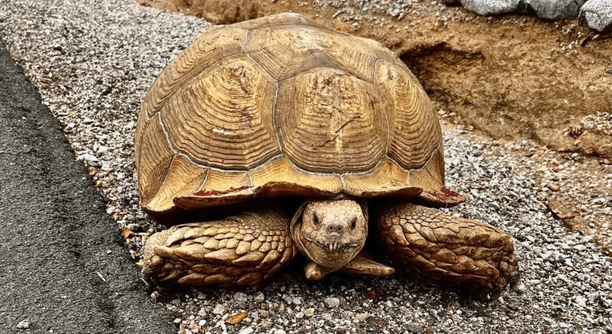
Winter weather can be tough on outdoor reptiles, but with a little preparation, your Sulcata tortoise can stay safe and comfortable. It’s essential to make sure they have a warm, secure space during the colder months.
To set up a safe winter home for your Sulcata tortoise, create an indoor habitat that maintains a steady temperature. Use heating elements, such as heat lamps or pads, and ensure the environment is dry to prevent respiratory issues.
Understanding the key aspects of temperature, lighting, and space will ensure your Sulcata stays healthy and active during the winter.
Preparing the Space
To create a safe winter home for your Sulcata tortoise, the first step is preparing an indoor space that mimics its natural habitat. A large, sturdy enclosure with plenty of room for movement is essential. Use materials like wood, plastic, or glass to build the enclosure. Ensure it’s spacious enough for your tortoise to roam comfortably. Avoid keeping your Sulcata in a small cage, as it may feel cramped and stressed.
Your Sulcata will need a warm, dry environment. A reliable heat source like an overhead heat lamp or a ceramic heat emitter will help regulate the temperature, which should remain between 75°F to 85°F during the day. At night, the temperature can drop to around 65°F, but it shouldn’t go lower. Place a thermometer inside the enclosure to monitor the temperature regularly.
When setting up the space, also consider humidity levels. Too much moisture can lead to respiratory issues and shell rot. Make sure the space stays dry, and avoid misting the area excessively. Also, provide areas where your Sulcata can burrow or hide for added comfort.
Proper Lighting
Along with warmth, proper lighting is crucial. Without sufficient UVB lighting, your Sulcata won’t be able to process calcium effectively. UVB bulbs designed for reptiles can help ensure they receive the light they need for healthy bone development.
The right lighting should mimic the sun’s cycle. Set the light to stay on for 10 to 12 hours a day. This ensures your tortoise gets the right amount of light to maintain a healthy rhythm. The UVB light should be placed a few feet away from the tortoise to avoid direct exposure that could cause harm.
Temperature Regulation
Maintaining the right temperature is one of the most important factors for your Sulcata’s health. Ensure the temperature gradient is steady, with a warm area and a cooler side to let your tortoise regulate its body temperature.
You can use heat lamps or ceramic heat emitters to provide warmth. Position them to create a basking spot where the temperature reaches around 90°F to 95°F. Avoid using heat rocks, as they can cause burns. For nighttime, use a heat source that doesn’t emit light to help the environment remain comfortable without disturbing the tortoise’s natural sleep cycle.
To maintain the correct temperatures, invest in a reliable thermostat to prevent overheating. Avoid drastic temperature fluctuations, as they can stress your Sulcata. Regularly check the enclosure’s temperature to ensure it stays within the recommended range for optimal health.
Substrate Choices
Choosing the right substrate for your Sulcata’s winter home is key to providing comfort and hygiene. Opt for materials that allow easy cleaning and are safe for reptiles.
Cypress mulch, hay, or a mixture of both work well. These substrates maintain humidity without being too damp. Avoid using sand or soil, as they can hold moisture and lead to problems like respiratory issues or shell rot. A thick layer of bedding will help your tortoise feel secure and provide enough room to burrow.
Make sure to replace the bedding regularly to maintain a clean environment. If the bedding becomes soiled or too wet, it can cause bacteria growth, posing a risk to your tortoise’s health. Always prioritize cleanliness for the well-being of your Sulcata.
Feeding During Winter
Even in winter, your Sulcata needs proper nutrition. Ensure they have access to fresh, high-fiber foods, such as hay and leafy greens.
Reduce feeding frequency during the colder months. Sulcatas naturally eat less in the winter, so you can offer food every two to three days. Make sure they always have clean, fresh water.
Hydration
Keeping your Sulcata hydrated is just as important as feeding. Offer water regularly and make sure it’s always fresh.
You can also soak your tortoise in shallow, lukewarm water for about 15 to 20 minutes. This helps with hydration and can prevent dehydration during colder months.
FAQ
How can I tell if my Sulcata tortoise is too cold?
If your Sulcata is too cold, it will show signs like sluggish movement, staying hidden, or resting in odd positions. Its appetite may also decrease, and it may become less active than usual. A good indicator of low temperature is if the tortoise isn’t basking or moving to its warmer areas in the enclosure. Make sure to check the temperature regularly and ensure it stays within the ideal range for their health.
Can I use a heat mat for my Sulcata?
Heat mats can be useful but should not be the main source of heat for a Sulcata tortoise. They don’t provide enough heat to warm the entire enclosure and can cause uneven temperature distribution. If you use a heat mat, place it under one side of the enclosure to create a warm zone but supplement it with other heat sources like heat lamps or ceramic emitters. Always ensure that the mat is not in direct contact with the tortoise to avoid burns.
How often should I clean my Sulcata’s enclosure during the winter?
Cleaning should be done regularly to maintain a healthy environment for your tortoise. Spot clean the substrate daily by removing any soiled bedding, leftover food, or waste. Perform a deeper cleaning once a week by replacing the substrate and thoroughly disinfecting the enclosure. Keeping the habitat clean helps prevent any bacteria buildup that could affect your Sulcata’s health.
Can I let my Sulcata roam outside during the winter?
It’s not safe to let your Sulcata roam outside during the winter months, especially in colder climates. Sulcatas are cold-blooded and need warmth to regulate their body temperature. Exposure to low temperatures can lead to stress, illness, or even death. It’s best to keep them in a temperature-controlled indoor environment during the winter.
How do I maintain humidity for my Sulcata during the winter?
Sulcatas don’t require a high level of humidity, but it’s important to keep the air in their enclosure dry. If you live in a very dry area, you can maintain slight humidity by placing a shallow water dish in the enclosure, which can add moisture to the air. Be careful not to overdo it, as excess humidity can lead to respiratory issues or shell rot. Monitor the substrate closely to ensure it doesn’t become too damp.
Can I feed my Sulcata the same foods in the winter as I do in the warmer months?
Yes, you can feed your Sulcata the same foods in winter, but you should adjust the quantity. During the colder months, your Sulcata will be less active and will need fewer calories. Focus on providing high-fiber, low-calcium foods like hay and leafy greens, and limit the amount of fruits and high-oxalate vegetables. Avoid feeding them foods that may spoil quickly or mold, as the cooler temperatures can cause food to stay in the enclosure longer.
Should I give my Sulcata a supplement during winter?
While you may not need to provide extra supplements if you’re offering a varied and balanced diet, it’s always a good idea to check if your Sulcata’s calcium and vitamin D levels are adequate. If you’re concerned about a deficiency, consult with a vet about offering a calcium supplement. Be careful with how much you give, as over-supplementing can cause health issues.
Can Sulcata tortoises hibernate during the winter?
Sulcata tortoises do not hibernate, but they do experience a period of lower activity in the colder months. While they may reduce their feeding and activity, it’s essential that they still have access to the right temperature, lighting, and food. A winter dormancy period is not natural for them in captivity and should be avoided, as it can lead to health problems. Keep them warm and well-fed throughout the winter to ensure they stay healthy.
What should I do if my Sulcata is not eating during the winter?
If your Sulcata isn’t eating during the winter, it could be due to a variety of factors, such as stress or incorrect temperature. First, check if the temperature in their habitat is within the recommended range. If it’s too cold or too hot, adjust accordingly. Make sure that the enclosure is quiet and free of stressors. If the lack of appetite continues for an extended period, consult with a veterinarian to rule out any health issues.
Is it safe to use a space heater near my Sulcata’s enclosure?
While space heaters can help warm up a room, it’s not a good idea to place one directly near your Sulcata’s enclosure. The temperature could fluctuate too much, leading to uncomfortable or unsafe conditions. It’s best to rely on specific reptile heating equipment that maintains a consistent temperature. If you use a space heater in the room, monitor the temperature closely to ensure it doesn’t affect the enclosure too drastically.
Can I let my Sulcata stay outside during the day if it’s sunny?
If the outdoor temperature is above 70°F and there’s no threat of frost, it’s generally safe to let your Sulcata enjoy some time outside in the sun. However, you should always monitor the temperature closely. Ensure there’s a shaded area available for them to cool off and never leave them outside unattended. Make sure your Sulcata has access to fresh water and can return to a safe, temperature-controlled environment once the sun starts to set.
Final Thoughts
Setting up a safe winter home for your Sulcata tortoise is essential for its well-being during the colder months. With proper preparation, you can ensure that your tortoise stays warm, hydrated, and healthy. By maintaining the right temperature, humidity, and lighting, your Sulcata can thrive indoors even during winter. It’s important to be aware of their specific needs and adjust your care routine accordingly. Keep the enclosure clean, monitor the temperature regularly, and adjust heating sources when necessary. Small changes can make a big difference in their comfort and health.
While it’s tempting to allow your Sulcata some outdoor time in the winter sun, it’s best to avoid exposing them to cold temperatures. Cold weather can stress them out and lead to health problems. It’s crucial to create a controlled indoor environment where they can remain comfortable and active. Having the right equipment, like UVB lighting and proper heating, will go a long way in mimicking the natural warmth they need. Remember that Sulcatas are desert animals, and warmth is a priority, especially in colder weather.
Finally, always monitor your Sulcata’s behavior closely. If it shows signs of being too cold, sluggish, or not eating, take action quickly to adjust its environment. If problems persist, don’t hesitate to consult with a veterinarian who specializes in reptiles. By following these steps and providing a stable, warm home, your Sulcata will be able to rest and recover during the winter months and be ready for more active times when the weather warms up.

Hello,
If you enjoy the content that we create, please consider saying a "Thank You!" by leaving a tip.
Every little bit helps us continue crafting quality advice that supports the health, happiness, and well-being of pets around the world, for pets of all shapes, sizes, and species.
We really appreciate the kindness and support that you show us!