
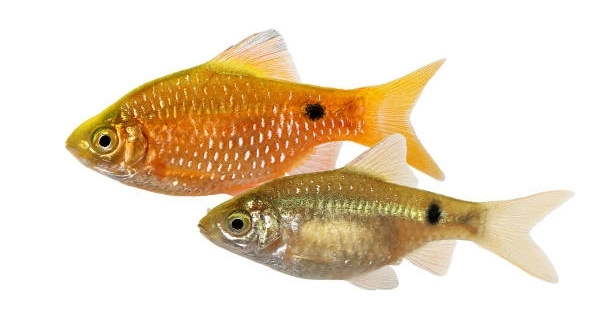
Have you ever watched your rosy barbs swimming and noticed how they constantly trail behind one another in a steady stream?
Rosy barbs often follow each other due to their natural schooling behavior, which promotes safety, reduces stress, and enhances social bonding. This behavior is deeply rooted in their instincts as a way to avoid predators and maintain group cohesion.
There’s more to this pattern than simple movement—social structure, environment, and natural instincts all play a role in this behavior.
Why Rosy Barbs Move in Groups
Rosy barbs are natural schoolers, meaning they thrive when kept in groups. This behavior helps them feel safe, lowers their stress, and encourages more active swimming. In the wild, staying in groups protects them from predators, as the coordinated movement makes it harder for predators to target a single fish. This instinct continues in aquariums, where rosy barbs will often follow one another closely. It’s not just about survival—it also keeps them mentally and physically stimulated. They enjoy interaction and rely on their group to regulate behavior. When kept alone or in small numbers, rosy barbs may become shy, stressed, or even aggressive. Following each other provides comfort, structure, and natural stimulation.
Following behavior is also a sign of harmony in their environment. If the group moves well together, it’s a good sign your tank conditions are meeting their needs.
To support their group behavior, it’s important to keep at least five to six rosy barbs together. Smaller numbers can lead to stress and abnormal behavior. Also, make sure they have enough space to swim freely. Overcrowding can lead to tension, while too much empty space may cause them to feel insecure. A balanced tank setup promotes natural, healthy movement.
The Role of Hierarchy and Personality
Rosy barbs, like many schooling fish, sometimes develop subtle hierarchies within their group. These small dynamics can influence who leads and who follows.
In a well-established group, one or two fish may consistently lead the others during swimming patterns. This can happen due to slight differences in confidence, size, or energy levels. Leading doesn’t always mean dominance—it simply reflects a natural rhythm within the group. The following fish aren’t necessarily weaker; they may just prefer the comfort of the group’s flow. This behavior can shift daily or even hourly depending on mood, feeding, or changes in the environment.
Sometimes, individual personalities influence following behavior. Bolder rosy barbs may explore new areas, while others instinctively follow. This doesn’t mean they’re passive—it’s just part of their group dynamic. Watching them closely reveals their social flexibility. If tank conditions are ideal, you’ll notice a consistent yet fluid interaction between all members. Movement patterns become smoother, and interactions remain peaceful. Observing their behavior closely can help identify if one fish is becoming too aggressive or if another is feeling left out, signaling it may be time to adjust your tank setup or group size.
Environmental Triggers Behind the Behavior
Tank conditions can directly influence how often rosy barbs follow each other. Lighting, space, and water quality all play a role in how active and social they become throughout the day.
If the lighting is too dim or harsh, rosy barbs might group more tightly for comfort or security. In contrast, balanced lighting with gradual changes encourages natural swimming and spacing. Water quality is another key factor. Poor conditions can stress the fish, making them follow each other closely in response to discomfort or fear. Clean, stable water encourages relaxed movement. Temperature also matters—rosy barbs thrive best in stable conditions between 72°F and 82°F. If the tank is too small, they may have no choice but to stick together, which can cause stress over time. Giving them open space along with some plants helps balance their need for both group interaction and occasional separation.
Noise, sudden movement, or frequent tank disruptions may cause the group to tighten and move in a more reactive, synchronized way. This behavior can seem playful, but it’s often a sign they’re feeling unsettled. Keeping their environment calm and predictable supports natural swimming habits. Avoid tapping on the tank or moving decorations too often, as this can trigger unnecessary stress responses.
Feeding Patterns and Group Behavior
Feeding routines affect how rosy barbs interact. During feeding, they naturally gather and follow each other more closely.
They quickly learn when and where food appears, often forming a temporary feeding school. This habit reinforces group behavior and may continue after mealtime. If food is spread evenly, it reduces competition and supports a calmer group. Uneven feeding can cause chasing or nipping, especially among dominant fish. Feeding in multiple spots helps reduce tension and keeps the group peaceful.
Overfeeding or underfeeding can affect their energy levels and change how they move together. Well-fed rosy barbs tend to swim more steadily and show smoother following patterns. If they’re hungry, they may become more aggressive, darting and chasing each other around the tank. It’s best to feed them small portions twice a day, using a mix of floating and sinking foods to match their active nature. A predictable routine helps reduce stress and keeps their social behavior balanced.
Mating Behavior and Social Signals
During breeding periods, rosy barbs may follow each other more intensely. Males often chase females as part of their mating display, which can look like constant following.
This behavior is usually temporary and linked to changes in water temperature or breeding conditions. It helps stimulate spawning and is completely natural.
Recognizing Stress Through Movement
Unusual following patterns can sometimes signal stress. If one fish is constantly chased or separated, it may indicate aggression or poor tank balance. Look for torn fins, rapid breathing, or hiding. Address these issues by checking water quality, space, and group size to reduce tension and restore calm.
When to Adjust Group Size
Too few rosy barbs can increase stress and aggression, while overcrowding limits space. If behavior seems off, adjusting the group size may help improve harmony and restore balanced movement.
FAQ
Why do rosy barbs always swim together?
Rosy barbs naturally form schools as a defense mechanism and social behavior. Swimming in groups reduces stress and helps them feel safer. It also allows them to communicate and coordinate movements, making it harder for predators to target a single fish. This instinct remains even in a tank environment, so they prefer to stick close.
Is it normal for rosy barbs to follow each other nonstop?
Yes, constant following is normal schooling behavior. It helps maintain group cohesion and balance within the tank. However, if the behavior becomes frantic or aggressive, it could signal stress or overcrowding. Watching their overall health and tank conditions will help determine if this is a normal pattern.
How many rosy barbs should I keep together?
It’s best to keep at least five to six rosy barbs together. Smaller groups may cause stress and cause them to behave shyly or aggressively. Larger groups help maintain natural social dynamics, but overcrowding should be avoided to prevent territorial disputes and stress.
Can tank size affect how much rosy barbs follow each other?
Absolutely. A tank that is too small forces rosy barbs into close proximity, making them seem to follow constantly. Ideally, a tank should be at least 30 gallons for a small group to give them enough space to swim freely without feeling crowded.
Does water quality affect rosy barbs’ following behavior?
Poor water quality can increase stress, causing rosy barbs to stick together more tightly as a protective response. Clean, stable water with regular changes helps them swim more naturally and reduces stress-related behaviors.
Why do some rosy barbs lead while others follow?
Within the group, certain individuals naturally take the lead based on confidence, size, or energy levels. This leadership can change over time. Following isn’t about weakness but about group harmony and safety.
Is aggressive following a sign of bullying?
Sometimes, yes. If one fish constantly chases or nips others, it could be aggression rather than normal schooling. Adjusting group size, tank layout, or separating aggressive fish can help restore balance.
How does feeding influence following behavior?
During feeding, rosy barbs gather closely, often following one another to reach food. Feeding in multiple spots helps reduce competition and keeps the group calm. Overfeeding or inconsistent feeding may increase aggressive chasing.
Do rosy barbs follow more during breeding?
Males chase females closely during breeding seasons, which increases following behavior temporarily. This chasing is part of courtship and usually calms down after spawning.
Can environmental changes make rosy barbs follow more?
Yes. Sudden changes in lighting, noise, or tank arrangement can stress fish, causing tighter grouping and increased following as a comfort behavior. Keeping the environment stable helps maintain natural behavior.
How can I tell if following behavior is normal or a problem?
Normal following is smooth and calm, with fish swimming in a coordinated way. Problematic following is frantic, aggressive, or paired with hiding and physical damage. Monitoring their behavior and tank conditions helps identify issues early.
What should I do if rosy barbs seem stressed?
Check water quality, tank size, group size, and feeding routines. Making small adjustments like improving filtration, adding plants, or increasing group numbers can reduce stress and improve behavior.
Is it okay to keep rosy barbs with other fish?
Rosy barbs are generally peaceful but can be semi-aggressive, especially during breeding. They do well with other active, similarly sized fish that can tolerate their schooling behavior. Avoid slow or delicate species that may be stressed by chasing.
How important is tank decoration for rosy barb behavior?
Plants and decorations provide hiding spots and break lines of sight, helping reduce aggression and giving shy fish space. This encourages natural movement and prevents constant following driven by insecurity.
Can temperature fluctuations affect their social behavior?
Yes. Rosy barbs prefer stable temperatures between 72°F and 82°F. Fluctuations can cause stress, which may increase grouping and following behaviors as a protective response. Maintaining steady conditions is important.
How long does schooling behavior last in rosy barbs?
Schooling is a lifelong behavior for rosy barbs. They naturally swim in groups from young age through adulthood. Changes in schooling behavior often indicate changes in health or environment rather than natural development.
Final thoughts on why rosy barbs follow each other constantly bring together several important ideas about their natural behavior and needs. These fish are naturally social and feel safest when swimming in groups. Their following behavior is deeply rooted in instincts that help them survive in the wild by confusing predators and maintaining group cohesion. In a home aquarium, this behavior continues as a sign of comfort and social interaction. Understanding that this following is a natural, healthy sign can help fish owners feel more confident about their tank setup and the wellbeing of their rosy barbs.
It is important to consider the environment when caring for rosy barbs. Tank size, water quality, lighting, and feeding all influence how they behave and interact. When conditions are ideal, rosy barbs swim naturally in groups without signs of stress or aggression. Overcrowded or poor-quality tanks can increase tension and cause unusual or frantic following. Careful attention to their living space and routine helps keep their social behavior balanced and peaceful. A clean, well-maintained tank with enough space allows them to express their natural schooling without feeling forced or threatened.
Lastly, watching rosy barbs follow each other can be a rewarding experience, as it reveals their social structure and personalities. Each fish has its own role in the group, sometimes leading, sometimes following, and this dynamic can change over time. Being aware of these patterns can help identify when something is off, such as signs of stress or aggression. Adjusting group size, tank layout, or feeding habits can restore harmony. Keeping rosy barbs in a healthy environment promotes their natural behavior and ensures they stay active, happy, and vibrant for years to come.

Hello,
If you enjoy the content that we create, please consider saying a "Thank You!" by leaving a tip.
Every little bit helps us continue crafting quality advice that supports the health, happiness, and well-being of pets around the world, for pets of all shapes, sizes, and species.
We really appreciate the kindness and support that you show us!