
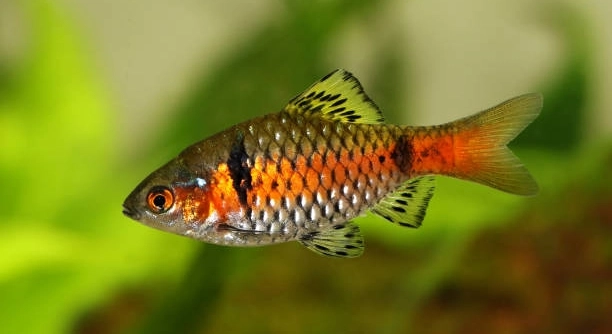
Rosy barbs are lively fish that bring color and movement to freshwater tanks. They are known for their energetic behavior and curious nature. Their activity can sometimes challenge the limits of a typical aquarium setup.
Rosy barbs test tank boundaries in several ways, including jumping out of the tank, rearranging decorations, pushing tank mates, and creating strong water currents. These behaviors require careful tank design and monitoring to maintain a stable environment.
Understanding how these behaviors affect your aquarium can help maintain harmony and keep your rosy barbs healthy and happy. This article highlights seven common ways they push their limits.
Jumping Out of the Tank
Rosy barbs are natural jumpers. Sometimes, they leap over the tank’s edge, especially if the water feels crowded or uncomfortable. A poorly covered tank or sudden noises can also cause them to jump. This behavior can be stressful and dangerous for the fish, leading to injuries or even death outside the water. To keep them safe, it’s important to use a secure lid or cover that fits tightly. Also, maintaining good water quality and avoiding sudden disturbances helps reduce their urge to jump. Watching their behavior closely can alert you if something is wrong in their environment. Many owners find that adding plants or hiding spots lowers their anxiety, keeping them calmer and less likely to jump. Rosy barbs need a stable, comfortable home to thrive, and a secure tank is the first step in protecting them from harm.
Jumping is a clear sign that your tank setup might need improvement or extra security.
Offering a well-covered tank and enriching the environment reduces escape attempts and keeps your barbs safer.
Rearranging Decorations and Plants
Rosy barbs often push or move objects in the tank as they explore and establish their territory. They are active swimmers, and their curiosity leads them to shift gravel, plants, and decorations. This behavior can disrupt the tank’s design and sometimes uproot delicate plants or break fragile decorations. While it’s normal for them to be busy, it also means you need to choose sturdy plants and heavy decorations. Using artificial plants or those with strong roots helps prevent damage. Regular tank maintenance might be necessary to fix any disruptions they cause. It’s also important to monitor how their rearranging affects other fish, as it can cause stress or territorial disputes. Providing enough space and hiding places can reduce their need to move things around. Overall, this behavior shows their lively nature but requires careful planning to manage.
Understanding how your rosy barbs interact with their environment helps keep the tank balanced and peaceful.
Pushing Tank Mates
Rosy barbs can be quite bold and sometimes push other fish around. This behavior may cause stress or injuries, especially to smaller or less active tank mates.
This pushing often happens when barbs establish dominance or compete for space and food. Their active swimming style means they often bump into others, which can lead to tension in the tank. To reduce conflicts, it’s important to provide plenty of hiding spots and space. Keeping the tank well-stocked with plants and decorations can help fish avoid constant contact. It’s also useful to choose tank mates that can handle a bit of rough play or match the barbs’ energy level.
Monitoring interactions regularly helps you notice if any fish are being bullied or stressed. If pushing gets too aggressive, consider rearranging the tank or separating the more vulnerable fish to protect their well-being.
Creating Strong Water Currents
Rosy barbs are fast swimmers that can generate strong currents with their movements. This can affect plants, decorations, and other tank inhabitants.
Strong water movement from their activity can disturb delicate plants or lightweight decorations, sometimes uprooting them or causing debris to float around. Other fish that prefer calmer water may become stressed or hide more often. To balance this, using heavier decorations and choosing hardy plant species can help maintain the tank’s structure. It’s also important to consider the tank size—larger tanks offer more space for barbs to swim freely without creating overwhelming currents. Adding plants or structures in key places slows down water flow, protecting more fragile areas.
By adjusting the layout and choosing appropriate plants, you can create a stable environment that accommodates their energetic swimming style without disrupting the tank’s balance.
Jumping Behavior and Tank Covers
Rosy barbs are known to jump, so a tight-fitting lid is essential. Without one, they risk injury or escape.
Covering the tank securely prevents accidents and keeps your fish safe. Make sure the lid has no gaps to stop their quick leaps out of the water.
Tank Size and Space Needs
Rosy barbs need plenty of space to swim actively. A cramped tank increases stress and aggressive behavior. Providing a larger tank reduces boundary testing and keeps them healthier overall.
Territorial Behavior
Rosy barbs can show territorial traits, especially in smaller tanks. They often claim certain spots, which can cause conflicts with other fish.
How can I prevent my rosy barbs from jumping out of the tank?
The best way to prevent jumping is to use a secure lid or cover that fits tightly on your aquarium. Rosy barbs can leap surprisingly high, so any gaps can be an escape route. Additionally, keeping the water conditions stable and stress-free helps. Avoid sudden loud noises or rapid movements near the tank, as these can startle them. Providing plants and hiding spots also makes them feel safer and less likely to try to escape.
What tank size is ideal for rosy barbs?
A minimum tank size of 30 gallons is recommended for a small group of rosy barbs. They are active swimmers and need plenty of space to move around. A larger tank reduces stress and aggressive behaviors by giving each fish room to establish its own area. Crowded or small tanks tend to make them push boundaries more often, which can lead to injuries or conflicts.
Can rosy barbs live with other fish peacefully?
Yes, rosy barbs can live with other fish but choosing compatible tank mates is important. They are semi-aggressive and fast swimmers, so slower or very small fish might get bullied. Ideal companions are other active species of similar size and temperament. Providing plenty of hiding spots and space helps reduce territorial disputes.
Why do rosy barbs rearrange plants and decorations?
Rosy barbs are naturally curious and like to explore their environment. Pushing plants and decorations is part of their behavior to check their surroundings and establish territory. They can uproot plants or move gravel unintentionally, especially if the objects are lightweight or loose. Using sturdy plants and heavier decorations minimizes this issue.
How do strong water currents affect my aquarium?
The fast swimming of rosy barbs creates noticeable water movement. This can disturb delicate plants and lightweight decor, making the tank look messy. Other fish that prefer calm water might get stressed by constant currents. Using robust plants and heavier decorations helps, as does arranging the tank to break up water flow.
What are signs that rosy barbs are stressing tank mates?
Signs include hiding, loss of appetite, torn fins, or unusual swimming patterns in other fish. If your tank mates appear nervous or injured, it could be due to bullying or excessive pushing by rosy barbs. Observing the interactions regularly allows early action, such as adding more hiding places or separating aggressive fish.
Is it normal for rosy barbs to be territorial?
Yes, especially in smaller tanks. Rosy barbs can claim certain areas and defend them from others. This territorial behavior may cause chasing or nudging. Providing enough space and places to retreat helps reduce conflicts. In larger tanks, territorial behavior usually decreases.
How often should I clean the tank if I have rosy barbs?
Regular maintenance is key to a healthy environment. Cleaning about 25-30% of the water weekly helps remove waste and prevent poor water quality, which can stress your fish. Rosy barbs are active and produce waste, so consistent cleaning keeps the tank balanced and comfortable for all inhabitants.
What do I do if a rosy barb injures another fish?
If you notice injuries, separate the affected fish to allow healing. Assess whether overcrowding or aggression is the cause and adjust tank setup or population accordingly. Adding more plants or decorations can provide hiding spots and reduce stress. Monitor the situation closely to prevent further harm.
Can rosy barbs live in a planted tank?
Yes, but choose hardy plants that can withstand some disturbance. Rosy barbs may uproot delicate plants while exploring. Artificial plants or species with strong roots work best. Proper planting techniques, like anchoring plants well, help maintain the tank’s appearance despite their activity.
Are rosy barbs suitable for beginners?
They can be, if proper care is provided. They require stable water conditions, enough space, and tank mates that can handle their active nature. Understanding their behaviors and tank needs helps avoid common problems, making them rewarding fish for those willing to maintain a suitable environment.
How do I calm aggressive behavior in rosy barbs?
Increasing tank size and adding more hiding places helps reduce aggression. Keeping them in groups of six or more disperses aggressive energy, as no single fish feels targeted. Feeding them well also lowers competition for food. If aggression persists, consider separating the most aggressive individuals.
What is the best diet for rosy barbs?
Rosy barbs eat a varied diet including flakes, pellets, and live or frozen foods like brine shrimp or bloodworms. A balanced diet keeps them healthy and energetic. Feeding small amounts twice a day prevents overfeeding, which can harm water quality and encourage aggressive behavior.
Can rosy barbs jump if the water quality is poor?
Yes, poor water quality causes stress and may trigger jumping as an escape response. Regular testing and maintenance keep water parameters stable. Avoid overcrowding and overfeeding, which can worsen water conditions. Healthy water reduces stress-related behaviors, including jumping.
Do rosy barbs need a specific water temperature?
Rosy barbs prefer temperatures between 64°F and 72°F (18°C–22°C). Keeping the water within this range ensures they stay active and healthy. Sudden changes in temperature can cause stress and increase boundary-testing behavior.
How do I introduce rosy barbs to a new tank?
Acclimate them slowly by floating the bag in the tank to match temperature, then gradually mixing tank water with the bag water before release. This reduces stress and helps them adjust to the new environment. Provide plenty of hiding places during their first days to make them feel secure.
When keeping rosy barbs, it’s important to understand their natural behaviors and how these affect the tank environment. They are active, curious fish that often test the limits of their space. This means they may jump out of the tank, rearrange decorations, push other fish, or create strong water currents. Recognizing these behaviors early helps prevent problems and keeps the tank balanced. Providing a secure lid, plenty of room, and suitable tank mates makes a big difference in how well they adapt to their home. It also protects the fish from injuries or stress caused by overcrowding or poor setup.
Setting up the tank thoughtfully can reduce many common issues caused by rosy barbs’ energetic nature. Choosing a larger tank with enough space for swimming allows them to behave naturally without feeling cramped. Using heavy decorations and hardy plants helps keep the environment stable despite their curiosity. Giving them plenty of hiding spots reduces territorial disputes and lowers stress for all the fish in the tank. Regular cleaning and monitoring water quality are also essential because clean water supports their health and reduces restless behavior. Watching your rosy barbs closely will let you see how they interact and respond to their surroundings, making it easier to adjust the tank as needed.
Overall, keeping rosy barbs requires some care and attention but can be very rewarding. Their bright colors and lively movements add beauty and interest to an aquarium. When you understand their behavior and needs, you can create a safe and comfortable home for them. This helps the fish stay healthy and happy while keeping the tank peaceful for all its residents. With a little patience and effort, rosy barbs can become a delightful part of your aquarium setup, showing off their energetic personality without causing too much trouble.

Hello,
If you enjoy the content that we create, please consider saying a "Thank You!" by leaving a tip.
Every little bit helps us continue crafting quality advice that supports the health, happiness, and well-being of pets around the world, for pets of all shapes, sizes, and species.
We really appreciate the kindness and support that you show us!