
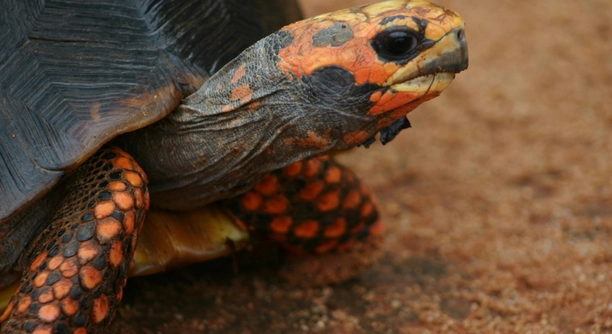
Are you wondering if red-footed tortoises can safely enjoy watermelon as a treat? Many pet owners want to offer their tortoises a variety of foods while ensuring their health and well-being. Understanding the effects of watermelon on their diet is important.
Red-footed tortoises can eat watermelon in moderation, but it should not be a staple in their diet. Watermelon is high in sugar and water, which can lead to digestive issues if consumed excessively. Offering small, occasional portions ensures a balanced and healthy diet.
Providing the right portions helps prevent dietary imbalances and potential health concerns. Learning more about their nutritional needs will help you make informed choices when feeding your red-footed tortoise.
Nutritional Benefits and Risks of Watermelon for Red-Footed Tortoises
Watermelon contains vitamins A and C, which support immune function and eye health in red-footed tortoises. Its high water content helps with hydration, especially in warm climates. However, watermelon is also high in sugar, which can disrupt their digestive system if given too frequently. Too much sugar may lead to diarrhea or an imbalance in gut bacteria. While the fruit itself is safe, the seeds and rind should be avoided to prevent choking hazards or digestive discomfort. Offering watermelon as an occasional treat ensures that your tortoise benefits from its nutrients without experiencing negative effects.
A small portion of watermelon once or twice a month is sufficient for red-footed tortoises. It should always be served in bite-sized pieces without seeds or rind. Pairing it with leafy greens and other vegetables helps maintain a balanced diet while preventing overconsumption of sugary foods.
Tortoises thrive on a diet rich in fibrous greens, vegetables, and occasional fruits. Too much fruit can cause digestive problems and encourage an unhealthy preference for sweet foods. Watermelon should complement their primary diet rather than replace essential food sources. Monitoring portion sizes and frequency allows your tortoise to enjoy watermelon safely without compromising overall health.
How to Serve Watermelon to Your Tortoise
Always remove the seeds and cut the watermelon into small, manageable pieces. This reduces the risk of choking and makes it easier for your tortoise to eat. Serve watermelon in moderation alongside a variety of leafy greens and fibrous vegetables.
A well-balanced diet should primarily consist of dark leafy greens, edible flowers, and calcium-rich vegetables. Fruits like watermelon should only make up a small percentage of their diet. When serving, offer a small portion and observe how your tortoise responds. If they show signs of loose stool or reduced appetite, reduce the frequency or portion size. Always ensure fresh water is available to support digestion.
Feeding watermelon as an occasional treat helps maintain variety in their diet while preventing excessive sugar intake. Mixing it with other safe foods allows your tortoise to enjoy different textures and flavors without disrupting their nutritional balance. Proper feeding practices contribute to their overall well-being, ensuring they receive essential nutrients without unnecessary risks.
Signs of Overfeeding Watermelon
Feeding too much watermelon can cause digestive discomfort in red-footed tortoises. Loose stool, decreased appetite, or bloating are common signs of overconsumption. If your tortoise shows any of these symptoms, reduce fruit intake and focus on fibrous greens to restore digestive balance.
Excess sugar from frequent watermelon consumption can disrupt gut bacteria, leading to long-term digestive issues. A tortoise that becomes too accustomed to sweet foods may start refusing essential fibrous vegetables. Over time, this can result in nutritional deficiencies, weight gain, or an imbalanced diet. If your tortoise is consuming too much fruit, gradually reduce portions and reintroduce healthier food options. Monitoring their eating habits ensures they maintain a well-rounded diet.
Limiting watermelon intake and ensuring a balanced diet helps prevent health problems. If your tortoise consistently experiences digestive issues, adjust their diet by incorporating more calcium-rich vegetables and high-fiber greens. Providing a variety of safe foods encourages natural foraging behavior and supports long-term health. Watching their stool consistency and overall energy levels can help determine if dietary changes are needed. Keeping track of portion sizes and feeding frequency ensures they receive proper nutrition without unnecessary risks.
Alternative Treats for Red-Footed Tortoises
Offering a variety of treats helps keep your tortoise’s diet balanced. Fruits like papaya, mango, and strawberries provide vitamins and minerals while remaining low in sugar when served in moderation. Leafy greens and edible flowers also make great nutritious options. Stick to natural, fresh foods without added sugars.
A healthy diet should focus on fiber-rich greens such as collard greens, dandelion leaves, and mustard greens. Edible flowers like hibiscus and nasturtium add variety and essential nutrients. Small amounts of fruits like bananas or berries can be offered occasionally, but they should never replace staple vegetables. Ensuring your tortoise receives a mix of food groups prevents dietary imbalances and supports a strong immune system.
Providing a range of foods keeps your tortoise engaged and healthy. Rotating different vegetables and occasional treats encourages natural foraging instincts and prevents dietary boredom. Always prioritize calcium-rich and fibrous foods while keeping fruit intake minimal. A well-balanced diet helps maintain a healthy digestive system, strong shell development, and optimal energy levels.
How Often Should You Feed Watermelon?
Watermelon should only be given as an occasional treat, no more than once or twice a month. Frequent feeding can lead to an unbalanced diet and digestive issues. Offering small portions ensures your tortoise enjoys the fruit without experiencing negative health effects.
Portion control is essential to prevent overconsumption. A few small bites are enough to provide hydration and nutrients without excessive sugar intake. Always pair watermelon with a variety of greens and vegetables to maintain a balanced diet. Observing your tortoise’s response helps determine the right frequency for their individual needs.
Best Ways to Introduce Watermelon
Introduce watermelon gradually to prevent digestive upset. Start with a small piece and observe how your tortoise reacts. If they tolerate it well, you can occasionally offer more. Ensure the fruit is fresh, free from seeds, and cut into manageable pieces to avoid choking hazards.
Final Considerations
Balancing fruit intake with fibrous greens is key to maintaining your tortoise’s health. Too much watermelon can cause digestive problems, so moderation is necessary. Sticking to a well-rounded diet ensures they receive the nutrients needed for growth, energy, and overall well-being.
FAQ
Can red-footed tortoises eat watermelon every day?
No, red-footed tortoises should not eat watermelon every day. Watermelon is high in water and sugar, which can cause digestive issues if fed too often. A small portion once or twice a month is ideal. Regularly feeding watermelon could lead to an imbalance in their diet, replacing the more nutritious leafy greens and vegetables they need for proper health.
Are watermelon seeds safe for red-footed tortoises?
No, watermelon seeds should be removed before offering watermelon to your tortoise. The seeds can present a choking hazard or cause digestive discomfort. Always cut the watermelon into small, seed-free pieces to ensure your tortoise can eat it safely. Even though the seeds aren’t toxic, it’s best to avoid them.
Can watermelon help hydrate red-footed tortoises?
Yes, watermelon can help hydrate red-footed tortoises due to its high water content. However, it should not be relied upon as the sole source of hydration. Fresh water should always be available, and watermelon should only be given as a supplement. Overreliance on watermelon for hydration can lead to an unbalanced diet.
What fruits are safe for red-footed tortoises?
Fruits like papaya, mango, strawberries, and blueberries can be safely offered in small amounts. These fruits provide beneficial vitamins, but they should only make up a small part of their diet. Too much fruit can upset the digestive system, so it’s essential to maintain balance with fibrous greens and vegetables.
Can watermelon cause diarrhea in red-footed tortoises?
Yes, too much watermelon can cause diarrhea in red-footed tortoises. Watermelon is high in sugar and water, which can overwhelm their digestive system if consumed in large amounts. If your tortoise experiences loose stools after eating watermelon, reduce the portion size and frequency, and monitor their health closely.
How can I tell if my tortoise has eaten too much watermelon?
If your tortoise has eaten too much watermelon, you may notice symptoms like diarrhea, bloating, or a lack of appetite. These are signs that their digestive system is overloaded. If these symptoms persist, stop feeding watermelon and return to a more balanced diet of greens and vegetables.
How should I prepare watermelon for my tortoise?
Watermelon should be cut into small, manageable pieces for your tortoise. Make sure to remove all seeds and the rind. Only serve the red flesh, as it is the safest part for consumption. You can also refrigerate the watermelon to serve it as a cool treat during hot weather, but always ensure it is fresh.
What should I do if my tortoise refuses watermelon?
If your tortoise refuses watermelon, don’t be concerned. Tortoises are unique in their food preferences, and some may simply not like the taste or texture of watermelon. Try offering other fruits or focus on providing a variety of greens, vegetables, and safe plants to meet their dietary needs.
Can watermelon be part of a balanced diet for red-footed tortoises?
Watermelon should not be a primary part of a red-footed tortoise’s diet. It can be offered as an occasional treat alongside more substantial food sources, such as leafy greens, dandelion leaves, and vegetables. Always ensure the majority of their diet consists of high-fiber, low-sugar foods to maintain overall health.
Are there any risks to feeding red-footed tortoises watermelon?
The main risks of feeding watermelon to red-footed tortoises include digestive upset, diarrhea, and an unbalanced diet if consumed in large quantities. Overfeeding watermelon can cause your tortoise to lose interest in their other necessary foods, potentially leading to nutritional deficiencies. Moderation is key.
Can watermelon be mixed with other fruits for my tortoise?
Yes, watermelon can be mixed with other safe fruits like berries, mango, or papaya for variety. However, the total amount of fruit offered should still be limited. Overfeeding fruits can lead to sugar overload, which can cause health issues such as diarrhea or an upset stomach.
How often should I feed my red-footed tortoise fruit?
Fruit should be fed sparingly, no more than once or twice a week. It should be treated as a treat rather than a staple part of their diet. The main focus should be on dark leafy greens, vegetables, and other fiber-rich foods to ensure a balanced and healthy diet.
Can watermelon replace a tortoise’s regular food?
No, watermelon cannot replace regular food for a red-footed tortoise. It should only serve as an occasional treat. Their primary diet should consist of high-fiber greens, calcium-rich vegetables, and safe plants that provide the necessary nutrients for their growth and health. Feeding watermelon too frequently can create imbalances.
Are there any signs that watermelon might not be agreeing with my tortoise?
If watermelon isn’t agreeing with your tortoise, you’ll notice signs such as diarrhea, lethargy, or refusal to eat other foods. If these symptoms appear, remove watermelon from their diet and stick to more suitable food like leafy greens. Consulting a vet may also be necessary if the symptoms persist.
What other treats are good for red-footed tortoises?
Other healthy treats include papaya, strawberries, raspberries, and hibiscus flowers. Leafy greens such as kale, mustard greens, and dandelion leaves are great for daily feeding. Tortoises enjoy variety, so offering occasional edible flowers or safe plants helps provide a nutritious and interesting diet.
Can watermelon be given to baby red-footed tortoises?
Watermelon is not ideal for baby red-footed tortoises. Their digestive systems are more sensitive, and they require a more specific balance of nutrients. It’s best to focus on appropriate leafy greens, vegetables, and high-calcium foods for their growth and health. Fruit can be introduced slowly as they mature.
How can I make watermelon more appealing to my tortoise?
If your tortoise seems uninterested in watermelon, try varying the size of the pieces or mixing it with their favorite leafy greens. You can also try serving it slightly chilled, which may make it more enticing, especially in warm weather. Be patient and adjust how you present the treat.
Should I stop feeding watermelon if my tortoise is overweight?
If your tortoise is overweight, it’s important to reduce the intake of high-sugar fruits like watermelon. Overweight tortoises are at risk for health problems such as shell deformities or joint issues. Focus on a diet high in fiber, with plenty of leafy greens and vegetables, to help manage their weight.
Final Thoughts
In conclusion, watermelon can be a tasty and hydrating treat for red-footed tortoises, but it should only be given in moderation. It’s important to remember that while watermelon is mostly water, it also contains a significant amount of sugar. Too much sugar can lead to digestive issues and can upset the balance of a tortoise’s diet. As such, watermelon should not be a regular part of their meals but can be offered as an occasional treat, once or twice a month, to prevent overconsumption.
It’s essential to pay attention to the overall diet of your red-footed tortoise. Their diet should primarily consist of high-fiber, nutrient-rich foods such as leafy greens and vegetables. These foods provide the necessary vitamins and minerals for their health. Fruits like watermelon should never replace these essential foods. If watermelon is given, always remove the seeds and serve the flesh in small, manageable pieces. This ensures your tortoise gets the hydration without the risks of choking or digestive problems.
By keeping these guidelines in mind, you can safely include watermelon in your red-footed tortoise’s diet. As with any pet care decision, moderation is key. Monitoring their health and diet regularly is the best way to ensure your tortoise stays happy and healthy. If you notice any signs of digestive upset, such as diarrhea or loss of appetite, it’s a good idea to adjust their diet and consult a veterinarian if necessary.

Hello,
If you enjoy the content that we create, please consider saying a "Thank You!" by leaving a tip.
Every little bit helps us continue crafting quality advice that supports the health, happiness, and well-being of pets around the world, for pets of all shapes, sizes, and species.
We really appreciate the kindness and support that you show us!