
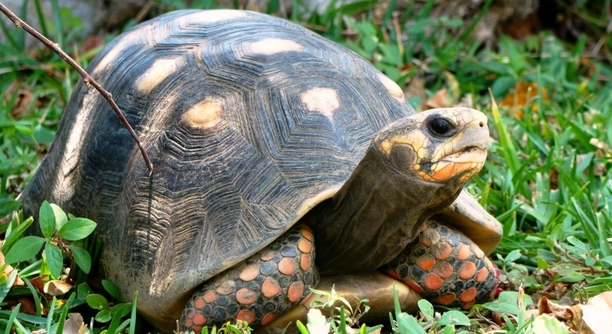
Red-footed tortoises are popular pets, but sometimes they refuse to drink water. This can cause concern for their health and well-being. Understanding the reasons behind this behavior can help you take the right steps to resolve the issue.
A red-footed tortoise that refuses to drink water may be experiencing stress, improper habitat conditions, or health issues. Ensuring the enclosure is the right temperature, humidity, and size can encourage proper hydration. Regularly cleaning their water dish also helps.
By addressing the root causes of dehydration, you can improve your tortoise’s water intake and overall health. Let’s explore simple fixes that will guide you in resolving this common problem.
1. Check the Temperature and Humidity
A red-footed tortoise’s environment plays a big role in its hydration. If the temperature or humidity isn’t right, your tortoise might avoid drinking water. These tortoises thrive in warm, humid conditions. If the enclosure is too dry or too cool, they may feel uncomfortable and stop drinking.
The ideal temperature range is 75-85°F during the day, with a slight drop at night. Humidity should be maintained between 60% and 80%. If these conditions are not met, your tortoise may feel stressed, leading to a reduced water intake.
To fix this, you can adjust the heating lamps or use a humidifier in the room. Always check that the basking spot is warm enough, as this encourages your tortoise to stay active and hydrated.
2. Water Dish Placement and Cleanliness
The placement of your tortoise’s water dish can also affect their willingness to drink. If the dish is too deep or in a hard-to-reach spot, your tortoise may avoid it. A shallow, wide dish is ideal. This allows the tortoise to easily drink without feeling vulnerable.
Cleanliness is just as important. Dirty water can discourage your tortoise from drinking, as it may associate the water with unpleasant smells or tastes. Regularly changing the water and cleaning the dish will ensure your tortoise has access to fresh, clean water at all times.
Ensure the water dish is placed in an easily accessible area where your tortoise feels comfortable drinking. This may encourage them to drink more often and stay hydrated.
3. Offer Water in Different Forms
Sometimes, a tortoise may prefer drinking water from different sources. You can try offering water in a shallow dish, but also consider using a spray bottle to mist their enclosure. This helps maintain humidity while giving them a chance to drink droplets directly.
Some red-footed tortoises enjoy licking water droplets off the leaves or rocks in their habitat. By spraying the enclosure lightly, you mimic the natural environment where they drink from dew. This can encourage them to hydrate more regularly.
You might also try soaking your tortoise in a shallow bowl of warm water for about 10-15 minutes. This allows them to absorb water through their skin, especially if they’re reluctant to drink from the dish.
4. Check for Health Issues
If your tortoise still refuses to drink, there may be an underlying health issue. Problems like kidney disease, dehydration, or even stress can make them avoid drinking. When a tortoise refuses water for a long period, it’s important to seek professional advice from a vet.
A veterinary check-up will help rule out any medical conditions that could be contributing to the lack of water intake. Dehydration can be a serious issue for red-footed tortoises, and if left untreated, it can lead to more severe health problems. Keep an eye on other signs like lethargy or loss of appetite.
It’s best to act quickly if you notice any unusual behavior. A vet can help guide you through the necessary steps to ensure your tortoise remains healthy and hydrated.
5. Provide a Balanced Diet
A well-balanced diet can also encourage your tortoise to drink more. Fresh vegetables, fruits, and leafy greens have a high water content, which can help with hydration. Offering a variety of foods ensures your tortoise gets the nutrients it needs and stays hydrated.
Incorporating foods like cucumber, watermelon, and leafy greens like kale or collard greens helps supplement their water intake. These foods can also make your tortoise feel more comfortable in their habitat, as they’re naturally hydrating. Avoid feeding too much fruit, as it can be high in sugar and unbalanced.
A nutritious diet paired with proper hydration will help your tortoise thrive. Keep offering fresh, hydrating food daily, and it will help increase their water intake.
6. Avoid Stressful Environments
Stress can make it harder for your tortoise to stay hydrated. If their environment is noisy, too busy, or not spacious enough, it can cause anxiety. Creating a calm, quiet, and secure environment is essential for your tortoise’s health.
Try placing their enclosure in a low-traffic area where they won’t be disturbed. Ensure the tank has enough room for them to move comfortably. A lack of space can stress your tortoise, which might lead to a reduced desire to drink. Reducing stress improves their overall health and encourages hydration.
7. Maintain Proper Lighting
Proper lighting is crucial for a red-footed tortoise’s well-being. These tortoises need UVB lighting to produce vitamin D3, which helps in calcium absorption and promotes healthy hydration. Without adequate lighting, they may not feel encouraged to drink water.
Ensure you’re using UVB bulbs that cover the entire enclosure, and replace them regularly. This will help simulate natural sunlight and create a healthy environment for your tortoise. Proper lighting will not only boost hydration but also keep your tortoise active and healthy.
FAQ
Why is my red-footed tortoise not drinking water?
A red-footed tortoise may avoid drinking water due to several reasons. The most common causes include stress, improper habitat conditions, or health issues. If the temperature or humidity in their enclosure is off, they might not feel comfortable enough to drink. It’s important to make sure their environment is warm, humid, and spacious. Additionally, offering water in different forms, such as misting the enclosure or soaking the tortoise in water, can encourage hydration. If these changes don’t help, a visit to the vet may be necessary to rule out any health problems.
What temperature should I keep my red-footed tortoise’s enclosure?
Red-footed tortoises thrive in temperatures between 75°F and 85°F during the day. At night, the temperature can drop to around 70°F. A consistent, comfortable temperature is essential for their health. If the environment is too cold or too hot, they may avoid drinking water, as they won’t feel relaxed enough. Proper temperature regulation helps with digestion, metabolism, and hydration.
How can I make sure my tortoise is staying hydrated?
The best way to ensure hydration is by maintaining the right environmental conditions. Keep the humidity level between 60% and 80% and make sure the water dish is always clean and easily accessible. In addition, providing hydrating foods like watermelon, cucumbers, and leafy greens can help supplement water intake. Misting the enclosure with water or soaking the tortoise in a shallow bowl of warm water for 10-15 minutes can also encourage them to hydrate.
Should I be worried if my tortoise doesn’t drink for a day or two?
Occasional periods without drinking aren’t typically a cause for concern, especially if your tortoise has access to proper humidity and hydrating foods. However, if the lack of drinking continues for more than a couple of days, or if your tortoise shows signs of lethargy, loss of appetite, or other unusual behavior, it’s important to consult a vet. Dehydration in tortoises can quickly lead to health issues, so it’s better to seek professional advice if you’re unsure.
Can I give my tortoise tap water?
In most cases, tap water is fine for your red-footed tortoise as long as it doesn’t contain high levels of chlorine or other chemicals. However, it’s always a good idea to let tap water sit for 24 hours to allow the chlorine to dissipate. Alternatively, you can use filtered or dechlorinated water to ensure it’s safe. Regularly changing the water and keeping the dish clean is key to encouraging your tortoise to drink.
How often should I change the water in my tortoise’s dish?
You should change the water daily to ensure it remains clean and free from debris. Dirty water can discourage your tortoise from drinking, so regular cleaning is important. Rinse the water dish with warm water to remove any dirt or waste, and refill it with fresh water. Keeping the dish clean and positioned in an easily accessible location will encourage your tortoise to hydrate.
What kind of lighting does my red-footed tortoise need?
UVB lighting is essential for red-footed tortoises, as it helps them produce vitamin D3, which is necessary for calcium absorption and overall health. Ensure the enclosure has a proper UVB bulb that covers the entire habitat. The light should be replaced every 6-12 months, as its effectiveness decreases over time. Additionally, a heat lamp should be used to create a basking spot that’s warm enough for your tortoise.
Can a red-footed tortoise go without water for a long time?
Red-footed tortoises cannot go without water for extended periods. While they can survive for short stretches without drinking, dehydration can quickly lead to health issues such as kidney problems, digestive issues, and weakness. It’s essential to ensure that your tortoise always has access to fresh water and that they are properly hydrated. If you notice signs of dehydration, such as sunken eyes or a dry, flaky shell, immediate attention is necessary.
What should I do if my tortoise seems stressed and isn’t drinking?
Stress is a common reason why tortoises stop drinking water. If your tortoise is stressed, make sure their enclosure is in a quiet, low-traffic area and that it’s spacious enough for them to move around. Avoid handling them too much, as this can add to their stress. Creating a calm and secure environment will help your tortoise feel comfortable enough to drink. Additionally, check the temperature and humidity levels to ensure they’re within the appropriate range.
Can I feed my tortoise fruits and vegetables to help with hydration?
Yes, feeding your tortoise hydrating foods is an excellent way to ensure they get enough water. Fruits like watermelon, strawberries, and cantaloupe have high water content and can help supplement their hydration. Vegetables like cucumber, lettuce, and leafy greens are also good options. However, keep in mind that fruits should be fed in moderation due to their sugar content. A balanced diet of hydrating foods will encourage your tortoise to stay hydrated.
How do I know if my tortoise is dehydrated?
Signs of dehydration in a tortoise include sunken eyes, dry or wrinkled skin, a dry shell, and lethargy. If you notice these symptoms, it’s important to take action immediately. You can try soaking your tortoise in shallow warm water to help them absorb moisture through their skin. If the symptoms persist, seek advice from a veterinarian as dehydration can be a serious health issue.
Final Thoughts
When caring for a red-footed tortoise, it’s important to remember that hydration plays a vital role in its overall health. Dehydration can lead to serious health issues such as kidney problems and digestive issues. Therefore, ensuring that your tortoise has constant access to fresh, clean water is essential. Maintaining a stable environment with proper humidity, temperature, and UVB lighting will make your tortoise feel more comfortable, which in turn encourages hydration. When these basic care factors are met, your tortoise will be more likely to drink water and stay healthy.
If your tortoise is not drinking, try adjusting its environment. Check the humidity and temperature to make sure they are within the optimal range. You can also encourage drinking by offering water in different ways, such as soaking your tortoise in a shallow dish or misting the enclosure. Some tortoises are more likely to drink when they are offered water directly in their habitat. Additionally, feeding hydrating foods like watermelon or cucumber can help with hydration. These small changes can make a big difference in your tortoise’s behavior.
In some cases, if your tortoise’s hydration problem persists despite changes in its environment and diet, it may be a sign of a health issue. Dehydration can be a symptom of underlying problems that need professional attention. It’s always a good idea to consult with a veterinarian if you’re concerned. Regular check-ups can help ensure that your tortoise is not suffering from any illnesses. By paying attention to your tortoise’s needs and making necessary adjustments, you can provide a better quality of life for your pet and help it stay hydrated and healthy.

Hello,
If you enjoy the content that we create, please consider saying a "Thank You!" by leaving a tip.
Every little bit helps us continue crafting quality advice that supports the health, happiness, and well-being of pets around the world, for pets of all shapes, sizes, and species.
We really appreciate the kindness and support that you show us!