
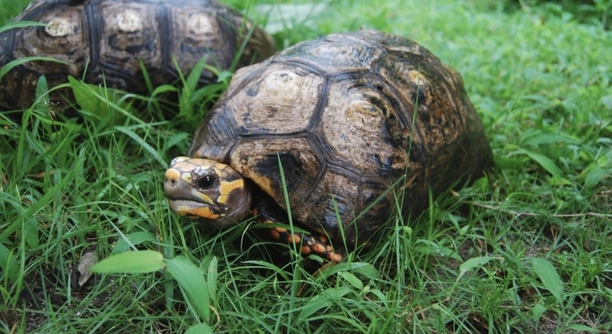
Is your red-footed tortoise showing signs of respiratory distress, such as wheezing or nasal discharge? These issues can be concerning and may indicate underlying health problems. Preventative care is essential to maintaining your tortoise’s respiratory health and overall well-being.
Maintaining proper humidity levels, providing a clean habitat, and ensuring a well-balanced diet are crucial in preventing respiratory issues in red-footed tortoises. Exposure to cold temperatures, poor ventilation, and inadequate hydration can weaken their immune system, making them more susceptible to infections.
A proactive approach to husbandry can significantly reduce the risk of respiratory problems. Learning the best practices for habitat maintenance and diet will help ensure your tortoise remains healthy and active for years to come.
Maintain Proper Humidity Levels
Red-footed tortoises thrive in environments with humidity levels between 70% and 80%. Dry conditions can lead to respiratory problems, while excessive moisture can encourage bacterial growth. Using a hygrometer helps monitor humidity levels accurately. Misting the enclosure and providing a damp hide can help maintain the right balance. A substrate that holds moisture, such as coconut coir or cypress mulch, can also aid in regulating humidity. Keeping water dishes shallow prevents excessive dampness while still allowing hydration. Ensuring proper humidity levels reduces stress on your tortoise’s respiratory system and supports overall health.
A well-maintained habitat prevents common health issues. Inconsistent humidity can weaken the immune system, making respiratory infections more likely. Regular checks help keep conditions stable.
Temperature and ventilation also impact humidity. Enclosures should have good airflow to prevent stagnant air. Proper placement of heating elements ensures warmth without drying out the environment. Balanced conditions promote a healthier tortoise.
Keep the Enclosure Clean
A dirty habitat can expose your tortoise to harmful bacteria, leading to respiratory problems. Regularly removing waste, uneaten food, and soiled bedding minimizes the risk of infection. Spot cleaning daily and doing a deep clean every few weeks helps maintain a safe environment.
Enclosure hygiene is essential for preventing respiratory infections. Bacteria and mold can develop in damp, unclean areas, making your tortoise more susceptible to illness. Using reptile-safe disinfectants and ensuring the enclosure dries thoroughly after cleaning helps control bacterial growth. Proper substrate choices, such as cypress mulch or orchid bark, reduce mold risks.
Good airflow plays a role in enclosure cleanliness. Stale air can trap bacteria and irritants, affecting your tortoise’s respiratory health. Ensuring the enclosure is well-ventilated helps maintain fresh air circulation. A clean habitat combined with proper humidity and temperature levels creates a healthier living space, reducing the risk of respiratory issues.
Provide a Balanced Diet
A healthy diet strengthens your tortoise’s immune system, reducing the risk of respiratory infections. Leafy greens, fruits, and calcium-rich foods support overall health. Avoid feeding excessive protein, as it can cause metabolic issues. Fresh water should always be available to keep your tortoise hydrated.
Nutritional deficiencies weaken your tortoise’s ability to fight infections. Dark leafy greens like collard greens and dandelion leaves provide essential vitamins. Fruits should be given in moderation to prevent digestive issues. Calcium supplements, especially with vitamin D3, help maintain strong bones and support lung function. A varied diet ensures proper nutrition.
Processed foods and high-protein diets can contribute to health problems. Avoid feeding dog or cat food, as it contains too much protein. Overfeeding fruit can lead to excess sugar intake, weakening the immune system. Providing a well-rounded diet with the right nutrients helps your tortoise stay healthy and active.
Ensure Proper Temperature and Lighting
Red-footed tortoises need a stable temperature range to stay healthy. The basking area should be around 90°F, while the cooler side should not drop below 75°F. Consistent temperatures help regulate metabolism and support immune function. UVB lighting is also necessary for proper calcium absorption and overall health.
A lack of warmth weakens the immune system, making respiratory infections more likely. A combination of heat lamps and ceramic heaters ensures a steady temperature. Nighttime temperatures should not drop too low, as cold conditions can cause stress. A digital thermometer helps monitor temperature levels accurately, preventing sudden fluctuations.
UVB lighting plays a key role in preventing health issues. Without it, tortoises struggle to absorb calcium, leading to weakened bones and a suppressed immune system. Bulbs should be replaced every six months to ensure effectiveness. Providing both heat and UVB light helps maintain a strong respiratory system and overall well-being.
Avoid Exposure to Cold Drafts
Cold drafts can cause sudden drops in temperature, leading to respiratory distress. Keeping the enclosure away from windows, doors, and air vents prevents exposure to chilly air. A stable, warm environment helps maintain your tortoise’s immune function and reduces the risk of respiratory infections.
Using insulated enclosures or covering part of the habitat at night can help maintain warmth. Sudden temperature changes weaken your tortoise’s ability to fight infections. Regularly checking for drafts around the enclosure ensures a consistent, safe climate. Preventing cold exposure is a simple but effective way to protect respiratory health.
Minimize Stress Levels
Stress weakens the immune system, making tortoises more vulnerable to respiratory issues. Frequent handling, loud noises, or changes in their environment can cause unnecessary stress. Keeping a predictable routine, providing hiding spots, and limiting disturbances help create a calm and secure habitat. Reducing stress supports long-term health.
Schedule Regular Vet Checkups
Routine vet visits help detect early signs of respiratory infections before they become severe. A veterinarian can assess your tortoise’s overall health, provide nutritional advice, and recommend necessary supplements. Preventative care plays an essential role in maintaining a strong immune system and ensuring your tortoise stays healthy.
FAQ
What are the common signs of respiratory issues in red-footed tortoises?
Signs of respiratory problems include wheezing, labored breathing, nasal discharge, lethargy, and lack of appetite. A tortoise with a respiratory infection may also stretch its neck frequently, open its mouth while breathing, or produce bubbling mucus from the nose. If left untreated, these symptoms can worsen and become life-threatening.
Can humidity levels affect my tortoise’s respiratory health?
Yes, improper humidity levels can contribute to respiratory problems. Red-footed tortoises need a humidity level between 70% and 80%. Too much moisture can lead to respiratory infections, while dry conditions can cause dehydration and breathing difficulties. Using a hygrometer to monitor humidity ensures a stable and healthy environment.
How often should I clean my tortoise’s enclosure?
Spot cleaning should be done daily to remove waste and uneaten food. A deep clean, including substrate replacement and disinfecting surfaces, should be done every two to four weeks. Maintaining a clean environment prevents bacterial growth, which can contribute to respiratory infections and other health issues.
What type of substrate is best for preventing respiratory issues?
A mix of coconut coir, cypress mulch, or organic topsoil provides a safe and breathable substrate. Avoid dusty materials like sand or wood shavings, as they can cause respiratory irritation. The right substrate maintains proper humidity and reduces airborne particles that may lead to breathing difficulties.
Does handling my tortoise too much increase the risk of respiratory infections?
Frequent handling can cause stress, which weakens the immune system and increases the risk of infections. While occasional handling is fine, it is best to let your tortoise settle into its environment undisturbed. If handling is necessary, wash your hands before and after to prevent bacterial transfer.
Should I use a heat lamp at night to keep my tortoise warm?
A ceramic heat emitter is a better option for nighttime heating, as it provides warmth without disrupting the tortoise’s sleep cycle. Avoid using bright heat lamps at night, as they can interfere with natural rest patterns. Ensuring consistent warmth at night helps prevent respiratory problems.
Can respiratory infections be treated at home?
Mild cases may improve by adjusting temperature, humidity, and overall care. However, respiratory infections often require veterinary treatment, including antibiotics. Delaying professional care can worsen the condition, leading to severe complications. If symptoms persist or worsen, seeking veterinary assistance is essential for proper recovery.
What should I do if my tortoise refuses to eat?
Loss of appetite can be an early sign of respiratory issues. Check for other symptoms like nasal discharge or labored breathing. Ensure the enclosure is at the correct temperature and humidity. If your tortoise continues to refuse food, a vet visit is necessary to rule out serious health concerns.
Can vitamin deficiencies cause respiratory problems?
Yes, a lack of vitamin A can lead to respiratory issues by affecting mucus membrane function. Feeding vitamin A-rich foods such as carrots, sweet potatoes, and dark leafy greens supports lung health. Providing a well-balanced diet with essential nutrients helps prevent respiratory complications.
How long does it take for a tortoise to recover from a respiratory infection?
Recovery time varies depending on the severity of the infection and the treatment provided. Mild cases may improve within a few weeks with proper care, while severe infections may take longer. Following veterinary advice and maintaining optimal habitat conditions are crucial for a full recovery.
Final Thoughts
Preventing respiratory issues in red-footed tortoises requires a combination of proper habitat maintenance, balanced nutrition, and careful observation. Maintaining the right humidity and temperature levels is essential, as fluctuations can weaken the immune system and increase the risk of infections. Regularly cleaning the enclosure and choosing safe, dust-free substrate materials can also help reduce airborne irritants that may affect respiratory health. Providing a well-balanced diet with essential vitamins and nutrients further strengthens your tortoise’s immune system, allowing it to fight off potential infections more effectively. A proactive approach to care can prevent many common health issues before they become serious.
Early detection of respiratory problems plays a significant role in successful treatment. Recognizing symptoms like nasal discharge, wheezing, and loss of appetite allows for timely intervention, preventing complications. Adjusting environmental conditions, ensuring proper hydration, and seeking veterinary care when necessary are key steps in addressing respiratory concerns. Stress reduction is another important factor, as frequent handling or improper enclosure setup can weaken the immune system. Creating a stable and comfortable environment helps reduce the likelihood of respiratory infections and promotes long-term well-being.
Consistent monitoring and proper care ensure that red-footed tortoises remain healthy and active. Small adjustments in habitat conditions can make a significant difference in preventing respiratory issues and improving overall quality of life. Paying attention to signs of illness, maintaining hygiene, and providing a stress-free environment are all important aspects of tortoise care. While respiratory infections can be serious, they are often preventable with the right precautions. By staying informed and proactive, you can help your tortoise thrive and enjoy a long, healthy life.

Hello,
If you enjoy the content that we create, please consider saying a "Thank You!" by leaving a tip.
Every little bit helps us continue crafting quality advice that supports the health, happiness, and well-being of pets around the world, for pets of all shapes, sizes, and species.
We really appreciate the kindness and support that you show us!