
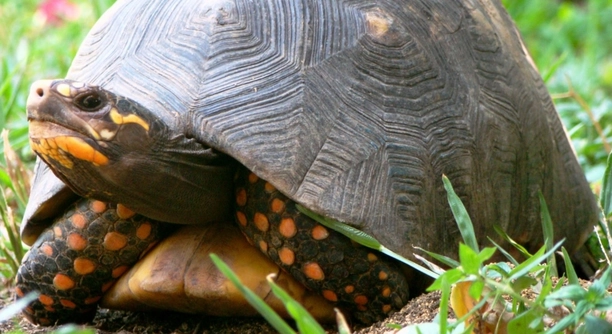
Red-footed tortoises are fascinating creatures with unique dietary needs. Their diet consists of a variety of foods, but it’s important to understand what is safe for them. In this article, we will explore the question of whether they can eat meat.
Red-footed tortoises are primarily herbivores but can consume some animal protein. They may eat small amounts of meat, such as insects, eggs, or carrion, but it should only be offered occasionally to avoid health issues.
Knowing the right balance of protein is crucial for maintaining your tortoise’s health. Let’s explore which protein sources are safe and beneficial for them.
Can Red-Footed Tortoises Eat Meat Regularly?
Red-footed tortoises are primarily herbivores, meaning they naturally eat plants like grasses, leaves, and fruits. However, they are opportunistic feeders and may consume animal protein in the wild when available. While it’s not their main source of nutrition, small amounts of animal matter, such as insects, worms, and even carrion, can supplement their diet. The occasional addition of animal protein can support their protein intake, but it is important not to overdo it. Too much meat can lead to health issues, such as kidney damage or obesity. It is best to limit animal protein to avoid disrupting their balanced diet.
Animal protein should only be given in small portions, no more than once a week. Red-footed tortoises can also be offered eggs, but these should be given sparingly as well. Overfeeding meat can affect their digestion and overall health.
Understanding the nutritional balance required by red-footed tortoises helps in creating a proper feeding schedule. Their primary nutrition should always come from plant-based sources. By providing a well-rounded diet, you can help your tortoise thrive in a healthy environment.
Safe Protein Sources for Red-Footed Tortoises
When adding protein to your tortoise’s diet, it’s important to choose safe and appropriate sources. Some common options include small insects like crickets, mealworms, or even worms. These provide a natural source of protein and are easy to digest. While eggs are a viable option, they should only be offered occasionally to avoid an imbalance in their diet.
It is essential to avoid high-fat animal proteins like beef or chicken. These are not suitable for red-footed tortoises and can lead to long-term health problems. Offering protein sources in moderation is key to ensuring your tortoise’s diet remains balanced and healthy. Always be sure to source high-quality, safe protein options from reputable suppliers to avoid the risk of harmful bacteria or parasites.
By carefully considering what you feed your tortoise, you help provide the nutrients they need while avoiding the risk of obesity, kidney problems, or other health concerns. Feeding a variety of plant-based foods, with occasional protein from safe animal sources, is the best way to maintain your tortoise’s health.
Can Red-Footed Tortoises Eat Fish?
Fish can be offered to red-footed tortoises, but it should be done with caution. Fish is rich in protein and fat, which could cause long-term health problems if overfed. It is essential to ensure that fish is not the primary part of their diet.
Red-footed tortoises in the wild occasionally eat small fish or aquatic animals. Offering them a small amount of fish once every couple of weeks may be beneficial, especially if they’re not getting enough protein from other sources. However, it’s important to make sure that the fish is safe, clean, and free from contaminants.
Excessive consumption of fish can lead to obesity and kidney strain due to its high-fat content. If you decide to feed them fish, make sure it’s well-cooked and free from bones. Offer fish occasionally, with a preference for insects or plant matter for their regular diet.
Are Red-Footed Tortoises Vegetarian?
Red-footed tortoises are mostly herbivores, but their diet can include some animal matter in small amounts. They are opportunistic feeders, meaning they will eat what is available to them, including insects, carrion, and eggs. However, their digestive system is primarily suited for plant material.
A red-footed tortoise’s diet should be mainly made up of leafy greens, fruits, and flowers. Offer a variety of vegetables like kale, collard greens, and dandelion leaves. These foods are rich in nutrients and provide the necessary fiber for proper digestion. It’s important to avoid feeding them high-protein animal products regularly.
While they can eat small amounts of animal matter, their nutritional needs are best met with a plant-based diet. Overfeeding protein can lead to digestive issues and health complications. Therefore, a vegetarian-based diet, with occasional small animal protein, is ideal for keeping your red-footed tortoise healthy.
How Much Animal Protein Should Red-Footed Tortoises Eat?
Red-footed tortoises should not eat large amounts of animal protein. A small portion once a week is sufficient to provide them with the necessary protein intake. Too much protein can cause kidney damage and other health issues.
Limit the amount of animal protein to avoid disrupting the tortoise’s digestive system. Offering protein-rich foods like insects, small fish, or eggs should only be an occasional treat. It’s best to keep their diet focused on plant-based foods to maintain a healthy balance.
A diet high in animal protein can lead to health problems such as obesity or kidney issues. Monitor their food intake and prioritize plant material to ensure they thrive.
Can Red-Footed Tortoises Eat Eggs?
Red-footed tortoises can eat eggs, but they should only be offered occasionally. Eggs provide a good source of protein, but they are rich in fats, which can cause health issues when overfed. A small amount every two weeks is ideal.
Boiled eggs are a better option than raw eggs since they pose less risk of bacterial contamination. When offering eggs, make sure to remove the shell for easier digestion. Always monitor the portion size to avoid any digestive distress or obesity.
Eggs can be a good treat for your tortoise, but moderation is key. A balanced diet will keep your tortoise happy and healthy.
Can Red-Footed Tortoises Eat Insects?
Red-footed tortoises can safely eat insects like crickets, mealworms, or superworms. These insects provide essential protein and can be a good supplement to their herbivorous diet. Insects should be offered in moderation to avoid an imbalance.
Too many insects could disrupt their digestive system and lead to health problems. You can offer insects once or twice a week, focusing on variety and moderation. Be sure to gut-load the insects before feeding them to ensure your tortoise gets the most nutritional value.
Insects should never be the main part of their diet. A diet focused on plant-based foods will ensure the tortoise remains healthy.
FAQ
Can red-footed tortoises eat meat every day?
Red-footed tortoises should not eat meat every day. A diet rich in animal protein can lead to kidney damage and obesity. Their diet should primarily consist of plant-based foods, with small portions of animal protein once a week. Offering meat too frequently can cause digestive problems and overall health issues. Stick to occasional treats like insects, eggs, or small fish to maintain a healthy diet balance.
Are there any meats red-footed tortoises can eat?
Red-footed tortoises can eat small amounts of lean meats such as insects, worms, and carrion. These protein sources are more natural for them. Fish and eggs can also be offered sparingly, but meats like beef, chicken, or pork should be avoided. These high-fat animal proteins are not suitable for tortoises and can lead to obesity and organ strain. Always ensure any animal protein given is clean, free from parasites, and properly cooked.
How much protein do red-footed tortoises need?
Red-footed tortoises do not require a large amount of animal protein in their diet. Their primary nutritional needs are met through plant-based foods. The occasional protein from insects, eggs, or fish should be provided in small amounts. A general guideline is to limit animal protein to once every week, ensuring that it doesn’t exceed 10% of their total diet. Overfeeding protein can cause kidney stress, so moderation is key.
Can red-footed tortoises eat fish or seafood?
Red-footed tortoises can eat fish or seafood but only in moderation. Fish, such as small minnows or shrimp, provide protein, but they should not make up a large portion of their diet. Too much seafood can cause an imbalance in their nutrition and lead to health problems. Offer fish once every few weeks as an occasional treat. Be sure to remove any bones to prevent choking and to cook the fish properly to avoid any harmful bacteria.
Can red-footed tortoises eat fruits and vegetables daily?
Yes, red-footed tortoises can eat fruits and vegetables daily. Their diet should consist mainly of a variety of leafy greens, flowers, and fruits. Vegetables like kale, dandelion greens, and hibiscus flowers are great choices. You can also feed them fruits like strawberries, mango, and papaya. However, be mindful of sugar content in fruits, offering them sparingly. Overfeeding fruits can lead to digestive issues and imbalance. Always ensure the fruits and vegetables are pesticide-free and thoroughly cleaned.
What animal protein sources are safe for red-footed tortoises?
Safe animal protein sources for red-footed tortoises include insects (such as crickets, mealworms, and waxworms), eggs, and occasionally fish. These protein sources mimic what they would encounter in the wild. Avoid offering high-fat meats such as chicken, pork, or beef. Stick to lean, natural sources of protein that won’t overwhelm their digestive system. A few pieces of insect protein or a small portion of egg once a week is sufficient for their dietary needs.
Can red-footed tortoises eat cooked chicken or beef?
No, red-footed tortoises should not eat cooked chicken, beef, or other fatty meats. These types of meat are not appropriate for their digestive systems and can lead to serious health issues, including obesity and kidney strain. Instead, focus on providing small amounts of insects or worms, which are more suited to their natural diet. These animals provide the right kind of protein without the risk associated with high-fat meat.
Can red-footed tortoises eat raw meat?
While red-footed tortoises might be able to consume small amounts of raw meat in the wild, it is not recommended to feed them raw meat. Raw meat can contain harmful bacteria or parasites that could make your tortoise sick. It’s safer to offer animal protein in the form of insects, eggs, or fish that have been properly cooked. Cooking meat also reduces the risk of any pathogens that could harm your tortoise.
Can red-footed tortoises eat eggshells?
Red-footed tortoises can eat eggshells, but it’s not necessary for their diet. In the wild, they may consume eggshells for extra calcium. If you choose to offer eggshells, make sure they are crushed into small pieces to prevent choking. Eggs should be cooked before feeding, and eggshells can be sprinkled on their food occasionally. However, it is important to ensure they are not the main source of calcium, as a balanced diet with leafy greens will also provide the necessary nutrients.
Can red-footed tortoises eat dog food?
No, red-footed tortoises should not eat dog food. Dog food is specifically formulated for canines, not reptiles, and contains ingredients that may not be digestible or healthy for tortoises. High levels of protein, fat, and additives found in dog food can cause digestive issues and health problems. Stick to natural, plant-based foods and occasional safe animal proteins for a balanced diet.
Can red-footed tortoises eat nuts?
Nuts are not a suitable food for red-footed tortoises. While nuts are high in protein and fats, they can be too rich for a tortoise’s diet and may cause obesity or digestive issues. The fat content in nuts is too high for them to process properly. Stick to a diet of vegetables, fruits, and occasionally insects for a healthier feeding routine. Avoid nuts altogether to maintain a balanced and healthy diet.
Final Thoughts
Red-footed tortoises are unique creatures with specific dietary needs that must be carefully considered to ensure their well-being. While they can eat small amounts of animal protein, their diet should mostly consist of plant-based foods. This includes leafy greens, flowers, and fruits, which are essential to provide the necessary nutrients they need to thrive. Offering too much meat or animal protein can cause health problems, such as kidney damage or obesity. Therefore, it is important to feed them a balanced diet that closely mirrors what they would naturally encounter in the wild.
Understanding what foods are safe and beneficial for red-footed tortoises is crucial for their long-term health. Protein, when provided in the right amounts, can support their growth and overall health, but it should not dominate their diet. Insects, worms, and eggs are safe protein sources, while high-fat meats like chicken or beef should be avoided. Providing the right variety of foods ensures they receive the vitamins and minerals required to stay healthy, without putting unnecessary strain on their organs. Always ensure any food offered is clean, free from chemicals, and appropriately prepared.
By paying attention to the types of foods you offer and sticking to a diet that aligns with their natural preferences, you can help your red-footed tortoise live a healthy and happy life. It’s important to remember that each tortoise may have slightly different needs depending on their age, size, and activity level. Always monitor their weight and overall health, and consult with a vet if you notice any signs of illness or dietary imbalance. A well-balanced diet, along with a proper habitat, can keep your red-footed tortoise thriving for many years.

Hello,
If you enjoy the content that we create, please consider saying a "Thank You!" by leaving a tip.
Every little bit helps us continue crafting quality advice that supports the health, happiness, and well-being of pets around the world, for pets of all shapes, sizes, and species.
We really appreciate the kindness and support that you show us!