
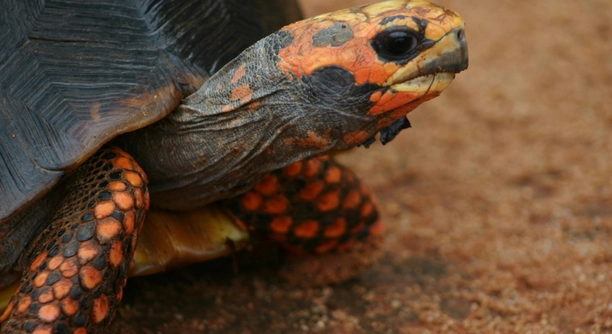
Red-footed tortoises require a carefully balanced diet for optimal growth and development. The right nutrition supports their health and well-being, helping them thrive in captivity. This guide highlights the best foods for these fascinating reptiles.
The best foods for red-footed tortoises include leafy greens, fruits, and certain vegetables. A diet rich in calcium, fiber, and essential nutrients promotes healthy growth, shell development, and longevity. Always aim for variety to ensure balanced nutrition.
With proper food choices, your tortoise will thrive and grow strong. Knowing what to feed them is a crucial step in their overall care and well-being.
Leafy Greens: A Vital Part of Their Diet
Leafy greens are essential for red-footed tortoises. They provide necessary vitamins and minerals, including calcium and magnesium, which support healthy shell growth and bone structure. Common options include dandelion greens, collard greens, and mustard greens. These greens are packed with fiber, which aids in digestion and overall gut health. A diet rich in greens helps to keep your tortoise hydrated and ensures they get the nutrients needed to stay healthy and active.
Leafy greens should make up a large portion of your tortoise’s diet. Fresh, organic greens are the best option, as they are free from pesticides and other chemicals.
Avoid feeding too much of any one type of green, as variety is important. Mixing different types of greens will ensure your tortoise gets a balanced intake of nutrients. Offering these greens every day will keep your tortoise well-nourished and help them grow properly.
Fruits: Adding Sweetness and Variety
Fruits like papaya, mango, and strawberries are favorites among red-footed tortoises. These fruits are high in vitamins, including vitamin C, which is essential for immune function and overall health. They also add a touch of sweetness to your tortoise’s diet, making mealtime more enjoyable.
While fruits should be offered regularly, they should not make up the bulk of the diet. Too much sugar can cause digestive issues and obesity. It is best to offer fruit a few times a week, ensuring it complements the rest of the diet rather than overpowering it.
Incorporating fruits into the diet helps provide variety, keeping your tortoise interested in their meals. By rotating different fruits, you can offer new flavors and textures. Fruits are also a great way to hydrate your tortoise, especially when fresh and juicy options are chosen.
Vegetables: A Nutrient-Rich Option
Vegetables like bell peppers, squash, and carrots are another important part of your tortoise’s diet. They provide essential vitamins like A and C, which contribute to their health and immune function. These vegetables also offer fiber, which supports digestion.
While offering vegetables, try to avoid starchy options like potatoes, which can lead to weight gain. Instead, focus on colorful vegetables, as they are packed with antioxidants and other vital nutrients. Rotating vegetables in the diet will provide variety and ensure your tortoise is getting a well-rounded nutrition profile.
Regularly feeding vegetables alongside leafy greens and fruits helps maintain a balanced diet for your tortoise. Fresh and organic options are always preferable, as they are free from harmful chemicals. You can also offer a mix of raw and steamed vegetables, making it easier for your tortoise to digest.
Protein Sources: Supporting Growth and Repair
Incorporating protein into your tortoise’s diet is important for muscle growth and tissue repair. Options like boiled eggs, lean meats, and small amounts of cooked beans can be included occasionally.
Providing protein helps support the development of strong muscles and aids in recovery after activity. However, protein should be offered sparingly, as too much can lead to kidney stress or other health issues. For optimal growth, include protein sources only a couple of times per week.
Offering protein in moderation ensures your tortoise has the energy and strength they need without compromising their overall health. Be sure to avoid offering large quantities of animal protein, as their diet should be primarily plant-based for long-term health.
Flowers: Safe and Beneficial Treats
Certain edible flowers, like hibiscus, dandelions, and nasturtiums, can be a great addition to your tortoise’s diet. These flowers are rich in vitamins and minerals, providing an extra boost of nutrients. They can also help with hydration.
Offering flowers is a great way to add variety and make meals more exciting for your tortoise. Be sure to choose pesticide-free flowers to avoid harmful chemicals. It’s best to grow them yourself or buy from a trusted source. These flowers can be fed in moderation alongside the rest of the diet.
Grasses: A Natural Option
Grasses like timothy hay or grass clippings are excellent for providing roughage, which helps with digestion. They also offer fiber and essential nutrients for overall health.
Offering a variety of grasses helps mimic your tortoise’s natural diet in the wild. Fresh, non-pesticide-treated grasses are best. Be cautious with lawn clippings, as they may contain harmful chemicals. Grasses are an important part of their fiber intake, ensuring proper digestion and overall wellness.
FAQ
What are the best foods for red-footed tortoises?
The best foods for red-footed tortoises are a combination of leafy greens, fruits, vegetables, flowers, and occasional protein sources. Offer a variety of greens like dandelion greens, collard greens, and mustard greens. Fruits such as papaya, mango, and strawberries can be included in moderation. Vegetables like bell peppers, squash, and carrots also contribute important nutrients. Protein sources like boiled eggs and lean meats should be offered sparingly. Always ensure that the foods are pesticide-free and fresh for optimal health.
Can red-footed tortoises eat fruit every day?
Fruit should be given to red-footed tortoises in moderation. While fruits provide essential vitamins and hydration, they are high in sugar and can cause digestive issues or obesity if fed in large amounts. Offering fruit 2-3 times a week is ideal. Always mix fruits with other foods, such as leafy greens and vegetables, to maintain a balanced diet.
How often should I feed my tortoise?
Young red-footed tortoises need to be fed daily, while adults can be fed every other day or 3-4 times a week. Their diet should include a mix of leafy greens, vegetables, fruits, and occasional protein. It’s important to monitor their weight and adjust their feeding schedule based on their activity level and health.
Are there any foods I should avoid feeding my tortoise?
Yes, some foods should be avoided due to their negative impact on a tortoise’s health. These include iceberg lettuce (which has no nutritional value), rhubarb, and foods high in oxalates like spinach and beet greens, as they can interfere with calcium absorption. Also, avoid feeding your tortoise high-fat or high-protein foods regularly.
How do I make sure my tortoise is getting enough calcium?
To ensure your tortoise gets enough calcium, you should provide calcium-rich foods like dandelion greens, collard greens, and calcium-fortified foods. You can also offer a calcium supplement, such as a cuttlefish bone or calcium powder, sprinkled on their food. This helps with proper shell development and overall health. Make sure to balance calcium with adequate levels of vitamin D3 for better absorption.
Can I feed my tortoise plants from my garden?
You can feed your tortoise certain plants from your garden, but you need to be cautious. Ensure that the plants are safe and free from pesticides or other chemicals. Common safe plants include dandelions, clover, and hibiscus. Avoid plants that are toxic to tortoises, such as azaleas, daffodils, and rhododendrons.
What vegetables are safe for my red-footed tortoise?
Safe vegetables for red-footed tortoises include bell peppers, squash, carrots, and sweet potatoes. These vegetables are rich in vitamins and fiber, which are essential for digestion and overall health. Make sure to chop or shred them into small, manageable pieces to make eating easier for your tortoise.
Can I feed my tortoise animal protein?
Yes, but animal protein should only be fed in moderation. Red-footed tortoises are primarily herbivores, so protein should make up a small portion of their diet. Offer boiled eggs, small amounts of cooked chicken or turkey, or insects like mealworms as occasional treats. Too much animal protein can cause kidney stress and other health issues.
How do I know if I’m overfeeding my tortoise?
Overfeeding can lead to obesity and other health problems in tortoises. You should monitor their weight regularly and watch for signs of excess fat around their limbs or shell. If your tortoise seems lethargic, has difficulty moving, or is showing signs of weight gain, reduce the amount of food offered. Consult a veterinarian for specific guidance if you’re unsure.
Is it okay to feed my tortoise cooked food?
Yes, you can feed your tortoise certain cooked foods, but they should be simple and free from seasonings or additives. Cooked vegetables like sweet potatoes or squash can be a good option. However, raw food is usually preferred as it maintains more of its natural nutrients. Avoid feeding your tortoise cooked foods high in fats or sugars.
Can I give my tortoise fruit from a can?
It’s better to avoid canned fruit, as it often contains added sugars or preservatives that aren’t healthy for your tortoise. Fresh fruit is always the best option. If you must use canned fruit, ensure it is packed in water with no added sugar or syrup. Always check the label before feeding it to your tortoise.
What are the signs of a poor diet in a tortoise?
Signs of a poor diet in a tortoise may include weight loss, a dull or soft shell, lack of appetite, or lethargy. If your tortoise seems weak or sluggish, it could be a result of malnutrition. Regular veterinary checkups are important to monitor their health and ensure they are getting the right nutrients.
How can I hydrate my red-footed tortoise?
Hydration is important for red-footed tortoises. Make sure they have access to clean, fresh water at all times. You can also provide water-rich foods like fruits and leafy greens to help keep them hydrated. Bathing your tortoise occasionally in shallow, warm water can also encourage drinking and help with hydration.
What is the best way to feed my red-footed tortoise?
It’s best to feed your red-footed tortoise fresh, organic foods and avoid offering them processed or pre-packaged items. Create a feeding schedule and offer a variety of foods to ensure a balanced diet. Feed them in a clean, safe space where they can eat without distractions. You should also provide a variety of textures and flavors to keep them interested in their meals.
Final Thoughts
A balanced diet is crucial for the growth and development of red-footed tortoises. By providing a variety of fresh, nutrient-rich foods, you can ensure your tortoise receives the necessary vitamins and minerals to thrive. Leafy greens, fruits, vegetables, and occasional protein sources should be included in their diet. It is important to avoid overfeeding and to be cautious about offering foods high in sugar or fat. A well-rounded diet can prevent health issues and improve the quality of life for your tortoise.
Feeding your red-footed tortoise the right foods can also help prevent common health problems like obesity, shell deformities, and digestive issues. Maintaining a routine feeding schedule and adjusting portions as needed can help keep your tortoise in good shape. Regularly monitor their weight and appearance to make sure they are not underweight or overweight. It is also helpful to provide supplements like calcium for stronger bones and shells. This will support their long-term health and development.
In conclusion, feeding your red-footed tortoise a mix of nutritious foods will ensure they grow and thrive. Pay attention to their dietary needs, and make adjustments based on their age, size, and activity levels. Be sure to offer fresh, pesticide-free foods, and avoid overfeeding or providing harmful items. With the right care and feeding habits, your red-footed tortoise will live a healthy and happy life.

Hello,
If you enjoy the content that we create, please consider saying a "Thank You!" by leaving a tip.
Every little bit helps us continue crafting quality advice that supports the health, happiness, and well-being of pets around the world, for pets of all shapes, sizes, and species.
We really appreciate the kindness and support that you show us!