
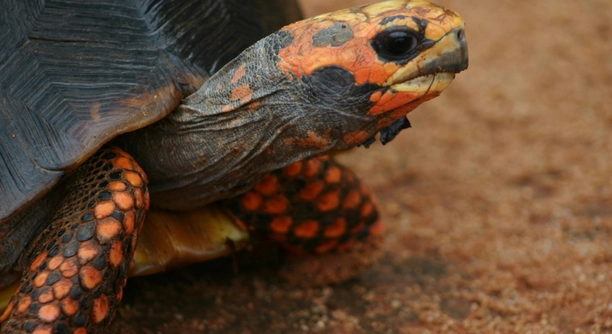
Red-footed tortoises are often seen as an appealing pet due to their unique appearance and relatively calm nature. However, these tortoises are not the ideal choice for beginners. New tortoise owners may face challenges in keeping them healthy and happy.
Red-footed tortoises have specific care requirements, including proper humidity, temperature, and diet. Their size, long lifespan, and complex needs can overwhelm those without experience in reptile care. Inexperienced owners may struggle to meet their needs.
Understanding the challenges of owning a red-footed tortoise is crucial before bringing one home. Preparing for their care will ensure a healthier, happier life for your tortoise.
Their Size and Space Needs
Red-footed tortoises require significant space to roam. As they grow, they can reach a length of 16-18 inches, making it essential to have a large enclosure. A small habitat will not only be restrictive but also stressful for them. This can lead to unhealthy behaviors and a shortened lifespan.
Due to their size, a spacious outdoor enclosure is ideal. An indoor setup, while possible, needs to be large and well-maintained. This includes providing areas for them to burrow, bask in the sun, and access fresh food. The larger the space, the better.
The key to ensuring your tortoise thrives is offering enough room for natural movements. Red-footed tortoises are also highly active, so providing them with both outdoor and indoor access is important for their well-being. When space is insufficient, they may develop health problems, which can be avoided with the proper environment. Understanding these space needs is a crucial step in their care.
Temperature and Humidity Control
Maintaining the right temperature and humidity levels is critical for red-footed tortoises. These animals need a warm and humid environment to thrive.
Their habitat should include a temperature gradient, with a basking area around 95°F and cooler areas closer to 75°F. Humidity should stay between 70-80%. If the humidity is too low, they may become dehydrated, leading to health issues like shell problems and respiratory infections.
To maintain proper conditions, a reliable thermometer and humidity gauge are necessary. Mist the enclosure daily and provide a shallow water dish for hydration. Inadequate temperature and humidity can cause severe stress, so investing in proper equipment is a must for keeping your tortoise healthy.
Feeding Requirements
Feeding a red-footed tortoise is not as simple as tossing in some lettuce. These tortoises require a balanced diet rich in various fruits, vegetables, and occasional protein. You’ll need to provide dark leafy greens like dandelion greens and collard greens, along with fruits like papaya, mango, and strawberries.
In addition to plant-based food, red-footed tortoises also need a small amount of animal protein, such as insects or eggs. This varied diet ensures they receive essential nutrients, promoting a long and healthy life. When it comes to feeding, variety is key, so don’t rely on a single food item.
A nutritious diet for your red-footed tortoise involves careful planning. It’s important to avoid feeding them foods high in oxalates, like spinach, as these can interfere with calcium absorption. Over time, a lack of proper nutrition can lead to issues like soft shell and weak bones, so consistent care is essential.
Long Lifespan
Red-footed tortoises have a long lifespan, often living for 50 years or more. This means that caring for them is a long-term commitment, requiring dedication and responsibility over several decades. New owners may not be prepared for this.
Their long life also means their needs change over time. As they age, they may become less active or develop specific health issues, such as joint problems. These changes require owners to be patient and proactive in adjusting their care routine. A tortoise’s health depends on consistent care, which can sometimes become a challenge for beginners.
Because of their extended lifespan, a red-footed tortoise can outlive its owner. This makes planning for their future care essential. It’s not just about ensuring they are healthy today but also preparing for their well-being in the years ahead.
Veterinary Care
Finding a qualified veterinarian for a red-footed tortoise is crucial. Not all veterinarians are familiar with reptiles, so it can be difficult to find the right professional.
Regular check-ups are important, especially as red-footed tortoises age. They may experience health issues like respiratory infections or shell rot, which require specialized care. Reptile vets are trained to identify early signs of illness, which is essential for keeping your tortoise healthy. Without proper care, even minor issues can become major health concerns.
In addition, tortoises often require specific treatments, like vitamin injections or parasite control, which may not be available at all veterinary clinics. As an owner, you’ll need to ensure that you can access quality medical care whenever necessary, which is another consideration for beginners.
Special Diet Needs
Red-footed tortoises need a varied diet to stay healthy. They require a mix of fruits, vegetables, and occasional protein. This special diet can be tricky for beginners who are unfamiliar with what is safe and beneficial.
Certain foods should be avoided, such as foods high in oxalates, which can interfere with calcium absorption. Inadequate nutrition can cause serious health issues like soft shells or poor bone development. Researching and providing the correct foods is a must for new owners to ensure their tortoise thrives.
Enclosure Maintenance
Maintaining the right environment is critical. Red-footed tortoises require proper humidity, lighting, and temperature control. Keeping their enclosure clean is just as important. A dirty habitat can lead to infections or shell rot.
Regular cleaning prevents the buildup of harmful bacteria. Replacing bedding, cleaning water dishes, and ensuring proper ventilation will help maintain a healthy living space. When these needs are neglected, the tortoise’s overall health can suffer.
Social and Behavioral Needs
Though red-footed tortoises are generally solitary, they still require mental stimulation. They can get bored if not provided with enough space or enrichment activities. Without stimulation, they may become stressed or lethargic.
Interactive toys or safe objects for climbing and exploring can help meet their behavioral needs. The key is to avoid overloading them with too many changes at once, as it can cause stress.
FAQ
What do red-footed tortoises eat?
Red-footed tortoises have a diverse diet that includes dark leafy greens like dandelion and collard greens, fruits like papaya, mango, and strawberries, and occasional protein such as insects or eggs. It’s essential to avoid feeding them high-oxalate foods like spinach, which can hinder calcium absorption. They also require a mix of fiber, calcium, and vitamins to maintain proper shell growth and overall health. Beginners should ensure their diet is balanced and fresh, as improper feeding can lead to health issues over time.
How big do red-footed tortoises get?
Red-footed tortoises can grow up to 16-18 inches in length. This makes them a fairly large species, requiring a spacious enclosure to move around. Their size increases as they age, so beginners need to be prepared for their long-term needs. A cramped environment can cause stress, leading to potential health problems like stunted growth or shell deformities. Having the proper space for them is crucial to ensure they stay comfortable and active.
How long do red-footed tortoises live?
Red-footed tortoises can live for up to 50 years or longer when properly cared for. This long lifespan means they are a commitment that can span several decades. New owners should be aware that these tortoises may outlive them, requiring careful long-term planning for their care. They also undergo changes in behavior and health as they age, so being prepared to adapt their care routine is important.
What type of enclosure do red-footed tortoises need?
A red-footed tortoise needs a spacious outdoor enclosure, ideally with areas for both basking and hiding. Indoor enclosures can work but must be large enough to allow the tortoise to move freely. The habitat should provide plenty of space for the tortoise to dig, explore, and find food. Outdoor setups should include secure fencing to prevent escape, as tortoises can wander off. Whether indoors or outdoors, the enclosure must be kept clean and be equipped with proper humidity and temperature control.
Do red-footed tortoises need to be kept in pairs?
No, red-footed tortoises do not require companionship. They are generally solitary animals and are perfectly content living alone. In fact, keeping them with another tortoise may lead to territorial behavior or aggression, especially during breeding seasons. If you do keep more than one tortoise, it’s essential to provide separate spaces for them to avoid stress. As long as their environmental needs are met, a single tortoise will thrive.
How often should I feed my red-footed tortoise?
You should feed your red-footed tortoise every other day. Providing a consistent feeding schedule helps maintain their metabolism and supports healthy growth. They require a varied diet, including vegetables, fruits, and occasional protein. It’s important not to overfeed, as obesity can lead to health problems. Keep their food fresh and avoid processed foods. Fresh water should always be available, and their food should be cut into bite-sized pieces for easier consumption.
How do I maintain the right humidity for my red-footed tortoise?
Maintaining proper humidity is essential for the health of your red-footed tortoise. The humidity should be kept between 70-80%. You can achieve this by misting the enclosure daily or using a humidifier. Additionally, the tortoise’s water dish should be shallow and regularly cleaned to prevent bacteria growth. A hygrometer can be used to monitor humidity levels. Proper humidity helps with digestion and skin health, and it ensures that the tortoise can easily absorb the moisture it needs from its environment.
Can red-footed tortoises live with other pets?
Red-footed tortoises should not be housed with other pets like dogs, cats, or small rodents. These animals can stress out the tortoise or even cause harm. Additionally, other pets may pose a threat, either by trying to bite the tortoise or by carrying diseases that could affect them. It’s best to keep the tortoise in a separate, safe space away from other animals to ensure its well-being. If you do want to keep multiple red-footed tortoises, they should have enough space to live separately.
What are common health issues for red-footed tortoises?
Red-footed tortoises are susceptible to a range of health issues, including respiratory infections, shell rot, and dehydration. These issues often arise from improper environmental conditions, such as inadequate temperature or humidity levels. Shell rot is commonly caused by a dirty habitat or lack of proper UVB lighting. Respiratory infections can occur when the tortoise is kept in a cold or damp environment. Regular check-ups with a reptile vet are essential for early detection of health problems. Keeping the enclosure clean and maintaining proper humidity and temperature levels can prevent many common health issues.
What kind of lighting do red-footed tortoises need?
Red-footed tortoises require UVB lighting to ensure proper calcium absorption and shell growth. A UVB bulb should be used in their enclosure, and it needs to be replaced every 6-12 months, as the UVB output decreases over time. The lighting should be positioned so that the tortoise can bask underneath it, mimicking natural sunlight. Proper lighting, combined with a temperature gradient in the enclosure, will help your tortoise stay healthy and active. Without adequate UVB, tortoises may develop metabolic bone disease, causing weakness in their bones and shell.
Can red-footed tortoises swim?
Red-footed tortoises can swim, but they are not particularly strong swimmers compared to aquatic turtles. While they may enjoy occasional shallow water, it’s important not to submerge them in deep water without supervision. Tortoises are primarily land-dwelling and do not have the same adaptations as fully aquatic species. Providing a shallow water dish for drinking and soaking is ideal. Avoid placing them in deep water or pools, as they may struggle to get out. Always supervise if they are in a larger water setup.
Final Thoughts
Red-footed tortoises can make fascinating pets for the right owner. Their unique appearance and calm demeanor are appealing, but they do require a lot of attention. If you are a beginner, it’s important to understand their needs before bringing one home. This species is not for everyone, and their long lifespan and specific care requirements should not be underestimated. When properly cared for, red-footed tortoises can live a healthy, fulfilling life, but this requires knowledge, time, and commitment.
It is essential to provide a proper habitat for red-footed tortoises. Their enclosures must be large enough to accommodate their size as they grow. Outdoor setups are often preferred due to the space and the opportunity for natural sunlight. However, if you choose an indoor setup, it must be spacious and equipped with proper lighting, humidity control, and a temperature gradient to mimic their natural environment. Keeping them in a cramped or unsuitable space can lead to stress and health problems, which could shorten their life expectancy.
Diet and health care are also significant factors to consider. A balanced diet of leafy greens, fruits, and occasional protein is essential. Additionally, regular visits to a veterinarian experienced with reptiles can help prevent health issues. Red-footed tortoises are prone to respiratory infections and shell rot if their environment is not kept clean and well-maintained. Consistently checking their habitat for cleanliness and adjusting lighting and humidity levels as needed will prevent many common health concerns. While these tortoises are relatively low-maintenance once their environment is set up, they require ongoing care to thrive.

Hello,
If you enjoy the content that we create, please consider saying a "Thank You!" by leaving a tip.
Every little bit helps us continue crafting quality advice that supports the health, happiness, and well-being of pets around the world, for pets of all shapes, sizes, and species.
We really appreciate the kindness and support that you show us!