
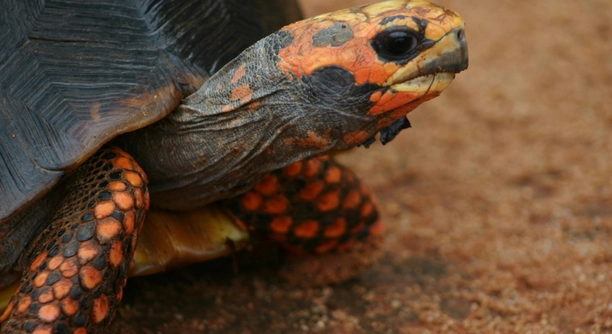
Red-footed tortoises are unique creatures with diverse diets. While they mainly consume plants, fruits also make up part of their meals. As pet owners, it’s important to know what foods are safe for these reptiles.
Red-footed tortoises can eat cherries, but only in moderation. Cherries are a healthy treat, providing vitamins and antioxidants. However, too many cherries can cause digestive issues due to their high sugar content. Always remove the pit before offering them to your tortoise.
Knowing the right balance when feeding your tortoise cherries ensures their health and safety. Keep reading to learn more about how to properly incorporate cherries into their diet.
Can Red-Footed Tortoises Safely Eat Cherries?
Cherries are a tasty fruit that red-footed tortoises can enjoy in moderation. However, just because a fruit is safe doesn’t mean it should be a regular part of their diet. Tortoises need a variety of foods for a balanced diet, and cherries can be a healthy, occasional treat. They contain vitamins A and C, which are beneficial for your tortoise’s immune system and overall health.
While cherries are packed with nutrients, they also come with risks. For one, they’re high in sugar, which can lead to obesity and other health problems if fed too often. Additionally, the pit of a cherry poses a choking hazard or could cause intestinal blockage if consumed. It’s important to always remove the pit before offering cherries to your tortoise.
Too many cherries in your tortoise’s diet can upset their digestive system. Stick to small portions to keep their diet balanced and avoid any potential issues. Always make sure to introduce any new food carefully and observe how your tortoise reacts to it.
Other Fruits Red-Footed Tortoises Can Eat
Aside from cherries, red-footed tortoises can enjoy a variety of other fruits, such as strawberries, apples, and melon. These fruits can add variety and nutrition to their diet, but again, moderation is key. Too much fruit can upset their digestive balance.
Risks of Feeding Cherries to Red-Footed Tortoises
Cherries are sweet and packed with nutrients, but feeding too many can lead to problems. The sugar content can cause weight gain, which isn’t ideal for a tortoise. Also, cherries can cause digestive issues if eaten too frequently. It’s best to keep them as an occasional treat.
One concern when feeding cherries is the pit. Red-footed tortoises can easily choke on the pit, and it could lead to a blockage in their digestive system. Always remove the pit before offering cherries. This small but necessary step can help avoid any potentially dangerous situations.
Feeding cherries too often can disrupt the tortoise’s regular diet. Their primary meals should consist of leafy greens, grasses, and some flowers. Fruits like cherries should only make up a small percentage of their food intake. This ensures they get the nutrients they need without overloading on sugar.
Signs of Overfeeding Cherries
If you notice any signs of digestive distress in your tortoise after feeding cherries, stop giving them that fruit for a while. Overfeeding can cause loose stools or other digestive issues. These signs are the body’s way of indicating that too much sugar has been consumed.
A tortoise may also become lethargic if it’s overfed with sugary foods. Red-footed tortoises, like other reptiles, need a balanced diet to maintain energy. Too much fruit can cause them to feel sluggish or unwilling to move around. If you notice this behavior, consider cutting back on the cherries and other sugary foods in their diet.
How to Safely Feed Cherries to Red-Footed Tortoises
If you decide to feed cherries to your tortoise, remove the pit and cut the fruit into small, manageable pieces. This reduces the risk of choking or digestive blockages. Only offer cherries occasionally as a treat, not as a regular part of their diet.
Start with a small piece to see how your tortoise reacts. If they seem to enjoy it and don’t show any signs of digestive upset, you can continue offering cherries occasionally. Make sure not to overdo it—just a small treat every few weeks is enough.
The Right Diet for Red-Footed Tortoises
A well-balanced diet for a red-footed tortoise includes a variety of leafy greens, vegetables, and some fruits. Focus on high-fiber foods like dandelion greens, collard greens, and hibiscus flowers. These foods support their digestion and overall health. Fruits like apples, strawberries, and melon can be offered, but sparingly.
Remember that red-footed tortoises are primarily herbivores. Their diet should consist mostly of plant-based foods. While cherries and other fruits can be a fun addition, they should only be given in moderation to avoid health issues. Too many sugary foods can affect their well-being.
Cherries and Tortoise Health
When feeding cherries, it’s essential to keep an eye on your tortoise’s health. Make sure they’re eating a variety of foods to maintain a balanced diet. If you notice any signs of illness after feeding cherries, consult with a reptile vet to ensure everything is okay.
FAQ
Can red-footed tortoises eat other fruits besides cherries?
Yes, red-footed tortoises can enjoy a variety of fruits in moderation. Safe fruits include strawberries, apples, melon, and papaya. These fruits are rich in vitamins and water, which help keep your tortoise hydrated. However, always avoid feeding them citrus fruits like oranges or lemons, as these can upset their stomachs.
How often can I feed cherries to my red-footed tortoise?
Cherries should be fed sparingly—only as an occasional treat. Overfeeding cherries can cause digestive problems due to their high sugar content. A small piece once every few weeks is enough to offer your tortoise a fun and nutritious snack without causing harm.
Are cherries safe for baby red-footed tortoises?
While cherries can be fed to adult red-footed tortoises in moderation, baby tortoises have more sensitive digestive systems. It’s best to avoid feeding cherries to hatchlings and juveniles altogether. Focus on providing them with appropriate greens and safe vegetables for their growth and development.
What should I do if my tortoise eats a cherry pit?
If your red-footed tortoise accidentally consumes a cherry pit, keep a close eye on them for any signs of distress, such as difficulty breathing or swallowing. The pit can cause a blockage, so it’s important to monitor them for any signs of discomfort. If you notice any issues, consult with a reptile vet immediately.
Can I feed cherries along with other fruits?
Feeding cherries along with other fruits occasionally is fine as long as you don’t overfeed. The key is balance—mixing in a variety of fruits can give your tortoise a wide range of nutrients. However, keep fruit intake limited to avoid excess sugar, which can lead to health problems.
Can red-footed tortoises eat the stems or leaves of cherries?
No, the stems and leaves of cherries are toxic to tortoises. They contain cyanogenic compounds that can be harmful or even deadly if ingested. Only feed the fruit itself, and always remove the pit, stems, and leaves before offering cherries to your tortoise.
What fruits should I avoid feeding my red-footed tortoise?
Certain fruits should be avoided, such as citrus fruits (oranges, lemons, limes), as they can cause stomach upset. Avocados are also dangerous and toxic to many reptiles, including tortoises. Grapes should be limited due to their high sugar content, which can cause obesity. Stick to safe options like apples, strawberries, and melon in moderation.
How do I know if my tortoise is overfed on fruit?
If your tortoise is overfed with fruit, you may notice signs like lethargy, soft or runny stools, or weight gain. Overfeeding fruit can disrupt their digestive system and affect their overall health. Stick to a balanced diet with more greens and offer fruit as an occasional treat.
Can red-footed tortoises eat dried cherries?
Dried cherries are not ideal for red-footed tortoises. While they may seem like a convenient option, dried fruit is often concentrated in sugar and lacks the moisture content found in fresh fruit. This can lead to dehydration and digestive issues. Stick to fresh cherries when offering them as a treat.
What are the health benefits of feeding cherries to my red-footed tortoise?
Cherries provide a good amount of vitamin C, which supports the immune system. They also contain antioxidants, which can help reduce inflammation and support overall health. However, due to their sugar content, cherries should be fed in moderation to avoid overloading your tortoise with sugar.
Can red-footed tortoises eat cherries with sugar or syrup added?
Never feed your tortoise cherries that have been coated in sugar or syrup. Added sugars can cause digestive issues and lead to obesity. Always offer fresh, plain cherries without any added sweeteners or preservatives to ensure your tortoise’s safety and health.
Final Thoughts
Red-footed tortoises can safely eat cherries in moderation, but there are a few things to consider. The pit and stems of cherries are harmful, so always remove them before offering the fruit. Cherries should only be given occasionally as a treat, not as a regular part of their diet. Overfeeding fruits, especially ones with high sugar content like cherries, can lead to digestive issues and health problems in tortoises. A balanced diet of greens, vegetables, and small amounts of fruit is ideal for their overall well-being.
When introducing new foods like cherries to your tortoise, always start with a small amount to see how they react. Monitor for any signs of digestive upset or discomfort, such as runny stools or lethargy. If everything goes well, cherries can be a fun, occasional snack. However, always prioritize leafy greens and safe vegetables in their daily diet to ensure they’re getting the nutrients they need to thrive. If you have any concerns about your tortoise’s health or diet, consult with a reptile veterinarian for expert advice.
In the end, feeding cherries to your red-footed tortoise can be a safe and enjoyable experience as long as it’s done with caution. Be mindful of the portions and avoid feeding the pit, leaves, or stems. Keep their diet varied with appropriate greens and occasional fruits, and your tortoise will stay happy and healthy. The key is moderation and balance, so be careful not to overdo it with any one food, including cherries.

Hello,
If you enjoy the content that we create, please consider saying a "Thank You!" by leaving a tip.
Every little bit helps us continue crafting quality advice that supports the health, happiness, and well-being of pets around the world, for pets of all shapes, sizes, and species.
We really appreciate the kindness and support that you show us!