
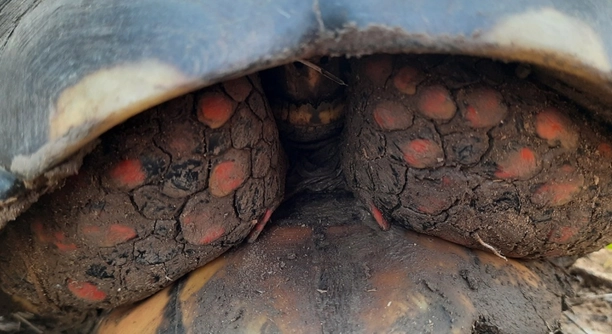
Red-footed tortoises are a popular choice for pet owners who want a unique and low-maintenance reptile. However, they require proper care and attention to thrive in captivity. Before getting one, it’s important to understand their needs.
When considering a red-footed tortoise, it is crucial to assess factors such as habitat space, diet, temperature needs, and health care. These tortoises require a warm, humid environment, a varied diet, and regular veterinary check-ups for optimal health.
Taking these points into account will help you ensure that your red-footed tortoise has the best possible care. Proper preparation will allow both you and your new pet to enjoy a long and healthy companionship.
Habitat Space for Your Red-Footed Tortoise
Red-footed tortoises need a spacious enclosure to move around and feel comfortable. The size of the habitat is important for their overall well-being. A minimum of 4 feet by 6 feet is recommended for one tortoise, but the larger, the better. The enclosure should be secure to prevent escape and free of potential hazards, such as sharp objects or other animals that could stress or harm your tortoise.
Providing a natural-like environment will make the tortoise feel more at home. Adding plants, rocks, and logs can help mimic their native habitat and give them hiding spots and enrichment. They also need access to both shaded and sunny areas within their habitat. Make sure the enclosure has good ventilation, and be prepared to clean it regularly to maintain a healthy living space.
A well-maintained and large enough space is essential to ensuring your tortoise’s comfort and health. An overly cramped environment can lead to stress and poor health, so invest in creating a proper home.
Temperature and Humidity Needs
Red-footed tortoises are tropical animals that require specific temperature and humidity levels to thrive. The habitat temperature should be maintained at around 85°F during the day, with a basking spot reaching up to 95°F. At night, it should drop to around 70°F. Humidity should be kept between 60-80% to mimic the tropical conditions they are used to.
These temperature and humidity requirements are crucial for the tortoise’s digestion and overall health. They help regulate bodily functions and prevent respiratory problems. Keeping the habitat at the right levels also supports the tortoise’s natural behavior, such as burrowing and foraging.
If you are unsure how to maintain these conditions, consider using a thermostat and a hygrometer to monitor temperature and humidity levels. This ensures a stable and safe environment for your red-footed tortoise.
Diet Requirements for Red-Footed Tortoises
A balanced diet is key to keeping your red-footed tortoise healthy. They are primarily herbivores, so their meals should consist of leafy greens, fruits, and flowers. It’s essential to offer a variety of vegetables, like collard greens, dandelion greens, and squash. Avoid iceberg lettuce and high-fat or sugary foods, as these can cause health issues.
You should also include occasional protein sources, like small amounts of hard-boiled eggs, insects, or fish. Calcium is vital for shell growth, so be sure to offer calcium supplements or foods rich in calcium, like kale and collard greens. Fresh, clean water must always be available, and misting their food or habitat can help maintain hydration.
Properly managing their diet will prevent malnutrition and promote a longer, healthier life. Pay attention to your tortoise’s eating habits and adjust portions as needed. Regular monitoring ensures they get the right nutrients for healthy growth and strong shells.
Health and Veterinary Care
Regular veterinary check-ups are essential for your tortoise’s health. Like all reptiles, red-footed tortoises are prone to certain diseases, including respiratory infections, parasites, and shell rot. Annual visits to an exotic pet vet can help detect potential health issues early.
Look out for signs of illness such as lethargy, loss of appetite, or unusual behavior. Keeping the habitat clean and providing the right conditions helps prevent many health problems. It’s important to stay informed about common tortoise health issues to ensure timely treatment. If your tortoise develops any issues, a vet can guide you in the right direction for care.
Maintaining a close eye on their health and seeking prompt treatment will prevent most serious conditions. Ensure they receive the right care from the start for a long, happy life.
Shell Maintenance
Keeping your red-footed tortoise’s shell healthy is crucial. Regularly check for any cracks, signs of infection, or unusual changes in texture. A healthy shell should be smooth, shiny, and free of scutes coming off or any discoloration. Keep the habitat clean and dry to prevent shell rot.
Ensure your tortoise gets proper nutrition, as poor diet and calcium deficiencies can lead to shell problems. Misting their shell occasionally with water can help with hydration and prevent cracking. Providing a basking spot with UVB light is essential for proper shell and bone growth.
A healthy shell is a reflection of overall health. Regular shell care prevents more serious issues, which can affect your tortoise’s mobility and well-being.
Socialization and Interaction
Red-footed tortoises are solitary animals but can recognize their owners over time. They may not seek attention like a dog, but they can still enjoy gentle handling. Handling should be kept to a minimum to avoid stress.
Interactions should be limited to feeding, cleaning, and occasional handling, as too much handling can cause anxiety. Allow your tortoise time to explore its enclosure and keep stress-free. This encourages natural behavior and helps your tortoise feel secure in its environment.
Bonding with your tortoise can be rewarding, but respecting their boundaries is key.
Lifespan and Commitment
Red-footed tortoises can live for up to 50 years, so adopting one is a long-term commitment. With the right care, they can thrive and become a part of your family for decades. Before getting one, be sure you’re ready for the responsibility.
Their lifespan means ongoing attention to their habitat, health, and diet. They don’t require constant attention, but regular care and monitoring are essential for a long, happy life. Make sure you’re prepared for their long-term needs before bringing one home.
FAQ
How big do red-footed tortoises get?
Red-footed tortoises typically reach around 10 to 14 inches in length when fully grown. They can weigh between 10 to 20 pounds, with males generally being larger than females. It’s important to plan for their size when choosing an enclosure.
A spacious habitat will allow your tortoise to move around freely. Be sure to take their adult size into consideration to avoid overcrowding their space. Although they start small, red-footed tortoises will grow steadily, so be prepared for their long-term needs as they mature.
What do red-footed tortoises eat?
Red-footed tortoises are herbivores, and their diet mainly consists of leafy greens, fruits, and some vegetables. They enjoy dandelion greens, collard greens, squash, and berries. You can also provide flowers like hibiscus.
Avoid feeding them high-fat or sugary foods, as these can cause health problems. Red-footed tortoises require calcium for strong shells, so including calcium-rich foods like kale and collard greens is important. They also need access to fresh, clean water at all times, and occasionally, you can offer small amounts of protein, like hard-boiled eggs or insects.
Can red-footed tortoises live outside?
Yes, red-footed tortoises can live outside in warm climates. They need a secure, fenced outdoor area that provides access to both sunny and shaded spots. The temperature should stay above 70°F during the day, and the tortoise should be brought inside at night if it gets too cold.
Outdoor enclosures should be escape-proof to prevent your tortoise from wandering off or getting into harm’s way. A well-maintained outdoor habitat with natural elements like plants and logs can provide enrichment, but it’s important to monitor weather conditions and keep them safe from predators.
What temperature and humidity do red-footed tortoises need?
Red-footed tortoises are native to tropical regions, so they require a warm, humid environment. The daytime temperature in their enclosure should be around 85°F, with a basking spot reaching up to 95°F. At night, the temperature should drop to around 70°F.
Humidity levels should be kept between 60% and 80% to mimic their natural habitat. This can be achieved by misting the enclosure regularly or using a humidifier. Providing the right temperature and humidity is essential for their health, digestion, and overall well-being.
How long do red-footed tortoises live?
Red-footed tortoises have an impressive lifespan and can live for 40 to 50 years with proper care. Their longevity makes them a long-term commitment, so before getting one, it’s essential to be prepared for the responsibility of caring for them over several decades.
As they age, they may require more attention in terms of health care and habitat maintenance. Being prepared for their long lifespan ensures that they receive the proper care throughout their entire life.
Do red-footed tortoises need a lot of space?
Yes, red-footed tortoises require a significant amount of space to roam and explore. A single tortoise should have an enclosure that is at least 4 feet by 6 feet in size. A larger space is always better to allow them more room to move, especially as they grow.
In addition to the physical space, you also need to provide a variety of environmental elements, like hiding spots, basking areas, and places to burrow. A spacious and well-equipped habitat will keep your tortoise happy and healthy.
Can I keep more than one red-footed tortoise together?
Red-footed tortoises are generally solitary animals and may not tolerate living with other tortoises, especially males. Males can be territorial, and introducing another tortoise can lead to stress or fighting. If you do choose to house multiple tortoises together, make sure to provide enough space for each one to have its own territory.
In some cases, females can be kept together, but it’s essential to monitor them for signs of aggression or stress. It’s always safer to house tortoises separately unless you’re experienced in their care and know how to manage group living situations.
What health issues do red-footed tortoises face?
Red-footed tortoises are prone to respiratory infections, shell rot, parasites, and fungal infections. Signs of a respiratory infection include wheezing, nasal discharge, and lethargy. Shell rot can occur if their habitat is too wet or dirty, leading to soft spots on their shell.
Maintaining proper humidity, temperature, and habitat cleanliness can help prevent many health issues. Regular veterinary check-ups are essential for early detection and treatment of any health concerns. If you notice any signs of illness, it’s important to take your tortoise to a vet specializing in reptiles.
How do I know if my red-footed tortoise is healthy?
A healthy red-footed tortoise will have clear, bright eyes and a smooth, shiny shell. They should be active during the day, with a healthy appetite. If your tortoise is not eating or shows signs of lethargy, it could indicate a health issue.
Regularly inspect their shell for cracks, softness, or discoloration. Their legs and head should be free of lesions or swelling. A tortoise that is healthy will also have a strong, firm shell and move around easily.
Final Thoughts
Getting a red-footed tortoise can be a rewarding experience, but it requires careful consideration and planning. These creatures live long lives, sometimes up to 50 years, and they need consistent care throughout their lifespan. Before bringing one home, make sure you’re ready for the responsibility that comes with caring for them. Their needs for space, diet, and proper habitat conditions must be met for them to thrive. Whether you choose to house them indoors or outdoors, a proper setup is essential to their health and happiness.
Their diet, temperature, and humidity needs are vital to their overall well-being. Red-footed tortoises thrive in a warm, humid environment with plenty of access to fresh food and water. Their herbivorous diet should include a variety of leafy greens, fruits, and occasional flowers. Offering them the right nutrition, along with proper temperature and humidity, will help avoid health issues and ensure they stay strong and active. Maintaining a clean habitat and providing plenty of space for them to move around are also important factors to consider.
Finally, owning a red-footed tortoise is a long-term commitment. They are slow-growing and will need your care for many decades. Their personalities and health can be affected by their environment, so it’s important to stay consistent in providing the right care. By doing proper research and preparing ahead of time, you’ll be able to enjoy the companionship of your tortoise for years to come. Make sure to have a plan for their future care and health needs, so they live a full and happy life.

Hello,
If you enjoy the content that we create, please consider saying a "Thank You!" by leaving a tip.
Every little bit helps us continue crafting quality advice that supports the health, happiness, and well-being of pets around the world, for pets of all shapes, sizes, and species.
We really appreciate the kindness and support that you show us!