
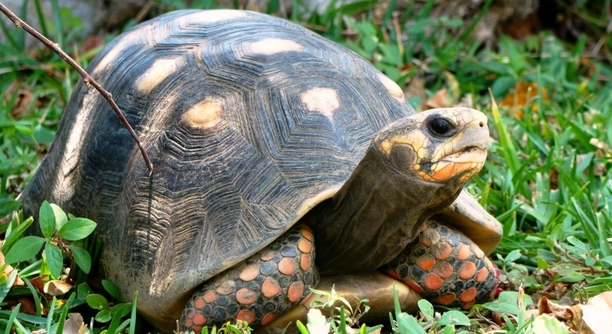
Red-footed tortoises are fascinating pets, but sometimes they can face challenges with mites. Mites can cause discomfort and health issues for these reptiles. It’s important to recognize the signs early to provide the best care.
Mites are external parasites that can infest red-footed tortoises, causing skin irritation, scabbing, and lethargy. Common signs of mite infestations include visible scabs, scratching, and changes in behavior. Early treatment can prevent further complications and ensure the tortoise’s well-being.
Taking steps to treat mites promptly will help your tortoise stay healthy. Understanding how to recognize the signs is crucial for their care.
Identifying Early Signs of Mites in Red-Footed Tortoises
Recognizing early signs of mites in your red-footed tortoise is key to preventing more severe problems. The first sign often appears on the skin. You may notice small, dry, or flaky patches that seem different from typical scarring or shedding. Mites thrive in warm and moist conditions, which means they can easily spread in areas like terrariums or humid environments. The skin may become irritated, with signs of inflammation around the infested areas. If untreated, the tortoise may begin scratching or rubbing its body against surfaces in an attempt to relieve the irritation. These behaviors can become more frequent over time as the mites multiply. Changes in your tortoise’s behavior can also suggest a mite infestation. They might become more lethargic or avoid moving around as much, which can be linked to discomfort caused by the parasites.
Early intervention is crucial. If mites are suspected, immediately examine your tortoise for signs like small crusty patches or excessive rubbing. You can treat these issues much more easily when they’re caught early.
Proper cleaning and isolating the tortoise from the source of the mites can stop the infestation from spreading. Taking action early ensures your red-footed tortoise remains healthy and comfortable.
Common Areas Where Mites Hide
Mites tend to prefer hidden spots, making detection harder. Areas where your tortoise spends most of its time, like dark corners or moist hideouts, provide the perfect environment. This is especially true if the enclosure is not regularly cleaned.
Regular inspection of your tortoise’s habitat is important to spot areas where mites might thrive. Mites can hide in damp corners, cracks in the terrarium, or under logs and rocks. These areas can be hard to reach and often get overlooked. A thorough cleaning routine helps prevent mites from multiplying and spreading. Use warm, soapy water to scrub surfaces and change bedding regularly. Additionally, mites can also be carried in on new plants, food, or equipment, so it’s vital to sanitize any new items before introducing them into the habitat. Ensuring everything remains clean and dry is the most effective preventive measure against mite infestations.
How to Treat Mites in Red-Footed Tortoises
If you suspect your red-footed tortoise has mites, start by isolating it from other pets to prevent the spread. You’ll need to clean the enclosure thoroughly, removing all bedding, disinfecting surfaces, and drying it completely.
A topical treatment can be used to address the mites directly. There are various mite treatments available, such as sprays or dips specifically designed for reptiles. Always follow the product instructions carefully, and be sure the treatment is safe for red-footed tortoises. It may require multiple applications to fully eliminate the mites.
After applying treatment, monitor your tortoise closely. Check for any signs of irritation or adverse reactions to the medication. Keeping the environment clean and dry is crucial to prevent future outbreaks. Also, keep your tortoise hydrated and well-fed during the treatment process to support its immune system.
Preventing Mite Infestations in the Future
To avoid mite issues in the future, ensure that the habitat is always kept clean and dry. Mites thrive in moist, humid conditions, so controlling the humidity level in the enclosure is essential.
Regularly cleaning the enclosure, replacing bedding, and checking for any signs of mites are key steps in prevention. You can also regularly wipe down surfaces with reptile-safe disinfectants. Additionally, make sure any new plants, food, or equipment are thoroughly cleaned before adding them to the habitat.
Providing a balanced diet and ensuring your tortoise stays healthy will also support its natural defenses. Red-footed tortoises are less likely to suffer from infestations when they are strong and stress-free. Consistent preventive care will ensure your tortoise avoids mites in the future.
Identifying Mites on Your Red-Footed Tortoise
Mites can be hard to spot at first. Look for small, crusty patches or scabs on the tortoise’s skin. These areas might be irritated or swollen. If your tortoise is scratching more than usual, it could be a sign of mites.
Check the skin around the eyes, under the legs, and along the neck, where mites tend to hide. If you notice any abnormal behavior, like a decrease in activity or appetite, this could indicate an infestation. It’s important to act quickly to avoid further damage.
Cleaning and Disinfecting the Habitat
To get rid of mites, start by thoroughly cleaning the tortoise’s enclosure. Remove all bedding, decor, and anything that can harbor the mites. Wash the surfaces with hot, soapy water, and make sure everything is completely dry before reassembling the habitat.
Mites can hide in cracks and crevices, so it’s essential to clean every corner. Use reptile-safe disinfectants to ensure all surfaces are mite-free. Once cleaned, replace the bedding with fresh, dry materials to prevent a re-infestation. A clean habitat is vital for your tortoise’s health.
Keeping Your Tortoise’s Skin Healthy
Your tortoise’s skin is its first line of defense against mites. Ensure it’s kept hydrated and not exposed to excessive humidity. Excess moisture can encourage mite growth, so it’s important to maintain a balanced environment.
Regular bathing can also help your tortoise shed old skin, making it harder for mites to thrive. Monitor the tortoise’s skin closely for any signs of irritation, redness, or swelling. Providing proper care and skin health can help reduce the risk of future infestations.
FAQ
How do I know if my red-footed tortoise has mites?
Mites are small and hard to detect, but there are a few signs to watch for. You might notice scabs, crusty patches, or irritated areas on your tortoise’s skin. They often hide around the eyes, neck, and legs. Excessive scratching or rubbing against objects can also be a sign. A lethargic tortoise or a decrease in appetite could indicate discomfort caused by mites. If any of these symptoms appear, it’s best to act quickly.
Can mites harm my red-footed tortoise?
Yes, mites can be harmful to your tortoise if left untreated. They cause irritation and discomfort, which can lead to infections if the skin is damaged. A severe infestation can also lead to dehydration, weight loss, and stress, weakening the tortoise’s immune system. In extreme cases, untreated mite infestations can be fatal. That’s why early detection and treatment are important.
What causes mites to infest my red-footed tortoise’s habitat?
Mites thrive in moist, humid conditions, which can often be found in an improperly maintained terrarium. They may also be introduced to the environment through contaminated plants, food, or new equipment. If the habitat is not cleaned regularly, mites can quickly multiply and spread. Proper hygiene and regular checks are essential in preventing infestations.
How can I treat mites on my red-footed tortoise?
Treatment involves isolating the tortoise from other pets and thoroughly cleaning its enclosure. You can apply a mite treatment that is safe for reptiles. Many sprays or dips are available, but always check that they are safe for tortoises. Follow the instructions carefully and apply the treatment as directed. It may take multiple applications for full effectiveness. Additionally, make sure the environment stays dry and clean during the treatment.
Is it safe to use home remedies for mites?
While some home remedies may work for minor issues, it’s best to avoid using them without professional advice. Many homemade solutions can irritate or harm your tortoise. It’s safer to use products designed for reptiles, which are specially formulated to treat mites without causing harm to your tortoise.
How often should I clean my tortoise’s enclosure?
You should clean your tortoise’s habitat at least once a week. Regular cleaning reduces the risk of mites and other pests. Make sure to remove any uneaten food, replace bedding, and disinfect surfaces. For areas that are hard to reach, clean them monthly to ensure mites don’t settle in. Maintaining a dry, clean environment is key to preventing infestations.
Can mites spread to other reptiles or pets?
Yes, mites can spread to other reptiles if they come into contact with an infected tortoise or its habitat. Mites can also be carried by humans, so it’s important to wash your hands thoroughly after handling your tortoise. If you have other pets, make sure to isolate the infected tortoise until the mites are fully treated.
How do I prevent mites from returning?
To prevent mites from coming back, maintain a clean and dry environment for your tortoise. Regularly disinfect its habitat, replace bedding, and make sure the humidity levels are balanced. It’s also essential to check any new plants, food, or equipment for mites before introducing them to the habitat. A healthy and stress-free tortoise is less likely to attract mites.
Can my tortoise still be active if it has mites?
If your tortoise has mites, it might feel uncomfortable or irritated, causing it to become more lethargic than usual. However, with prompt treatment, your tortoise can recover and return to normal activity. While the mites are causing irritation, it might avoid moving around as much. Once treated, your tortoise should regain its usual energy and activity level.
How long does it take to treat a mite infestation?
Treating a mite infestation can take anywhere from a few days to a couple of weeks, depending on the severity. The initial treatment may take a few days to show results, but multiple treatments are often necessary. It’s important to keep up with the treatment schedule and monitor your tortoise for signs of improvement. Full recovery might take a few weeks, especially if the infestation was severe.
Final Thoughts
Mites in red-footed tortoises are not something to take lightly. They can cause discomfort and health issues if left untreated. By staying vigilant and regularly checking your tortoise, you can catch any potential problems early. Identifying mites early on helps prevent them from causing long-term damage. If you notice any signs of mites, such as scabs, crusty patches, or excessive scratching, take action quickly. Prompt treatment is the best way to ensure your tortoise stays healthy.
Maintaining a clean habitat is essential in preventing mites. Regular cleaning of the enclosure, replacing bedding, and monitoring humidity levels can all help keep mites at bay. When introducing new plants, food, or equipment, always check for any signs of mites before bringing them into the habitat. Keeping the environment dry and disinfecting surfaces frequently will reduce the chance of mites returning. A clean and healthy environment is one of the most effective ways to protect your tortoise from these pests.
In the end, proper care and attention to your tortoise’s health will go a long way. Treating mites quickly and maintaining a clean environment are key to preventing future infestations. With regular checks and proper cleaning, your red-footed tortoise can live a long, healthy life free from mites. The effort you put into maintaining their habitat and health will be worth it in the long run.

Hello,
If you enjoy the content that we create, please consider saying a "Thank You!" by leaving a tip.
Every little bit helps us continue crafting quality advice that supports the health, happiness, and well-being of pets around the world, for pets of all shapes, sizes, and species.
We really appreciate the kindness and support that you show us!