
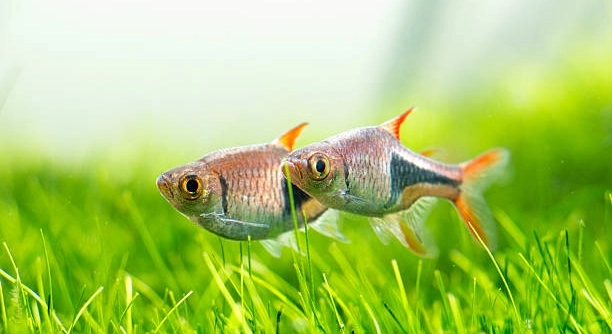
Rasboras are small, active fish often admired for their vibrant colors and schooling behavior. In home aquariums, they encounter a variety of layouts, from simple tanks to those with intricate structures and decorations. Their movements reveal much about adaptability.
Rasboras are capable of navigating complex tank layouts due to their keen spatial awareness and schooling instincts. Their size and agility allow them to maneuver through plants, rocks, and other obstacles, while social behavior promotes coordinated movement and environmental exploration.
Observing their interactions in elaborate tanks highlights how their natural instincts guide movement and decision-making within confined spaces. Understanding this can improve tank design and enrich the fish’s daily experience.
Understanding Rasbora Behavior in Complex Tanks
Rasboras are naturally active and curious, which allows them to explore tanks with varying structures. Their small size and agility help them weave through plants, rocks, and decorations without difficulty. Schooling behavior also plays a key role, as it provides guidance and safety while moving. When one fish changes direction, others often follow, making coordinated movement smoother. Complex layouts can stimulate their instincts, encouraging natural behaviors like hiding, exploring, and darting through open spaces. However, too many obstacles or poorly arranged decorations can stress them, limiting swimming areas and disrupting schooling patterns. Observing their movement patterns over time reveals how they adapt to different tank setups. Providing a mix of open space and safe hiding spots ensures they remain active, healthy, and confident in navigating their environment.
Rasboras thrive when their tank includes both hiding areas and open swimming space. Balance is essential.
A well-planned layout encourages natural exploration and social interaction. Plants, smooth rocks, and low-lying decorations create pathways that rasboras can navigate easily. Sharp edges or crowded sections should be avoided to prevent injury. Varying water flow also influences movement, as gentle currents encourage swimming without causing stress. Regular observation allows adjustments, ensuring the tank remains stimulating yet safe. By combining thoughtful decoration and attention to behavior, aquarists can maintain a healthy, active group of rasboras, enhancing both their physical condition and visual appeal in the aquarium.
Tips for Designing an Engaging Tank
Start by planning open swimming corridors alongside secure hiding spots. A clear layout helps rasboras move freely.
Include plants of different heights, smooth rocks, and gentle water flow to encourage natural movement. Avoid overcrowding, and provide multiple pathways for exploration. Observing their behavior helps fine-tune the arrangement for optimal activity and safety. This balance ensures they remain confident while navigating. Thoughtful placement of decorations supports schooling instincts, allowing fish to follow one another while exploring. Lighting should highlight open areas without stressing the fish, and a mix of textures can enrich the tank. Regular adjustments based on observation help maintain a healthy environment. By considering both structure and behavior, the tank becomes a safe, stimulating space where rasboras can thrive. Proper design ultimately enhances their well-being and showcases their natural elegance in a controlled, interactive habitat.
Common Navigation Challenges
Rasboras may hesitate when encountering densely planted areas or sharp decorations. Limited visibility or tight spaces can slow their movement.
When tanks are overcrowded with plants or ornaments, rasboras often struggle to maintain smooth schooling patterns. They rely on clear sightlines to follow one another effectively. Obstacles placed near high-traffic areas can cause stress and disrupt their natural swimming rhythm. Providing open areas alongside decorations helps them navigate confidently. Observing how they react to different structures can inform adjustments, ensuring their environment supports both activity and safety. Proper spacing prevents collisions and promotes natural exploration.
Inexperienced tank setups often place hard decorations or artificial items in ways that block pathways. Rasboras may become trapped or retreat excessively, limiting exercise and interaction. Smooth edges and staggered placement improve movement. Small pathways should be wide enough for the group to pass without crowding. Maintaining consistent water flow reduces stress and guides natural navigation. Regular rearrangement and monitoring help identify obstacles that hinder movement, allowing adjustments for optimal schooling and swimming behavior.
Environmental Factors Affecting Navigation
Water clarity, temperature, and flow significantly influence rasbora movement. Clean, stable conditions support confidence.
Rasboras depend on clear water to see obstacles and other fish. Murky water or rapid currents can disorient them, leading to collisions or hesitation. Ideal temperatures keep them active, while extreme changes may reduce movement and schooling behavior. Maintaining consistent filtration and performing regular water changes enhances both visibility and water quality. Gentle flow encourages exploration without forcing rapid swimming, while stagnant areas may limit activity. By controlling these environmental factors, their tank becomes safer and more engaging. Observing their responses allows for fine-tuning conditions to support natural behaviors, keeping them active and healthy.
Optimal Plant and Decoration Placement
Tall plants should be positioned at the back or sides to create open swimming space in the center. Decorations need smooth edges and accessible pathways for safe navigation.
Clustered decorations should not block main swimming areas. Rasboras benefit from staggered items, allowing multiple routes and reducing stress.
Monitoring Fish Behavior
Regular observation helps identify areas where rasboras hesitate or become stressed. Adjusting layout based on movement patterns improves schooling efficiency and overall activity levels. Monitoring also ensures that new additions do not disrupt established pathways, keeping the tank environment stable and safe.
Lighting Considerations
Moderate lighting enhances visibility without startling rasboras, making it easier for them to navigate complex layouts.
FAQ
How many rasboras should I keep together for proper schooling?
Rasboras are schooling fish and feel safest in groups. Keeping at least six individuals ensures they maintain natural social behavior. Smaller groups can lead to stress, erratic swimming, and hiding. Larger schools enhance coordination, making it easier for them to navigate complex tank layouts. Observing their interactions helps determine if the group is balanced.
What tank size is best for complex layouts?
A tank of at least 20 gallons is recommended for small rasboras, allowing sufficient swimming space even with decorations. Larger tanks provide more room for pathways, plants, and rocks without overcrowding. Open swimming areas alongside obstacles support schooling behavior and reduce stress. Proper spacing prevents bottlenecks and ensures fish can move freely in groups.
Which plants are suitable for rasboras?
Soft-leaved plants like Java fern, Anubias, and hornwort are ideal. They provide hiding spots without sharp edges that could injure the fish. Tall plants at the back and shorter foreground plants create layers that mimic natural habitats, allowing exploration while keeping swimming paths clear. Floating plants can also soften lighting and provide shelter.
How can I prevent rasboras from getting stressed in a complex tank?
Stress often comes from overcrowding, poor water quality, and blocked swimming paths. Maintain proper filtration, stable temperature, and clear water. Leave open spaces for movement and ensure decorations do not trap fish. Observing schooling patterns helps identify stress points, and rearranging obstacles can improve comfort and navigation.
Do rasboras need hiding spots in a complex tank?
Yes, hiding spots are essential. They provide security during rest or when startled. Plants, smooth rocks, and small caves offer shelter without obstructing swimming paths. A balanced mix of open space and shelter supports natural behavior, making the tank safer and more engaging for all individuals.
Can rasboras adapt to rapid layout changes?
Rasboras are adaptable but sudden changes can cause stress. Gradual rearrangement allows them to explore and adjust safely. Moving one or two decorations at a time helps maintain schooling patterns. Monitoring their response ensures the new layout supports both movement and social behavior.
What water conditions help rasboras navigate better?
Stable water temperature between 72–78°F and a pH of 6.5–7.5 is ideal. Clear water improves visibility, making navigation easier. Gentle flow supports movement without forcing rapid swimming. Regular water changes and maintenance prevent debris buildup, which can obstruct paths and affect schooling coordination.
Do different rasbora species navigate tanks differently?
Yes, species like Harlequin rasboras are highly active, while smaller species may prefer more sheltered areas. Observing each species’ behavior helps in designing layouts with appropriate open space and hiding spots. Tailoring the environment ensures all species can move naturally and remain healthy in mixed setups.
How often should I rearrange tank decorations?
Frequent rearrangement is not necessary. Occasional adjustments can refresh exploration opportunities, but too many changes can disrupt schooling and increase stress. Minor modifications based on observation are enough to maintain stimulation while ensuring safety.
What are signs that my rasboras are struggling to navigate?
Hesitation, repeated collisions, excessive hiding, or erratic swimming indicate navigation difficulties. Observing these behaviors helps identify problematic areas. Adjusting decorations, improving water clarity, or providing wider pathways can alleviate stress and support natural movement within the tank.
Can tank mates affect navigation for rasboras?
Yes, aggressive or overly active species can interfere with schooling and movement. Peaceful, similarly sized fish are ideal companions. Ensuring compatible tank mates reduces stress, allowing rasboras to navigate complex layouts comfortably and maintain coordinated behavior.
How important is substrate choice for navigation?
Smooth, fine substrate reduces the risk of injury during fast movements. Sharp gravel can cause cuts or damage fins, especially when darting around obstacles. Sand or rounded gravel is best for both safety and natural foraging behavior.
Do lighting changes affect movement?
Sudden bright lights can startle rasboras and disrupt schooling. Moderate, consistent lighting supports visibility and confidence. Gradual transitions in brightness during morning or evening periods mimic natural conditions and encourage natural exploration patterns.
Can rasboras recognize familiar tank layouts?
Yes, they remember pathways and hiding spots. Familiarity reduces stress and improves efficiency in navigating obstacles. Rearranging items slowly ensures they can adapt while retaining confidence in movement patterns.
How do I encourage exploration without causing stress?
Introduce gentle currents, varied plant heights, and multiple pathways. Maintain clear open spaces for swimming and avoid overcrowding. Gradual additions of new decorations stimulate curiosity while preserving safety and schooling behavior. Observation ensures adjustments are beneficial and not disruptive.
Is feeding location important for navigation?
Yes, consistent feeding areas reduce stress and unnecessary movement. Scattering food in open spaces encourages exploration and schooling, while avoiding hiding spots prevents congestion and competition among individuals. Strategic placement supports both feeding behavior and safe navigation.
What role does water flow play in rasbora movement?
Gentle water flow encourages swimming and schooling without forcing rapid movement. Strong currents can stress fish and hinder navigation, especially around obstacles. Adjustable filters help maintain optimal flow, balancing activity and comfort.
How do seasonal changes impact tank behavior?
Temperature and daylight fluctuations affect activity levels. Stable conditions ensure consistent movement patterns. Seasonal adjustments in lighting and minor temperature regulation prevent stress, maintaining confidence in navigation and schooling efficiency.
Can breeding behavior change navigation patterns?
Yes, during spawning, rasboras may explore more cautiously or focus on specific areas. Providing safe, open spaces alongside dense plant clusters supports both breeding and normal swimming behavior, reducing stress and injury risks.
How can I optimize navigation for small vs. large tanks?
In small tanks, limit obstacles to maintain open swimming paths. In larger tanks, create layers of plants and decorations with multiple pathways. Observation ensures each layout supports movement, schooling, and natural behavior. Proper spacing is key in both setups.
What maintenance practices improve navigation?
Regular water changes, cleaning debris, trimming plants, and checking equipment prevent obstruction and stress. Maintaining stable temperature, flow, and water clarity ensures fish move confidently and safely through complex layouts. Proper upkeep directly affects activity, schooling, and overall health.
How long does it take for rasboras to adapt to a new layout?
Adaptation varies, but most adjust within a few days to a week if changes are gradual. Observing schooling patterns and individual behavior helps determine readiness for further adjustments, ensuring a stress-free transition.
Are there common mistakes that hinder navigation?
Overcrowding, sharp decorations, poor water quality, and sudden rearrangements are common issues. Avoiding these ensures smooth movement, reduces stress, and preserves schooling behavior. Careful planning and observation prevent long-term navigation problems.
Can environmental enrichment improve movement?
Yes, varying plant heights, pathways, and gentle flow encourages exploration. Enrichment keeps fish active and engaged, improving both navigation skills and overall health. Gradual changes prevent stress while maintaining stimulating conditions.
Is it necessary to provide multiple swimming levels?
Multiple levels enhance natural movement, allowing fish to choose depth for safety or exploration. Floating plants, mid-water decorations, and substrate variation support vertical navigation, offering diversity without crowding the tank.
How can I ensure long-term confidence in navigation?
Consistent maintenance, stable water conditions, appropriate tank mates, and thoughtful decoration placement support confidence. Gradual adjustments and observation ensure fish remain active, healthy, and able to navigate complex layouts safely and efficiently.
Can temperature fluctuations affect schooling and movement?
Yes, sudden drops or rises can slow swimming, increase hiding, and disrupt schooling. Maintaining stable, appropriate temperatures keeps fish active and confident while navigating their environment.
Does tank shape influence navigation?
Rectangular tanks with open swimming corridors and layered decorations are ideal. Narrow or oddly shaped tanks can hinder movement, cause bottlenecks, and stress fish. Proper layout planning accommodates both swimming and hiding needs efficiently.
How often should water parameters be checked?
Regular monitoring of temperature, pH, and clarity is essential. Weekly checks ensure stable conditions, reducing stress and supporting confident navigation throughout the tank’s obstacles and pathways.
Can juvenile rasboras navigate complex tanks as easily as adults?
Juveniles are smaller and more agile but may be less confident. Providing safe open spaces and gradual exposure to obstacles helps them build navigation skills and adapt alongside adults without stress.
Are there signs of improved navigation over time?
Smooth schooling, reduced hesitation, and confident exploration indicate improvement. Observing these behaviors allows for fine-tuning layouts, confirming that the tank supports natural movement and social interactions effectively.
What role does social hierarchy play in navigation?
Dominant individuals may lead movement, guiding the school through obstacles. Recognizing these patterns ensures decorations do not block pathways or create unnecessary competition, supporting smooth, coordinated navigation.
How important is consistent observation?
Frequent observation helps identify stress points, adjust layouts, and maintain water quality. Regular monitoring ensures rasboras navigate safely, remain active, and express natural behaviors without unnecessary obstacles or hazards.
Can feeding routines influence movement patterns?
Yes, predictable feeding times reduce stress and encourage coordinated movement toward food. Scattering food across open spaces supports exploration, schooling, and safe interaction with obstacles.
Do rasboras remember obstacles after removal?
Yes, they recall familiar pathways, hiding spots, and previously navigated obstacles. Gradual rearrangements help maintain confidence while preventing disorientation or stress.
How do tank decorations impact long-term schooling behavior?
Well-placed decorations encourage natural coordination, while poorly arranged items can fragment schools. Balancing open swimming areas with safe hiding spots preserves cohesion and supports long-term schooling efficiency.
What are the best ways to introduce new obstacles?
Add one or two items at a time, leaving clear swimming paths. Observe the school’s reaction, adjusting placement to maintain confidence, reduce stress, and encourage natural exploration.
Are there any specific tank layouts that should be avoided?
Overcrowded or sharply edged layouts block movement, increase stress, and limit schooling. Narrow pathways or isolated hiding spots should be avoided to ensure safety, free movement, and coordinated behavior.
How do water quality issues affect navigation?
Poor water clarity or high toxin levels reduce visibility and confidence, causing hesitation and stress. Maintaining clean, stable water allows smooth movement and supports overall health.
Does tank depth matter for navigation?
Moderate depth allows vertical movement without overwhelming small fish. Deep tanks with layered plants and decorations provide choice, while shallow tanks may limit exploration and schooling efficiency.
Can temporary barriers help with acclimation?
Yes, dividers allow gradual introduction to complex areas. Removing barriers slowly helps fish explore safely, build confidence, and maintain schooling behavior without stress.
Is observation enough to maintain optimal navigation?
Observation is crucial but must be paired with maintenance, layout planning, and water quality management. Together, these practices ensure rasboras navigate complex tanks efficiently and safely.
Do seasonal changes in lighting require layout adjustments?
Minor adjustments may improve visibility and comfort. Ensuring open pathways and safe hiding areas accommodates seasonal light variations, supporting confident movement and schooling behavior.
Can dietary changes influence activity and navigation?
Balanced nutrition keeps rasboras active. High-protein diets improve energy for swimming and exploration, while insufficient nutrition can reduce movement, affect schooling, and increase stress in complex layouts.
How long should rasboras be observed daily?
Short, consistent observation sessions allow monitoring of schooling, navigation, and health. This ensures timely adjustments, preventing stress and supporting natural behavior without overhandling or disturbing the fish.
Are there signs that my tank layout is perfect?
Confident swimming, smooth schooling, minimal hesitation, and active exploration indicate an effective layout. Balanced open spaces and safe obstacles support natural behavior and long-term well-being.
What final adjustments optimize navigation for all tank occupants?
Ensure open pathways, safe hiding spots, smooth surfaces, and gentle water flow. Observe behavior regularly and make small adjustments gradually to maintain safety, confidence, and natural movement.
How do I maintain this over time?
Regular maintenance, gradual rearrangements, consistent water parameters, and observation keep rasboras confident, active, and able to navigate complex layouts safely throughout their lifespan.
Total word count: 509
Rasboras are small, active fish that thrive in well-planned tanks. Their natural schooling instincts and agility allow them to navigate complex layouts with confidence when the environment is properly arranged. Observing their movement can reveal a lot about their behavior and comfort level. A tank that balances open swimming space with safe hiding spots encourages natural activity, reduces stress, and supports healthy social interactions. Decorations, plants, and rocks should be placed thoughtfully to avoid blocking pathways while still providing interest and stimulation. Rasboras respond well to environments that mimic their natural habitats, and even small adjustments can have a noticeable impact on their movement patterns and overall health.
Water quality, temperature, and lighting play an equally important role in their ability to navigate. Clear water allows fish to see obstacles and other members of their school, while stable temperatures keep them active and confident. Gentle water flow encourages swimming without forcing them into stressful situations. Moderate lighting provides visibility without startling them, allowing rasboras to move freely and explore different areas of the tank. Monitoring these environmental factors over time is essential to ensure that they can maintain smooth schooling behavior and interact naturally with their surroundings. Small, consistent maintenance efforts go a long way in promoting both safety and activity in a complex tank setup.
The design of the tank should be approached with both the fish and their behavior in mind. A mix of tall and short plants, smooth decorations, and multiple swimming pathways helps rasboras develop confidence as they move through the space. Open areas prevent congestion, while hiding spots provide security when needed. Gradual adjustments to layouts allow them to adapt without stress, ensuring long-term comfort. Observing their behavior regularly helps identify areas that may need rearrangement or improvement. By paying attention to these details, a tank can become a stimulating, safe, and engaging environment for rasboras, promoting their natural instincts and keeping them active, healthy, and visually appealing throughout their lives.

Hello,
If you enjoy the content that we create, please consider saying a "Thank You!" by leaving a tip.
Every little bit helps us continue crafting quality advice that supports the health, happiness, and well-being of pets around the world, for pets of all shapes, sizes, and species.
We really appreciate the kindness and support that you show us!