
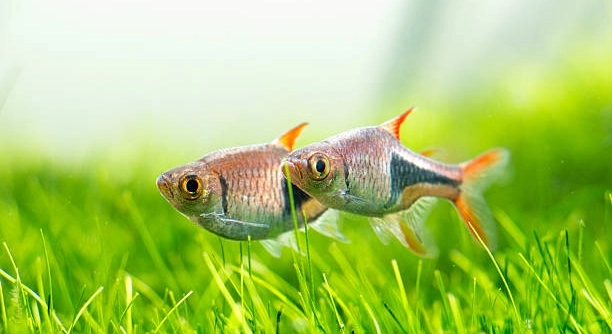
Rasboras are small, peaceful fish that brighten up any aquarium. They are generally hardy, but like all fish, they can fall ill quietly. Observing their daily behavior is key to keeping them healthy and active.
Subtle changes in swimming patterns, reduced appetite, discoloration, clamped fins, lethargy, or abnormal gill movement are often the first indicators of illness in rasboras. Early detection and intervention are critical to prevent further health decline and mortality.
Noticing these signs early ensures your rasboras receive proper care. Maintaining a clean tank and monitoring behavior can make all the difference in their well-being.
Changes in Swimming Patterns
When rasboras start swimming differently, it is often the first sign something is wrong. They may dart around nervously, float near the surface, or struggle to maintain balance. These changes are usually subtle at first and easy to overlook. Even small deviations from normal behavior can indicate stress or illness. Watching your fish daily allows you to spot these shifts early. Tank conditions, such as water temperature, pH, and cleanliness, play a significant role in their behavior. Poor water quality can stress fish, making them more prone to infections. Observing patterns over time helps you distinguish between normal variation and potential sickness. If you notice repeated abnormal movements, it’s important to act quickly. Adjusting the tank environment and monitoring closely can prevent minor issues from escalating. Early attention often results in better recovery and keeps your rasboras healthy and active.
Abnormal swimming is a clear signal that tank conditions or health may need immediate attention.
Paying attention to these patterns not only highlights potential illness but also guides adjustments in care, feeding, and habitat maintenance. Consistent observation allows for timely interventions, preventing long-term health problems and maintaining a stable, thriving aquarium environment.
Loss of Appetite
A sudden drop in appetite is a common sign that rasboras are unwell.
Rasboras that stop eating or show reduced interest in food may be experiencing stress, infections, or internal parasites. Their metabolism can slow down when they are sick, and even regular feeding times may not entice them. Consistent monitoring of feeding habits is essential to detect this early. In some cases, adjusting the diet to include more easily digestible or higher-quality food can help, but if the appetite does not return quickly, further investigation is needed. Nutrient deficiencies or poor water quality can also contribute to this issue. Noticing even small changes in feeding behavior allows for prompt corrective action, preventing serious health decline. Regular observation, combined with proper tank management, helps ensure rasboras maintain strength, immunity, and overall vitality. Addressing appetite loss promptly reduces the risk of long-term health complications.
Discoloration
Discoloration in rasboras often signals stress or illness. Faded colors, dark spots, or unusual patches can indicate bacterial infections, poor water quality, or internal issues.
Changes in coloration usually appear gradually, but they can worsen if ignored. Water parameters like pH, ammonia, nitrite, and nitrate levels significantly affect their skin and fin colors. Stress from overcrowding or incompatible tank mates can also cause fading. Some illnesses, like fungal or bacterial infections, may produce specific patterns or lesions on their bodies. Observing the timing and location of discoloration can help determine the underlying problem. Promptly correcting water conditions, reducing stressors, and isolating affected fish can prevent further deterioration and support recovery.
Consistent observation is key, as early detection of color changes allows timely interventions. Monitoring your rasboras closely ensures their colors remain vibrant and their overall health stable.
Clamped Fins
Clamped fins are a strong indicator that rasboras are unwell. The fins may appear tight against the body rather than spread naturally.
This behavior is commonly caused by stress, poor water quality, or infections. Clamped fins reduce mobility and make it harder for the fish to swim properly. They may stay near the bottom or hide more often, conserving energy. Infections like fin rot or parasitic infestations can exacerbate this condition. Keeping water clean, maintaining proper temperature, and observing interactions with other fish are crucial to addressing this issue. Timely treatment of infections or environmental adjustments often restores normal fin posture and activity levels.
Persistent clamped fins can indicate a deeper problem if not addressed quickly. Observing changes alongside other symptoms like lethargy or discoloration helps identify the root cause, ensuring proper care and recovery for your rasboras.
Lethargy
Lethargy is one of the most noticeable signs of illness in rasboras. A fish that usually swims actively may suddenly remain near the bottom or hide for long periods.
Reduced movement can result from stress, poor water quality, or infection. Energy conservation is a natural response to discomfort or weakened health.
Abnormal Gill Movement
Rapid or labored gill movement often indicates oxygen deficiency, irritation, or gill disease. It can also result from ammonia or nitrite spikes in the tank. Monitoring water parameters and ensuring proper aeration is essential to prevent further health decline.
Flashing or Rubbing
Flashing, when rasboras rub their bodies against objects, often signals external parasites or skin irritation. It is a protective response to discomfort, and frequent rubbing should prompt immediate observation and treatment to prevent worsening conditions.
FAQ
What causes rasboras to get sick so quietly?
Rasboras are naturally small and stoic fish, which means they often hide symptoms until the illness progresses. Subtle changes in swimming, appetite, or color can be early signs. Stress from poor water quality, incompatible tank mates, or sudden environmental changes often triggers these illnesses. Identifying the cause quickly allows for more effective treatment and prevents the problem from worsening. Maintaining a stable, clean environment reduces the likelihood of hidden illnesses and supports their natural resilience.
How can I prevent my rasboras from getting sick?
Consistent tank maintenance is key. Regular water changes, monitoring temperature, pH, ammonia, nitrite, and nitrate levels keep conditions ideal. Avoid overcrowding and ensure the tank has hiding spots and plants for comfort. Feeding a balanced diet in appropriate amounts strengthens immunity. Quarantining new fish before introducing them to the main tank prevents introducing diseases. Observing daily behavior and noting any deviations early can catch issues before they become serious.
What should I do if I notice abnormal swimming or clamped fins?
First, check water quality. Poor conditions are often the cause of stress-related behaviors. Adjust temperature, pH, and clean the tank if needed. If water is optimal, examine for signs of infection or parasites. Isolate affected fish in a quarantine tank to prevent spread and allow targeted treatment. Medications or salt baths can be used depending on the diagnosis. Frequent observation ensures the fish recover fully and prevents relapses.
Why is loss of appetite dangerous for rasboras?
Reduced feeding quickly affects their energy, immune function, and recovery from illness. A fish that stops eating may become weak and more vulnerable to secondary infections. Monitoring feeding patterns daily helps catch this early. Offering high-quality or easily digestible foods may stimulate appetite, but persistent refusal often requires further investigation into water quality, disease, or stressors in the tank.
How do I treat discoloration and skin changes?
Discoloration can result from stress, bacterial infections, parasites, or poor water conditions. Improving water quality and ensuring a balanced diet often reverses mild fading. For bacterial or parasitic infections, medicated treatments or salt baths may be necessary. Observe patterns of discoloration to help identify the problem. Isolating affected fish can prevent the spread of infection. Maintaining a clean, stable environment helps the skin regain natural coloration and reduces stress.
What are the most common gill-related problems?
Rapid, labored, or irregular gill movement often signals oxygen stress, ammonia or nitrite spikes, or gill infections. Ensure proper aeration and check water parameters immediately. External parasites may also irritate gills, causing the fish to gasp at the surface. Early intervention, including partial water changes, aeration improvement, or appropriate medication, is essential for preventing long-term damage.
When should I consult a professional or experienced aquarist?
If symptoms persist despite adjusting water conditions, diet, and stressors, professional advice is important. Persistent lethargy, rapid gill movement, discoloration, or fin rot can worsen quickly. An experienced aquarist or veterinarian can provide accurate diagnosis and treatment, especially for bacterial, fungal, or parasitic infections. Timely consultation ensures better recovery chances and protects other tank inhabitants.
Are there long-term effects if illness goes unnoticed?
Yes. Untreated illness can lead to permanent organ damage, stunted growth, or death. Hidden infections may spread to other tank mates, making the problem more severe. Early observation and intervention are critical. Maintaining a healthy environment and closely monitoring behavior minimizes the risk of long-term consequences and keeps the tank balanced and safe.
Can stress alone make rasboras sick?
Chronic stress weakens their immune system, making them more susceptible to infections. Causes include poor water quality, overcrowding, sudden environmental changes, or aggressive tank mates. Addressing stressors, providing hiding spaces, and maintaining a stable environment significantly improves their resilience and overall health.
What is the best approach to ongoing health monitoring?
Observe daily behavior, appetite, coloration, and fin posture. Keep a simple log to track subtle changes. Regular water testing, tank cleaning, and balanced feeding routines are essential. Early detection combined with preventive care ensures your rasboras stay healthy, active, and vibrant.
Rasboras are small, peaceful fish that bring life and color to an aquarium, but their subtle nature means they can hide signs of illness until it becomes serious. Paying close attention to their daily behavior is essential for maintaining their health. Small changes in swimming patterns, appetite, coloration, or fin posture are often the first indicators that something is wrong. Observing your fish consistently allows you to spot these early warning signs before they escalate into serious problems. A stable, clean tank with proper water conditions and appropriate companions provides the best environment for rasboras to thrive. Keeping their surroundings predictable and stress-free not only supports their physical health but also encourages natural, active behavior, making it easier to notice any deviations that may suggest illness.
Maintaining water quality is one of the most important aspects of preventing illness. Ammonia, nitrite, and nitrate levels should be monitored regularly, and partial water changes should be performed consistently to keep these levels safe. Temperature and pH should be stable and suitable for rasboras, as fluctuations can cause stress that weakens their immune system. Overcrowding, aggressive tank mates, or sudden changes in lighting or filtration can also trigger stress-related illnesses. Providing plants, hiding spots, and open swimming space helps rasboras feel secure while reducing the impact of environmental stressors. A balanced diet that meets their nutritional needs further supports immunity and overall vitality. Feeding small portions multiple times a day and removing uneaten food reduces the risk of water contamination, which can lead to illness.
Prompt action when signs of sickness appear is crucial. Isolating affected fish in a quarantine tank prevents the spread of disease and allows for targeted treatment. Treatments may include adjustments to water quality, dietary changes, or the use of appropriate medications depending on the diagnosis. Observing the fish during recovery ensures they regain strength and return to normal behavior. Prevention is always preferable to treatment, so maintaining consistent care routines and monitoring health closely is the most effective strategy. By staying attentive and proactive, rasboras can live healthy, active lives in your aquarium, and small changes in their behavior can serve as early signals that keep them safe and thriving over the long term.

Hello,
If you enjoy the content that we create, please consider saying a "Thank You!" by leaving a tip.
Every little bit helps us continue crafting quality advice that supports the health, happiness, and well-being of pets around the world, for pets of all shapes, sizes, and species.
We really appreciate the kindness and support that you show us!