
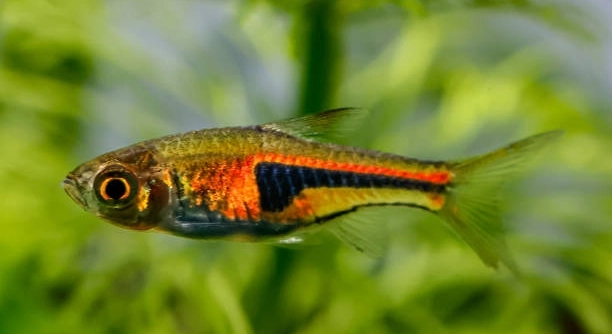
Rasboras are small, active fish that thrive in lively environments. Their behavior is often linked to social interaction, and they naturally form groups to feel secure and confident in their surroundings. Watching them alone can seem unusual.
Rasboras exhibit signs of stress and reduced activity when kept without a group. Lack of social stimulation can lead to lethargy, decreased feeding, and disrupted natural behaviors, showing that group interaction is essential for their overall well-being and normal activity levels.
Understanding how social dynamics affect rasboras can improve their care. Observing their behavior in different settings provides insight into their needs and health.
How Rasboras Behave in Groups
Rasboras are naturally schooling fish, and their behavior changes noticeably when they are in groups. In a group, they swim together, dart around the tank, and explore more actively. They feel safer and less stressed because the presence of others gives them a sense of security. Watching a small group, you can see synchronized movements, quick turns, and occasional playful interactions. Without companions, these fish often become less confident, hiding more often and moving slowly. Social interaction encourages natural behaviors, including foraging and exploring. Tanks with multiple rasboras show a livelier environment and healthier fish, as group presence helps maintain mental stimulation. Observing their activity gives clear signs of well-being, showing how important companionship is for these small, social creatures. Even feeding becomes more interactive, as they respond to each other’s movements and actions. A single rasbora may appear bored or stressed because it lacks the cues and energy of its group.
Rasboras are more active and display natural behaviors when kept in groups rather than alone.
Group settings improve mental stimulation, encourage exploration, and reduce stress, making rasboras healthier and more lively.
Signs Your Rasbora May Be Lonely
Lethargy, hiding, and decreased feeding are common indicators that a rasbora is lacking social interaction.
Lonely rasboras may spend most of their time near the tank bottom, show dull coloration, and fail to respond to tank activity. Their energy levels drop, and normal behaviors like chasing food or swimming in schools diminish. Over time, isolation can lead to stress-related health problems, including weakened immunity and slower growth. Adding more rasboras or similar peaceful tank mates can restore activity levels and encourage natural behaviors. Even small increases in social interaction make a noticeable difference. Observing how your fish reacts when new companions are introduced can help gauge their comfort and confidence. A well-adjusted group will swim together, explore decorations, and respond quickly to feeding cues. Providing adequate space, hiding spots, and multiple companions ensures that each fish can feel secure and exhibit its natural patterns without aggression or overcrowding. Consistent group activity is key to maintaining their overall health and happiness.
Preventing Boredom in Single Rasboras
Providing hiding spots and decorations helps keep single rasboras active. Small plants, rocks, and gentle currents encourage exploration and movement within the tank.
Even if kept alone, rasboras benefit from visual stimulation. Moving decorations, floating plants, and safe hiding places encourage natural behavior. They may dart between plants, investigate new objects, or swim along the tank walls. Regularly changing tank layout slightly keeps their environment interesting without causing stress. Interaction during feeding time also provides stimulation. Using a variety of foods, such as live or frozen options, encourages foraging and hunting behavior. Maintaining water quality and a stable temperature supports overall health, which indirectly reduces boredom. While group activity is ideal, a well-thought-out tank setup ensures a single rasbora can remain active and engaged, minimizing lethargy and stress over time.
Observation is key. Watching your rasbora’s reactions to new items or changes helps identify what stimulates its natural instincts.
Choosing Companions for Rasboras
Peaceful, similarly sized fish work best as companions. Aggressive or much larger species may cause stress or injury.
When selecting companions, consider temperament, size, and environmental needs. Rasboras do well with other small, non-aggressive species like tetras, guppies, or other rasbora types. Avoid fish that are territorial or highly active predators, as they can intimidate or harm your fish. Introducing companions gradually helps reduce stress and allows the fish to adjust. Observing initial interactions is important to ensure harmony within the tank. Companions encourage schooling behavior, improve mental stimulation, and reduce signs of loneliness. Adequate space and hiding spots for all tank inhabitants are essential to prevent conflicts. Matching water parameters, such as pH, temperature, and hardness, ensures all species thrive together. By carefully selecting tank mates, you create a lively, balanced environment where rasboras feel secure, active, and healthy, reinforcing their natural social behavior.
Benefits of Group Activity
Rasboras in groups are more active and confident. Swimming together reduces stress and encourages natural behaviors like foraging and exploring.
Group activity strengthens social bonds, enhances movement, and keeps the fish mentally stimulated. A lively school is a sign of healthy, happy rasboras.
Tank Setup for Social Interaction
Providing an appropriately sized tank is essential for group dynamics. Overcrowding can cause stress, while too much space may make coordination difficult. Plants, rocks, and gentle currents create hiding spots and encourage exploration. Observing how the group interacts helps determine whether adjustments are needed. Regular maintenance and clean water ensure the fish remain active and healthy.
Monitoring Individual Behavior
Watching each rasbora helps detect signs of stress or inactivity. Early observation prevents health issues.
FAQ
How many rasboras should I keep together?
Rasboras are schooling fish and feel most comfortable in groups of at least six. Smaller groups can lead to stress and lethargy, while larger groups allow natural schooling behavior to appear more prominently. The size of your tank should accommodate the number of fish comfortably, giving them space to swim and interact without overcrowding.
Can a single rasbora survive alone?
A single rasbora can survive, but it will often show signs of stress, reduced activity, and hiding behavior. Without companions, the fish lacks social stimulation that encourages natural behaviors. A well-decorated tank with hiding spots and visual stimulation can help a single rasbora stay engaged, but group activity is always preferable.
What are signs that my rasboras are bored or stressed?
Signs include lethargy, hiding constantly, faded coloration, reduced appetite, and lack of swimming activity. Fish may ignore food or fail to interact with tank mates. Stress can also make them more susceptible to illness. Observing their daily behavior helps identify these issues early.
How can I encourage social behavior in rasboras?
Adding compatible companions of similar size and temperament encourages natural schooling. Ensure the tank has space for swimming and areas for hiding. Regular feeding routines and environmental changes, like rearranging plants, stimulate curiosity. Monitoring interactions ensures the group remains harmonious and active.
What tank setup is best for group activity?
A tank that is long rather than tall provides enough swimming space for schooling. Include plants, rocks, and gentle currents to create hiding spots and areas for exploration. Clean water and stable temperature promote activity. A well-maintained tank supports social interactions and reduces stress.
Can rasboras be mixed with other fish?
Yes, but companions must be peaceful, similar in size, and share compatible water conditions. Avoid aggressive or territorial species. Small tetras, guppies, or other rasboras work well. Gradual introductions reduce stress and allow the group to adjust naturally.
Does diet affect activity and social behavior?
Yes, a varied diet including flakes, frozen, or live food encourages foraging and movement. Proper nutrition supports energy levels, bright coloration, and overall health. Feeding multiple times a day in small portions keeps rasboras active and engaged.
How often should I observe my rasboras?
Daily observation is ideal. Watch for swimming patterns, group cohesion, and feeding behavior. Early detection of stress, illness, or inactivity allows corrective measures before problems worsen. Interaction with the tank environment also provides clues about boredom or social comfort.
Will rearranging the tank help single rasboras stay active?
Yes, small changes like moving plants, adding decorations, or varying hiding spots provide mental stimulation. This encourages exploration and keeps a single rasbora engaged. Sudden large changes, however, can cause stress, so make adjustments gradually.
What should I do if one rasbora is not participating in group activity?
Check for illness or injury first. Ensure the tank has enough space and hiding spots. Some fish may be naturally shy and take time to join the group. Observing interactions and gradually encouraging movement through feeding or gentle stimulation helps them integrate.
Are there long-term effects of keeping rasboras alone?
Prolonged isolation can lead to chronic stress, weakened immunity, poor growth, and shortened lifespan. Mental stimulation from companions is essential for healthy development. Even a single rasbora with environmental enrichment cannot fully replicate the benefits of a social group.
Is it necessary to have the same species together?
While mixing with similar small, peaceful fish is possible, keeping the same species ensures consistent schooling behavior. Different species may not synchronize swimming, which can affect confidence and group cohesion. Species consistency maximizes social interaction and natural activity patterns.
How do I know my group is balanced?
A balanced group swims together, interacts regularly, and shows minimal aggression. Fish explore the tank and respond to each other’s movements. Uneven distribution, persistent hiding, or chasing indicates imbalance. Adjust tank mates or provide additional hiding spots to restore harmony.
Can environmental enrichment replace group activity?
It helps but cannot fully replace social interaction. Toys, decorations, plants, and feeding routines keep a single fish engaged, but natural schooling behaviors only occur with companions. Combining enrichment with proper group sizes produces the healthiest, most active rasboras.
How much space do rasboras need in a group?
Each fish requires approximately one gallon per inch of body length, but schooling behavior demands extra swimming space. A longer tank with open areas encourages natural movement and reduces stress. Overcrowding limits activity and can increase aggression, even in peaceful species.
How can I gradually introduce new companions?
Use a separate quarantine tank first to check for disease. Introduce new fish slowly, allowing visual contact through a divider before full integration. Monitor initial interactions, offering hiding spots to reduce stress. Gradual introductions increase comfort and help form a cohesive group.
What is the ideal water condition for social rasboras?
Stable temperature around 74–78°F, neutral to slightly acidic pH, and low water hardness create a comfortable environment. Regular water changes and proper filtration maintain clarity and reduce stress. Consistent conditions support social behavior and overall health.
Can boredom affect breeding?
Yes, lack of social stimulation reduces natural mating behaviors. In groups, rasboras display active courtship and synchronized swimming, which promotes breeding. Stress or isolation may prevent reproduction and lead to unhealthy offspring.
How do I encourage shy rasboras to join the group?
Provide hiding spots initially and place food near them to encourage movement. Gradually reduce barriers and allow the fish to observe others. Positive reinforcement through feeding and gentle interaction helps shy individuals integrate without stress.
What are common mistakes in managing rasbora groups?
Overcrowding, aggressive tank mates, inconsistent water conditions, and lack of enrichment reduce activity. Neglecting observation can allow stress or illness to go unnoticed. Proper tank size, compatible companions, and daily care prevent these issues and promote healthy social behavior.
How important is lighting for activity?
Moderate lighting encourages natural movement and feeding. Too bright light may cause hiding, while very dim conditions reduce activity. Balanced lighting supports normal behavior and reinforces group interaction.
Can rasboras play or show curiosity?
Yes, schooling encourages exploration of new objects, plants, or tank rearrangements. Movement patterns, chasing floating food, or investigating decorations are signs of curiosity and engagement. This behavior is enhanced in groups, showing their natural intelligence and responsiveness.
How do I manage multiple schools in one tank?
Provide ample space and separate hiding areas. Ensure each school has enough room to swim and interact without competition. Observation helps identify stress points. Balanced group sizes and compatible species maintain harmony and reduce territorial disputes.
Is there a difference between species in social needs?
Yes, some rasbora species are more active and require larger groups to feel secure, while others tolerate smaller numbers. Researching the specific species’ social behavior ensures proper care and reduces stress. Group size, tank layout, and companions should match species-specific needs.
Can older rasboras adapt to new companions?
Yes, but older fish may take longer to adjust. Gradual introductions, plenty of hiding spots, and gentle monitoring improve integration. Patience and observation ensure older fish maintain confidence and interact comfortably with newcomers.
How often should tank enrichment be changed?
Small changes every few weeks keep fish engaged without causing stress. Rearranging plants, adding new objects, or introducing floating elements encourages exploration and mimics natural environmental variation, enhancing social behavior and activity levels.
What is the best way to feed a group of rasboras?
Feed small portions multiple times a day. Scatter food to encourage movement and reduce competition. Using live, frozen, or flake foods stimulates natural foraging and interaction, promoting healthy social activity and maintaining energy levels.
How does water current affect schooling behavior?
Gentle currents encourage movement and coordination among rasboras. Strong currents can stress fish and reduce schooling efficiency. Proper flow stimulates activity, supports health, and enhances social interaction within the group.
Can rasboras recognize individual companions?
Yes, they often adjust behavior based on interactions with familiar tank mates. Recognizing companions helps maintain hierarchy, reduces aggression, and encourages coordinated swimming, making schooling behavior more stable and natural.
Do rasboras need companions of the same size?
Yes, similar-sized fish prevent intimidation and competition. Large differences in size can stress smaller fish or lead to aggression, disrupting group cohesion. Balanced size ensures smooth schooling and equal access to resources.
What should I do if a fish refuses to school?
Check for illness, injury, or stress. Provide hiding spots and monitor interactions. Gradually encourage participation through feeding or gentle stimulation. Persistent refusal may require temporary separation for recovery.
How can I tell if my tank is too small for the group?
Signs include constant chasing, stress, frequent hiding, or uneven swimming patterns. Each fish needs enough space to swim freely, with open areas and decorations. Expanding the tank or reducing the number of fish resolves overcrowding issues.
Is temperature fluctuation harmful to group activity?
Yes, sudden changes in temperature can stress rasboras, reduce activity, and disrupt schooling. Maintaining stable temperature within the species’ preferred range ensures normal behavior and overall health.
How do I maintain group harmony over time?
Provide proper space, compatible companions, hiding spots, stable water conditions, and regular observation. Gradual introductions, environmental enrichment, and consistent feeding routines reduce stress, promote activity, and ensure a balanced, cohesive school.
Can rasboras be kept with shrimp or snails?
Yes, peaceful invertebrates can coexist. Ensure the tank has hiding spots for all species. Rasboras generally do not harm small, non-aggressive invertebrates, allowing safe interaction and shared activity without stress.
What is the role of tank decorations in social behavior?
Plants, rocks, and hiding areas create secure spaces, reduce aggression, and stimulate exploration. Decorations mimic natural environments, supporting mental stimulation and encouraging schooling and group interaction, especially in newly introduced or shy fish.
How do I know when it’s time to expand the group?
If rasboras show signs of boredom, reduced activity, or lack of schooling, adding companions can improve social behavior. Ensure the tank can accommodate new members comfortably, maintaining harmony and health within the group.
Can isolated rasboras recover after being alone?
Yes, introducing them to a group gradually and providing enrichment helps restore activity and natural behaviors. Recovery depends on age, health, and time spent in isolation, but social stimulation encourages positive behavioral changes.
How often should I rotate tank decorations for stimulation?
Every few weeks is sufficient. Gradual changes encourage exploration without causing stress. Movement patterns, hiding behavior, and curiosity increase, supporting mental engagement and social interaction for both individual and group settings.
Are there signs that a group is too large?
Yes, overcrowding leads to chasing, stress, aggression, and uneven access to food. A comfortable tank size with open swimming areas and enough hiding spots ensures a balanced, active, and harmonious group.
Can stress affect coloration in rasboras?
Yes, stressed or lonely rasboras may show faded colors. Bright coloration indicates health, comfort, and active social behavior, while dull tones suggest stress or isolation that needs attention.
Is it better to buy juvenile or adult rasboras for a new group?
Juveniles adapt more easily to new companions and establish schooling behavior naturally. Adults may take longer to integrate, but with proper care and gradual introductions, they can adjust successfully.
How do I keep multiple rasbora species together?
Ensure similar size, temperament, and water requirements. Monitor interactions for stress or aggression. Provide ample swimming space and hiding spots to allow coexistence while maintaining natural schooling behavior.
Can rasboras be trained to recognize feeding times?
Yes, regular feeding schedules teach them to associate activity with food. This encourages movement, interaction, and social coordination, improving engagement and reducing boredom.
Does lighting schedule impact social behavior?
Consistent light cycles support normal activity and feeding routines. Too much or too little light can cause hiding or inactivity. A balanced schedule encourages schooling and interaction while maintaining health and natural rhythms.
Are there behavioral differences between male and female rasboras?
Males may be more active or display brighter colors during group interactions. Females are often calmer but respond to social cues. Observing both helps ensure a balanced group and proper social dynamics.
What should I do if one rasbora is aggressive toward others?
Provide extra hiding spots and monitor interactions. Sometimes separating temporarily reduces stress. Ensure tank size is adequate and companions are compatible. Gradual reintegration usually restores harmony.
How important is water quality for social behavior?
High water quality reduces stress, prevents disease, and supports active swimming. Filtration, regular changes, and monitoring parameters maintain health, encouraging schooling, feeding, and engagement in the group.
Can seasonal changes affect rasbora activity?
Yes, slight changes in temperature or light can alter movement patterns and schooling behavior. Maintaining consistent conditions minimizes stress and keeps social dynamics stable.
Is it normal for rasboras to swim alone occasionally?
Yes, occasional solo swimming happens but should not dominate their behavior. Persistent isolation may indicate stress, illness, or tank imbalance that requires attention.
How do I introduce environmental enrichment without stressing the group?
Add items gradually, such as new plants or decorations. Observe reactions and avoid sudden large changes. Gentle stimulation encourages exploration and interaction without overwhelming the fish.
Can a tank with no plants still support social behavior?
Yes, but plants and hiding spots improve confidence, reduce stress, and encourage natural schooling. Bare tanks require more effort in enrichment and monitoring to maintain activity and engagement.
How can I ensure long-term happiness for my rasboras?
Provide adequate companions, proper tank size, environmental enrichment, consistent feeding, and stable water conditions. Regular observation and small changes prevent boredom and stress, supporting active, healthy, and socially engaged fish over time.
Are there tools to monitor group activity?
Observation is key, but video recording can help track behavior patterns. Noting feeding responses, swimming coordination, and interactions over time ensures the group remains healthy and active.
Do rasboras interact differently in small vs. large groups?
Yes, small groups may appear shy or less active. Larger groups display synchronized schooling, more confidence, and natural behaviors. Group size affects energy levels, engagement, and overall health.
Can sudden changes in tankmates cause stress?
Yes, introducing new fish abruptly can lead to hiding, aggression, or reduced activity. Gradual introductions, proper quarantine, and monitoring minimize stress and support smooth integration.
How important is hiding space in a group tank?
Essential. Hiding spots reduce stress, prevent aggression, and allow fish to feel secure. Even in well-established groups, these areas promote confidence and encourage active participation in schooling.
Does water flow encourage or discourage social behavior?
Gentle currents encourage coordinated swimming and exploration. Strong flows can stress fish and disrupt schooling. Proper water movement maintains activity and supports natural interactions.
How often should I feed a group of rasboras?
Two to three small feedings per day keep energy levels consistent. Multiple portions reduce competition, stimulate foraging, and encourage active social behavior within the school.
Can rasboras adapt to a tank with mixed lighting?
Yes, but gradual adjustments are best. Shaded areas and moderate light support exploration and reduce stress. Consistent light cycles maintain activity and social cohesion.
What happens if a rasbora is left alone for weeks?
Extended isolation leads to stress, reduced activity, and potential health decline. Even environmental enrichment cannot fully replace the benefits of group interaction. Introducing companions promptly improves behavior and well-being.
Is it normal for rasboras to show temporary aggression?
Yes, minor chasing or dominance displays are normal as they establish hierarchy. Persistent or harmful aggression may indicate overcrowding, incompatible companions, or stress, requiring intervention.
How do I maintain water temperature for optimal social behavior?
Use a reliable heater and thermometer to keep stable temperature. Avoid sudden fluctuations, as they reduce activity, disrupt schooling, and increase stress, affecting group cohesion.
Can social behavior vary between morning and evening?
Yes, activity levels may fluctuate with light and feeding cycles. Most rasboras are more active during feeding times and moderate light, reflecting natural daily rhythms.
How do I prevent bullying in a rasbora group?
Provide ample space, hiding spots, and compatible companions. Monitor interactions and separate aggressive individuals if needed. Proper group size and environmental enrichment reduce conflict and support harmony.
Are rasboras more active in planted or bare tanks?
Planted tanks encourage exploration, hiding, and interaction, boosting social behavior. Bare tanks may limit activity and confidence, requiring extra enrichment to maintain engagement.
Can stress from water quality affect schooling?
Yes, poor water conditions reduce swimming coordination, increase hiding, and disrupt social behavior. Maintaining clean, stable water is crucial for healthy group dynamics.
Do rasboras need light variation for social interaction?
Moderate and consistent light supports activity, feeding, and schooling. Sudden changes can cause stress and reduce social engagement. Proper lighting enhances natural behavior patterns.
How often should I check water parameters for a group tank?
Weekly testing of pH, temperature, ammonia, nitrites, and nitrates ensures stable conditions. Consistent water quality prevents stress, illness, and inactivity, supporting active schooling behavior.
Can introducing new plants affect social dynamics?
Yes, it provides hiding spots and stimulates exploration. Gradual introduction ensures the group adapts without stress, enhancing activity and confidence in their environment.
Are there specific behaviors that indicate happiness in rasboras?
Active swimming, synchronized schooling, bright coloration, curiosity, and regular feeding indicate content, socially engaged fish. Calm interactions without excessive hiding or chasing reflect a healthy, balanced group.
Do rasboras prefer shallow or deeper areas in the tank?
They generally occupy mid to upper levels but explore deeper areas for hiding and foraging. Providing a variety of depths supports activity, exploration, and group cohesion.
How can I encourage shy rasboras to explore more?
Provide hiding spots initially, scatter food near them, and avoid sudden disturbances. Gradual exposure to the tank and companions helps them join group activity confidently.
Is tank size more important than the number of companions?
Both are important. Adequate space allows schooling behavior, while enough companions ensure social stimulation. Balance between tank size and group number prevents stress and supports active interaction.
Can temperature drops reduce activity even in groups?
Yes, lower temperatures slow metabolism, reduce swimming, and disrupt social behavior. Maintaining stable, optimal temperature keeps the group active and coordinated.
What are long-term benefits of group activity?
Improved mental stimulation, reduced stress, stronger immunity, natural behavior expression, and overall health. Group activity ensures rasboras remain lively, confident, and socially engaged throughout their lifespan.
**How
Rasboras are naturally social fish, and their well-being depends largely on the presence of companions. When kept in groups, they exhibit natural behaviors such as schooling, exploring, and active feeding. These behaviors are important not only for physical health but also for mental stimulation. A solitary rasbora, even in a well-maintained tank, may display signs of stress, reduced activity, and hiding behavior. Providing a proper group ensures that the fish feel secure and confident, allowing them to show their natural instincts. Observing a healthy group of rasboras reveals synchronized swimming, curiosity, and coordinated movements, which are key indicators of their comfort and happiness. The simple act of keeping multiple rasboras together creates a livelier, more engaging environment, which benefits both the fish and the observer.
Tank setup and environmental enrichment also play an important role in supporting rasbora behavior. A long tank with adequate swimming space, gentle currents, and a mix of hiding spots encourages exploration and reduces stress. Plants, rocks, and decorations allow the fish to navigate safely while providing mental stimulation. Even in a group, the tank should be arranged to give each fish enough space to move freely without feeling crowded. Regular maintenance, stable water conditions, and consistent feeding routines reinforce a secure environment where natural behaviors can flourish. For solitary rasboras, enrichment can include moving decorations, adding floating plants, and varying feeding locations. While these measures cannot fully replace social interaction, they help maintain activity and reduce boredom when companions are not available. Paying attention to these details ensures that rasboras remain active, healthy, and comfortable in their habitat.
Monitoring the behavior of your fish is key to long-term care. Signs of stress, lethargy, or aggression should be addressed promptly, whether through adjusting group size, rearranging the tank, or improving water quality. Introducing new companions gradually and providing a compatible, peaceful group can enhance social interaction and reduce anxiety. Likewise, observing how individual fish respond to environmental changes provides insight into their preferences and comfort levels. Over time, a balanced group of rasboras in a well-maintained tank will show increased energy, brighter coloration, and more consistent schooling behavior. Understanding these factors allows caretakers to create an environment that meets both the physical and social needs of their fish. By prioritizing group activity, proper tank setup, and attentive observation, rasboras can thrive, displaying natural behavior patterns and maintaining overall health throughout their lifespan.

Hello,
If you enjoy the content that we create, please consider saying a "Thank You!" by leaving a tip.
Every little bit helps us continue crafting quality advice that supports the health, happiness, and well-being of pets around the world, for pets of all shapes, sizes, and species.
We really appreciate the kindness and support that you show us!