
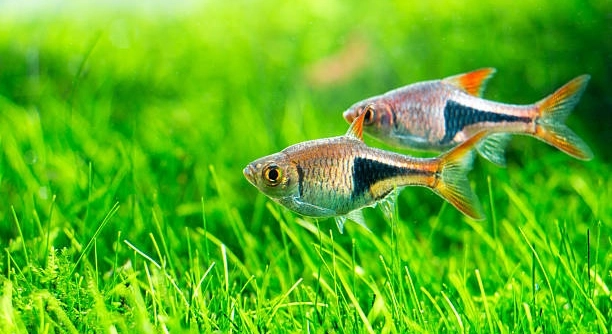
Do your rasboras swim quickly across the tank, seemingly startled by their own reflections? Many aquarium owners notice these small fish reacting to mirrors or shiny surfaces, making their behavior both amusing and intriguing to observe.
Rasboras can be distracted by reflections because they often perceive them as other fish. The visual stimulus can trigger social, territorial, or exploratory responses, causing noticeable changes in swimming patterns and attention within the aquarium environment.
Understanding this behavior helps improve tank management and enriches the daily observation experience for both the fish and their owners. It also informs better aquarium setup practices for these delicate species.
How Reflections Affect Rasbora Behavior
Rasboras are small, active fish that react quickly to changes in their environment. Reflections in the aquarium often catch their attention, causing sudden darting or repeated swimming along the glass. These reactions are typically harmless but can indicate stress if they become constant. The movement and flashes of light from reflections mimic the presence of other fish, triggering instinctual behaviors such as chasing or fleeing. In some cases, rasboras may even attempt to interact with their mirrored image, believing it is another member of their school. This behavior is more noticeable in tanks with strong lighting or polished glass, where reflections are clearer. Over time, repeated distraction can tire the fish or cause temporary stress, so careful placement of decorations and strategic lighting can help minimize excessive reactions. Observing how your rasboras respond provides insight into their social instincts and comfort levels in their environment, allowing for a healthier aquarium.
Controlling reflections in the tank can reduce stress. Using plants, background materials, or diffused lighting helps limit sudden visual stimuli and keeps rasboras calmer.
Rasboras are naturally social, so they react to movement near them. When reflections mimic other fish, they trigger natural schooling behaviors, including following, circling, or chasing. This response is more intense in smaller tanks or when fish feel territorial. Limiting reflective surfaces and ensuring enough hiding spots reduces unnecessary stimulation. Over time, the fish can become accustomed to occasional reflections, showing less frequent reactions. Maintaining a stable environment with consistent lighting and minimal sudden changes also supports their well-being. Regular observation of their behavior helps identify patterns that may indicate stress or discomfort. Simple adjustments, like rearranging tank decorations or adding a background, can make a noticeable difference in behavior. Understanding how reflections influence activity allows owners to create a balanced space where rasboras can swim freely without constant distractions, ensuring they remain active yet comfortable in their aquarium habitat.
Minimizing Reflection Stress
Reducing reflections involves careful tank setup. Positioning light sources away from reflective surfaces prevents constant distractions and promotes a calmer environment.
Using soft lighting, matte backgrounds, and strategically placed plants helps break up reflective surfaces. These measures limit sudden visual stimuli and encourage natural swimming patterns. Observing your fish during these adjustments ensures their behavior remains healthy. Over time, fish will be less reactive, focusing on swimming and interacting normally rather than responding to their own mirrored images. Consistency in tank conditions, including light schedules and decor placement, supports their adjustment and reduces prolonged stress. Maintaining clean glass is also important, as grime or smudges can alter reflections and unexpectedly trigger reactions. By managing reflections effectively, rasboras can display their natural, active behavior without unnecessary interruptions, leading to a more balanced and comfortable aquarium environment for both the fish and their owner.
Signs Your Rasboras Are Distracted
Rasboras may swim erratically, circle repeatedly, or hover near the glass when distracted by reflections. Increased movement and rapid changes in direction are common signs that the fish perceive a reflection as another fish in their territory.
Constant distraction can lead to temporary stress, which may show as reduced appetite or less schooling behavior. Fish that spend too much time interacting with reflections may tire quickly, affecting their overall activity. Monitoring these behaviors helps determine whether reflections are causing unnecessary stimulation and if adjustments to lighting or decor are needed to maintain a calm environment.
Behavioral changes from reflections can also include increased aggression or chasing between fish in the same tank. Even subtle reactions, like small flares or brief bursts of swimming, indicate the presence of stimuli perceived as other fish. Providing visual barriers or adding plants can reduce these responses. Observation over several days allows owners to notice patterns and make adjustments that promote comfort and natural schooling behavior without unnecessary stress.
Adjusting Your Tank Setup
Removing reflective surfaces or placing backgrounds behind the tank reduces constant visual stimuli. Matte or textured decorations can also help diffuse reflections, keeping rasboras calmer.
Proper tank placement is essential. Avoid positioning the aquarium near windows or bright lights that create glare. Adding live plants or ornaments breaks up sightlines, preventing repeated exposure to reflections. Observing the fish after these changes ensures they adjust comfortably. Consistency in light timing and placement of objects helps rasboras feel secure. This approach minimizes unnecessary stress, allowing the fish to maintain normal swimming and schooling patterns while enjoying a balanced environment.
Common Mistakes to Avoid
Placing the tank too close to windows or shiny surfaces can create constant reflections. Overhead lighting that is too bright may also trigger repeated distractions.
Using highly reflective decorations, such as polished rocks or glass ornaments, can amplify the issue. Choosing matte or natural-looking items reduces visual stimulation for rasboras.
Benefits of a Calm Environment
A tank with minimal reflections allows rasboras to focus on natural swimming and social interactions. Reducing distractions lowers stress levels, which can improve appetite and overall health. Consistent lighting, stable decorations, and well-planned plant placement contribute to a more predictable environment. This stability encourages natural schooling behavior and prevents unnecessary energy expenditure from reacting to reflections. Over time, calmer fish display more balanced activity, better coloration, and a stronger immune system. A carefully arranged tank helps rasboras thrive while allowing owners to enjoy observing their natural behavior without constant interruptions.
Observing Adjustment Patterns
Tracking behavior after changes shows whether the fish adapt well. Note differences in swimming, schooling, and interaction with decorations.
FAQ
Can reflections harm my rasboras?
Reflections are not directly harmful, but they can cause temporary stress if fish react excessively. Constant chasing or darting can tire them out, reduce feeding, or make them less social. Managing reflections with proper lighting, backgrounds, or plants helps keep the tank environment calm and comfortable.
Why do rasboras react more in small tanks?
In smaller tanks, reflections are easier to see, and fish feel more confined. This amplifies their reactions because the mirrored image seems closer and more realistic. Providing hiding spots and arranging decor to break up reflections reduces constant stimulation, helping fish feel less threatened or distracted.
Do all rasbora species react the same way?
Not all species respond identically. Some, like harlequin rasboras, may be more sensitive to visual stimuli, while others are less reactive. Observation is key. Monitoring how each species behaves in the presence of reflections ensures that adjustments can be made to maintain calm conditions tailored to their specific needs.
How can I reduce reflections without changing the tank location?
Use matte backgrounds or place plants strategically to block sightlines. Adjusting lighting to minimize glare and avoiding reflective decorations helps. Even small changes, like angling ornaments or adding moss or driftwood, can prevent the fish from seeing constant reflections while keeping their environment natural.
Can rasboras get used to reflections over time?
Yes, fish may gradually adapt to occasional reflections. If distractions are not constant, they often learn to ignore their mirrored image. Maintaining a consistent tank setup and limiting sudden visual stimuli supports this adjustment, allowing rasboras to focus on swimming and social interactions instead of reacting repeatedly to reflections.
Does reflection affect their schooling behavior?
Reflections can temporarily disrupt schooling. Fish may chase or follow their mirrored image instead of staying with the group. Over time, with reduced reflective surfaces and calmer lighting, schooling behavior returns to normal. Observing interactions helps ensure the group remains cohesive and stress-free.
Is aggressive behavior linked to reflections?
Yes, sometimes. When fish perceive their reflection as another intruder, they may display chasing or flaring behaviors. Aggression is usually temporary and decreases with reduced reflections or added visual barriers. Careful tank arrangement and monitoring prevent prolonged conflicts and maintain harmony among tank mates.
Do reflections impact feeding?
Occasional reflections usually do not affect appetite, but constant visual distractions may cause hesitation or missed meals. Keeping feeding times consistent and ensuring minimal reflections during these times encourages normal eating habits and reduces stress.
What materials are best for reducing reflections?
Matte backgrounds, plants, driftwood, and unpolished rocks are ideal. Avoid shiny ornaments or glass items that create mirrors. Soft lighting or diffused LED setups further limit reflections, helping rasboras remain focused on natural behaviors rather than chasing mirrored images.
How often should I monitor my fish for stress from reflections?
Daily observation is best. Watch for erratic swimming, chasing, or reduced interaction with tank mates. Note changes over weeks to see if adjustments to decorations, lighting, or background placement are effective. Regular monitoring ensures a comfortable environment that supports both activity and health.
Can adding more fish reduce distraction from reflections?
Sometimes, adding more of the same species can help by shifting attention from reflections to real companions. However, overstocking can increase stress and competition. Balance the number of fish with tank size and hiding spaces to maintain a calm, healthy environment.
Are reflections more noticeable in certain lighting conditions?
Bright overhead lighting or direct sunlight can intensify reflections. Dimmer, diffused lighting reduces glare and minimizes visual triggers. Adjusting light placement and intensity ensures the tank stays visually calm while still highlighting fish colors and natural features.
Do other fish react the same way as rasboras?
Many schooling fish may react similarly, but sensitivity varies. Rasboras are particularly alert to movement and visual cues. Observing each species helps determine if reflections are causing stress and allows tailored strategies to reduce distractions and promote natural behaviors.
How do I know if my adjustments are working?
Look for calmer swimming, consistent schooling, normal feeding, and reduced chasing of reflections. Behavioral improvements indicate successful adjustments. Small, gradual changes combined with observation ensure the environment is optimized without causing additional stress or disruption to daily routines.
Can reflections affect breeding behavior?
Excessive visual stimulation may temporarily interfere with courtship or pairing, as fish focus on their mirrored image rather than mates. Reducing reflections and maintaining stable conditions supports natural breeding behavior and helps fish concentrate on reproduction rather than distractions.
Are there quick fixes for sudden reflections?
Yes. Covering reflective surfaces temporarily, adjusting lighting, or moving decorations can quickly reduce distractions. These short-term fixes calm fish while more permanent solutions, like adding plants or backgrounds, are implemented. Monitoring response ensures the measures are effective without causing additional stress.
Do reflections matter less in larger tanks?
Larger tanks naturally reduce the intensity of reflections because fish have more space and varied visual stimuli. However, concentrated light or highly polished surfaces can still create noticeable reflections. Maintaining a balanced setup remains important regardless of tank size.
Can reflections lead to long-term stress?
Prolonged exposure to constant reflections without mitigation can contribute to long-term stress, affecting health, activity, and immune function. Observing behavior and implementing strategies to reduce repeated distractions ensures fish remain active, healthy, and comfortable in their environment.
What is the simplest way to minimize reflections immediately?
Adding a matte background, repositioning lights, and placing a few plants near reflective surfaces provides immediate relief. Small adjustments like this reduce visual stimuli and prevent constant reactions, giving rasboras a calmer, more natural environment to swim and interact.
How important is consistency in tank setup?
Very important. Regular lighting schedules, stable decorations, and minimal changes in layout support fish adaptation and reduce stress from reflections. Predictable environments allow rasboras to focus on normal behavior, promoting better health, activity, and social interactions in the tank.
Final Thoughts
Rasboras are small, lively fish that react quickly to changes in their surroundings. Reflections in the tank can catch their attention, sometimes causing sudden bursts of swimming or repeated chasing. While this behavior is natural, constant distraction may increase stress levels and tire the fish over time. Observing these reactions helps aquarium owners understand how visual stimuli affect rasboras. Simple adjustments like adding plants, matte backgrounds, or unpolished decorations can significantly reduce reflections. Even small changes in lighting, such as repositioning overhead lights or using softer bulbs, make a noticeable difference in how calm and comfortable the fish feel in their environment. Over time, maintaining a stable and well-thought-out tank setup ensures that the fish display natural behaviors rather than reacting repeatedly to their mirrored images.
Managing reflections is not only about reducing stress but also about promoting healthier swimming and social interaction among rasboras. These fish are naturally social and thrive when they can interact freely with their tank mates. Constant distractions may interfere with schooling, chasing, or feeding patterns. By arranging the tank to minimize reflective surfaces, the fish can focus on normal behaviors instead of reacting to visual stimuli that mimic other fish. Even adding a few well-placed ornaments or live plants can break up sightlines and reduce the impact of reflections. Observing the fish regularly is essential, as it allows owners to notice subtle changes in behavior, such as less chasing or calmer swimming. Consistent monitoring ensures that any adjustments are effective and that the tank environment supports the fish’s overall health and comfort. Over time, a well-maintained tank helps rasboras remain active, social, and less prone to stress-related behaviors.
Creating an ideal environment for rasboras is about understanding their needs and observing their responses to the tank setup. Reflections are a common occurrence, but they do not have to negatively affect the fish if managed properly. Simple strategies like using matte surfaces, adjusting lighting, and placing decorations thoughtfully can reduce distractions while maintaining a visually appealing tank. Additionally, consistency in tank conditions, including lighting schedules, placement of plants, and routine cleaning, supports the fish’s adaptation to their environment. By paying attention to these details, owners can ensure that rasboras feel secure, swim naturally, and interact socially without unnecessary stress. Over time, these careful considerations lead to healthier, happier fish and a more enjoyable aquarium experience. Creating a stable, calm environment is a key factor in keeping rasboras active, thriving, and displaying their natural behaviors to the fullest.

Hello,
If you enjoy the content that we create, please consider saying a "Thank You!" by leaving a tip.
Every little bit helps us continue crafting quality advice that supports the health, happiness, and well-being of pets around the world, for pets of all shapes, sizes, and species.
We really appreciate the kindness and support that you show us!