
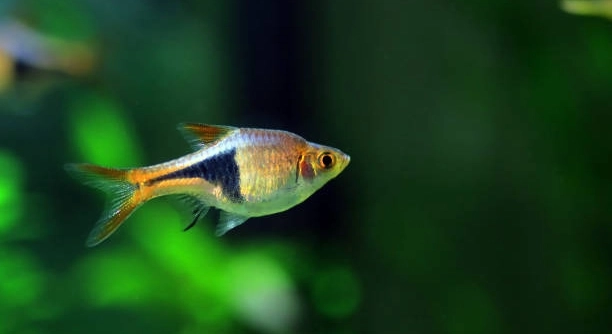
Rasboras are known for their tight schooling behavior, which brings balance to a peaceful aquarium environment. When this grouping changes, it often signals shifts in comfort, health, or surroundings that deserve careful attention from owners.
When rasboras stop grouping, the behavior typically indicates stress caused by environmental instability, illness, or social disruption. Factors such as poor water quality, improper tank size, incompatible tankmates, or sudden changes can interfere with natural schooling instincts over extended periods.
Observing these changes closely helps aquarists restore stability, improve care routines, and support healthier, calmer rasboras long term conditions consistently.
Environmental Changes That Disrupt Schooling
I often notice rasboras lose their grouping when their environment no longer feels stable. Water parameters play a strong role, including temperature swings, rising ammonia, and inconsistent filtration. Even small changes can create discomfort over time. Tank size also matters, since cramped spaces limit movement and increase tension. Bright lighting without shaded areas may leave fish exposed and uneasy. Decorations placed without open swimming space can interrupt natural patterns. Sudden rearranging of the tank can add confusion and stress. When these factors combine, rasboras may separate, hover alone, or hide more often. Their behavior reflects an attempt to cope with surroundings that no longer support safety. Recognizing these signs early allows adjustments that restore calm and encourage schooling again through better environmental balance within aquariums maintained without consistent observation and routine maintenance which can gradually affect fish confidence and social cohesion when left unaddressed for extended periods by caretakers overall.
When conditions decline, grouping weakens quickly. I have learned that subtle changes often appear before visible health issues emerge, making behavior one of the earliest indicators of underlying environmental imbalance within the tank. This shift deserves attention and timely correction to restore stability and comfort for schooling species like rasboras.
Correcting environmental issues starts with testing water regularly and maintaining stable temperatures. I prefer gradual adjustments rather than sudden fixes, which can add stress. Improving filtration, performing consistent water changes, and ensuring proper tank size all support natural behavior. Adding plants or gentle cover can increase security without overcrowding. Lighting should remain moderate and predictable. When these elements are balanced, rasboras usually regain confidence. Over time, schooling returns as the fish feel safer, move together more often, and display calmer swimming patterns that reflect improved conditions within a stable, thoughtfully managed aquarium setting that supports long-term health and social harmony.
Social Stress and Tank Dynamics
Rasboras may also stop grouping when social balance shifts. I notice this often after adding new fish or mixing incompatible species, which can create tension, competition, and avoidance behaviors that break apart previously stable groups within shared aquarium spaces over short periods of time without proper introduction planning and monitoring.
Schooling fish rely on numbers and familiarity to feel secure. When group size drops too low, rasboras may lose the confidence needed to stay together. I have seen this happen after losses from illness or poor acclimation. Aggressive tankmates, even if smaller, can also disrupt grouping by causing repeated disturbances. Fast swimmers may chase unintentionally, while territorial fish claim space that limits free movement. Feeding routines matter as well. Uneven food distribution can encourage competition, pulling fish apart during meals. Restoring social stability requires thoughtful stocking choices and patience. Keeping rasboras in appropriate group sizes supports natural behavior. Introducing new fish slowly, observing interactions, and adjusting tank layouts can reduce tension. In my experience, once social pressure eases, rasboras begin swimming closer again. Their movements become synchronized, and the group structure gradually rebuilds into a calmer, more cohesive presence within the aquarium. Consistency remains important during this period, since frequent changes can delay progress. Allowing time for hierarchy adjustment helps maintain harmony and reduces long-term stress across the tank. Stable routines often support predictable behavior and improve overall group cohesion especially in peaceful community aquariums with limited disturbances and consistent daily care practices that prioritize observation and balance over time.
Health Issues That Affect Schooling
Health problems often appear through behavior before physical signs show. When rasboras feel unwell, they conserve energy by separating. Internal parasites, infections, or prolonged stress can weaken coordination, making schooling difficult. Isolation is rarely random and usually reflects declining well-being that needs careful observation from and consistent daily aquarium monitoring.
I have learned that illness reduces confidence in group movement. Fish struggling internally cannot match speed or direction, so they drift away. Loss of appetite, faded coloration, or clamped fins often accompany this change. Schooling demands energy and awareness, both limited during sickness. Poor water conditions can worsen health problems, allowing minor issues to grow. Separating affected fish early helps prevent spread and allows focused care. Treatment works best when paired with stable parameters, gentle lighting, and reduced disturbance. As health improves, rasboras slowly regain strength, coordination, and comfort within their group over time with patience and consistent observation habits.
I try to watch subtle shifts daily because early action matters. Quarantine tanks are helpful when one fish isolates repeatedly. Medication should match the issue rather than guessing. Clean water supports recovery more than quick fixes. Feeding high quality foods in small portions prevents added strain. Stress reduction is equally important, since fear slows healing. Avoid sudden changes while treatment continues. When recovery begins, grouped swimming often returns gradually. Patience allows fish to rebuild stamina and trust. Stable care routines support long-term health and natural social behavior through consistency observation and maintaining calm predictable aquarium conditions over extended recovery periods.
Tank Setup and Schooling Support
Tank layout strongly influences whether rasboras stay together. Open swimming space allows smooth movement without interruption. Crowded decorations force separation and increase stress. Plants should provide cover without blocking flow. I find gentle filtration encourages natural pacing. Sudden rearranging can break familiarity, leading to scattered behavior. Consistency in layout helps fish feel secure. Balanced lighting also matters, since overly bright tanks push fish to spread out rather than remain grouped during daily activity periods consistently.
Schooling improves when the environment supports predictable movement. I prefer tanks long enough for lateral swimming rather than tall designs. Stable temperatures prevent lethargy and confusion. Heater placement should avoid hot spots that disrupt flow. Filtration must be strong enough to clean water without creating harsh currents. Moderate water movement helps rasboras align naturally. Feeding in the same area each day reinforces grouping habits. Regular maintenance keeps conditions steady and prevents gradual decline. When setup choices prioritize comfort and routine, rasboras respond by swimming closer and remaining together. Their behavior reflects the care invested in structure, balance, and consistency across the aquarium over time with thoughtful planning and steady observation from an attentive caretaker who values stability over frequent unnecessary changes within daily aquarium care.
Group Size and Natural Behavior
Group size plays a major role in schooling strength. Rasboras kept in small numbers often feel exposed and uncertain. Without enough companions, they struggle to coordinate movement and remain alert. This leads to scattered swimming, hiding, and reduced confidence throughout the tank over time, especially during daily activity periods consistently.
I aim to keep rasboras in groups of eight or more whenever possible. Larger numbers create safety and shared awareness. When one fish senses danger, the group reacts together. This unity encourages calm behavior, stable swimming patterns, and stronger schooling responses across the aquarium environment over extended periods of time.
Age, Routine, and Behavioral Shifts
Age and maturity can influence how tightly rasboras group. Younger fish often school closely as a survival response. As they mature, some individuals become more independent, especially if the tank lacks challenges. Inconsistent routines can exaggerate this shift. Irregular feeding times, changing light cycles, or frequent disturbances reduce predictability. I notice schooling improves when daily patterns remain steady. Consistency reinforces trust and coordination. Mature rasboras still school best when their needs are met. Stable care supports natural instincts, reduces hesitation, and encourages fish to remain aligned during most active hours within well maintained aquariums over longer periods of consistent care.
Observation as a Care Tool
Observation remains the most reliable tool when schooling changes. I rely on behavior rather than assumptions. Watching swimming patterns, spacing, and reactions provides clear insight. Small adjustments guided by observation often restore balance. Patience and consistency allow rasboras to settle, regroup, and display calmer schooling behavior again over time naturally.
FAQ
Why did my rasboras suddenly stop swimming together?
Sudden changes usually point to stress. I often trace this back to water parameter shifts, new tankmates, or recent tank adjustments. Even minor temperature swings or skipped maintenance can affect behavior. Rasboras rely on stability. When their environment changes quickly, schooling weakens as they focus on self-preservation. Checking water quality first is always a practical step.
Can poor water quality really change schooling behavior?
Yes, very quickly. Elevated ammonia, nitrites, or nitrates affect energy and awareness. I have noticed that rasboras in declining water conditions swim slower and spread apart. Schooling requires coordination and stamina. Clean, stable water supports both. Regular testing and consistent water changes often restore grouping without additional intervention.
How many rasboras are needed for proper schooling?
Small groups struggle to maintain natural behavior. I aim for at least eight individuals. Larger groups distribute stress and improve awareness. When numbers drop too low, fish feel exposed and hesitant. Adding more rasboras, when the tank allows, often improves confidence and restores tighter swimming patterns within days.
Do tankmates influence whether rasboras school?
Tankmates matter a lot. Fast, aggressive, or territorial fish disrupt calm movement. Even non-aggressive species can cause stress if they constantly pass through schooling space. I prefer peaceful companions with similar size and temperament. When rasboras feel unchallenged, they school more naturally and remain visible longer.
Can illness cause rasboras to stop grouping?
Yes. Sick fish often isolate to conserve energy. I watch for one fish consistently separating from the group. This behavior usually appears before clear physical signs. Treating health issues early and improving water conditions helps prevent wider problems. As health improves, schooling usually returns gradually.
Does lighting affect schooling behavior?
Lighting plays a subtle role. Very bright or inconsistent lighting makes rasboras feel exposed. I find moderate, stable lighting encourages calm swimming. Sudden light changes, especially at night, can cause scattered behavior. Using timers helps maintain predictability and supports natural rhythms.
Will rasboras regroup on their own?
In many cases, yes. If the cause is mild and corrected quickly, regrouping often happens naturally. I have seen improvement within a few days after stabilizing water and routines. However, ongoing issues require more direct changes. Observation helps determine whether behavior is improving or declining.
Does feeding routine influence schooling?
Feeding affects grouping more than expected. Inconsistent schedules or uneven food distribution pull fish apart. I feed small portions in the same area daily. This routine reinforces grouping and reduces competition. Overfeeding can also lower water quality, indirectly affecting behavior.
Is tank size important for schooling?
Tank size matters greatly. Short or crowded tanks limit movement. Rasboras need horizontal swimming space to align properly. I prefer longer tanks that allow smooth, uninterrupted movement. Adequate space reduces stress and supports coordinated group swimming.
Can frequent tank changes disrupt schooling long term?
Yes. Constant rearranging prevents familiarity. Rasboras rely on known spaces for comfort. While occasional adjustments are fine, frequent changes delay settling. I try to make changes gradually and allow time for adaptation. Stability encourages confidence and consistent behavior.
Should I separate rasboras that stop schooling?
Not always. Separation is useful only if illness is suspected. Otherwise, isolation can increase stress. I observe first before acting. If multiple fish stop schooling, the issue is usually environmental rather than individual. Addressing the cause benefits the entire group.
How long does it take for schooling to return after fixes?
Timing varies. Minor issues may resolve within days. Larger problems take weeks. I focus on consistency rather than speed. Gradual improvement is a positive sign. Patience allows rasboras to rebuild trust and coordination naturally.
Is scattered swimming always a problem?
Not necessarily. Brief separation during feeding or exploration is normal. Persistent isolation, hiding, or erratic movement signals concern. I look for patterns rather than single moments. Consistent behavior changes deserve closer attention.
Can stress permanently change schooling behavior?
Long-term stress can reduce natural responses, but improvement is possible. I have seen rasboras regain strong schooling after prolonged issues once conditions improved. Time, stable care, and reduced disturbance support recovery and natural behavior.
What is the most important factor for healthy schooling?
Consistency. Stable water, predictable routines, proper group size, and calm surroundings work together. When these needs are met, rasboras usually school without effort. Their behavior reflects the balance provided through daily care and observation.
Final Thoughts
Rasboras communicate clearly through their behavior, and schooling patterns are one of the most reliable signs of how they feel. When grouping weakens, it is rarely random. It reflects changes in comfort, safety, or health that deserve attention. Observing these shifts without rushing to conclusions allows for better decisions. Small details such as water stability, lighting consistency, and tank layout often matter more than dramatic fixes. When these basics are overlooked, even hardy fish can struggle. Paying attention to daily patterns helps reveal whether changes are temporary or part of a larger issue. Over time, consistent care builds an environment where rasboras can rely on predictable conditions. This reliability supports their natural instincts and reduces unnecessary stress that slowly affects behavior.
Schooling is not only about numbers but also about trust within the environment. Rasboras group when they feel secure enough to share space and movement. When that security fades, separation becomes a coping response. Addressing the cause usually means returning to fundamentals rather than adding complexity. Clean water, appropriate group size, compatible tankmates, and a stable routine create a foundation that supports natural behavior. Adjustments should be gradual, as sudden changes often create more stress. Patience plays an important role during this process. Fish need time to adapt and regain confidence. Progress may appear slowly, but steady improvement is a strong sign that conditions are moving in the right direction.
Long-term success comes from consistency rather than constant correction. Regular observation allows early detection of problems before they escalate. Rasboras respond well when their environment remains calm and predictable. Once stability is restored, schooling often returns without force or intervention. This behavior reflects balance rather than training. Maintaining that balance requires routine care, thoughtful planning, and restraint when making changes. A well-managed aquarium supports not only schooling but also overall health and longevity. Over time, this approach reduces stress for both fish and caretaker. When rasboras swim together again, it becomes clear that their behavior mirrors the quality of care they receive.

Hello,
If you enjoy the content that we create, please consider saying a "Thank You!" by leaving a tip.
Every little bit helps us continue crafting quality advice that supports the health, happiness, and well-being of pets around the world, for pets of all shapes, sizes, and species.
We really appreciate the kindness and support that you show us!