
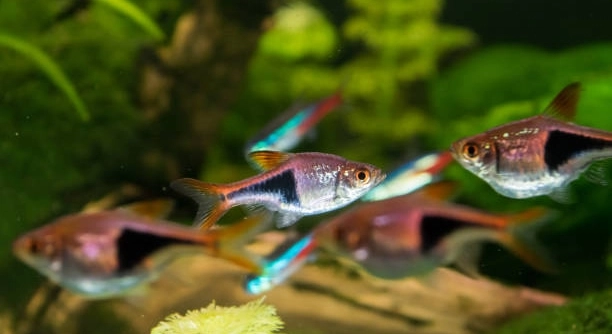
Do your rasboras dart nervously across the tank, hiding more than swimming freely? Their small size and natural instincts make them sensitive to changes, light, and disturbances, which can affect their comfort and overall behavior.
Creating a safer environment for rasboras involves strategic placement of hiding spots, maintaining stable water conditions, regulating lighting, and minimizing sudden disturbances. Each adjustment contributes to reduced stress levels and promotes natural, confident swimming behavior.
Implementing these simple yet effective measures will improve your rasboras’ daily life, helping them feel secure while displaying their natural behaviors in your aquarium.
Provide Plenty of Hiding Spots
Rasboras feel safer when they have places to retreat. Plants, rocks, and decorations create natural shelters, helping them reduce stress. Floating plants can offer shade and a sense of protection, while dense foliage allows timid fish to stay hidden when they feel threatened. Even small caves or driftwood add variety and security to their environment. It is important to arrange these elements carefully, leaving enough open swimming space. Overcrowding with decorations can have the opposite effect, making the tank feel confined. Observing how your fish interact with these spots helps you understand which areas they prefer. Placement near the edges and corners of the tank often works best, as it mimics their natural habitat. Keeping hiding spots clean and free from sharp edges ensures safety. Regularly rotating or adjusting these shelters can also reduce boredom and encourage exploration without compromising their sense of security.
Providing proper shelter encourages natural behavior and lowers stress levels for your rasboras, improving their overall well-being.
Hiding spots are essential for rasboras to feel secure. Proper arrangement keeps the tank safe while supporting natural swimming patterns and exploration.
Maintain Stable Water Conditions
Stable water parameters are crucial for rasboras’ comfort. Sudden changes in temperature, pH, or hardness can cause stress and illness. Keeping the water within their preferred range reduces erratic behavior and promotes a calmer environment. Regular testing and gradual adjustments prevent shock and support healthy activity. Filters help maintain water clarity and oxygen levels, but strong currents should be avoided, as rasboras prefer gentle flows. Routine partial water changes remove toxins while keeping chemical levels steady, contributing to a stable habitat. Properly cycling the tank before adding fish ensures the ecosystem is balanced. Using dechlorinated water and monitoring ammonia, nitrite, and nitrate levels keeps the environment safe. Consistency in temperature, especially with heaters or chillers if needed, prevents stress-related behaviors. Observing your fish daily helps identify subtle signs of discomfort caused by water instability. These steps create a secure and predictable environment, which is key to rasboras’ sense of safety and long-term health.
Maintaining stable water conditions reduces stress and keeps rasboras healthy, encouraging confident swimming and natural behaviors within the aquarium.
Keep Lighting Gentle
Rasboras are sensitive to bright light, which can make them nervous. Using dim or diffused lighting creates a calmer atmosphere. Adjusting light duration and adding floating plants helps them feel safe while still supporting plant growth.
Gradually increasing or decreasing light prevents sudden stress. Bright overhead lights can trigger hiding or frantic swimming, while gentle illumination encourages natural behavior. Using timers ensures consistency, reducing surprises that can unsettle your fish. Floating plants or taller decorations can diffuse light and provide shaded areas, giving rasboras options to control their exposure. This approach mimics natural conditions and supports a balanced, stress-free environment.
Shaded areas and controlled lighting promote comfort, helping rasboras swim confidently. Observing their reactions allows you to adjust light levels and create a secure habitat for all fish.
Minimize Sudden Movements
Frequent tapping, sudden approaches, or rapid hand movements startle rasboras. Limiting abrupt actions around the tank helps them stay relaxed and explore freely.
Consistency in interaction is key. Sudden disturbances trigger flight responses, hiding, or clustering at tank edges. Moving slowly when performing maintenance or feeding prevents unnecessary stress. Keeping equipment quiet and avoiding abrupt shadows in the tank also reduces nervous behavior. Over time, rasboras become accustomed to gentle presence, allowing them to display natural swimming patterns.
Rasboras react strongly to movement changes, so gradual, calm interactions are essential. Maintaining a predictable environment improves their confidence, encourages activity, and strengthens their overall health within the tank.
Maintain a Consistent Feeding Schedule
Rasboras feel safer when feeding times are predictable. Offering food at regular intervals reduces anxiety and encourages natural foraging behavior.
Using small portions prevents overeating and keeps water quality stable. Observing how quickly they eat helps adjust the amount, ensuring all fish get adequate nutrition without creating stress from competition.
Introduce Tankmates Carefully
Adding new fish requires caution. Sudden introductions can stress rasboras and disrupt established social dynamics. Gradually acclimating newcomers and monitoring interactions prevents aggressive behavior and ensures a peaceful environment.
Keep the Tank Quiet
Rasboras respond to noise and vibrations. Placing the tank in a calm area reduces stress and encourages active swimming.
Avoid Overcrowding
Too many fish in the tank increases tension and competition. Keeping a balanced number promotes safety and comfort for all inhabitants.
FAQ
How can I tell if my rasboras are stressed?
Stressed rasboras often hide excessively, swim erratically, or stay near the bottom of the tank. Loss of appetite, faded colors, and frequent darting at sudden movements are also common signs. Observing their behavior consistently helps identify stress before it affects their health.
What type of plants work best for hiding spots?
Dense, leafy plants like Java fern, Anubias, or hornwort are excellent for providing cover. Floating plants, such as duckweed, add shade and reduce light intensity. Combining tall, rooted plants with low-growing foliage creates layers, giving rasboras choices for retreating and exploring.
How often should I perform water changes?
Partial water changes of 20-30% weekly maintain clean and stable water conditions. This helps control ammonia, nitrite, and nitrate levels, keeping the environment safe. Sudden large water changes should be avoided, as they can shock sensitive rasboras.
Can I keep rasboras with other fish?
Yes, but compatibility matters. Peaceful community fish like tetras or Corydoras are ideal companions. Avoid aggressive or larger species that may intimidate or harm them. Gradual introductions and observing behavior ensures harmony in the tank.
What is the ideal water temperature for rasboras?
Rasboras thrive in water between 72°F and 78°F. Sudden fluctuations can cause stress and weaken immunity. Using a reliable heater and thermometer maintains consistent temperatures, reducing erratic swimming or hiding behavior.
How much should I feed my rasboras?
Feed small amounts once or twice daily, enough for them to finish in 2-3 minutes. Overfeeding pollutes the water and can stress the fish. A mix of high-quality flakes, micro-pellets, and occasional live or frozen food supports health and activity.
Do rasboras prefer strong or gentle water flow?
Gentle water flow is best. Strong currents can tire them and increase stress. Adjust filter output or create calm zones with decorations to allow free swimming while avoiding turbulence. Observing their swimming patterns helps identify preferred areas.
Can lighting affect rasboras’ behavior?
Yes, bright lighting can make them skittish. Using dim or diffused light, along with shaded areas, encourages natural movement. Timers help maintain consistency, reducing stress caused by sudden changes in light intensity.
How important is tank size for rasboras?
A minimum of 10 gallons is recommended for small groups, with additional space for more fish. Overcrowding causes stress and competition. Providing ample swimming space with hiding spots ensures security and allows natural schooling behavior.
What should I do if a new fish causes stress?
Isolate the new fish in a separate tank or quarantine area until it adjusts. Introduce slowly using a divider or acclimation process. Observing interactions closely prevents bullying or panic and maintains a calm environment for established rasboras.
Are there signs of illness linked to stress?
Yes. Stress can weaken immunity, leading to fin rot, ich, or fungal infections. Watch for clamped fins, white spots, or unusual lethargy. Early detection and maintaining optimal water conditions reduce the risk of illness.
How do I make the tank more secure overall?
Provide hiding spots, stable water, gentle lighting, minimal sudden movements, and compatible tankmates. Keeping a quiet environment and consistent feeding schedule enhances safety and helps rasboras display natural behaviors confidently.
Can rasboras recognize routine care?
They adapt to consistent routines. Gradual, predictable feeding, cleaning, and maintenance help them feel safe. Over time, rasboras become accustomed to your presence, reducing stress and encouraging normal swimming patterns throughout the day.
What is the best way to acclimate new rasboras?
Float the bag in the tank for 15-20 minutes to equalize temperature. Slowly add small amounts of tank water every 10 minutes for gradual adjustment. Once acclimated, release gently, minimizing shock and helping them feel secure immediately.
How long does it take for rasboras to feel safe?
It depends on tank conditions and previous stress. With proper hiding spots, stable water, gentle light, and calm handling, most rasboras adjust within a few days to a couple of weeks. Observing their behavior helps gauge comfort levels.
What role does tank layout play in security?
Layout affects visibility, escape routes, and comfort. Open swimming areas combined with dense vegetation or caves create balance. Layered decorations reduce stress by allowing choices for hiding or exploring, mimicking their natural habitat and reinforcing safety.
Can overcrowding affect rasboras’ confidence?
Yes. Overcrowding increases competition, stress, and aggression. Keeping a balanced number of fish prevents hiding behavior from becoming chronic, encourages social schooling, and supports overall health. Proper tank size and layout are essential for a secure environment.
How can I tell if lighting and hiding spots are sufficient?
Rasboras that swim confidently and occasionally use hiding spots indicate balance. Constant hiding, clumping, or erratic movement suggests adjustments in light intensity or cover are needed to improve security and comfort.
Does tank vibration or noise matter?
Frequent vibrations or loud noises startle rasboras, triggering hiding or frantic swimming. Placing the tank in a low-traffic area, keeping equipment stable, and avoiding tapping on glass reduces stress and promotes a calm, predictable environment.
Are floating plants necessary for safety?
Floating plants provide shade and diffuse lighting, giving rasboras control over exposure. While not mandatory, they enhance comfort and reduce stress, especially for timid or newly introduced fish. They also support natural behaviors like schooling and hiding.
How often should I monitor my rasboras?
Daily observation is ideal. Noticing subtle behavior changes allows early intervention for stress, illness, or environmental issues. Quick adjustments in water quality, lighting, or tank layout ensure rasboras remain secure and healthy.
Creating a safe and comfortable environment for rasboras requires attention to several key aspects. Providing ample hiding spots is essential, as these small fish rely on cover to feel secure. Plants, rocks, and decorations give them places to retreat when they feel threatened. Dense foliage and floating plants reduce light intensity and offer shaded areas, allowing rasboras to control their exposure to potential stressors. Even simple caves or driftwood can make a noticeable difference, giving them a sense of security. Observing which areas they prefer helps guide adjustments to tank layout, ensuring the fish feel comfortable while maintaining enough open space for swimming. Rotating or rearranging decorations occasionally can also prevent boredom while keeping the environment engaging and safe.
Water stability is another crucial factor in maintaining rasboras’ well-being. Sudden fluctuations in temperature, pH, or water hardness can cause significant stress and lead to health issues. Regular partial water changes and monitoring of chemical levels help maintain consistent conditions. Filters and heaters support a stable ecosystem, but care should be taken to avoid strong currents or rapid temperature shifts. Gentle, gradual adjustments are best when correcting any imbalance. Keeping the water clean and within the recommended parameters not only reduces stress but also lowers the risk of disease. Observing behavior daily provides insight into whether conditions are optimal, allowing for quick intervention if any problems arise. Consistency and attention to detail in water maintenance are key to creating a safe habitat for these small, sensitive fish.
Interactions and daily routines also play a role in making rasboras feel secure. Gentle handling, consistent feeding schedules, and minimal sudden movements around the tank help them develop confidence in their environment. Overcrowding and incompatible tankmates should be avoided, as these factors increase stress and hinder natural behaviors. Lighting should be carefully managed, with diffused or dim light providing comfort while still supporting plant growth. Calm areas with reduced noise and vibration further contribute to a sense of safety. By combining proper tank layout, stable water conditions, and mindful daily care, rasboras are more likely to display natural swimming patterns, explore their surroundings, and remain healthy. Attentive observation and gradual adjustments allow owners to create an aquarium that supports both security and well-being, resulting in confident, active fish that thrive in their environment.

Hello,
If you enjoy the content that we create, please consider saying a "Thank You!" by leaving a tip.
Every little bit helps us continue crafting quality advice that supports the health, happiness, and well-being of pets around the world, for pets of all shapes, sizes, and species.
We really appreciate the kindness and support that you show us!