
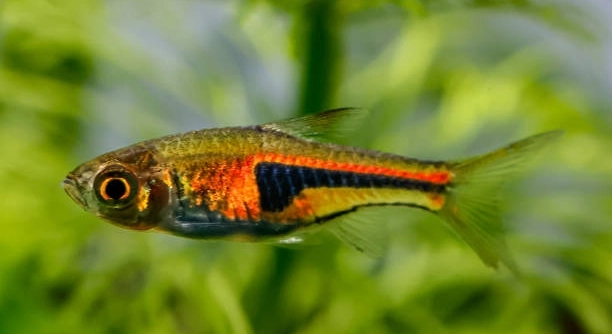
Have you ever watched your Rasbora swim around and wondered if there’s a pattern to their daily behavior in the tank?
Rasboras are capable of forming daily routines, especially in stable, well-maintained environments. These routines often revolve around feeding times, light cycles, and social interactions. Consistent care and predictable surroundings help reinforce these behavioral patterns.
Understanding these habits can support a healthier, less stressful life for your Rasboras while helping you create a more balanced aquarium environment.
How Routines Form in Rasboras
Rasboras begin to form routines based on consistent patterns in their environment. These small fish rely on repetition to feel secure, and daily activities like feeding, lighting, and tank maintenance all influence their behavior. For example, if you feed them at the same time every day, they may start swimming near the surface around that time, anticipating the food. Their activity levels also adjust with the tank’s light schedule, becoming more active during lit hours and resting more in dimmer settings. Over time, these patterns create a rhythm in their behavior that repeats each day. Stable tank conditions—such as regular water changes and quiet surroundings—help support these routines further. Without consistent cues, Rasboras may seem restless or unpredictable.
Even small changes in lighting or feeding time can interrupt these patterns, especially in sensitive fish.
Predictable feeding schedules, regular light exposure, and stable tank environments all encourage healthy routines in Rasboras. Watching their behavior shift with consistency can help you learn their preferences and maintain their well-being. Some fish may show up near the feeding zone minutes before you drop the food in. Others may find a quiet spot to rest once the lights dim. These responses show how attuned they are to their environment. When you keep things consistent, it lowers stress and supports their natural rhythm. Even something as simple as turning on the room light at the same time each morning can influence how they move throughout the day. If your Rasboras seem out of sync, it may be worth checking if anything has changed in your daily routine with them.
What Disrupts Their Patterns
A sudden change in light, noise, or feeding time can throw off their routine quickly.
Loud noises, irregular lighting schedules, or skipped feedings are common reasons Rasboras become unsettled. Their behavior may appear erratic, or they may hide more often. These disruptions can happen for many reasons—such as moving the tank, forgetting to feed them, or even loud construction near their setup. Once their rhythm is broken, it may take several days to return to normal. Rasboras are small, but they’re very responsive to their surroundings. Stability gives them confidence, and when that disappears, they may retreat, become inactive, or swim differently than usual. Avoiding sudden changes in tank maintenance or environment helps. If changes are necessary, try to make them gradually, like adjusting lighting over several days. A peaceful, steady environment helps your Rasboras stay active, social, and comfortable. Watching for small behavioral shifts can also help you catch disruptions early and adjust before they affect their health.
Recognizing Routine Behaviors
Rasboras tend to repeat certain behaviors when they feel secure. You might notice them gathering in the same corner before feeding or resting quietly once lights go off. These actions are signs of a routine forming.
They often swim in synchronized patterns during specific times of day, especially in the morning after the lights come on. This schooling behavior is more than just social—it’s part of their daily rhythm. If feeding happens at the same time, they may become more active shortly before, circling near the top of the tank. Even their rest periods show consistency. When the lights dim, they’ll often drift toward plants or corners where they feel safe. These routines help them conserve energy and reduce stress. You may also notice less aggression or erratic swimming when their daily pattern remains uninterrupted. Subtle habits like these are easy to overlook but are important signs of stability.
When Rasboras deviate from these regular behaviors, it can indicate discomfort or environmental changes. If they stop swimming in groups or avoid their usual feeding spot, it might be a sign something’s wrong. Tracking these habits over time helps you spot shifts quickly. Sometimes even a slight change in temperature or pH can break their rhythm. Routine observation helps you learn their schedule and adjust care as needed. These behaviors aren’t just repetitive—they’re essential to their overall balance in the tank. Small efforts like feeding on time and keeping tank lighting steady play a big role in keeping them calm and responsive.
Supporting Routine in a Home Aquarium
Start by feeding them at the same time each day, and use a consistent light cycle. Avoid loud noises or sudden tank movements. Small, steady changes support their behavior better than abrupt ones.
A good lighting schedule helps Rasboras know when to be active and when to rest. Using a timer can make this easier. Bright, steady light during the day and dim conditions at night help create a reliable rhythm. Feeding them at the same hour daily builds their trust and reduces anxiety. Water conditions should also stay consistent—sudden temperature shifts can throw them off. Avoid placing their tank near noisy areas or where light fluctuates. Calm surroundings support peaceful, rhythmic movement and healthy eating habits. If changes are necessary, make them gradually. Introducing new tank mates or rearranging décor too quickly can interrupt established patterns. A steady routine doesn’t just support behavior—it also helps with long-term health and reduces stress-related issues in Rasboras.
Environmental Cues Matter
Lighting, temperature, and water movement all influence Rasbora behavior. When these elements stay consistent, the fish feel more secure and behave in predictable ways. Subtle changes, like dimming the lights slowly, can support their natural daily rhythm without causing stress.
Noise and activity around the tank also play a role. Frequent disturbances or loud sounds can disrupt their routine, even if water conditions are stable. Placing the tank in a quiet area away from foot traffic helps them feel at ease and stick to their behavioral patterns more consistently.
Signs They’re Settling into a Routine
If your Rasboras swim together, gather before feeding, and rest at similar times daily, they’ve likely formed a routine. These behaviors are good indicators that their environment feels safe and predictable. You may also notice reduced hiding and more relaxed swimming throughout the day. Any break from this behavior may suggest a change in tank conditions. Routine helps lower stress and encourages consistent eating and social interaction. Over time, these habits support both physical health and emotional balance in your fish. Even a small change—like missing a feeding—can disrupt this balance, so consistency truly makes a difference.
Keep Observation Simple
Watching them at the same time each day helps you notice their routine. Keep notes if anything shifts suddenly or seems off.
FAQ
Can Rasboras really form daily routines?
Yes, Rasboras can develop daily routines, especially when their environment is stable and consistent. They respond well to regular feeding times, steady light cycles, and minimal disturbances. These routines help them feel secure and reduce stress, allowing their natural behaviors to emerge predictably.
How long does it take for Rasboras to establish a routine?
It usually takes a few days to a couple of weeks for Rasboras to settle into a routine. Consistent feeding times and lighting schedules speed up this process. Sudden changes or irregular care can slow routine formation or disrupt established habits. Patience and steady care are important.
What are common signs that Rasboras have formed a routine?
Look for regular swimming patterns, especially schooling behavior during certain times of the day. They may gather near the feeding area shortly before food arrives. Resting in the same tank spots when the lights go off is another sign. Predictability in behavior is key.
What can disturb Rasbora routines the most?
Sudden changes in light, temperature, feeding schedules, or tank setup often disrupt routines. Loud noises and frequent movement near the tank also cause stress. Even minor water quality fluctuations can impact behavior. Avoid abrupt changes to maintain stability.
Is it normal for Rasboras to hide sometimes despite a routine?
Yes, hiding is a natural behavior, especially if they feel threatened or if something in the environment changes. Even with routines, occasional hiding can happen due to external factors. Ensure the tank has plenty of hiding spots and monitor for signs of illness.
How important is tank placement for Rasbora routines?
Tank placement matters a lot. A quiet, low-traffic area helps maintain routine behavior. Too much noise or vibrations can cause stress and break their rhythm. Consistent lighting from timers also supports routine formation regardless of placement.
Can changing tank decorations affect Rasbora routines?
Yes, rearranging plants or decorations suddenly can unsettle Rasboras and interrupt their routine. They use these features for resting and hiding, so changes may increase stress temporarily. If changes are needed, introduce them gradually to help Rasboras adjust.
Do Rasboras react differently to weekends or irregular schedules?
They can notice inconsistencies, especially in feeding times or lighting changes. Skipping feedings or altering the light schedule on weekends may confuse them and disrupt routines. Maintaining a steady daily schedule throughout the week supports better behavior and health.
How can I help my Rasboras if their routine is disturbed?
Return to consistent feeding and lighting schedules as soon as possible. Avoid making multiple changes at once. Monitor water quality closely and reduce noise or disturbances near the tank. Giving them time and a calm environment helps restore their routine naturally.
Are routines the same for all Rasboras?
While most Rasboras respond similarly to environmental cues, individual fish may show slight variations in activity or feeding anticipation. Factors like age, health, and personality can influence behavior. Observing your specific group helps tailor care to their needs.
Can routines improve Rasbora health?
Yes, predictable routines reduce stress, support regular feeding, and encourage natural behaviors. This contributes to a stronger immune system and overall well-being. Stability in the environment is one of the best ways to keep Rasboras healthy and active.
Is it possible for Rasboras to forget routines?
If conditions change drastically or routines are interrupted for extended periods, Rasboras may lose established habits. However, with consistent care, they can relearn routines over time. Consistency is key to preventing this from happening.
How do lighting schedules impact Rasbora routines?
Lighting signals when to be active or rest. Using timers for a steady light cycle helps Rasboras develop and maintain daily routines. Sudden changes in lighting can cause stress and disrupt behavior, so gradual adjustments are better if needed.
Should I feed my Rasboras multiple times a day for better routines?
Feeding once or twice daily at consistent times is usually enough. Overfeeding can cause water quality issues, which in turn affect routines and health. Small, regular meals help maintain predictable feeding behavior without overloading the tank.
What should I do if my Rasboras don’t show any routine behaviors?
Check the tank environment for inconsistencies like irregular feeding, unstable water conditions, or fluctuating light. Ensure the tank isn’t exposed to constant disturbances. Improving stability usually helps Rasboras develop clear daily routines over time.
Rasboras are small fish that can form daily routines when their environment is stable and predictable. These routines develop through consistent feeding times, regular lighting schedules, and quiet surroundings. When these conditions are met, Rasboras become more active at certain times, rest in familiar spots, and show less stress overall. Their behavior starts to follow a pattern that repeats each day, making it easier for caretakers to understand their needs. Stability helps them feel safe, which supports their overall health and wellbeing.
Maintaining these routines requires attention to the details of their environment. Feeding them at the same time daily encourages anticipation and activity around mealtime. Using timers for lights helps create clear day and night cycles, which align with their natural rhythms. It is also important to avoid sudden changes in water temperature, lighting, or tank decoration, as these can disrupt their established patterns and increase stress. Even external factors such as noise or vibrations near the tank can interfere with their routines. Careful observation of their behavior helps to identify when something might be off and allows for adjustments before problems develop.
In summary, routines are beneficial for Rasboras because they provide a sense of order and security. Fish that follow a daily rhythm tend to eat better, swim more naturally, and show fewer signs of distress. Consistency in care is key to supporting these habits. While it may take some time for routines to form or re-establish after changes, the effort leads to a healthier and more balanced aquarium environment. Paying attention to their behavior and environment makes it easier to meet their needs and enjoy the calm, graceful presence of Rasboras in the tank.

Hello,
If you enjoy the content that we create, please consider saying a "Thank You!" by leaving a tip.
Every little bit helps us continue crafting quality advice that supports the health, happiness, and well-being of pets around the world, for pets of all shapes, sizes, and species.
We really appreciate the kindness and support that you show us!