
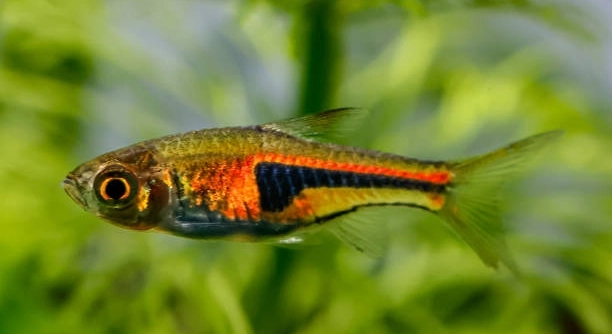
Rasboras are small, peaceful fish known for their schooling behavior. They often swim together in groups, creating a lively and colorful display in home aquariums. Sometimes, however, they suddenly stop schooling, which can be confusing for owners.
Rasboras may refuse to school due to stress, illness, poor water conditions, or changes in their environment. These factors disrupt their natural behavior and cause them to isolate rather than swim collectively, which can impact their well-being.
Understanding the reasons behind this behavior helps maintain a healthy aquarium and supports the fish’s natural habits and comfort in their environment.
Common Causes of Rasbora Schooling Refusal
Rasboras may stop schooling for several reasons, often linked to their environment or health. Poor water quality is a frequent issue, as elevated ammonia or nitrate levels can stress the fish. Sudden changes in temperature or pH can also disturb their comfort. Illness or parasites may weaken them, making them less likely to join the group. Additionally, overcrowding or aggressive tank mates can cause Rasboras to hide or swim alone. Sometimes, insufficient lighting or a lack of hiding spots may increase their stress. It is important to regularly monitor tank conditions and maintain a stable environment to encourage schooling behavior. Observation is key; when Rasboras appear lethargic or isolated, it’s time to assess their surroundings and health status carefully. Proper diet and gentle handling also contribute to their willingness to swim together.
Adjusting tank parameters slowly and avoiding sudden disruptions helps Rasboras feel secure and ready to school again.
With the right care, these fish will often return to their natural schooling habits, enhancing the aquarium’s lively display.
Improving Tank Conditions to Encourage Schooling
Maintaining clean, stable water is essential. Frequent water changes and proper filtration keep toxins low.
Creating a balanced environment means providing enough space and compatible tank mates. Overcrowding can cause stress and prevent schooling. Rasboras feel safer in groups of six or more, so keeping an appropriate number supports their natural behavior. Adding plants and hiding spots offers security, reducing anxiety. Monitoring feeding routines ensures the fish get proper nutrition without overfeeding, which can harm water quality. Gradually acclimating new fish minimizes shock and maintains group cohesion. Paying attention to lighting helps mimic natural conditions, which can make Rasboras more comfortable. Lastly, observing the fish daily helps catch any early signs of illness or distress, allowing timely intervention. Taking these steps improves Rasboras’ well-being and encourages them to school together as they normally would.
Signs Your Rasbora Is Not Schooling
When Rasboras stop schooling, they often swim alone or hide more than usual. They may appear restless or sluggish, sometimes staying near the tank bottom. Changes in color or loss of appetite can also indicate stress or illness affecting their schooling behavior.
Behavioral changes such as reduced interaction with other fish often point to underlying issues. If one or more Rasboras isolate themselves, it may be a sign of poor water quality or disease. Tracking these signs early helps prevent worsening problems and supports recovery. Observing how they move, eat, and react to tank mates offers clues to their health and comfort.
Sometimes, schooling refusal happens when a dominant fish disrupts the group, causing others to scatter. In such cases, separating aggressive fish or rearranging the tank can restore peaceful schooling behavior. Keeping a close eye on your fish’s habits will help you maintain a harmonious environment.
When to Seek Professional Help
If your Rasboras continue to refuse schooling despite improving tank conditions, professional advice is necessary. Persistent isolation or visible signs of disease need prompt diagnosis and treatment to avoid losses.
A vet or experienced aquarist can provide accurate assessment and recommend medications or specialized care. Some diseases require specific treatments not available over the counter. Ignoring ongoing problems can lead to serious health decline or death. It is important to act quickly when common remedies don’t work. Getting expert help ensures your Rasboras have the best chance to recover and return to their natural schooling behavior. Early intervention often makes a significant difference in outcomes.
How Tank Size Affects Schooling
A tank that is too small can stress Rasboras and discourage schooling. Limited space reduces their ability to swim freely and stay together comfortably.
Larger tanks provide enough room for groups to form natural schools and explore. Adequate swimming space promotes healthy behavior and reduces stress.
The Role of Lighting in Rasbora Behavior
Proper lighting helps simulate a natural environment, which encourages Rasboras to school. Too bright or too dim lighting can cause stress and disrupt their patterns.
Balanced lighting supports their daily rhythm and highlights colors, making schooling more visible and natural in the aquarium.
Feeding and Its Impact on Schooling
Regular feeding with a balanced diet supports Rasboras’ health and social behavior. Hunger or poor nutrition can cause them to scatter or hide.
Offering small, frequent meals helps maintain energy levels and promotes group activity.
Tank Mates and Schooling Dynamics
Aggressive or territorial tank mates can intimidate Rasboras, preventing them from schooling properly. Choosing peaceful companions is essential for harmony.
Compatible fish allow Rasboras to swim together without fear or stress, maintaining their natural schooling instincts.
FAQ
Why do Rasboras sometimes refuse to school even when conditions seem good?
Rasboras can be sensitive to subtle changes that might not be obvious at first glance. Even if water parameters appear fine, factors like minor fluctuations in temperature, new tank decorations, or recent tank maintenance can stress them. Additionally, illness or internal parasites might affect their behavior, causing them to isolate. It’s important to observe them closely for any signs of discomfort or disease, as schooling is a natural instinct and usually resumes once the cause is addressed.
How many Rasboras should be kept together to encourage schooling?
Rasboras are social fish that feel safest in groups. A minimum of six individuals is recommended to promote natural schooling behavior. Smaller groups may lead to stress or loneliness, causing fish to swim alone or hide. Larger groups allow them to feel more secure and express their typical schooling patterns, making the aquarium more lively and natural.
Can water quality issues cause Rasboras to stop schooling?
Yes, poor water quality is one of the main reasons Rasboras might refuse to school. High levels of ammonia, nitrites, or nitrates stress the fish and affect their health. Even small changes can have a big impact, so regular water testing and maintenance are crucial. Clean water supports their immune system and comfort, encouraging them to swim together as they naturally do.
What tank conditions support healthy schooling behavior?
Stable temperature, balanced pH, and clean water are essential. Rasboras prefer temperatures around 72-79°F (22-26°C) and slightly acidic to neutral pH. Providing plenty of swimming space and gentle water flow also helps. Adding live plants and hiding spots creates a secure environment, reducing stress and encouraging schooling.
Can tank mates affect Rasbora schooling behavior?
Yes, aggressive or territorial tank mates can intimidate Rasboras, causing them to hide or swim alone. Peaceful species that occupy different levels of the tank are better companions. Avoid fish that nip fins or chase Rasboras, as this disrupts their social behavior and overall health.
What should I do if one Rasbora stops schooling and looks sick?
Isolate the affected fish if possible to prevent spreading illness. Check water quality immediately and perform a partial water change. Observe for signs like clamped fins, discoloration, or abnormal swimming. Consulting a vet or aquarium specialist for diagnosis and treatment advice is recommended if symptoms persist.
How does feeding influence schooling?
Regular, balanced feeding supports energy and social behavior. Rasboras may become less active or scatter if hungry or underfed. Feeding small amounts multiple times a day mimics natural feeding habits and keeps them energetic. Avoid overfeeding, which harms water quality and fish health.
Is it normal for Rasboras to occasionally school less?
Yes, short periods of reduced schooling can happen, especially during rest or after a stressful event like tank cleaning. However, if the behavior continues for days or weeks, it indicates an issue that needs attention.
Can lighting changes disrupt schooling?
Sudden or extreme changes in lighting can stress Rasboras. Bright lighting without shaded areas may make them feel exposed, while very dim lighting can reduce activity. A gradual transition to natural-like lighting with some shaded spots promotes comfort and encourages schooling.
What role does tank size play in schooling behavior?
Smaller tanks limit swimming space, making it harder for Rasboras to school naturally. Tanks at least 20 gallons provide enough room for groups to move freely and maintain their social habits. Crowded or cramped environments increase stress and reduce schooling tendencies.
Final Thoughts
Rasboras are naturally social fish that prefer to swim in groups. When they stop schooling, it usually signals that something in their environment or health is off. Understanding the reasons behind this behavior helps in creating a better living space for them. Factors like water quality, tank size, lighting, and tank mates all influence their willingness to school. Keeping these conditions stable and suitable will encourage Rasboras to return to their natural, lively schooling habits.
It is important to pay attention to changes in your Rasboras’ behavior. Isolation, loss of appetite, or unusual swimming patterns are signs that need to be addressed. Sometimes, the cause is simple, such as water quality issues or stress from aggressive tank mates. Other times, illness or internal problems might be the reason. Regular monitoring of water parameters and observing the fish closely helps catch problems early. When necessary, seeking professional advice ensures proper treatment and care.
Creating a comfortable and stable environment for Rasboras supports their health and happiness. Providing enough space, maintaining clean water, offering proper nutrition, and choosing compatible tank mates are essential steps. Lighting and tank setup also play important roles in how secure the fish feel. With proper care, Rasboras will usually return to schooling naturally, making the aquarium a peaceful and enjoyable place. Taking time to understand their needs helps maintain a healthy community of fish.

Hello,
If you enjoy the content that we create, please consider saying a "Thank You!" by leaving a tip.
Every little bit helps us continue crafting quality advice that supports the health, happiness, and well-being of pets around the world, for pets of all shapes, sizes, and species.
We really appreciate the kindness and support that you show us!