
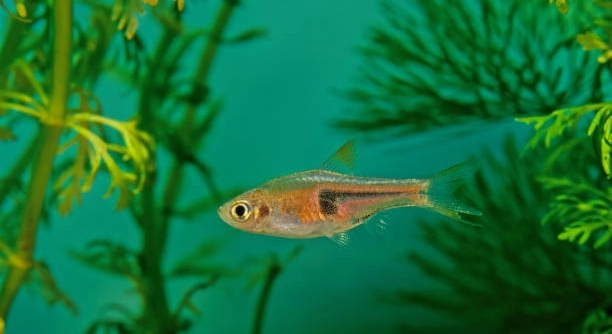
Creating a calm environment for your Rasbora fish is important for their well-being. These small, peaceful fish thrive best in a stable and soothing aquarium setting. A few simple steps can help you maintain a healthy habitat for them.
To create a calm Rasbora environment, focus on maintaining stable water conditions, providing adequate hiding spots, using gentle lighting, avoiding sudden movements, and keeping compatible tank mates. These factors reduce stress and promote natural behavior in Rasboras.
Understanding these key tips will help you provide a peaceful home for your Rasboras and support their health and happiness in your aquarium.
Stable Water Conditions
Keeping the water conditions steady is one of the most important steps for a calm Rasbora environment. These fish are sensitive to sudden changes in temperature, pH, and ammonia levels. A temperature between 72°F and 78°F works well, with a pH around 6.5 to 7.5. Using a reliable heater and thermometer helps maintain consistent warmth. Regular water testing can catch issues early before they cause stress. Changing about 20% of the water weekly keeps it clean without shocking the fish. Avoid overfeeding, as leftover food can pollute the tank. A good filter is necessary to remove waste and keep water clear but make sure it doesn’t create too strong a current, which can make Rasboras nervous. Consistency in water quality makes your Rasboras feel safe and secure in their home.
Stable water helps reduce stress and supports the natural behavior of Rasboras.
Water quality affects every aspect of fish health. If the water is unstable, fish can become weak and more likely to get sick. Rasboras need a clean, balanced environment to swim freely and show their natural colors. Keeping conditions steady means watching key factors daily and making small adjustments as needed. It’s best to use water conditioners to remove chlorine and chloramine. When setting up a new tank, cycling it before adding fish allows beneficial bacteria to grow, which breaks down harmful toxins. Patience here ensures a healthier, calmer environment. Over time, you’ll notice your Rasboras are more active and less skittish, enjoying their peaceful surroundings.
Creating Hiding Spots
Rasboras appreciate having places to hide and feel safe. Adding plants, rocks, and decorations provides cover where they can retreat if they feel threatened. These hiding spots help reduce stress and make the tank feel more natural. Dense plants like Java fern or Anubias work well because they offer shelter without blocking too much light. Smooth rocks and caves can also give them a cozy place to rest. Avoid sharp or rough decorations that could injure your fish. Rearranging the tank slowly helps Rasboras adjust to changes without causing alarm. A well-structured tank encourages natural behaviors and adds visual interest for you too.
Gentle Lighting
Soft lighting helps Rasboras feel calm and secure. Bright or flickering lights can stress them out. Using low-intensity bulbs or placing the tank away from direct sunlight keeps the light gentle and natural. Timers can maintain a consistent day-night cycle.
Lighting should mimic natural conditions as much as possible. Rasboras come from shaded waters with moderate light, so avoid harsh, bright lighting. A planted tank helps filter light and provides shade. This creates a more comfortable environment where fish can relax. Too much light can cause hiding and make the fish less active. Gentle lighting supports their health by reducing stress and encouraging normal behavior patterns.
Using a light timer keeps the day and night periods steady, which helps Rasboras settle into a routine. Avoid sudden changes in lighting to prevent startling the fish. Soft light also enhances the colors of your Rasboras, making the aquarium more enjoyable to watch while keeping the fish calm.
Compatible Tank Mates
Rasboras do best with peaceful fish that won’t bother them. Aggressive or larger fish can cause stress and injury. Small, calm species like tetras or danios work well together.
When choosing tank mates, consider size and temperament carefully. Rasboras are small and timid, so they need companions that won’t compete aggressively for food or space. Avoid fin-nippers or very active fish that might stress them. Keeping fish with similar water requirements also simplifies tank care. Grouping Rasboras with peaceful species creates a harmonious environment where all fish can thrive. A peaceful community tank reduces stress and promotes natural schooling behavior in Rasboras, which helps them feel safe and confident.
Avoid Sudden Movements
Quick movements near the tank can startle Rasboras and make them nervous. Moving slowly and calmly around the aquarium helps keep them relaxed.
Keeping a peaceful environment means minimizing loud noises and sudden actions. Rasboras respond better when they feel safe and undisturbed.
Regular Feeding Schedule
Feeding Rasboras at the same times each day helps build a routine. Small, frequent meals prevent overfeeding and keep water quality stable. Use a variety of foods like flakes, pellets, and live or frozen options to meet their nutritional needs.
Proper Tank Size
Rasboras need enough space to swim freely. A tank of at least 20 gallons is ideal for a small school. Crowded conditions increase stress and aggression. Providing ample space helps keep them calm and healthy.
FAQ
How often should I change the water for Rasboras?
Changing about 20% of the water weekly is usually best. This keeps the water clean and removes waste without stressing the fish with a full water change. Partial water changes also help maintain stable water parameters, which Rasboras need to stay calm and healthy.
What is the ideal temperature for Rasbora tanks?
Rasboras prefer temperatures between 72°F and 78°F (22°C to 26°C). Keeping the temperature stable within this range is important because sudden drops or rises can stress the fish. Using a reliable heater and thermometer helps maintain this steady warmth.
Can Rasboras live with other fish?
Yes, but only with peaceful tank mates. Small fish like tetras, danios, or peaceful bottom dwellers work well. Avoid aggressive or large fish that might bully or stress Rasboras. A calm community tank keeps everyone comfortable and reduces stress.
How many Rasboras should I keep together?
Rasboras are schooling fish and feel safest in groups of at least six. Smaller groups can cause stress and shy behavior. Keeping a larger school encourages natural swimming patterns and social interaction, which helps them stay calm.
What type of plants work best in a Rasbora tank?
Plants like Java fern, Anubias, and hornwort are great choices. They provide hiding spots and help filter the water naturally. Dense plants offer cover and shade, which makes the tank feel more natural and reduces stress.
How do I prevent overfeeding?
Feed small amounts once or twice daily and remove any uneaten food after a few minutes. Overfeeding leads to poor water quality and health problems. Using a feeding schedule helps control portions and keeps the tank clean.
Why do Rasboras hide a lot?
Hiding can mean the fish feel stressed or unsafe. It may be caused by sudden changes, aggressive tank mates, or bright lighting. Providing plants, gentle lighting, and peaceful companions helps Rasboras feel secure and more active.
What kind of filter should I use?
Use a gentle filter that keeps water clean without creating strong currents. Rasboras prefer calm water, so avoid filters that cause rough flow. Sponge filters or adjustable power filters are good options.
How do I cycle my tank before adding Rasboras?
Cycling means growing beneficial bacteria that break down harmful waste. It usually takes 4–6 weeks. Test water regularly for ammonia, nitrites, and nitrates to know when the cycle is complete. Proper cycling creates a safe, stable home for Rasboras.
Can Rasboras tolerate a wide range of pH levels?
They prefer slightly acidic to neutral water, around pH 6.5 to 7.5. Large swings in pH can cause stress and illness. Keeping pH stable within this range supports their health and calm behavior.
Are Rasboras sensitive to noise?
Yes, loud noises and vibrations can startle Rasboras. Keeping the aquarium in a quiet area away from heavy foot traffic or loud appliances helps maintain a peaceful environment.
How do I tell if my Rasboras are stressed?
Signs include hiding more than usual, clamped fins, loss of color, or erratic swimming. Stress often comes from poor water quality, aggressive tank mates, or sudden changes. Addressing these issues quickly helps the fish recover.
What is the best way to introduce new Rasboras to an established tank?
Float the bag in the tank for 15–20 minutes to equalize temperature. Gradually add small amounts of tank water to the bag over 30 minutes before releasing the fish. This reduces shock and helps them adjust smoothly.
How often should I clean the tank decorations?
Clean decorations every 2 to 4 weeks to remove algae and debris. Use a soft brush and avoid harsh chemicals to keep the environment safe. Regular cleaning supports water quality and a healthy habitat.
Can I use tap water directly in the tank?
No, tap water contains chlorine and other chemicals harmful to fish. Always treat tap water with a water conditioner before adding it to the tank to make it safe for Rasboras.
What foods do Rasboras like?
Rasboras eat flakes, pellets, frozen or live foods like brine shrimp and daphnia. A varied diet keeps them healthy and happy. Feeding a balanced diet supports their color and energy levels.
Creating a calm and healthy environment for Rasboras takes some attention and care, but it is very rewarding. These small fish are peaceful and sensitive, so they need stable conditions to thrive. Paying close attention to water quality, lighting, and tank mates helps keep stress levels low. When Rasboras feel safe, they show their natural colors and behaviors, making the aquarium more enjoyable to watch. Taking the time to set up the right environment will benefit the fish in the long run.
Water stability is one of the most important factors for Rasbora health. Keeping temperature, pH, and cleanliness steady reduces the chances of illness and stress. Changing a small part of the water weekly helps maintain good quality without disturbing the fish too much. Adding plants and decorations gives the fish places to hide and feel secure, which lowers anxiety. Using gentle lighting and avoiding sudden movements around the tank also supports a peaceful atmosphere. Together, these steps create a calm space that encourages the fish to swim naturally and socialize.
Choosing the right tank mates and giving Rasboras enough space is also key. Rasboras are schooling fish, so they do best in groups of six or more. They prefer to live with other small, peaceful fish to avoid conflict and stress. Crowding the tank or placing aggressive fish nearby will cause problems. By keeping a balanced community and providing enough room, Rasboras can stay relaxed and healthy. With careful care and attention, it is possible to build a calm, beautiful Rasbora aquarium that will bring enjoyment for years.

Hello,
If you enjoy the content that we create, please consider saying a "Thank You!" by leaving a tip.
Every little bit helps us continue crafting quality advice that supports the health, happiness, and well-being of pets around the world, for pets of all shapes, sizes, and species.
We really appreciate the kindness and support that you show us!