
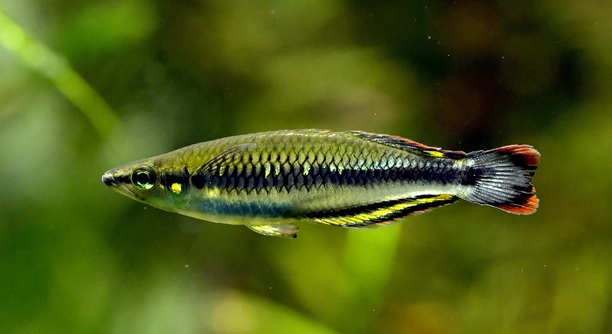
Do your rainbowfish seem a bit uneasy in their tank because they lack cozy places to retreat and feel secure throughout the day as they swim and interact within their shared environment each passing moment?
Providing hiding spots benefits rainbowfish by reducing stress, supporting natural behavior, and improving group stability. Access to sheltered areas enhances overall health, strengthens social balance, and encourages vibrant coloration while allowing individuals to rest comfortably and regulate their activity well.
These additions create a calmer aquarium atmosphere and offer steady benefits that support healthier routines and balanced behavior for rainbowfish.
Improved Comfort and Reduced Stress
Adding hiding spots to a rainbowfish aquarium supports their comfort by giving them places to withdraw when they feel overwhelmed or overstimulated. In a busy tank, these small retreats allow each fish to pause, settle, and regain a sense of calm without disruption from constant movement around them. This extra privacy helps limit tension within the group, since fish that feel cornered or exposed tend to react unpredictably or compete for space. With well placed structures, the tank becomes more balanced and peaceful, allowing the fish to spread out naturally instead of clustering in open areas where they may feel uneasy. Over time, this simple addition shapes a healthier environment where rainbowfish can maintain steady routines, show brighter coloration, and move confidently through their surroundings. I always notice how much more relaxed they look once a few secure hiding areas are available, and it creates a gentler atmosphere overall too.
These sheltered spaces also prevent unnecessary conflict by reducing how often rainbowfish cross into one another’s paths during busy periods. When each fish has a reliable place to settle, the tank stays calmer, and the group maintains a smoother rhythm that supports healthier interaction and steadier behavior overall each day.
Creating these calm zones gives the aquarium more depth and structure, allowing rainbowfish to explore without feeling exposed. It encourages natural patterns like short retreats, gentle movement around decor, and steady swimming through open water. With a few well chosen hiding areas, the tank becomes more dynamic, and the fish show greater confidence. This small change improves the visual flow of the aquarium while supporting the fish’s comfort. I find that offering several options works best, since different fish prefer different levels of cover depending on their mood or position within the group which helps them stay more evenly balanced.
Social Balance and Group Stability
Hiding spots play an important role in easing social tension among rainbowfish by giving each individual a space to step away when interactions feel too constant. This reduces chasing, lowers stress, and keeps the group functioning with a smoother pattern that benefits overall stability within the aquarium each day too.
Providing well arranged hiding areas strengthens the social structure of a rainbowfish group by allowing each fish the freedom to manage its own comfort without disrupting others. In a tank where open swimming space is combined with secure retreats, the fish can navigate their roles with less pressure, since territorial behavior becomes less pronounced when multiple options for privacy exist. This balance supports healthier interaction, particularly in active groups where bursts of energy can quickly turn into crowding if no safe retreat is available. By offering several types of cover, such as plants, caves, or driftwood, the environment feels more stable, and individual fish can choose the level of shelter they want at any moment. This reduces unnecessary competition and allows the group to spread out in a way that keeps movement free flowing and natural. Over time, these adjustments contribute to better long term harmony, because the fish are able to reset themselves throughout the day, maintaining calmer reactions and more predictable routines. I appreciate how noticeably smoother the tank feels once a few simple structures are added, and the improvement in group behavior makes the aquarium far more pleasant to observe and maintain each and every passing hour.
Increased Security for Timid Fish
Hiding spots give timid rainbowfish a safe place to settle when they feel overwhelmed, allowing them to avoid constant activity around them. This helps them stay calmer, maintain steady routines, and adjust more comfortably to the group’s natural rhythm within the aquarium each day.
Adding a few sheltered areas makes it easier for shy rainbowfish to remain confident, since they can choose when to engage and when to rest. These small retreats reduce the pressure they sometimes feel in open spaces, especially in active tanks where movement can feel unpredictable. With reliable cover, they show healthier behavior, brighter coloration, and more consistent feeding habits. I find that once they know where to retreat, they start exploring the tank with a steadier pace, creating a more balanced and peaceful atmosphere overall.
These secure spots also help shy fish avoid constant crowding, which often leads to stress or hesitation during feeding time. When multiple hiding areas are available, timid individuals can move freely without feeling pushed aside by more dominant fish. This encourages even distribution throughout the tank, giving everyone space to settle comfortably. Over time, these adjustments help shy fish grow more confident, allowing them to blend into group activity more easily. It is a simple change that leads to noticeable improvement in their comfort and daily patterns.
Better Territory Management
Hiding spots support smoother territory management by giving rainbowfish multiple areas to occupy, reducing the chances of constant crossing and minimizing unnecessary conflict. This allows each fish to settle into preferred zones without creating tension in the shared space.
Providing several types of cover helps break up the tank into small sections that feel naturally divided, allowing rainbowfish to spread out in a way that feels comfortable for the entire group. This prevents dominant individuals from controlling large open areas and gives every fish a fair share of personal space. When the environment is arranged thoughtfully, the fish navigate more calmly, since they are not forced into close proximity during busy moments. Over time, this leads to a more predictable and steady rhythm in the aquarium. I notice that when the space is divided this way, the group moves more fluidly, and interactions stay gentle and manageable throughout the day.
Support During Quieter Periods
Hiding spots give rainbowfish a calm place to settle during quieter moments when they want less interaction. These areas help them regulate their energy and keep a steady pace throughout the day, which makes the tank feel more balanced and comfortable for every fish.
These quiet spaces also let individuals rest without interruption, especially after bursts of activity. When they have a safe place to pause, they return to open swimming with smoother behavior and more stable patterns. I notice they regain energy faster and seem more at ease overall.
Reduced Visual Stress
Having several hiding options lowers visual stress by breaking up open areas that can feel overwhelming. When decor creates gentle coverage, rainbowfish navigate with more confidence and avoid the tense, rushed movements that appear when everything feels too exposed. With these small adjustments, their behavior becomes calmer and more natural throughout the tank.
Easier Adjustment for New Additions
New rainbowfish settle more comfortably when the tank offers multiple hiding areas. These sheltered spots help them feel secure as they adjust to the group, preventing unnecessary stress while they learn the tank’s rhythm and find their place within the existing structure.
FAQ
Why do rainbowfish rely on hiding spots so much?
Rainbowfish stay calmer when they have places to retreat because it gives them control over their environment. Even active fish need moments where they can step away from bright light, movement, or social pressure. Hiding spots offer a steady sense of security, especially in busy tanks. When they know there is shelter nearby, they move with more confidence, feed more consistently, and maintain steadier patterns. I notice that tanks with thoughtful decor always show smoother behavior, and the fish seem more relaxed overall, which makes the aquarium feel gentler and more comfortable to observe.
Do hiding spots really reduce stress for rainbowfish?
Yes, they help reduce stress by offering a safe pause when the tank becomes too lively. Rainbowfish are active swimmers, but continuous activity can overwhelm certain individuals within the group. When stress builds, you might see quick darting, hesitating near the edges, or avoiding feeding time. Having sheltered areas scattered around breaks up these tense moments. These quiet pockets allow each fish to reset before joining the group again. Over time, I see calmer interactions, healthier feeding habits, and more balanced color development in tanks that include even a few simple hiding structures.
What types of hiding spots work best for rainbowfish?
They respond well to natural options like dense plants, driftwood arches, and small rock clusters that create soft coverage. Tall plants help break lines of sight, while broader decor pieces form shaded corners that feel secure. A mix of open water and gentle cover works best because it gives them plenty of swimming room without leaving the entire tank exposed. I like to add both floating plants and rooted plants, as this combination creates a pleasing layout and gives the fish several levels of shelter depending on their mood.
How many hiding spots should a tank have?
The exact number depends on the tank size and group activity level, but offering multiple small options is better than relying on one large structure. Rainbowfish spread themselves out naturally when given several choices. Even in a moderate tank, adding three to five simple hiding areas keeps the group balanced. I find that creating both top level and bottom level coverage helps each fish discover a place that feels comfortable, especially during busy parts of the day when movement becomes more rapid.
Do hiding spots affect feeding or swimming behavior?
They improve both. When shy or lower ranking fish have safe places to stay, they come out more regularly during feeding without feeling pushed aside. This keeps meals more evenly distributed. Swimming behavior becomes smoother too, since the layout breaks up long, open stretches that sometimes cause fish to move too quickly or with tension. With more structure in place, their swimming rhythm looks steadier, and the entire tank moves in a calmer, more relaxed pattern.
Are hiding spots useful for new fish?
Yes, they make the adjustment period easier. New rainbowfish need spaces where they can observe the group before joining in. Without shelter, they often cling to corners or hesitate during feeding. With a few places to retreat, they adjust faster, show brighter color sooner, and blend into group activity with less stress. I always notice a clear difference when new arrivals have access to several safe areas during their first few days, and it helps them settle comfortably into the tank’s established structure.
Final Thoughts
Creating a supportive environment for rainbowfish starts with understanding how small adjustments shape their comfort. Adding hiding spots may seem like a simple change, yet it influences nearly every part of their daily routine in a gentle and meaningful way. These areas give them a sense of control, which is something many fish rely on to maintain steady behavior. When a tank offers places to retreat, the fish move with more confidence, feed with fewer interruptions, and settle into calmer rhythms that make the entire aquarium feel smoother. I have always found that even shy or sensitive individuals begin to show noticeable improvement after just a short period with proper cover in place. It brings balance to the tank and creates an atmosphere where each fish can navigate at its own pace without feeling overwhelmed or crowded. This small effort helps create a space that supports natural patterns and encourages healthier behavior across the entire group.
Hiding spots also help shape a more stable social environment. Rainbowfish are active, social fish, but their interactions can become tense when the tank lacks structure. Adding several areas of coverage breaks up open spaces, allowing each fish to rest or step away when needed. This reduces unnecessary conflict and helps the group maintain a smoother flow throughout the day. When each individual has a safe area to move into during busy moments, the tank feels calmer and more manageable. New additions benefit from this as well, adjusting more easily when they are not forced into constant contact with the group. I always appreciate watching the tank transform from slightly chaotic movement to a steadier, more organized pattern once the layout includes thoughtful hiding options. It allows every fish to find its own rhythm and feel more grounded within the space.
In the long run, providing hiding spots supports both the health of the fish and the enjoyment of the keeper. A well structured tank is more visually appealing, more peaceful to observe, and far easier to manage on a daily basis. With reduced stress levels, the fish display brighter color and more natural behavior, creating an environment that feels lively without appearing frantic. Maintaining this sense of balance does not require complicated setups or constant adjustments. A few plants, small structures, or carefully arranged decor pieces can create a dynamic layout that supports healthy routines and steady movement. Watching rainbowfish thrive in a space designed with their needs in mind brings a quiet satisfaction, because it shows how thoughtful planning truly enhances their well being. These small details come together to build an aquarium where the fish feel safe, supported, and comfortable every day.

Hello,
If you enjoy the content that we create, please consider saying a "Thank You!" by leaving a tip.
Every little bit helps us continue crafting quality advice that supports the health, happiness, and well-being of pets around the world, for pets of all shapes, sizes, and species.
We really appreciate the kindness and support that you show us!