
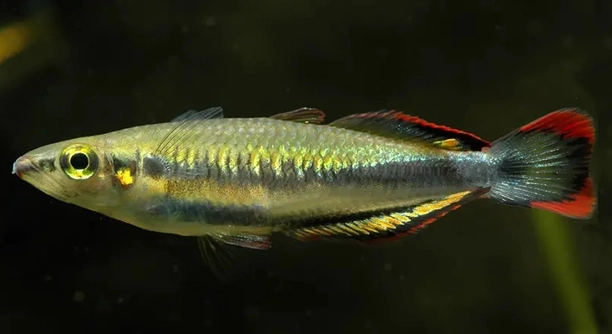
Do you ever find yourself watching your rainbowfish swim and wondering if they notice more than just colors in their tank? These small, shimmering fish display lively behavior that can seem almost aware of their surroundings.
Rainbowfish have been observed to respond to social cues and changes in their environment, suggesting a capacity to sense emotional states in nearby fish or humans. Their reactions include altered swimming patterns, color intensity, and interaction levels.
Understanding how these fish perceive emotions offers insight into their behavior and care. Observing their responses can reveal subtle, fascinating dynamics in your aquarium.
How Rainbowfish Detect Emotions
Rainbowfish rely on subtle visual and chemical signals to detect changes in their environment. Their eyes can pick up shifts in color and movement in other fish, while their lateral line system senses vibrations in the water. When a nearby fish becomes stressed or excited, rainbowfish often respond with altered swimming patterns or changes in coloration. These reactions are not random; they serve as a form of communication, helping the fish navigate social interactions and avoid potential threats. Additionally, rainbowfish may react to human presence, responding to movement or emotional states through similar cues. Tank conditions, including water quality and temperature, can influence these responses, making careful observation important. By noting the differences in behavior when the tank is calm versus when it is chaotic, owners can better understand how rainbowfish perceive their surroundings. This understanding can improve care and create a more harmonious environment for the fish.
Observing these changes closely allows owners to identify stress or excitement in rainbowfish, which helps maintain a healthy, balanced tank environment.
Rainbowfish responses vary by species and individual temperament. Some species display more noticeable color changes when they detect emotional cues, while others adjust swimming speed or position relative to the stimulus. Stress indicators may include rapid darting, hiding, or subtle fin movements. By monitoring these behaviors, owners can infer the mood or stress levels of their fish, providing opportunities to improve tank conditions or social groupings. Environmental enrichment, including plants and hiding spots, reduces stress and encourages natural behaviors. Changes in lighting, tank layout, or introduction of new fish should be done gradually to avoid overwhelming them. Feeding routines also play a role; consistent schedules help fish feel secure, reducing stress reactions. Understanding these subtle cues is essential for anyone keeping rainbowfish, as it allows for proactive care. Creating an environment where fish can respond naturally promotes well-being and makes their emotional responses easier to recognize over time.
Signals and Behavioral Changes
Rainbowfish use color, movement, and fin display to communicate emotional states with others. These signals are consistent and observable under normal tank conditions.
Color intensity, schooling behavior, and proximity to other fish indicate stress, excitement, or curiosity. Observing these signals over time helps owners understand patterns and triggers. For example, sudden changes in lighting may provoke a color shift, while introduction of new fish often results in cautious swimming or temporary hiding. When multiple rainbowfish are present, synchronized swimming can show calm or social bonding, whereas erratic movements often reveal stress or agitation. Owners can also notice responses to human presence; rainbowfish may approach the tank during feeding or retreat when feeling threatened. Understanding these signals allows adjustments in tank environment, social groupings, and feeding practices. Over time, attentiveness to these behaviors strengthens the bond between observer and fish, while supporting healthier, more responsive aquatic life. By recognizing the signs and acting thoughtfully, it becomes easier to create conditions that encourage natural emotional expression.
Environmental Factors Affecting Emotional Sensing
Water temperature and quality directly influence rainbowfish sensitivity. Sudden changes can heighten stress, making them more reactive to emotional cues. Proper filtration and stable conditions reduce unnecessary agitation and support natural behavior.
Consistent tank maintenance is essential for accurate observation of rainbowfish behavior. Fluctuations in pH, ammonia, or nitrate levels can mask emotional responses, causing fish to react primarily to discomfort rather than social signals. Light intensity and duration also affect color perception, which is critical for interpreting emotional cues among fish. A calm, well-maintained environment allows rainbowfish to display natural behaviors, making it easier to recognize their reactions to other fish or human presence. Adjusting feeding schedules and tank enrichment further supports balanced emotional expression, enhancing overall well-being.
Social dynamics within the tank also impact emotional sensitivity. Overcrowding or aggressive tank mates can trigger defensive or withdrawn behavior, while compatible groups promote consistent interaction patterns. By carefully arranging species and observing interactions, owners can better understand emotional signaling. Plants, rocks, and hiding spots provide secure areas, reducing stress and allowing rainbowfish to express natural behaviors. Even small changes in the environment can influence their ability to sense emotions, so monitoring and gradual adjustments are key to maintaining stability. Observing how fish react to these conditions helps refine care practices.
Feeding and Emotional Response
Feeding routines influence rainbowfish behavior, as predictable schedules reduce stress and encourage social interactions around food.
Rainbowfish often exhibit increased activity and color vibrancy during feeding times, reflecting positive emotional states. Uneven or irregular feeding can cause anxiety, leading to competitive or withdrawn behavior. Observing how fish respond to feeding cues provides insight into their comfort level and social hierarchy. Adjusting portions and timing helps maintain calm, balanced behavior while supporting overall health. Feeding in a consistent manner allows rainbowfish to anticipate rewards, creating a predictable environment that enhances emotional stability.
Different food types can trigger varied reactions, impacting emotional expression. Live or frozen foods often stimulate more active behavior, while flakes or pellets may result in slower responses. Introducing new foods gradually ensures that fish are not stressed by sudden changes. Overfeeding or underfeeding can also affect mood and interaction patterns, altering color intensity and movement. Monitoring these responses during feeding times offers a practical way to gauge emotional states and adjust care practices accordingly. Rainbowfish display subtle cues during feeding that reveal both comfort levels and social preferences, helping owners create a balanced and supportive environment.
Interaction with Humans
Rainbowfish can react to human presence through movement and gestures. They often become more alert or swim closer when approached slowly, showing awareness of nearby activity.
Consistent, calm interactions help fish recognize humans as part of their environment. Sudden movements may cause stress, while gentle observation encourages curiosity and engagement over time.
Signs of Stress and Comfort
Changes in color intensity, erratic swimming, or hiding indicate stress in rainbowfish. Calm, steady swimming, vibrant coloration, and schooling behavior reflect comfort. Observing these patterns regularly allows owners to identify environmental or social issues and adjust care accordingly. Understanding these signals improves fish well-being and emotional balance.
Influence of Tank Size
Tank size affects rainbowfish behavior. Small, crowded tanks increase stress, limiting natural interactions and emotional expression. Larger, well-structured tanks provide space for exploration and social behaviors, promoting healthier, more responsive fish.
FAQ
How can I tell if my rainbowfish is stressed?
Stress in rainbowfish is often visible through changes in swimming patterns, hiding, or loss of color vibrancy. Rapid darting or staying at the bottom of the tank can also indicate discomfort. Maintaining stable water conditions and providing hiding spots reduces stress and supports natural behavior.
Do rainbowfish respond to human emotions?
Rainbowfish can react to human movements and tone, showing curiosity or caution. While they do not understand emotions like humans, their sensitivity to vibrations and visual cues allows them to respond to calm or abrupt actions in the surrounding environment. Consistent, gentle interactions encourage positive responses.
What behaviors show that rainbowfish are comfortable?
Comfortable rainbowfish swim steadily, display bright coloration, and engage in social behaviors like schooling. Exploring the tank, feeding without hesitation, and interacting with other fish are also signs of emotional balance. These behaviors indicate the fish feel safe and secure in their environment.
Can rainbowfish sense emotions in other fish?
Rainbowfish detect changes in nearby fish through visual and chemical signals. Altered swimming patterns, color changes, or fin movements often reflect stress or excitement in tank mates. Observing these cues helps owners understand social dynamics and adjust the tank environment to reduce conflict.
How do tank conditions affect emotional responses?
Stable water temperature, pH, and cleanliness allow rainbowfish to display natural behaviors. Fluctuating conditions can mask social or emotional cues, causing stress-related responses. Proper lighting, enrichment, and gradual adjustments to the environment help rainbowfish maintain emotional balance.
Does diet influence emotional behavior?
Feeding routines and food types directly impact rainbowfish behavior. Predictable schedules and varied diets encourage active swimming, social interaction, and vibrant coloration. Sudden changes or irregular feeding can cause stress, affecting movement, color, and interactions with tank mates.
What are common signs of fear or anxiety?
Fear or anxiety often appears as rapid swimming, hiding, or staying in corners. Fish may also display pale colors or erratic schooling patterns. Observing these reactions allows owners to identify triggers, such as aggressive tank mates, sudden changes in lighting, or disturbances near the tank.
How important is social grouping for rainbowfish emotions?
Rainbowfish are social creatures, and proper groupings help reduce stress and encourage normal behavior. Overcrowding or incompatible species can provoke defensive reactions, while compatible schools promote natural interactions, color display, and calm behavior. Choosing the right number and type of fish is key for emotional stability.
Can rainbowfish adapt to new environments?
Rainbowfish adapt gradually to new tanks if changes are introduced slowly. Sudden relocation, water parameter shifts, or adding unfamiliar fish can cause stress. Providing hiding spots, maintaining consistent feeding, and observing responses helps rainbowfish adjust while retaining natural behaviors.
How can I encourage positive behavior in rainbowfish?
Creating a stable, enriched environment with appropriate lighting, plants, and hiding spots supports natural behavior. Consistent feeding and calm interactions with humans help rainbowfish feel secure. Observing responses and adjusting conditions gradually ensures emotional balance and healthy social interactions.
Are some rainbowfish species more sensitive than others?
Yes, sensitivity varies by species. Some show more pronounced color changes and social reactions, while others have subtler cues. Recognizing species-specific behaviors allows owners to interpret emotional signals accurately and provide tailored care.
What role does tank size play in emotional responses?
Larger tanks reduce stress by providing space for swimming, exploration, and social interactions. Small or overcrowded tanks limit these behaviors, increasing anxiety and aggression. Ensuring enough room and structural enrichment supports emotional expression and overall well-being.
How can I monitor emotional changes over time?
Regular observation of swimming patterns, coloration, and social interactions helps track emotional states. Noting responses to feeding, human presence, or tank changes provides insight into comfort levels. Keeping records can guide adjustments to care and environment, promoting long-term stability.
Do rainbowfish form bonds with each other?
Rainbowfish display social cohesion within schools, often swimming in synchronized patterns. These bonds reduce stress and create stable group dynamics. Observing consistent pairing or schooling behavior indicates healthy emotional interactions and balanced social structure.
Can lighting influence rainbowfish emotions?
Lighting affects color perception and behavior. Sudden changes may trigger stress, while gradual, consistent lighting supports natural activity and social signaling. Proper light duration and intensity help rainbowfish feel secure and maintain normal emotional responses.
How do rainbowfish communicate stress?
Rainbowfish communicate stress primarily through movement, color changes, and positioning relative to other fish. Erratic swimming, hiding, or paling signal discomfort. Recognizing these cues allows owners to adjust tank conditions and improve emotional and physical health.
Can rainbowfish recognize individual humans?
Rainbowfish can distinguish between consistent, gentle human interaction and sudden movements. They often respond differently to familiar caretakers, approaching during feeding or investigation. This recognition is based on patterns of behavior rather than true emotional understanding.
What are the long-term effects of chronic stress?
Chronic stress can reduce coloration, suppress immune function, and alter social behaviors. Long-term stress impacts overall health and lifespan. Maintaining stable conditions, proper diet, and compatible tank mates prevents prolonged anxiety and supports emotional and physical well-being.
How do rainbowfish respond to changes in tank mates?
Introducing new fish can trigger temporary stress or curiosity. Observing initial reactions, providing hiding spots, and monitoring interactions helps reduce conflict and allows rainbowfish to adjust to new social dynamics without long-term negative effects.
What practical steps improve rainbowfish emotional health?
Stable water conditions, appropriate tank size, enrichment, consistent feeding, and calm interactions enhance well-being. Observing behavior, responding to stress signals, and gradually introducing changes ensure emotional stability and encourage natural responses within the tank environment.
This FAQ covers the key aspects of rainbowfish emotional perception, behavior, and care. Understanding these responses improves observation and supports healthy, responsive fish.
Word count: 509
Rainbowfish are remarkable in their ability to respond to environmental and social cues, which can sometimes appear as if they are sensing emotions around them. Their reactions are influenced by subtle changes in color, movement, and vibrations in the water. These responses are not random but are part of their natural behavior and survival instincts. Observing these behaviors closely can provide valuable insight into their needs and comfort levels. By paying attention to the way they interact with tank mates, explore their environment, and respond to human presence, owners can better understand their fish and create conditions that support their well-being. Even small adjustments in tank setup, such as adding plants, hiding spots, or appropriate lighting, can make a noticeable difference in their behavior and emotional stability.
Proper care and a well-maintained environment are key to supporting rainbowfish emotional and physical health. Stable water conditions, including temperature, pH, and cleanliness, reduce unnecessary stress, allowing rainbowfish to display natural behaviors. Social dynamics also play a significant role; overcrowding or incompatible tank mates can lead to defensive or withdrawn behavior, while compatible groups promote calm interactions and social cohesion. Feeding routines are equally important, as predictable schedules and varied food types encourage activity, healthy coloration, and positive social interactions. Monitoring these factors over time allows owners to identify patterns in behavior and make informed adjustments to the tank, supporting both emotional balance and overall health. Observing rainbowfish regularly provides insight into their comfort, stress levels, and social dynamics, which helps maintain a healthy, responsive, and engaging aquarium environment.
Rainbowfish offer a unique glimpse into how animals respond to subtle cues in their surroundings, reflecting a sensitivity that many owners may not initially recognize. Their behavior demonstrates that even small fish can exhibit complex responses to environmental and social stimuli. Creating a tank environment that accounts for water quality, social compatibility, enrichment, and human interaction helps these fish thrive and display natural behaviors. Attention to their reactions provides not only a better understanding of their needs but also an opportunity to enhance their quality of life. By observing color changes, swimming patterns, and social behavior, owners can gain a deeper appreciation for the subtle ways rainbowfish interact with each other and their environment. Supporting their emotional and physical well-being requires patience, consistency, and careful observation, but the results are rewarding, resulting in a lively, vibrant, and balanced aquarium. With thoughtful care, rainbowfish can flourish, offering both visual beauty and insight into their fascinating behaviors.
Word count: 412

Hello,
If you enjoy the content that we create, please consider saying a "Thank You!" by leaving a tip.
Every little bit helps us continue crafting quality advice that supports the health, happiness, and well-being of pets around the world, for pets of all shapes, sizes, and species.
We really appreciate the kindness and support that you show us!