
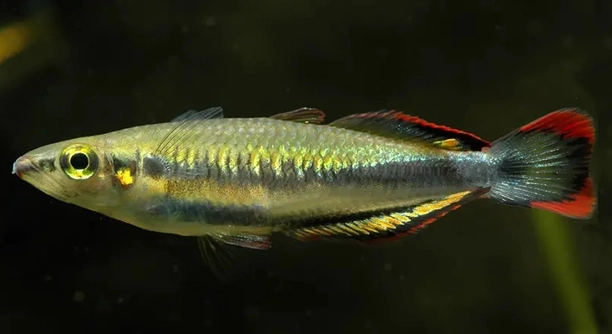
Rainbowfish are vibrant and active swimmers, often moving gracefully through their aquatic environment. Observing their patterns can reveal much about their health, comfort, and interactions with other fish, as well as the conditions that surround them.
Several key factors influence rainbowfish movement, including water temperature, oxygen levels, tank size, plant coverage, light exposure, social dynamics, and diet. Each factor directly affects swimming behavior, activity levels, and overall well-being within their aquatic habitat.
Understanding these elements is essential for maintaining a healthy aquarium. The following insights will help you ensure your rainbowfish remain active, comfortable, and thriving in their environment.
Water Temperature and Rainbowfish Activity
Rainbowfish are highly sensitive to changes in water temperature. Their metabolic rate increases with warmer water, causing them to become more active and swim rapidly. Conversely, colder water slows their metabolism, making them lethargic and less likely to explore the tank. Sudden temperature changes can stress rainbowfish, sometimes leading to health issues like weakened immune systems or irregular swimming patterns. Maintaining a stable and appropriate temperature range is essential for their well-being. Tropical rainbowfish thrive in water that ranges between 24°C and 28°C, while some hardy species may tolerate slightly cooler conditions. Using a reliable heater and thermometer ensures the water stays within this range, preventing dangerous fluctuations. Observation is key; noticing sluggish behavior or sudden bursts of frantic movement can indicate temperature stress. Combining consistent monitoring with careful adjustments helps rainbowfish maintain a natural swimming rhythm and stay healthy in their habitat.
Proper temperature management promotes steady movement and reduces stress. Rainbowfish respond quickly to stable conditions, displaying regular activity and confidence in their environment.
Stable temperature allows rainbowfish to maintain a consistent energy level. Overheating can cause rapid, erratic swimming, while cooler water slows them down. Balancing the temperature ensures they interact naturally, feed properly, and avoid unnecessary stress, creating a lively and healthy tank environment that encourages exploration.
Oxygen Levels and Movement
Low oxygen levels can severely impact rainbowfish movement. They become sluggish and often remain near the water surface, struggling to breathe normally.
Rainbowfish need well-oxygenated water to maintain constant swimming activity. Proper aeration through filters, air stones, or water flow ensures oxygen is evenly distributed. Tanks with heavy plants or high stocking densities may require additional aeration to prevent low oxygen zones. Monitoring oxygen levels helps avoid sudden declines that can stress fish or limit activity. Fish gasping at the surface, slow swimming, or hiding frequently are clear signs of insufficient oxygen. Regular partial water changes also support healthy oxygen levels while keeping nitrate and ammonia low. Observing behavior after aeration adjustments can confirm whether the environment supports normal movement. Well-oxygenated water encourages rainbowfish to explore, feed actively, and interact socially, resulting in vibrant behavior. By maintaining optimal oxygen, you directly influence their ability to swim confidently and remain energetic. Proper attention to these conditions supports long-term health and reduces the risk of disease.
Tank Size and Swimming Space
A small tank restricts rainbowfish movement, causing stress and limited activity. Larger tanks provide ample swimming space, reducing aggression and encouraging natural behavior.
Rainbowfish are active swimmers that thrive in spacious environments. A cramped tank can lead to irregular swimming, increased competition, and hiding. Providing a tank that allows horizontal and vertical movement is crucial. A minimum of 20 gallons is recommended for a small group, while larger schools need significantly more space. Swimming freely helps maintain muscle tone, reduces stress, and promotes social interaction. Adequate space also allows plants and decorations without obstructing movement, creating a balanced habitat that encourages consistent activity.
Fish in appropriately sized tanks show more natural patterns, exploring both surface and bottom levels. They display stable energy, social cohesion, and reduced signs of stress. Proper tank dimensions are essential for a thriving rainbowfish environment.
Plant Coverage and Hiding Spots
Dense plant coverage offers security and encourages exploration. Open areas allow active swimming while plants provide resting or hiding spaces when needed.
Rainbowfish use plants for shelter and to reduce stress from tankmates or sudden changes in lighting or water flow. Well-placed plants support natural behavior, allowing fish to dart through foliage or rest quietly. They also provide boundaries that reduce aggression in groups, helping maintain harmony within the school. Choosing a mix of tall and low plants ensures variety and accommodates different swimming levels. Healthy plants improve water quality by absorbing excess nutrients and supporting oxygen levels, indirectly influencing activity patterns. Observation shows fish use plants not just for hiding but for brief pauses during active swimming. Maintaining live or well-arranged artificial plants creates an environment that balances activity with security, helping rainbowfish move confidently and interact naturally.
Light Exposure and Activity
Consistent light cycles help regulate rainbowfish movement. Too much light can stress them, while too little reduces activity and feeding behavior.
Rainbowfish respond to gradual changes in light. Providing a regular day-night cycle of about 10–12 hours promotes natural swimming patterns and overall well-being.
Social Dynamics
Rainbowfish are schooling fish and feel more secure in groups. Isolation can cause stress, erratic swimming, or hiding behavior. Maintaining an appropriate group size encourages natural movement and reduces aggression. Proper social interaction is essential for maintaining a healthy, active school in the tank.
Diet and Energy Levels
A balanced diet directly affects rainbowfish activity. Poor nutrition can cause lethargy, while varied, high-quality food keeps them energetic and swimming consistently. Feeding small portions multiple times a day supports metabolism and encourages natural foraging behavior.
FAQ
How can I tell if my rainbowfish is stressed?
Signs of stress in rainbowfish include erratic swimming, hiding for long periods, loss of appetite, and faded coloration. Stress often results from sudden changes in water temperature, poor water quality, or aggressive tankmates. Observing daily behavior and keeping water conditions stable helps reduce stress.
What is the ideal water temperature for rainbowfish?
Most tropical rainbowfish thrive between 24°C and 28°C. Maintaining a stable temperature within this range prevents metabolic issues and supports natural swimming behavior. Sudden fluctuations, even a few degrees, can cause stress and reduce movement. A reliable heater and thermometer are essential for consistency.
How often should I check oxygen levels?
Oxygen levels should be monitored regularly, ideally once a week or when adding new fish or plants. Signs of low oxygen include fish gasping at the surface, lethargy, and slow swimming. Proper aeration and partial water changes maintain healthy oxygen levels and promote active swimming.
How many rainbowfish should I keep together?
Rainbowfish are schooling fish and feel secure in groups of at least six. Smaller groups can lead to stress and reduced movement. Larger schools encourage social interaction, reduce aggression, and stimulate natural swimming patterns throughout the tank.
Can tank decorations affect movement?
Yes. Dense or poorly placed decorations can restrict swimming space, while strategically arranged plants and rocks provide hiding spots without limiting movement. Balance between open areas and cover allows rainbowfish to swim freely and feel secure, encouraging natural and consistent activity.
What types of food keep rainbowfish active?
Rainbowfish benefit from a varied diet including flakes, pellets, frozen or live foods. High-quality protein sources support energy levels and activity. Feeding small portions multiple times a day mimics natural foraging and encourages consistent swimming and interaction among the school.
Does lighting impact their behavior?
Lighting directly affects rainbowfish activity. A consistent day-night cycle of 10–12 hours helps regulate swimming patterns. Excessive bright light may cause stress, while dim or inconsistent lighting can lead to reduced activity and decreased feeding. Gradual transitions between light and dark are ideal.
How do I handle sudden changes in water conditions?
Sudden changes in pH, temperature, or hardness can shock rainbowfish, causing erratic swimming or hiding. Gradual adjustments are safer, giving the fish time to adapt. Regular testing and slow corrections help maintain a stable environment and promote healthy, active movement.
Can overcrowding affect movement?
Overcrowded tanks reduce swimming space, increase stress, and may cause aggression. Each rainbowfish needs sufficient room to move freely. Proper tank size and stocking density support energy levels, natural social behavior, and overall health, keeping the school active and comfortable.
What role do plants play in movement?
Plants provide both security and stimulation. Rainbowfish use plants for resting or hiding but also explore open areas in between. A mix of tall and short plants allows varied swimming levels, creating a more dynamic and engaging environment while maintaining safety and natural behavior.
How do I encourage shy rainbowfish to swim more?
Shy rainbowfish often hide due to stress, isolation, or aggressive tankmates. Providing a balanced group, stable water conditions, and adequate hiding spots encourages confidence. Gradually introducing new fish or rearranging plants can help timid individuals become more active without causing stress.
Are there health issues that affect swimming?
Yes, illnesses like swim bladder disorders, parasites, or bacterial infections can affect movement. Symptoms include erratic swimming, floating, or sinking. Early detection, proper diagnosis, and treatment are critical. Maintaining clean water, a balanced diet, and a stress-free environment reduces the risk of health-related movement issues.
Can water flow impact their activity?
Water flow affects swimming patterns. Strong currents may tire fish, while very low flow can reduce stimulation. Rainbowfish prefer moderate water movement that mimics natural habitats, allowing them to swim actively without being overwhelmed, supporting both exercise and natural behavior.
How often should I perform water changes?
Regular partial water changes, typically 20–30% weekly, maintain water quality and oxygen levels. Clean water reduces stress and promotes healthy movement. Sudden large changes can shock fish, so gradual and consistent water management is key to keeping rainbowfish active and healthy.
Is it normal for rainbowfish to rest at the bottom sometimes?
Yes, occasional resting is normal, especially after feeding or during low-light periods. However, prolonged inactivity may indicate stress, illness, or poor water conditions. Observing patterns over time helps distinguish natural resting behavior from potential health issues.
Can tankmates affect rainbowfish movement?
Aggressive or overly active tankmates can intimidate rainbowfish, causing hiding or erratic swimming. Peaceful, similarly sized species encourage natural behavior and group cohesion. Choosing compatible tankmates supports regular activity, reduces stress, and maintains a balanced, active environment.
How do I know if my rainbowfish are happy in their tank?
Active swimming, consistent feeding, vibrant coloration, and social interaction are good indicators. Fish exploring the full tank, using plants and open areas, and maintaining regular energy levels typically signal a healthy and well-adjusted environment. Monitoring behavior regularly helps ensure ongoing well-being.
Does feeding schedule influence swimming behavior?
Yes, consistent feeding schedules regulate energy levels and activity. Feeding at the same times daily encourages anticipation and natural foraging behavior. Irregular feeding may reduce activity, increase stress, or cause competition among fish, affecting overall swimming patterns.
Are there seasonal effects on movement?
Temperature fluctuations, light duration, or water chemistry changes in different seasons can affect activity. Maintaining consistent tank conditions year-round helps prevent lethargy or unusual swimming patterns, supporting stable behavior regardless of external seasonal changes.
What is the best way to introduce new rainbowfish to the tank?
Quarantine new fish first to prevent disease transmission. Gradually acclimate them to tank water to reduce stress. Introduce small groups slowly to maintain social balance, encouraging natural swimming and interaction without causing aggression or hiding behaviors.
Final Thoughts
Rainbowfish movement reflects their overall health and the quality of their environment. Observing swimming patterns can provide insight into water conditions, social dynamics, and diet. Consistent behavior, active exploration, and interaction within the school indicate that fish are comfortable and well-adjusted. Maintaining proper water temperature, oxygen levels, and a suitable tank size ensures they have the energy and space to swim naturally. Changes in movement can often signal issues early, allowing timely intervention before problems escalate. Careful monitoring, combined with preventive measures, supports not only activity but also long-term health, promoting a lively and harmonious aquarium.
Providing the right balance of plant coverage, hiding spots, and open swimming areas is essential. Dense plants offer security, reducing stress from tankmates or sudden environmental changes, while open spaces allow active swimming and exploration. Proper placement and variety encourage natural behavior and movement at all levels of the tank. Social interaction plays a crucial role as well. Rainbowfish thrive in groups, and their activity is closely linked to the number and compatibility of tankmates. Adequate schooling prevents aggression, promotes confidence, and allows fish to express normal behaviors. Combining social balance with thoughtful tank design creates an environment that supports consistent movement and overall well-being.
Diet and lighting are equally important for sustaining activity. A varied, high-quality diet ensures energy levels remain stable, supporting swimming and interaction. Small, frequent feedings mimic natural foraging patterns and prevent lethargy. Likewise, consistent light cycles regulate behavior and create a sense of routine, while extremes in lighting can cause stress or inactivity. Observing your rainbowfish and responding to their needs builds a positive environment that encourages confidence and natural movement. Attention to these details creates a thriving aquarium where fish remain active, healthy, and visibly comfortable, allowing you to appreciate the full vibrancy of their behavior over time.

Hello,
If you enjoy the content that we create, please consider saying a "Thank You!" by leaving a tip.
Every little bit helps us continue crafting quality advice that supports the health, happiness, and well-being of pets around the world, for pets of all shapes, sizes, and species.
We really appreciate the kindness and support that you show us!