
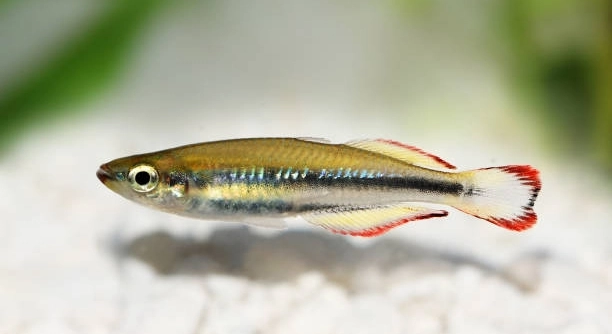
Rainbowfish are colorful and lively additions to any freshwater aquarium. Maintaining the right environment helps them thrive, and water temperature plays a significant role in their overall health and behavior, influencing activity levels and feeding habits.
The optimal water temperatures for rainbowfish range between 74°F and 82°F. Consistently maintaining this range supports proper metabolism, growth, and coloration while minimizing stress. Temperatures outside this range can weaken their immune system and increase susceptibility to disease.
Understanding and controlling water temperature is crucial for the well-being of rainbowfish. This knowledge ensures they remain healthy, active, and vibrant in your aquarium environment.
Ideal Daytime Temperature for Rainbowfish
Rainbowfish are most active during the day, and their metabolism responds well to warmer water. Maintaining a daytime temperature between 78°F and 82°F encourages swimming, feeding, and social behaviors. Sudden changes can stress them, causing lethargy or loss of appetite. Using a reliable heater ensures consistent warmth, while a thermometer allows precise monitoring. Positioning the heater away from strong currents helps maintain uniform temperatures throughout the tank. Additionally, water movement from filters or air pumps should not create cold spots that disturb their comfort. Observing the fish daily can reveal if they are comfortable or showing signs of temperature-related stress. Even slight deviations may affect their color and vitality, so gradual adjustments are recommended. Combining a stable daytime temperature with proper lighting and tank maintenance creates a healthy environment that supports growth, reproduction, and long-term wellbeing.
Keeping daytime temperatures steady enhances activity and keeps rainbowfish healthy and vibrant throughout the day.
Maintaining the correct daytime temperature supports natural behaviors and prevents stress. It also ensures proper digestion and stronger immunity. Consistency is key, as fluctuating heat can disrupt their biological rhythms. Pairing temperature control with regular water changes maintains clean, oxygenated water, which further promotes health. Observing their swimming patterns and coloration helps indicate if the environment is suitable. Over time, stable conditions improve breeding success and reduce susceptibility to diseases. A well-maintained tank supports not only physical health but also mental stimulation, as rainbowfish thrive in predictable, comfortable conditions.
Nighttime Temperature for Rainbowfish
Rainbowfish tolerate slightly cooler temperatures at night, ideally between 74°F and 78°F.
Lowering water temperature during nighttime simulates natural conditions, promoting rest and lowering metabolism. Using a timer for heaters and lights prevents sudden changes. A consistent nighttime range ensures fish remain calm and reduces stress, while still supporting overall health and color retention.
At night, rainbowfish need a calmer, cooler environment. A drop in temperature encourages rest and helps regulate their metabolism. Gradual cooling prevents shock, while avoiding extreme drops maintains immune function. Observing their nighttime behavior can indicate if adjustments are needed. Combining proper night temperatures with stable daytime warmth creates a healthy temperature cycle. This cycle supports feeding schedules and reduces overall stress, contributing to longevity. A stable temperature rhythm encourages natural behaviors and keeps the fish active and vibrant during the day. Proper nighttime management is essential for their overall comfort and wellbeing.
Temperature Fluctuations and Stress
Frequent temperature changes can stress rainbowfish, causing weakened immunity and unusual behavior. Maintaining a stable range between 74°F and 82°F is essential to prevent illness and support normal activity.
Even small fluctuations in water temperature can affect rainbowfish. Sudden drops or spikes make them sluggish or hide more often. Stress from inconsistent temperatures can also cause color fading and reduce appetite. Using a reliable heater and thermometer, along with regular monitoring, ensures a consistent environment. Avoid placing the tank near windows or vents where temperature swings are likely. Gradual adjustments are safer than abrupt changes. Consistency allows fish to remain active, healthy, and display their natural colors fully.
Temperature stability directly impacts long-term health and wellbeing. Fish that experience frequent shifts are more prone to disease and behavioral issues. Maintaining a stable environment promotes proper digestion, reduces aggression, and supports normal reproduction. Observation is key; noticing subtle changes in swimming or feeding patterns helps identify stress early. A tank with consistent temperature and proper filtration ensures rainbowfish remain vibrant and energetic, allowing them to thrive comfortably in their aquatic home.
Seasonal Temperature Adjustments
Seasonal changes may require minor adjustments to maintain the ideal range for rainbowfish. Even a few degrees can influence activity and health.
During warmer months, the tank may need additional cooling, such as fans or partial water changes. In cooler months, a heater should prevent drops below 74°F. Monitoring daily is crucial to avoid stress caused by sudden seasonal shifts.
Rainbowfish respond best when their environment mirrors natural conditions. Slight seasonal adjustments help maintain metabolic balance and support breeding cycles. Avoid rapid changes, as fish are sensitive to sudden temperature swings. Gradual adjustments paired with careful observation ensure they remain active and healthy. Providing consistent day-night cycles and adequate oxygenation complements seasonal temperature control. Small seasonal management steps make a significant difference in overall health, color vibrancy, and energy levels of rainbowfish throughout the year.
Recommended Thermometer Types
Digital thermometers provide precise readings, making it easier to maintain consistent water temperature. They respond quickly to changes and are simple to read.
Stick-on strip thermometers offer a low-cost alternative. They are convenient for continuous monitoring but may be less accurate than digital models, so occasional cross-checking is helpful.
Heater Placement Tips
Place the heater near water flow but away from strong currents to ensure even heat distribution. Avoid hiding it behind decorations, which can block circulation.
Proper placement ensures that warm water spreads evenly throughout the tank, preventing hot or cold spots. Consistent warmth supports rainbowfish health, reduces stress, and maintains vibrant coloration.
Monitoring Temperature Changes
Regular observation of the thermometer and visual fish behavior is essential. Sudden changes in swimming patterns may indicate stress or improper temperature.
Using Multiple Thermometers
Using more than one thermometer in different tank areas ensures accurate monitoring. This practice helps detect uneven heating and maintains a stable environment.
FAQ
What is the ideal water temperature range for rainbowfish?
The best water temperature for rainbowfish is between 74°F and 82°F. Keeping the tank within this range ensures proper metabolism, activity, and coloration. Temperatures outside this range can lead to stress, weaker immunity, and increased susceptibility to illness. Maintaining a consistent temperature is more important than hitting an exact number.
Can rainbowfish tolerate temperature fluctuations?
Rainbowfish are sensitive to sudden changes in temperature. Even a small drop or rise can make them sluggish, hide more often, or lose their vibrant colors. Gradual adjustments are safer. Using a heater with a thermostat and checking the temperature regularly prevents harmful fluctuations.
Do rainbowfish need different temperatures during the day and night?
Yes. Slightly cooler nighttime temperatures, around 74°F to 78°F, mimic natural conditions and help regulate metabolism. Daytime temperatures between 78°F and 82°F support activity, feeding, and growth. Gradual changes between day and night are best for overall health.
How can I prevent stress caused by temperature changes?
Stable water temperature is key. Avoid placing the tank near vents, windows, or areas with direct sunlight, which can cause sudden fluctuations. Use a reliable heater and thermometer to monitor changes. Gradual adjustments during seasonal shifts help maintain a calm, healthy environment.
What type of thermometer is best for rainbowfish tanks?
Digital thermometers are precise and respond quickly to temperature changes, making them ideal. Stick-on strip thermometers are convenient and affordable, but may be less accurate. Using multiple thermometers in different parts of the tank ensures even heating.
Where should I place the heater in the tank?
Place the heater near water flow but not directly in strong currents. This ensures even heat distribution without creating hot or cold spots. Avoid hiding the heater behind decorations, as this can block circulation and affect temperature consistency.
How do seasonal changes affect rainbowfish temperature needs?
During warmer months, additional cooling may be needed, such as using fans or partial water changes. In colder months, heaters prevent drops below 74°F. Gradual seasonal adjustments help maintain metabolic balance and support normal behaviors, including feeding and breeding.
What are signs that rainbowfish are uncomfortable with the water temperature?
Signs include hiding, sluggish movement, loss of appetite, faded coloration, or erratic swimming. These behaviors often indicate stress from improper temperature or sudden changes. Regular observation and careful monitoring of temperature can prevent long-term issues.
Can multiple rainbowfish species be kept in the same tank regarding temperature?
Yes, but ensure all species share similar temperature requirements. Most rainbowfish prefer 74°F to 82°F, but checking specific needs is important. Keeping the tank within the overlapping range helps maintain the health and activity of all species.
How often should I check the tank temperature?
Daily monitoring is recommended, especially during seasonal changes or after adjusting heaters. Consistent observation allows early detection of fluctuations and prevents stress-related health problems. Multiple thermometers can provide a more accurate picture of overall tank conditions.
Is it necessary to use a heater all year round?
Yes, in most climates. Rainbowfish require stable water temperature, and ambient room temperatures are often insufficient. Heaters ensure the tank stays within the ideal range, supporting metabolism, activity, and immune function. Turn off only if the room consistently stays within 74°F to 82°F.
What additional steps can support temperature stability?
Combine a reliable heater with regular water changes, proper filtration, and controlled lighting. Avoid areas prone to drafts or direct sunlight. Observing fish behavior alongside thermometer readings provides a clear indication of stability and ensures a healthy environment.
Do rainbowfish need a specific temperature for breeding?
Yes, slightly warmer water within the upper range of 78°F to 82°F encourages breeding behavior. Stable temperatures support egg development and reduce stress during spawning. Sudden changes can disrupt reproduction and affect the health of both adults and fry.
How does temperature affect rainbowfish coloration?
Consistent, optimal temperatures enhance vibrant colors, while stress from cold or hot water can cause fading. Proper heating, combined with clean water and adequate nutrition, ensures rainbowfish display their full range of natural hues.
Can temperature alone prevent rainbowfish illness?
Temperature is a critical factor, but not the only one. Proper nutrition, clean water, stable environment, and regular monitoring are all essential. Consistent temperatures support immunity, but overall tank management determines long-term health and longevity.
This FAQ covers the essential aspects of water temperature management for rainbowfish, ensuring they remain healthy, active, and colorful throughout their time in the tank.
Maintaining the proper water temperature is essential for rainbowfish health and well-being. These fish thrive in a stable environment between 74°F and 82°F, and consistent temperatures support their metabolism, activity, and coloration. Sudden changes or fluctuations can lead to stress, which weakens their immune system and makes them more prone to illness. Observing the fish daily helps identify early signs of stress, such as hiding, sluggish swimming, or loss of appetite. By monitoring their behavior alongside accurate temperature readings, you can ensure the fish remain comfortable and healthy. Using reliable equipment like digital thermometers and quality heaters makes maintaining the correct range much easier, and adding multiple thermometers can help ensure even heating throughout the tank. Small adjustments should always be gradual to avoid shocking the fish.
Nighttime and daytime temperatures should be managed carefully to mimic natural conditions. During the day, slightly warmer water between 78°F and 82°F encourages activity, feeding, and growth. Cooler nighttime temperatures between 74°F and 78°F help regulate metabolism and allow the fish to rest. This natural cycle is important for overall health and breeding behaviors. Seasonal adjustments may also be necessary, as room temperature changes can affect the tank. In warmer months, partial water changes or fans may help prevent overheating, while in cooler months, heaters prevent the water from dropping too low. Consistency in these adjustments ensures that rainbowfish maintain normal behaviors, vibrant colors, and a strong immune system throughout the year.
Proper temperature management works alongside other key aspects of tank care. Clean water, proper filtration, regular monitoring, and balanced nutrition all contribute to the well-being of rainbowfish. Maintaining the ideal temperature supports these factors by reducing stress and creating a comfortable environment where the fish can thrive. Observing the tank regularly and responding to subtle changes in behavior or water readings allows for early intervention before problems develop. Temperature alone is not enough to guarantee health, but it plays a critical role in creating a stable environment. By keeping water consistently within the recommended range, adjusting for day-night cycles, and monitoring seasonal changes, you can provide rainbowfish with an environment that supports long-term health, natural behavior, and vibrant coloration. Proper temperature care ensures they remain active, healthy, and visually striking for years in the aquarium.

Hello,
If you enjoy the content that we create, please consider saying a "Thank You!" by leaving a tip.
Every little bit helps us continue crafting quality advice that supports the health, happiness, and well-being of pets around the world, for pets of all shapes, sizes, and species.
We really appreciate the kindness and support that you show us!