
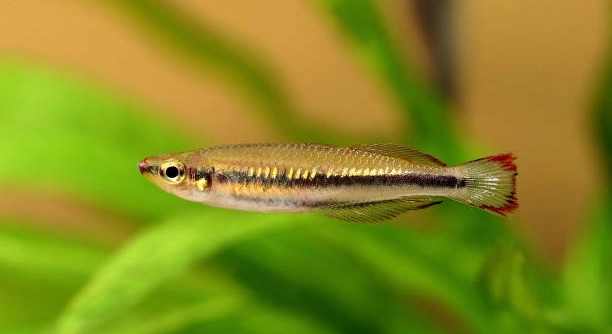
Keeping a community aquarium can be both rewarding and challenging, especially when combining different fish species. Rainbowfish and bettas each have unique temperaments and environmental needs that require careful consideration before introducing them together.
Rainbowfish can live with bettas under controlled conditions, provided the tank is spacious, well-planted, and the betta exhibits minimal aggression. Careful monitoring and environmental adjustments are essential to reduce stress and ensure coexistence.
Understanding the behaviors and space requirements of both species can prevent conflicts. Small adjustments in tank setup and routine observation can make a significant difference for peaceful living.
Feeding Habits and Compatibility
Rainbowfish are active feeders that thrive on a mix of flakes, small pellets, and occasional live or frozen foods. Bettas are carnivorous and prefer protein-rich diets such as pellets or frozen bloodworms. Feeding both species in a shared tank requires careful timing and placement to prevent competition. Providing multiple feeding spots helps ensure that rainbowfish can access food without being chased by a betta. Observing their eating behavior is important to ensure that neither species is stressed or underfed. Overfeeding can lead to poor water quality, which impacts both species. Maintaining consistent feeding routines helps regulate their energy levels and reduces aggression. Using sinking pellets for rainbowfish while placing betta food near the surface can keep feeding areas separate. Monitoring the appetite of each fish allows for adjustments and ensures nutritional needs are met, supporting overall health and peaceful coexistence.
Separate feeding areas and careful observation prevent competition and stress during meals.
Proper feeding strategies support both rainbowfish and bettas. Offering different food types and controlling portions prevents conflicts, ensures nutrition, and maintains water quality. Observing how each fish approaches food helps adjust placement. Rainbowfish may chase food quickly, so slower-eating bettas need nearby access. Feeding in multiple locations reduces tension and ensures both species receive adequate nutrition. Adjusting the type, amount, and timing of food based on daily observations keeps aggression low. Monitoring leftovers prevents overfeeding, which can harm water conditions. A structured feeding routine strengthens their overall health while supporting peaceful interactions in the shared tank. Maintaining these practices over time ensures a balanced environment where both species thrive without stress or dominance issues.
Signs of Stress and Aggression
Aggressive chasing, flaring fins, and hiding are common signs that a betta or rainbowfish may be stressed. Observing early behavior patterns helps prevent escalation.
Identifying stress promptly allows for adjustments in tank setup, hiding spaces, and feeding routines. Intervention can prevent injury and maintain a peaceful aquarium.
Monitoring fish behavior daily is essential. Rainbowfish may dart rapidly or hide behind plants if the betta becomes territorial. Bettas may flare gills or chase other fish, showing dominance. Stress can weaken the immune system, making fish more prone to illness. Adding additional plants, rearranging decorations, or creating visual barriers can reduce tension. Separating aggressive individuals temporarily may be necessary in some cases. Water quality also influences behavior; poor conditions can increase aggression or lethargy. Regular observation, combined with environmental adjustments, ensures both species remain healthy and coexist peacefully. Recording incidents can help identify triggers and guide long-term tank management. Maintaining calm interactions fosters a stable environment, allowing rainbowfish to school freely and the betta to feel secure. Proper care and monitoring ultimately promote a balanced, harmonious aquarium for both species.
Selecting Compatible Betta and Rainbowfish
Choosing a calm, non-aggressive betta increases the chances of coexistence. Male bettas with less territorial behavior are better suited for community tanks. Rainbowfish should be healthy, active, and kept in groups of at least six to reduce stress and encourage natural schooling behavior.
Observing the betta’s behavior before adding rainbowfish is important. Some bettas may tolerate other fish easily, while others show persistent aggression. Introducing rainbowfish gradually can help the betta adjust without immediate conflict. Ensuring plenty of hiding spots and open swimming space reduces territorial disputes. Grouping rainbowfish together strengthens their confidence and reduces the likelihood of a single fish being targeted. Health checks before introduction prevent disease spread and maintain a balanced tank environment. Selecting compatible individuals and monitoring initial interactions supports a stable, peaceful aquarium.
Regular observation and adjustments are necessary. Introducing one rainbowfish at a time can gauge the betta’s reaction. Rearranging plants and decorations helps establish territories and prevents aggressive encounters. Gradual acclimation allows both species to adapt to each other’s presence. Watching feeding behavior ensures that all fish are eating without intimidation. Maintaining water quality, hiding spaces, and compatible tank mates reduces stress. Over time, careful monitoring and small adjustments promote a peaceful coexistence between rainbowfish and bettas, allowing both species to thrive in a shared tank environment.
Acclimating New Fish
Quarantining new rainbowfish or bettas before introduction prevents disease spread and allows observation of behavior in a controlled setting. Gradual acclimation reduces shock from sudden environmental changes.
Floating the new fish in a bag for 15–20 minutes before release helps them adjust to temperature differences.
Slowly mixing tank water into the bag over 30–45 minutes allows fish to adjust to pH and hardness. Introducing one or two rainbowfish at a time prevents overwhelming the betta. Monitoring reactions during the first 24 hours is critical to spot aggression early. Rearranging plants or adding temporary barriers can help reduce tension. Maintaining stable water parameters during this period is essential to avoid stress-related illnesses. After acclimation, continued observation ensures that both rainbowfish and betta establish territories without excessive chasing. Proper introduction practices contribute to long-term harmony and reduce the likelihood of conflicts or injuries.
Tank Decorations and Hiding Spots
Plants, driftwood, and rocks provide essential hiding spots for rainbowfish and bettas. Proper placement reduces stress and helps establish territories, preventing aggressive encounters.
Open swimming areas are equally important for rainbowfish. A balanced layout ensures both species have space to move freely without feeling threatened, supporting peaceful coexistence.
Water Conditions and Maintenance
Maintaining stable water conditions is crucial for rainbowfish and bettas. Both species prefer temperatures between 75–80°F, a pH of 6.5–7.5, and clean, well-filtered water. Regular water changes prevent buildup of ammonia and nitrites, which can stress fish.
Monitoring water parameters daily allows early detection of imbalances. Avoid sudden temperature fluctuations or drastic chemical changes. Using gentle filtration preserves bettas’ delicate fins while supporting rainbowfish activity. Cleaning the substrate and removing uneaten food prevents decay and maintains oxygen levels. Consistency in water maintenance reduces disease risk and encourages calm behavior. A well-maintained environment supports both species’ health and promotes long-term peaceful coexistence, allowing rainbowfish to school naturally and the betta to explore its territory without stress.
Observing Daily Behavior
Daily observation helps identify early signs of stress or aggression. Noticing subtle changes in swimming patterns or appetite prevents major conflicts.
Adjusting Tank Setup
Rearranging plants or adding extra hiding spaces can calm aggressive interactions. Small adjustments maintain harmony and give fish room to establish territories safely.
FAQ
Can male bettas live with rainbowfish?
Male bettas are territorial and may show aggression toward rainbowfish, especially in smaller tanks. Choosing a calm, non-aggressive betta and providing plenty of swimming space, hiding spots, and plants can reduce conflicts. Observing the initial interactions is key to determining compatibility over time.
Do rainbowfish need to be in groups when kept with bettas?
Yes, rainbowfish feel safer and are less stressed in groups of at least six. Schooling behavior helps them avoid being singled out by a territorial betta. A larger group also encourages natural swimming patterns and reduces aggression toward any individual fish.
How large should the tank be for both species?
A minimum of 20 gallons is recommended for one betta and a small school of rainbowfish. Larger tanks are better, allowing rainbowfish to swim actively and giving the betta its own territory. Open swimming areas, plants, and decorations should be balanced to prevent stress and reduce chasing.
What water conditions do both species prefer?
Rainbowfish and bettas both thrive in slightly warm water around 75–80°F, with a pH between 6.5–7.5. Stable water parameters are critical. Sudden changes in temperature, pH, or water chemistry can increase stress and trigger aggression. Regular water testing and partial water changes maintain a safe environment.
How should I feed both species together?
Feed rainbowfish flakes or small pellets while providing protein-rich food for the betta. Multiple feeding locations prevent competition and chasing. Observing how each fish approaches food helps adjust placement. Avoid overfeeding, as leftover food can degrade water quality and increase tension between species.
What are signs of stress in rainbowfish and bettas?
Rainbowfish may dart rapidly, hide frequently, or stop eating when stressed. Bettas can flare fins excessively, chase other fish, or display lethargy if uncomfortable. Early recognition allows tank adjustments, such as adding hiding spots, rearranging decorations, or separating aggressive individuals temporarily.
Can female bettas coexist better with rainbowfish than males?
Yes, female bettas are generally less territorial and more tolerant of other species. Pairing a female betta with rainbowfish reduces the likelihood of chasing and aggression, but careful observation is still necessary to ensure peaceful interactions.
How long does it take for both species to adjust?
Adjustment varies depending on temperament and tank setup. It may take days to weeks for rainbowfish and a betta to coexist calmly. Gradual introductions, strategic placement of plants, and monitoring behavior support a smoother acclimation process. Patience and consistent care are essential.
Is it necessary to rearrange the tank if aggression occurs?
Yes, changing plant positions or adding decorations creates visual barriers and breaks up established territories. This can redirect aggressive behavior and allow both species to feel secure, reducing conflicts and promoting a calmer environment.
Should new fish be quarantined before introduction?
Quarantining new rainbowfish or bettas for at least two weeks helps prevent the spread of disease and allows observation of behavior. Gradual acclimation to the main tank reduces stress and increases the chances of peaceful coexistence.
Can rainbowfish and bettas breed in the same tank?
Bettas may show aggression toward rainbowfish fry or eggs, and rainbowfish will spawn best in separate conditions. Breeding behavior can increase territorial disputes, so it is usually recommended to keep breeding attempts separate from community setups.
What if the betta is constantly aggressive despite precautions?
Persistent aggression may require separating the betta temporarily or permanently. Using a divider or moving the betta to a separate tank protects rainbowfish while allowing the betta to remain in the aquarium without harming others.
Do tank plants improve coexistence?
Yes, live or artificial plants provide hiding spots and visual barriers. They reduce stress for both species, break up the betta’s line of sight, and allow rainbowfish to swim freely without being constantly chased.
How important is monitoring behavior daily?
Daily observation is crucial. Minor signs of stress, aggression, or changes in feeding habits can indicate problems early. Prompt adjustments, whether rearranging decorations or isolating a fish, prevent injuries and maintain harmony in the tank.
Can both species thrive long-term together?
Yes, with proper tank size, compatible personalities, stable water conditions, and careful monitoring. Consistent care, feeding routines, and environmental adjustments ensure that rainbowfish and bettas coexist peacefully over months and years, creating a balanced and visually appealing aquarium.
Are there alternative species better suited for bettas than rainbowfish?
Some small, non-aggressive species like Corydoras catfish or certain tetras may coexist more reliably with bettas. However, rainbowfish can still work in larger, well-structured tanks if careful observation and proper adjustments are made consistently.
What is the best way to reduce initial stress when introducing rainbowfish to a betta?
Float the new fish in the bag for temperature adjustment, gradually mix tank water, and introduce one or two fish at a time. Providing hiding spots and rearranging decorations can help both species acclimate with minimal aggression.
How often should water changes be done in a mixed tank?
Partial water changes of 20–25% weekly help maintain clean water, remove excess food, and prevent buildup of ammonia or nitrites. Stable water conditions reduce stress and aggression, supporting the health of both rainbowfish and bettas.
Can decorations alone prevent aggression?
Decorations help, but they cannot completely prevent conflicts if the betta is highly aggressive. They work best combined with proper tank size, compatible personalities, multiple hiding spots, and regular observation.
Is it safe to keep multiple bettas with rainbowfish?
No, keeping multiple male bettas in the same tank often results in serious fighting. Only one male betta per tank is recommended when housing rainbowfish. Female bettas may allow more flexibility, but monitoring is still necessary.
How do I know if my tank setup is working?
A peaceful tank is indicated by rainbowfish schooling naturally, a calm betta exploring its territory without constant chasing, and consistent eating and swimming behaviors. Any sudden changes in behavior or signs of stress require immediate adjustments.
Can stress in bettas or rainbowfish lead to illness?
Yes, chronic stress weakens the immune system, making fish more susceptible to diseases like fin rot, ich, or bacterial infections. Maintaining proper tank conditions, feeding routines, and reducing aggression are essential to prevent health issues.
Are artificial plants as effective as live plants for coexistence?
Artificial plants provide hiding spots and visual barriers, but live plants improve water quality and oxygen levels. Both types can help reduce stress, but live plants offer additional benefits for long-term health and tank balance.
Is it necessary to track interactions in a journal?
Keeping a record of daily observations helps identify patterns in behavior, aggression triggers, and feeding habits. This information allows timely interventions and adjustments to maintain a harmonious environment for both rainbowfish and bettas.
What should I do if a rainbowfish is being chased too often?
Add more hiding spaces, rearrange decorations, or temporarily isolate the rainbowfish. Ensuring the school sticks together and has open swimming space can reduce repeated targeting by the betta.
Final Thoughts
Creating a peaceful community tank with rainbowfish and a betta requires careful planning and attention to detail. Both species have different temperaments and environmental needs, and overlooking these differences can lead to stress or injury. Rainbowfish are active, social swimmers who feel most secure in groups of six or more, while bettas, particularly males, are territorial and can become aggressive if their space is threatened. Providing adequate swimming space, multiple hiding spots, and well-placed decorations allows each species to establish its own territory, reducing conflict. Open swimming areas are crucial for rainbowfish to display natural schooling behavior, and dense plant coverage or driftwood offers the betta a sense of security. Tank size plays a major role in promoting harmony. Smaller tanks increase the likelihood of chasing and stress, while larger tanks give fish more room to coexist without constant confrontation. Careful observation during the first few weeks of introduction is essential to identify signs of aggression and make necessary adjustments.
Feeding routines also influence compatibility. Rainbowfish are omnivores that thrive on flakes, pellets, and occasional live food, whereas bettas prefer protein-rich diets. Offering food in multiple locations prevents competition and reduces the chance of chasing during feeding time. Monitoring each species’ appetite ensures no fish is underfed or stressed. Maintaining consistent water conditions is equally important. Both species prefer slightly warm water with stable pH and clean, well-filtered conditions. Sudden changes in temperature, water chemistry, or quality can increase stress, which often triggers aggression or illness. Regular water testing and partial water changes help maintain a safe and stable environment. By combining proper feeding strategies, careful water maintenance, and attentive observation, aquarists can create a balanced tank where rainbowfish and a betta coexist with minimal conflict.
Patience and ongoing adjustments are key to long-term success. Even with proper tank size, compatible personalities, and environmental planning, fish may need time to acclimate to one another. Observing daily behavior allows timely interventions if any fish shows stress or aggression. Rearranging plants or adding extra hiding spaces can break up territories and reduce tension. Quarantining new fish before introduction helps prevent the spread of disease and allows monitoring of temperament. Over time, consistent care, observation, and small environmental adjustments make it possible for rainbowfish to school naturally while a betta explores its territory without feeling threatened. By respecting the needs of both species and carefully managing interactions, a harmonious, visually appealing aquarium can be maintained, supporting the health and well-being of all the fish in the tank.

Hello,
If you enjoy the content that we create, please consider saying a "Thank You!" by leaving a tip.
Every little bit helps us continue crafting quality advice that supports the health, happiness, and well-being of pets around the world, for pets of all shapes, sizes, and species.
We really appreciate the kindness and support that you show us!