
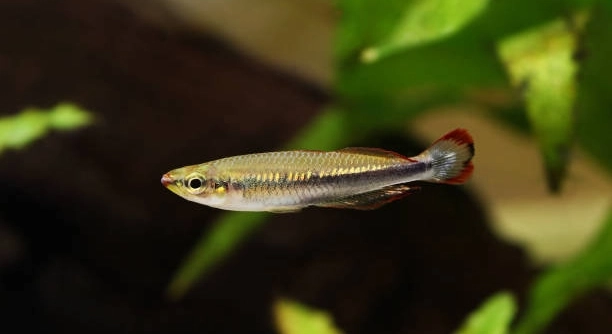
Many aquarium keepers form quiet routines with their fish, noticing subtle behaviors during feeding and tank care that feel personal, calming, and familiar over time within a well maintained home aquarium environment and daily moments.
Rainbowfish are capable of recognizing individual human caretakers through repeated visual and behavioral cues. Consistent feeding schedules, movement patterns, and tank interactions support associative memory formation, allowing these fish to display familiarity responses over time within stable captive environments conditions.
Learning how memory, routine, and environment shape fish behavior adds meaningful context to everyday aquarium care and observation practices today.
How Rainbowfish Process Recognition
Rainbowfish rely on a combination of sight, pattern recognition, and routine to process familiar stimuli in their environment. Over time, repeated exposure to the same caretaker creates stable associations linked to feeding, light changes, and movement outside the glass. Their brains, while small, are efficient at storing simple memories connected to survival and comfort. Consistency matters more than complexity. When actions occur in predictable ways, recognition becomes stronger and longer lasting. I noticed this myself during regular tank maintenance, as my presence alone triggered calm swimming rather than hiding. This response reflects learned familiarity rather than emotion, yet it still shows measurable memory use. Scientific observations support this behavior across many fish species, especially those kept in enriched, low stress environments where learning opportunities remain consistent and uninterrupted. These patterns demonstrate that memory plays a practical role in daily aquarium interactions and long term behavioral stability for captive rainbowfish populations.
Recognition develops gradually and depends heavily on repetition rather than intelligence alone. Short term memory builds into longer retention when care routines remain steady, calm, and predictable. Sudden changes can weaken these learned responses and reduce visible familiarity over time. This explains why consistency remains essential in aquarium care practices.
Visual recognition plays the strongest role in how rainbowfish remember people. They notice body shape, movement rhythm, and positioning near the tank during feeding times. Overhead lighting and background stability also influence how clearly these cues register. Smell has minimal impact compared to mammals, but vibration and shadow patterns matter. From my experience, approaching the tank slowly produced different reactions than sudden movements. This shows that recognition connects closely with learned safety signals. When those signals remain unchanged, memory retention improves, supporting calm behavior and consistent feeding responses over extended periods in stable, well maintained aquarium environments with minimal stress.
What Influences Memory in Home Aquariums
Tank conditions strongly affect how well rainbowfish retain recognition patterns. Clean water, balanced lighting, and minimal disruption support cognitive stability. Stress from overcrowding or erratic maintenance can interfere with memory formation, making familiar behaviors less reliable and harder to observe consistently over time in enclosed aquarium systems with repeated exposure.
Daily interaction does not require constant engagement to support memory in rainbowfish. Simple presence during feeding, routine cleaning schedules, and stable surroundings are enough to reinforce recognition. Excessive tapping, rearranging decor, or inconsistent lighting can create confusion rather than familiarity. I found that maintaining a calm approach reduced startled swimming and improved feeding behavior over weeks. This aligns with behavioral studies showing fish rely on repetition instead of complex bonding. Recognition should be viewed as a learned response tied to expectation, not attachment. When caretakers move predictably and maintain consistent timing, fish respond with confidence and reduced stress indicators. Over time, this creates a smoother care routine and clearer observation of natural behavior. Respecting these limits keeps interactions healthy and balanced, allowing rainbowfish to thrive without overstimulation or dependency. This approach benefits both keeper and fish by minimizing misinterpretation of behavior. Memory expression remains subtle and functional, not dramatic. By understanding these boundaries, care becomes more intentional. Long term consistency supports wellbeing, reduces stress related illness, and encourages natural activity patterns that reflect a stable, supportive aquarium environment. Such conditions allow observation without interference and promote responsible, attentive aquarium keeping practices over time across varying household routines and seasonal changes.
Signs Your Rainbowfish Recognizes You
Rainbowfish show recognition through calm swimming, approaching the glass during feeding, and reduced hiding when you enter the room. These behaviors appear consistently after repeated exposure to the same caretaker and stable routines, signaling learned familiarity rather than chance responses over time within well maintained home aquarium settings daily environments.
Consistency strengthens recognition more than interaction length. Feeding at the same times, using similar movements, and maintaining lighting schedules all reinforce memory patterns. I noticed stronger responses when I avoided sudden gestures and kept tank maintenance predictable. Visual cues dominate learning, especially silhouette and motion. When these remain unchanged, rainbowfish associate them with safety and food availability. Interruptions like frequent rescaping or irregular feeding weaken these associations. Memory remains practical and limited, focused on expectation rather than attachment. This explains why recognition fades when routines shift, even if the caretaker remains present over longer periods of inconsistent daily care patterns.
Recognition does not mean emotional bonding, and understanding this prevents misinterpretation. Rainbowfish respond to familiarity because it reduces stress and conserves energy. From my perspective, this clarity improved how I approached care, focusing on stability instead of interaction. Overhandling or constant attention offers no benefit and may disrupt learned patterns. Memory supports survival oriented behavior, not social attachment. By respecting these limits, caretakers encourage natural swimming, steady feeding, and reduced anxiety. This balance creates a healthier environment where recognition remains subtle, functional, and beneficial without projecting human emotions onto fish behavior within controlled aquarium conditions over time consistently observed daily.
How to Support Healthy Recognition
Supporting recognition requires restraint more than effort. Maintain consistent feeding times, approach the tank calmly, and limit unnecessary changes. I found that simple habits created clearer responses than frequent interaction. Stable lighting, clean water, and predictable maintenance allow memory patterns to remain intact. These conditions reduce stress and support behavioral consistency without overstimulation or confusion during long term home aquarium care routines, benefiting both fish health and observation accuracy over extended periods of stability maintained.
Recognition should develop naturally through routine, not forced engagement. Avoid tapping glass, chasing movement, or altering decor too often. These actions interrupt learning and elevate stress. I adjusted my own habits by slowing movements and keeping schedules steady, which improved overall behavior. Feeding tools and placement should remain consistent, as location reinforces memory. Environmental enrichment should be subtle and infrequent. When changes are necessary, gradual adjustments help preserve learned responses. This approach respects the fish’s cognitive limits while supporting welfare. Over time, recognition remains present but understated, allowing observation without interference. Balanced care promotes stability, reduces anxiety indicators, and supports long term health in captive rainbowfish across varied household routines, lighting cycles, and seasonal maintenance patterns observed consistently by attentive caretakers over time periods safely.
When Recognition Weakens
Recognition can fade when routines change or stress increases within the tank. Inconsistent feeding times, sudden lighting shifts, or frequent rearranging can weaken learned associations. I noticed reduced responsiveness after schedule changes, showing memory depends on stability rather than long term exposure alone during normal home aquarium care routines daily.
Stress interrupts memory expression even when recognition exists. Poor water quality, overcrowding, or aggressive tankmates shift focus toward survival behaviors. From my experience, calm conditions restored familiar responses quickly. This shows recognition remains present but suppressed until environmental stability returns within well maintained home aquarium systems over time consistently observed.
Why Consistency Matters Most
Recognition strengthens with long term consistency rather than frequent interaction. Feeding schedules, approach patterns, and lighting cycles should remain predictable. I learned that fewer changes produced clearer behavior than constant adjustments. Memory forms through repetition tied to comfort and expectation. Visual cues dominate, especially movement speed and positioning near the tank. When these signals stay the same, rainbowfish respond calmly and confidently. Sudden disruptions reset learning and increase hiding. Supporting memory means respecting limits, allowing fish to rely on routine instead of stimulation. This approach promotes stability, reduces stress indicators, and improves overall behavior without forcing interaction over extended periods.
Understanding Recognition Without Projection
Recognition should be viewed as a practical response, not emotional attachment. Understanding this changed how I managed expectations and care habits. By focusing on routine and environment, I observed calmer behavior, steadier feeding, and fewer stress reactions within a balanced aquarium setting maintained over time through consistent daily care practices.
FAQ
Do rainbowfish really recognize their caretakers?
Yes, rainbowfish can recognize people who care for them through repeated visual and behavioral cues. In my experience, after consistent feeding schedules and calm interactions, my fish would swim closer and remain visible rather than hiding. Recognition is based on routine and predictable movements rather than emotion, but it is reliable over time.
How long does it take for rainbowfish to recognize someone?
Recognition can form within a few days to several weeks, depending on consistency. I noticed that when I approached the tank calmly and maintained feeding schedules, responses improved after about two weeks. Sudden changes or irregular routines slowed this process. Memory strengthens when the same visual cues and actions occur repeatedly.
Can rainbowfish forget their caretakers?
Yes, they can. Memory in rainbowfish is limited and relies heavily on routine. If schedules change or the tank environment becomes stressful, familiar recognition can weaken. In my experience, even fish that had learned to respond to me sometimes retreated after prolonged disruption in care patterns.
What behaviors show recognition?
Approaching the glass, swimming calmly, and following hand movements during feeding are the clearest signs. I observed my rainbowfish stop hiding and swim in predictable paths whenever I came near the tank at regular times. Recognition doesn’t mean attachment, but it does indicate that the fish associates specific actions with food or safety.
Does interaction improve recognition?
Yes, but it must be consistent and gentle. I learned that rushing movements, tapping on the glass, or frequent changes reduced recognition. Calm, steady approaches during feeding reinforced memory more effectively than prolonged or irregular interaction. Predictability matters more than the amount of engagement.
Does tank setup affect recognition?
Absolutely. Stable lighting, clear water, and minimal stressors like overcrowding help rainbowfish retain memory. When I cleaned the tank inconsistently or changed decorations too often, responses became less predictable. A predictable environment strengthens learned associations and supports calmer, consistent behavior.
Is recognition the same as bonding?
No, recognition is functional, not emotional. My rainbowfish responded to routines because it signaled food and safety, not because they “liked” me. Understanding this prevents projecting human feelings onto fish behavior and helps maintain realistic expectations while promoting proper care practices.
How can I improve recognition without stressing my fish?
Keep feeding schedules regular, approach the tank calmly, and maintain stable lighting. In my experience, these small habits improved responses noticeably over time. Avoid tapping, chasing, or overhandling. Gradual changes to the environment are better than sudden ones. Subtle consistency reinforces memory without causing stress.
Do younger fish recognize caretakers faster than older fish?
Not necessarily. I noticed that both juvenile and adult rainbowfish respond to routine in similar ways. Younger fish may adapt slightly faster due to higher exploratory behavior, but recognition still depends primarily on consistent visual cues and repetitive actions, rather than age alone.
How long do rainbowfish remember someone?
Memory can last weeks to months if routines remain stable. I observed that breaks in consistency caused recognition to fade, but when routines returned, fish quickly re-established learned responses. Recognition is fragile but can be reinforced indefinitely with steady care and a predictable environment.
Can multiple people be recognized by rainbowfish?
Yes, if each person follows a consistent routine. I noticed that when another household member fed the fish regularly in the same way, they began responding to both of us. Recognition depends on repetition and predictability, so consistency from multiple caretakers is necessary to maintain this behavior.
Do rainbowfish recognize other animals or pets?
Recognition is primarily visual and tied to repeated exposure. I found my rainbowfish did not respond to cats or dogs the same way as humans, likely because there were no repeated patterns signaling food or safety. Recognition is selective and linked to predictable cues within their immediate environment.
Can environmental stress erase recognition?
Yes, stress from poor water quality, overcrowding, or aggressive tankmates can temporarily suppress recognition. I observed that fish would hide more and ignore familiar humans during stressful periods. Once conditions stabilized, they regained learned responses, showing that memory can be suppressed but not entirely lost.
Does the type of food influence recognition?
Indirectly. Using the same feeding method and type of food helps reinforce visual and routine cues. I noticed stronger responses when the fish associated a consistent hand movement with their regular flakes or pellets, rather than different food types or erratic feeding times.
How can I tell if recognition is fading?
Signs include increased hiding, ignoring your presence, or delayed responses during feeding. I noticed that even minor inconsistencies in my routine could reduce visibility and responsiveness. Restoring predictability and calm interaction usually helped the fish regain recognition over several days.
Can recognition vary between individual rainbowfish?
Yes, some fish are more attentive or exploratory, while others remain cautious. I saw that in a single tank, a few would approach immediately, while others took longer to respond, even under the same routines. Personality differences influence how recognition is expressed, but all can learn with steady consistency.
Does age affect memory retention?
Older fish may retain memory longer due to established routines, but sudden environmental changes can still impact recognition. I observed that well-cared-for adult fish responded predictably even after short absences, while young or recently introduced fish needed more repetition to learn the same cues.
How important is visual clarity for recognition?
Extremely important. Cloudy water, excessive algae, or reflective surfaces can interfere with recognition cues. I found that cleaning the tank and ensuring clear visibility made responses more reliable, as fish depend on shape, movement, and approach patterns to identify familiar caretakers.
Can recognition affect feeding behavior?
Yes, recognition often reduces stress during feeding. My fish would eat confidently when familiar cues were present, but hesitation or hiding occurred when routines were inconsistent. Memory and comfort with the caretaker directly influence feeding efficiency and overall activity levels.
Does tank size influence recognition?
Not directly, but larger tanks may require more consistent cues for fish to notice and respond. I observed that in smaller tanks, visual cues were easier to detect, while in larger tanks, approaching at predictable times and locations improved recognition despite greater distance and more space to hide.
Rainbowfish are capable of recognizing their caretakers, but it is important to understand that this recognition is based on routine, visual cues, and repeated behavior rather than emotional attachment. Over time, consistent feeding schedules, predictable movements, and stable tank conditions allow these fish to learn that certain people are associated with safety and food. In my own experience, I noticed that after maintaining calm, steady routines, my rainbowfish would swim closer when I approached the tank rather than hiding, demonstrating familiarity. This behavior is subtle and functional, serving practical purposes within the fish’s environment. It is not comparable to human notions of bonding, yet it highlights the cognitive abilities of these small creatures. Memory in rainbowfish is limited but meaningful, and it improves when the environment is consistent and low-stress. Sudden changes or disruptions can weaken recognition, showing that these behaviors depend heavily on stability and repetition. Observing these responses over time provides insight into how routine care and environmental management directly affect fish behavior in a home aquarium setting.
Maintaining recognition in rainbowfish requires careful attention to daily practices. Feeding at consistent times, approaching the tank calmly, and keeping lighting, decoration, and water quality steady all help reinforce learned behaviors. I found that even small deviations, like moving decorations frequently or adjusting lighting too suddenly, could reduce visibility and responsiveness. On the other hand, consistent visual and environmental cues produced predictable reactions and calmer behavior. Over time, recognition strengthens as fish associate repeated signals with safety and food, demonstrating that memory is closely tied to expectation. Memory expression in rainbowfish is practical rather than emotional, and understanding this distinction is important for caretakers. Avoiding projection of human feelings onto fish behavior allows for more accurate observation and better management of their needs. Proper care also reduces stress indicators, encourages steady feeding habits, and supports natural swimming patterns, creating a stable and healthy environment where recognition can reliably develop.
Recognition should be supported with patience, stability, and respect for the fish’s cognitive limits. Excessive handling, erratic movements, or abrupt environmental changes can undermine memory and cause stress, while calm routines and predictable interaction strengthen learned behaviors. In my experience, this approach not only improved the responses of my rainbowfish but also made daily care easier and more predictable. Recognition may vary between individual fish depending on temperament, age, or prior experience, but all can learn with consistent routines and minimal disruption. Memory in rainbowfish allows them to navigate their environment confidently, anticipate feeding, and respond calmly to familiar people, contributing to their overall well-being. By focusing on steady, gentle care and avoiding unnecessary changes, caretakers can support recognition and reduce stress, helping fish maintain natural behaviors. Understanding these principles ensures that rainbowfish remain healthy and responsive, demonstrating that memory in fish is practical, functional, and reinforced through everyday observation and routine management in a home aquarium setting.

Hello,
If you enjoy the content that we create, please consider saying a "Thank You!" by leaving a tip.
Every little bit helps us continue crafting quality advice that supports the health, happiness, and well-being of pets around the world, for pets of all shapes, sizes, and species.
We really appreciate the kindness and support that you show us!