
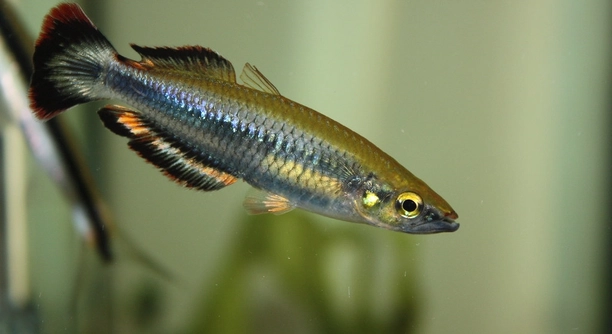
Do you enjoy keeping colorful fish in your home aquarium but wonder if some species can adapt to different water conditions? Rainbowfish are popular for their shimmering colors and active swimming, making them a favorite for many hobbyists.
Rainbowfish can tolerate slightly brackish water, but their long-term health is best supported in freshwater conditions. Sudden changes in salinity can stress these fish, affecting their immune system, growth, and overall well-being, so gradual acclimation is essential if brackish water is used.
Understanding the limits of their environment will help you maintain healthier, more vibrant rainbowfish in your tank and prevent unnecessary stress or health problems.
Understanding Brackish Water
Brackish water is a mix of freshwater and saltwater, often found in estuaries where rivers meet the sea. It has a salinity level between 0.5 and 30 parts per thousand, which is higher than freshwater but lower than seawater. Many fish species have a natural tolerance for brackish conditions, though this depends on their origin and adaptability. For rainbowfish, their natural habitats are usually freshwater streams and lakes in Australia, New Guinea, and surrounding islands. They can survive in slightly brackish water if acclimated slowly, but prolonged exposure to higher salinity can cause stress. Stress may weaken their immune system, making them more vulnerable to disease. Proper monitoring of salinity levels is crucial, as even small fluctuations can impact their health. Using a hydrometer or refractometer helps maintain consistent conditions. Tank mates also need consideration, since other species may have different salinity tolerances, and sudden changes in the water can affect the entire aquarium ecosystem.
Maintaining low brackish levels ensures rainbowfish remain healthy while still displaying vibrant colors and active behavior.
Careful observation of behavior and color changes can indicate stress levels, allowing timely adjustments before serious health issues arise.
Acclimating Rainbowfish to Brackish Water
Gradual acclimation is essential when introducing rainbowfish to brackish conditions. Sudden exposure to higher salinity can shock their system, leading to illness or death.
Start by mixing a small amount of saltwater into their freshwater tank over several days. Begin with a low concentration, around 1–2 grams of marine salt per liter of water. Observe the fish for signs of stress, such as rapid gill movement or loss of appetite, before increasing the salinity further. Continue this process slowly over one to two weeks until reaching the desired level. Avoid using table salt, as it lacks necessary minerals and may contain additives harmful to fish. Proper filtration and water changes are also important, since brackish water can accumulate waste differently than freshwater. Regular testing of pH, hardness, and salinity ensures stable conditions. Once acclimated, rainbowfish can tolerate mild brackish water for extended periods, but freshwater remains optimal for breeding and long-term health.
Following these steps will help rainbowfish adapt safely while minimizing stress and maintaining their natural activity.
Signs of Stress in Rainbowfish
Rainbowfish may show stress through changes in behavior, such as hiding, sluggish swimming, or loss of appetite. Their colors can fade, and fins may appear clamped. These signs indicate that water conditions are not ideal.
Stress often results from sudden changes in salinity or poor water quality. In brackish conditions, even minor shifts can affect rainbowfish. They may become more prone to diseases like fin rot or ich. Observing their swimming patterns and interactions helps detect early signs of discomfort. Adjusting water parameters gradually and maintaining cleanliness reduces stress, supporting their overall health.
Behavioral changes can also include unusual aggression or lethargy, which signals a need for immediate attention. Maintaining stable temperature, pH, and salinity levels allows rainbowfish to adapt better, keeping them vibrant and active. Regular monitoring ensures long-term well-being and prevents irreversible health issues from prolonged stress exposure.
Feeding Rainbowfish in Brackish Water
Rainbowfish continue to require a balanced diet regardless of water salinity. High-quality flakes, pellets, and live or frozen foods provide essential nutrients.
In brackish water, some foods may dissolve faster or affect water quality, so portion control is important. Feeding small amounts multiple times a day prevents leftover food from fouling the tank. Live foods like brine shrimp or daphnia are well-tolerated and can enhance color and activity. Vegetables such as blanched spinach or zucchini offer additional nutrients and fiber. A varied diet supports immune function, helping fish cope with mild salinity stress. Avoid overfeeding, which can increase ammonia levels and exacerbate stress.
Observation during feeding is crucial. Fish showing reduced appetite may indicate stress or improper acclimation. Adjusting diet, frequency, or food type can help maintain health while keeping water conditions stable. Combining proper nutrition with careful water management ensures rainbowfish remain lively and colorful in slightly brackish environments.
Water Parameters for Rainbowfish
Maintaining stable water parameters is essential for rainbowfish in brackish conditions. Monitor salinity, pH, and temperature regularly to prevent sudden fluctuations that can stress the fish and compromise their health.
Ideal pH ranges from 7.0 to 8.0, while temperature should stay between 24–28°C. Salinity must remain low and consistent, around 1–5 ppt, to avoid shock.
Tank Setup Considerations
Provide plenty of swimming space and hiding spots using plants, rocks, and driftwood. A well-planted tank reduces stress and mimics natural habitats. Decorations should not alter water chemistry significantly.
Breeding Rainbowfish in Brackish Water
Breeding in brackish water is challenging, as rainbowfish prefer freshwater for spawning. Salinity can reduce egg viability and fry survival. Maintaining freshwater conditions during breeding increases success and ensures healthy offspring.
Common Mistakes to Avoid
Overcrowding, sudden salinity changes, and poor water maintenance are frequent mistakes. These factors stress rainbowfish and can lead to disease or premature death.
FAQ
Can rainbowfish live permanently in brackish water?
Rainbowfish can tolerate slightly brackish water for short periods, but long-term survival is best in freshwater. Extended exposure to higher salinity can stress their immune system, reduce growth, and affect coloration. Freshwater conditions are ideal for breeding and maintaining overall health.
How should I acclimate rainbowfish to brackish water?
Acclimation should be gradual. Start by adding small amounts of salt to freshwater over several days, slowly increasing salinity. Monitor the fish for stress indicators, like clamped fins or reduced appetite. Never introduce sudden changes, as shock can lead to illness or death.
What salinity level is safe for rainbowfish?
A low salinity level of 1–5 ppt is generally safe. Anything higher may be harmful over time. Using a hydrometer or refractometer helps maintain consistency. Small daily checks prevent sudden changes and help keep the fish healthy.
Will rainbowfish lose color in brackish water?
Yes, stress from salinity changes can cause color fading. Healthy rainbowfish display brighter colors in freshwater. Proper acclimation and stable water parameters help reduce stress, keeping their vibrant hues more visible.
Can I breed rainbowfish in brackish water?
Breeding in brackish water is difficult. Eggs and fry are sensitive to salinity, so freshwater is strongly recommended for spawning. Maintaining optimal water conditions increases the chance of healthy, surviving offspring.
What foods are best for rainbowfish in brackish water?
High-quality flakes, pellets, and live or frozen foods work well. Brine shrimp, daphnia, and blanched vegetables provide essential nutrients. Feeding small portions multiple times a day prevents leftover food from fouling the tank.
How do I prevent stress in rainbowfish?
Maintain stable water conditions, avoid overcrowding, and provide hiding spaces. Observe behavior closely; fading colors, lethargy, or loss of appetite indicate stress. Quick adjustments to water quality and diet can reduce negative effects.
Can tank mates affect rainbowfish in brackish water?
Yes, other species may have different salinity tolerances. Choose compatible fish to prevent stress or aggression. Incompatible tank mates can also compete for food, adding further strain on rainbowfish.
How often should water be tested in a brackish setup?
Test water at least weekly for salinity, pH, and ammonia levels. Frequent monitoring ensures stability, preventing sudden changes that may harm rainbowfish. Consistent testing supports long-term health and prevents disease outbreaks.
Are there signs that rainbowfish are struggling with salinity?
Behavioral changes like hiding, sluggish swimming, and loss of appetite indicate stress. Physical signs include faded colors, clamped fins, and rapid gill movement. Addressing water conditions immediately can prevent serious health issues.
Can I switch rainbowfish back to freshwater after brackish exposure?
Yes, but it should be gradual. Slowly dilute the water with freshwater over several days to avoid shock. Proper acclimation helps rainbowfish recover their color and reduce stress-related health risks.
Do decorations affect brackish water stability?
Certain rocks or substrates can alter pH and hardness. Choose inert decorations to maintain stable water chemistry. Live plants can also help stabilize conditions and provide hiding spots, reducing stress.
Is overfeeding more dangerous in brackish water?
Yes, leftover food can quickly raise ammonia levels. Overfeeding increases waste and contributes to unstable water conditions, stressing rainbowfish. Feed small portions and remove uneaten food promptly to maintain water quality.
How long can rainbowfish tolerate slight brackish water?
Short-term exposure of days to a few weeks is generally safe if salinity is low and stable. Long-term tolerance varies by species, but freshwater remains the healthiest environment for sustained well-being.
Can salt treatments for disease harm rainbowfish in brackish water?
Salt treatments must be carefully monitored. Since brackish water already contains salt, additional treatments can increase salinity beyond safe levels. Measure carefully and adjust doses to avoid overdosing, which can harm the fish.
Do rainbowfish need different filtration in brackish tanks?
Filtration should handle both solid waste and dissolved substances effectively. Brackish water may accumulate waste faster, so a strong filter with regular maintenance is essential to maintain stable water quality and reduce stress.
Can stress from brackish water shorten rainbowfish lifespan?
Yes, prolonged stress weakens the immune system, making them more prone to disease. Even minor, repeated stressors like salinity fluctuations or poor water quality can shorten lifespan significantly. Stable freshwater conditions are ideal for longevity.
Are there rainbowfish species more tolerant of brackish water?
Some species, like certain Melanotaenia varieties, tolerate mild salinity better than others. Researching species-specific tolerance is important before attempting brackish setups. Even tolerant species perform best in freshwater long-term.
How do I know if my tank setup is appropriate?
Observe fish behavior, water parameters, and growth patterns. Healthy, active fish with bright colors and normal eating habits indicate suitable conditions. Regular testing and proper maintenance are key to a stable, safe environment.
Can frequent water changes help rainbowfish adapt?
Yes, regular partial water changes help maintain low waste levels and consistent salinity. Avoid large or sudden changes; gradual adjustments prevent shock and allow rainbowfish to thrive in slightly brackish conditions.
Final Thoughts
Rainbowfish are vibrant, active fish that bring life and color to any aquarium. Their adaptability allows them to tolerate slightly brackish water for short periods, but freshwater remains the most suitable environment for long-term health. Keeping them in water with stable parameters ensures they remain healthy, maintain bright colors, and display natural behaviors. Sudden changes in salinity or other water conditions can easily stress them, affecting their immune system and increasing the risk of disease. Observing their behavior, appetite, and coloration regularly is essential for identifying early signs of stress. Subtle changes, like clamped fins, sluggish movement, or fading colors, can indicate discomfort and the need for adjustment. Paying attention to these details helps prevent serious health issues and supports their overall well-being.
Acclimating rainbowfish to brackish conditions requires careful, gradual adjustments. Slowly introducing salt into their freshwater environment allows their bodies to adapt without shock. Rushing this process can cause stress, leading to weakened immunity and even death. Maintaining low, consistent salinity levels is important, along with regular monitoring of pH, temperature, and hardness. A well-planned filtration system and frequent partial water changes help stabilize the tank and keep conditions suitable. Providing hiding spaces with plants, rocks, and driftwood also reduces stress by creating a natural environment. Feeding them a balanced diet of high-quality flakes, pellets, and live or frozen foods supports their health, while portion control prevents water quality issues. Observing how they respond to changes in diet and environment ensures they continue to thrive in slightly brackish water, though freshwater is still preferable for long-term maintenance.
Breeding rainbowfish in brackish water is generally not recommended, as eggs and fry are sensitive to salinity. Maintaining freshwater conditions during spawning greatly increases the chances of healthy, surviving offspring. Even for adult rainbowfish, consistent care is essential. Overcrowding, overfeeding, and unstable water conditions are common problems that can harm their health. Choosing compatible tank mates with similar tolerances helps prevent unnecessary stress and aggression. Regular testing of water parameters and careful observation of behavior ensures the tank remains a safe and stable environment. By paying attention to these factors, rainbowfish can remain active, colorful, and healthy. While they can survive in mild brackish conditions temporarily, their long-term well-being is best supported by freshwater, stable environments, and consistent, attentive care.

Hello,
If you enjoy the content that we create, please consider saying a "Thank You!" by leaving a tip.
Every little bit helps us continue crafting quality advice that supports the health, happiness, and well-being of pets around the world, for pets of all shapes, sizes, and species.
We really appreciate the kindness and support that you show us!