
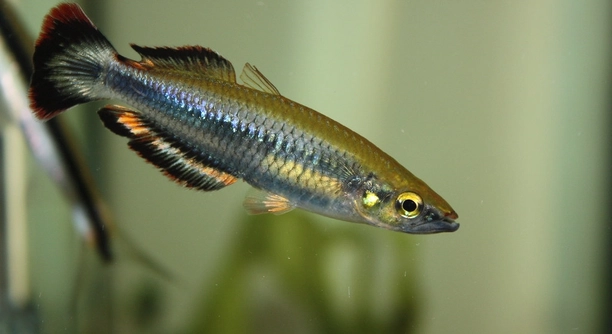
Rainbowfish are bright, active, and add life to any aquarium. Many fish owners enjoy watching them swim, but these small creatures can easily become stressed if their needs are overlooked or misunderstood in daily care.
Rainbowfish experience stress primarily due to mistakes in tank setup, water conditions, feeding practices, and social interactions. Improper care disrupts their natural environment, causing behavioral changes, weakened immunity, and sometimes serious health issues that require immediate attention.
Recognizing these mistakes early can help maintain a calm and healthy aquarium. A few simple adjustments make a big difference in keeping rainbowfish happy and vibrant.
Overcrowded Tanks
Keeping too many rainbowfish in one tank can quickly lead to stress. These fish need space to swim freely and establish their own territories. When the tank is overcrowded, water quality deteriorates faster, oxygen levels drop, and fish begin to compete for food. Aggression may increase, and shy rainbowfish can become withdrawn or hide constantly. A tank that seems lively might actually be causing tension among its inhabitants. Regularly checking the number of fish relative to tank size is essential. Each rainbowfish species has slightly different space needs, but a general rule is one inch of fish per gallon of water. Overcrowding can also make maintenance more difficult, as cleaning and monitoring water parameters become more challenging. By adjusting the number of fish, you can prevent unnecessary stress and create a more harmonious environment where rainbowfish feel secure and thrive naturally.
Overcrowding can cause illness and reduce the lifespan of rainbowfish. Giving them room improves health.
Providing adequate space and maintaining a proper number of rainbowfish in the tank ensures peaceful swimming, reduces stress behaviors, and keeps the aquatic environment balanced. It allows each fish to explore, interact, and feed without fear or competition. Monitoring tank size and fish population prevents long-term health issues. Regular maintenance, water testing, and observation help detect stress early. Overcrowded conditions may also hide disease outbreaks, making it harder to treat problems quickly. Proper spacing encourages natural behavior, enhances coloration, and promotes overall well-being. Adjusting fish numbers, considering their adult size, and providing plants or hiding spots gives rainbowfish security. A calm tank reduces cortisol levels in fish, preventing weakened immunity and growth problems. By focusing on tank capacity and fish comfort, owners can maintain a lively, thriving aquarium where rainbowfish remain active and display their true colors daily.
Poor Water Quality
Dirty or unbalanced water affects rainbowfish quickly. High ammonia, nitrite, or nitrate levels can make them lethargic and prone to disease. Proper filtration, frequent water changes, and monitoring temperature and pH are critical.
Neglecting water quality can lead to rapid stress and long-term health problems. A stable, clean environment keeps rainbowfish energetic and colorful.
Maintaining water quality means testing regularly and making adjustments when necessary. Rainbowfish are sensitive to sudden changes in temperature, pH, or hardness, so gradual improvements are best. Removing uneaten food, vacuuming debris, and changing 20-30% of the water weekly helps maintain a healthy balance. Using a reliable filter and avoiding overcrowding ensures oxygen levels remain stable. Live plants can assist by absorbing some nitrates, but they are not a replacement for consistent maintenance. Observing fish behavior can signal water issues early—gasping at the surface or clamped fins often indicate stress from poor water conditions. A clean, stable environment promotes natural swimming patterns, strong immune systems, and bright colors. Taking these steps protects rainbowfish from illness and keeps the aquarium visually appealing while supporting their overall health and comfort.
Inconsistent Feeding
Feeding rainbowfish irregularly can stress them. Skipping meals or overfeeding disrupts their digestion and energy levels. A consistent schedule with measured portions keeps them active and healthy.
Providing too much food at once can foul the water and encourage aggressive behavior among fish. Rainbowfish need a balanced diet of flakes, pellets, and occasional live or frozen foods. Feeding small amounts two to three times daily is ideal. Overfeeding leads to obesity, poor water quality, and can mask early signs of illness. Underfeeding slows growth, weakens the immune system, and makes fish more prone to disease. Monitoring feeding habits and adjusting portions based on tank population ensures each fish gets enough nutrition without creating additional stress in their environment. Consistency helps rainbowfish remain vibrant and energetic.
Proper feeding also strengthens natural colors and activity levels. Observing their reactions to meals helps identify stress or health issues.
Lack of Hiding Spots
Rainbowfish need areas to retreat and feel safe. A tank with few plants, rocks, or decorations leaves them exposed, increasing stress levels.
Adding hiding spots reduces fear and encourages natural behavior. Plants, driftwood, and rocks provide shelter and help create territories. Shy rainbowfish benefit most from secluded areas, allowing them to rest or escape more dominant fish. Hiding places also support breeding behavior by giving eggs and fry protection. Varying the types and heights of plants creates a dynamic environment that feels more natural. Too few hiding options can cause constant darting, clamped fins, and loss of appetite. Observing fish behavior helps determine if more shelters are needed. A well-decorated tank mimics their natural habitat, lowering stress and promoting overall health, activity, and confidence. Regularly rearranging decorations slightly can also keep the environment stimulating without causing sudden stress.
Sudden Changes
Rainbowfish react poorly to sudden changes in their environment. Rapid temperature shifts, new tankmates, or abrupt water changes can stress them quickly. Keeping transitions slow and gradual helps them adjust without fear or illness.
Even minor changes can trigger hiding, loss of appetite, or clamped fins. Observing their behavior during adjustments ensures they remain healthy.
Incompatible Tankmates
Placing rainbowfish with aggressive or overly active species causes constant stress. Peaceful fish with similar size and temperament are best companions. Stress from bullying affects health, color, and behavior. Choosing compatible tankmates keeps the community calm and allows rainbowfish to swim freely without fear or tension.
Poor Lighting
Excessive or inconsistent lighting can disturb rainbowfish. Bright lights without shaded areas or sudden changes in illumination may lead to stress. Gradual adjustments in lighting intensity and duration help maintain a natural day-night cycle. Consistent lighting supports feeding patterns, rest, and overall well-being, keeping rainbowfish comfortable and calm.
FAQ
How often should I feed rainbowfish?
Rainbowfish thrive on small, consistent meals. Feeding two to three times a day is ideal, using portions they can consume in a few minutes. Overfeeding can pollute the water, while underfeeding weakens their health. Including flakes, pellets, and occasional live or frozen foods keeps their diet balanced. Observing how quickly they eat helps adjust portion sizes.
What is the ideal tank size for rainbowfish?
A larger tank reduces stress and allows free swimming. A minimum of 20 gallons is recommended for small groups, but bigger tanks are better for multiple fish. Space helps maintain water quality, provides room for decorations and hiding spots, and reduces aggression among fish. Adequate water volume also stabilizes temperature and chemical levels.
How do I maintain proper water quality?
Testing water regularly for ammonia, nitrite, nitrate, pH, and hardness is essential. Weekly partial water changes of 20-30% help keep the water clean. Filtration should match tank size and fish population, and removing uneaten food or debris prevents harmful buildup. Gradual changes in water parameters reduce stress. Live plants can assist by absorbing some nitrates, but they do not replace regular maintenance. Observing fish behavior, like gasping at the surface or clamped fins, signals if water quality needs attention.
What decorations or hiding spots are best?
Rainbowfish feel secure with plants, driftwood, and rocks. Creating territories and shaded areas lowers stress and supports natural behavior. Varied plant types and heights help shy fish hide or rest. Rearranging decorations slightly over time keeps the tank stimulating without causing sudden stress. Hiding spots also protect eggs and fry during breeding.
Can I mix rainbowfish with other species?
Choosing peaceful, similarly sized fish is crucial. Aggressive or overly active species cause stress, hiding, and loss of appetite. Compatible tankmates maintain harmony and allow rainbowfish to swim freely. Observing fish interactions helps detect any tension early. Adjusting the tank population or species selection ensures a calm environment for all inhabitants.
How do I prevent stress from sudden changes?
Introduce new water, tankmates, or decorations slowly. Gradual temperature adjustments and staged introductions allow rainbowfish to adapt without fear. Sudden changes can trigger hiding, clamped fins, or refusal to eat. Monitoring behavior during transitions ensures the fish remain comfortable.
How much light do rainbowfish need?
Consistent lighting with a natural day-night cycle is essential. Avoid bright, constant light or sudden changes. Gradual adjustments in intensity and providing shaded areas help fish feel secure. Proper lighting supports feeding, resting, and overall well-being, maintaining calm behavior.
What are signs of stress in rainbowfish?
Stress may appear as hiding, clamped fins, loss of appetite, rapid breathing, or color fading. Observing these signs early allows prompt action to correct water quality, tankmates, feeding, or environmental conditions. Stress left unchecked can lead to illness or reduced lifespan.
Can I prevent stress entirely?
While it’s impossible to eliminate all stress, providing proper tank size, compatible tankmates, clean water, hiding spots, consistent feeding, and stable lighting significantly reduces risk. Regular observation and small adjustments maintain a calm, healthy environment for rainbowfish.
How often should I check on my fish?
Daily observation is important. Watching swimming patterns, feeding behavior, and coloration helps detect stress early. Combined with weekly water tests and routine maintenance, this keeps rainbowfish healthy and thriving in a stable environment.
Rainbowfish are beautiful and lively additions to any aquarium, but they are sensitive creatures that need careful attention. Stress can affect their health, behavior, and overall lifespan, so it is important to recognize the common mistakes that cause it. Overcrowded tanks, poor water quality, inconsistent feeding, lack of hiding spots, sudden changes, incompatible tankmates, and improper lighting all contribute to their stress levels. Addressing these factors helps rainbowfish feel secure and comfortable in their environment, which allows them to display their natural colors and energetic behavior. Simple actions, like checking water parameters, providing enough space, and maintaining a steady feeding schedule, can make a big difference.
Creating a suitable habitat for rainbowfish involves more than just filling a tank with water and decorations. Proper tank size and filtration are essential to keep water clean and stable. Plants, rocks, and driftwood provide hiding spots and territories, reducing tension among fish and supporting natural behavior. Observing fish regularly allows owners to notice early signs of stress, such as clamped fins, color fading, or hiding. Addressing these issues quickly prevents long-term health problems. Consistent lighting and careful introduction of new tankmates or changes in the tank help rainbowfish adapt without fear. Maintaining a predictable environment promotes calm behavior, good appetite, and strong immune systems, all of which are key to keeping them healthy.
Taking care of rainbowfish may require some planning and routine work, but the results are rewarding. When stress is minimized, rainbowfish swim actively, interact positively with their tankmates, and maintain vibrant colors. Paying attention to feeding, water quality, and environmental stability ensures that they thrive in their home. Even small improvements, such as adding a few plants or rearranging decorations gradually, can reduce stress and make a noticeable difference. By understanding their needs and creating a balanced, supportive environment, owners can enjoy watching rainbowfish flourish over time. A well-cared-for tank not only benefits the fish but also makes the aquarium a more enjoyable and relaxing experience.

Hello,
If you enjoy the content that we create, please consider saying a "Thank You!" by leaving a tip.
Every little bit helps us continue crafting quality advice that supports the health, happiness, and well-being of pets around the world, for pets of all shapes, sizes, and species.
We really appreciate the kindness and support that you show us!