
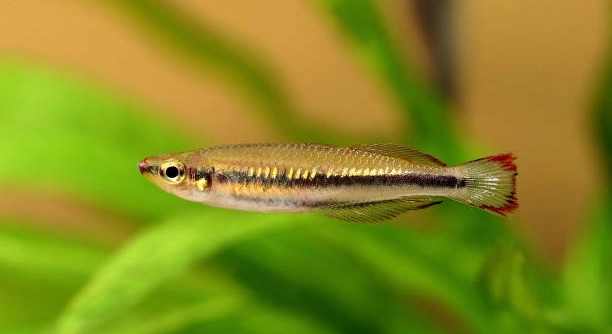
Many aquarium owners notice their rainbowfish react to certain noises within the home. Sounds can shape daily comfort, stress levels, and behavior. Understanding which noises may cause disturbance helps create a calmer tank environment overall.
Rainbowfish are sensitive to vibrations and sudden acoustic changes, which can trigger stress responses. Persistent loud sounds disrupt feeding, schooling, and coloration by elevating cortisol levels. Reducing noise exposure supports stable behavior, balance, and long-term health in captive aquatic systems.
Learning how everyday noises affect rainbowfish helps aquarists make small changes that greatly improve calmness, color, and overall wellbeing inside.
Household Noise From Daily Activities
Many common household sounds can quietly affect rainbowfish without being noticed at first. Televisions, speakers, and constant background noise create vibrations that travel through aquarium glass. I noticed my fish hiding more when volume stayed high for long periods. These sounds interrupt normal swimming patterns and reduce relaxed schooling behavior. Rainbowfish rely on stable surroundings, and repeated noise can lead to tension over time. Even steady music can become overwhelming when played close to the tank. Footsteps, closing doors, and moving furniture also send low vibrations into the water. Over time, this can limit feeding interest and color expression. Keeping the aquarium away from busy rooms helps maintain a steady environment. Simple adjustments like lowering volume or adding soft padding under the tank stand can reduce stress and support calmer daily behavior. These small changes often make a visible difference in confidence and activity within a few weeks at home.
Short bursts of noise may seem harmless, but repetition matters. I learned that consistency creates security for rainbowfish. Reducing daily sound exposure supports natural behavior and prevents ongoing stress patterns from forming over time. This approach benefits both new setups and long established aquariums equally well in quiet homes too.
Noise impact is often gradual, making it easy to overlook. Rainbowfish may appear fine while slowly adjusting their behavior to cope. I once assumed hiding was personality related, but sound played a role. Prolonged exposure can weaken immune response and lower breeding interest. Fish under stress spend more energy staying alert instead of thriving. This can shorten lifespan in home aquariums. Choosing calm spaces and planning room activity around the tank helps. Observing changes after noise reduction often shows clearer colors and smoother movement patterns. These improvements reinforce how sound management supports long term stability for sensitive species like rainbowfish.
Equipment and Outdoor Sound Exposure
Equipment noise is another factor often underestimated in aquariums. Filters, air pumps, and heaters can transmit constant vibration into water. I noticed changes after replacing an aging filter. Selecting quiet equipment reduces background disturbance and supports a calmer environment. Placement and regular maintenance also play an important role here daily.
Outdoor sounds can also reach indoor tanks, especially in apartments or homes near traffic. Sirens, construction, and lawn equipment create low frequency vibrations that pass through walls and floors. These sounds are not always loud to people, but fish feel them strongly. I observed increased darting during nearby road work. Constant exposure can disrupt sleep cycles and feeding routines. Positioning tanks away from windows and exterior walls helps limit this effect. Adding a solid stand base can further reduce vibration transfer. Even placing a soft mat beneath the aquarium can help. Monitoring fish behavior during noisy periods provides useful feedback. If stress signs appear, adjusting location may be necessary. Creating a stable sound environment supports long term health. Rainbowfish show better color, smoother movement, and consistent appetite when external noise is controlled. These changes confirm that sound management is as important as water quality and diet. A calm setting allows rainbowfish to display natural behavior with confidence. This balance reduces chronic stress and helps aquariums remain visually active, stable, and enjoyable for daily observation over time. Small sound adjustments often lead to noticeable improvements without costly changes or complex setup alterations within the home aquarium space for long term care.
Sudden Loud Sounds
Sudden loud sounds can cause immediate stress for rainbowfish. Dropped objects, slammed doors, or raised voices send sharp vibrations through water. I noticed quick darting and pale colors after these events. Repeated exposure increases anxiety and reduces confidence during feeding and social interaction within home aquariums over time especially indoors.
Rainbowfish rely on predictable surroundings to feel secure. Sudden noise breaks that stability and forces constant alertness. When startled often, fish burn energy responding instead of resting. I observed slower growth and less schooling during noisy weeks. Stress hormones remain elevated, which weakens immune response. Over time, this may lead to illness and shortened lifespan. Loud sounds also interrupt breeding signals and courtship behavior. Even brief events, when frequent, compound stress effects. Creating buffer zones around the tank helps reduce these reactions and supports healthier daily routines for captive rainbowfish living in busy households with shared living spaces nearby constantly.
Managing sudden noise starts with awareness. I began noting which activities caused visible reactions. Moving the tank away from entryways reduced startle responses. Soft closing door pads helped more than expected. Planning loud chores during light off periods also reduced stress. Children and visitors benefit from simple reminders near the aquarium. Consistent calm surroundings allow fish to anticipate daily rhythms. This predictability restores natural movement and color intensity. Small household adjustments protect sensitive species without limiting normal home activity or enjoyment while maintaining comfort for everyone sharing the space during everyday routines and family schedules that remain unchanged long term.
High Frequency Electronic Sounds
High frequency sounds from electronics affect rainbowfish more than expected. Phone alerts, computer speakers, and alarms emit sharp tones. These sounds travel easily through glass and water. I noticed increased hiding during frequent notifications. Continuous exposure interferes with calm swimming and rest periods. Fish become reactive, even when volume seems low to people over time and disrupt established daily behavior patterns inside small home aquarium setups used for decorative display purposes in living areas often.
Electronic noise is often overlooked because it blends into daily life. Devices placed near aquariums produce constant tones that never fully stop. I reduced stress by silencing alerts and moving speakers farther away. Even standby hums from chargers mattered. Rainbowfish respond to frequency shifts more than volume alone. Continuous high pitched sound keeps fish in alert mode. This limits rest and reduces feeding focus. Over weeks, behavior becomes cautious and withdrawn. Choosing quiet equipment and limiting nearby electronics helps. Simple habits like night mode settings and vibration alerts lower sound output. These changes support steadier routines and improve overall tank harmony without requiring expensive upgrades or major household rearrangement efforts that could disrupt existing aquarium placement plans already established in shared living spaces for owners.
Vacuum Cleaners and Cleaning Tools
Vacuum cleaners create strong vibrations that travel through floors and tank stands. When used near the aquarium, rainbowfish often scatter and hide. I noticed feeding pauses and tight schooling afterward. Repeated cleaning noise increases stress and reduces visible color brightness for many fish over time within enclosed home spaces indoors.
I now schedule vacuuming when tank lights are off and fish are resting. Placing a mat under the stand helped absorb vibration. These small steps reduced sudden movement and allowed rainbowfish to return to normal swimming patterns faster after cleaning sessions without prolonged stress responses developing later in shared homes.
Television and Speaker Bass
Low bass from televisions and speakers produces deep vibrations rainbowfish strongly detect. Even at moderate volume, bass travels through walls and aquarium glass. I observed restless swimming during movie nights. Prolonged exposure disrupts schooling balance and feeding focus. Fish remain alert instead of calm. Positioning tanks away from entertainment systems helps limit impact. Reducing bass settings made a visible difference in behavior. Over time, calmer sound levels supported better color display and steadier movement. These adjustments improved daily comfort without removing normal household entertainment or limiting shared living space enjoyment for aquarium owners seeking balance between fish care and home.
Tank Tapping and Nearby Movement
Tapping on the glass or sudden nearby movement sends shock through the tank. Rainbowfish react by darting or freezing. I avoid standing too close for long periods. Respecting personal space around the aquarium helps maintain trust and reduces unnecessary stress responses during daily observation routines at home setups overall stability.
FAQ
Can rainbowfish hear sounds the same way humans do?
Rainbowfish do not hear sound through ears like humans, but they are highly sensitive to vibrations and pressure changes in water. These vibrations are detected through their lateral line system and inner ear structures. Even sounds that feel mild to people can register strongly to fish. This sensitivity helps them detect predators and movement in nature, but in aquariums it can become a stress factor. Continuous vibration changes how safe their environment feels. Over time, this affects swimming patterns, feeding confidence, and color intensity. Understanding this difference helps explain why sound control matters for their wellbeing.
Why do my rainbowfish hide when there is noise in the room?
Hiding is a natural response to perceived danger. Loud or sudden sounds trigger a survival reaction, even if no physical threat exists. When this happens often, fish associate noise with risk. I noticed mine stayed near plants during busy evenings. This behavior conserves energy but limits natural activity. Persistent hiding can reduce feeding success and social interaction. Lowering noise helps restore trust in their surroundings. Once sound levels stabilize, rainbowfish usually return to open swimming and normal schooling behavior within days or weeks.
Are constant low sounds worse than sudden loud ones?
Both types affect rainbowfish, but in different ways. Sudden loud sounds cause immediate panic responses. Constant low sounds create ongoing stress. Continuous vibration keeps fish alert for long periods. I found constant noise caused slower changes that were easy to miss. Fish adapted by becoming less active and more cautious. This long-term stress can weaken immune response. Ideally, aquariums should avoid both extremes. Reducing background noise while preventing sudden disruptions creates the most stable environment for sensitive species like rainbowfish.
Can aquarium equipment noise harm rainbowfish?
Yes, equipment noise can contribute to stress if poorly maintained or positioned. Filters, air pumps, and heaters may vibrate constantly. I noticed improvement after replacing an older filter. Equipment placed directly against glass or hard surfaces transfers vibration more easily. Regular maintenance reduces rattling sounds. Using quality equipment designed for quiet operation helps. Even small changes like adding padding beneath devices can reduce vibration. Over time, quieter equipment supports calmer swimming, improved feeding behavior, and more consistent coloration.
Does tank placement affect sound exposure?
Tank placement plays a major role. Aquariums near televisions, doors, or kitchens receive more vibration. I moved my tank away from a hallway and saw fewer startle responses. Exterior walls can transmit outdoor noise as well. Placing the tank on a sturdy stand with a solid base helps absorb vibration. Avoid placing aquariums near speakers or subwoofers. Choosing a low traffic area supports long-term stability. Thoughtful placement reduces the need for constant adjustments later.
How can I tell if sound is stressing my rainbowfish?
Behavior changes are the clearest signs. Look for increased hiding, darting, pale coloration, or reduced appetite. I also noticed less schooling during noisy periods. Fish may hover near the bottom or corners more often. These signs do not always appear immediately. Gradual behavior shifts are common with ongoing noise exposure. Observing patterns over time helps identify sound related stress. Once noise is reduced, improvements often appear within a few weeks.
Is it possible to soundproof an aquarium area?
Complete soundproofing is difficult, but sound reduction is realistic. Adding mats under the stand absorbs vibration. Curtains and soft furnishings nearby help dampen noise. Closing doors during loud activities limits sound spread. I also lowered bass settings on electronics. These small steps reduced stress without major changes. Creating a calmer zone around the aquarium improves consistency. The goal is not silence, but predictable and gentle sound levels that fish can adapt to comfortably.
Do rainbowfish adjust to noise over time?
Rainbowfish can adjust slightly, but adaptation does not mean comfort. They may stop reacting visibly while still experiencing stress. I learned this when my fish seemed calm but showed duller colors. Chronic stress affects health even without obvious signs. Long-term exposure can shorten lifespan and reduce breeding interest. True comfort shows through active swimming, strong color, and steady feeding. Reducing noise supports real adaptation rather than forced tolerance.
Should I turn off equipment during loud household activities?
Turning off essential equipment is not recommended, as stable water conditions matter more. Instead, plan loud activities around quieter periods for the tank. I vacuum when lights are off and fish are resting. This reduced visible stress. Consistency matters more than temporary silence. Maintaining water quality while managing sound exposure creates the best balance for rainbowfish care.
Is sound management as important as water quality?
Sound management is often overlooked, but it supports overall health. Clean water and proper diet are essential, yet environmental stress can undo these efforts. I saw improvements only after addressing noise. Sound affects behavior, immunity, and energy use. A calm environment allows rainbowfish to fully benefit from good water conditions. Balanced care includes attention to both physical and sensory factors inside the aquarium.
Final Thoughts
Creating a calm sound environment for rainbowfish is an often overlooked part of aquarium care, yet it plays a meaningful role in their daily comfort. While water quality, diet, and tank size receive most attention, sound quietly shapes behavior in the background. Over time, repeated exposure to disruptive noise can change how fish swim, feed, and interact. I learned that even sounds I barely noticed were enough to influence their mood and movement. Rainbowfish thrive when their surroundings feel stable and predictable. A steady environment allows them to focus energy on growth, color development, and social behavior rather than constant alertness. Sound control does not require silence or major lifestyle changes. It comes from awareness and small adjustments that reduce unnecessary vibration around the tank. These efforts help rainbowfish feel secure in a setting that already differs greatly from their natural habitat.
Managing sound is less about perfection and more about consistency. Sudden changes and constant background vibration cause more stress than occasional noise. Over time, fish exposed to calmer conditions show clearer colors, smoother swimming patterns, and stronger feeding responses. I noticed these changes gradually, not overnight. This slow improvement made it easy to miss at first, but once established, the difference became clear. A calm tank feels balanced and active without appearing tense. Fish move with confidence rather than urgency. These signs reflect comfort rather than simple survival. When noise is reduced, rainbowfish behave in ways that align more closely with their natural instincts. This balance benefits both the fish and the owner by creating a more enjoyable aquarium to observe. Sound awareness becomes part of routine care, similar to checking filters or performing water changes.
Taking sound into account also encourages a more thoughtful approach to aquarium placement and daily habits. Choosing quieter equipment, positioning tanks away from high activity areas, and being mindful during household tasks all contribute to long term stability. None of these steps require advanced knowledge or costly tools. They rely on observation and willingness to adapt. I found that once sound became part of my care routine, it felt natural to maintain. Rainbowfish responded by appearing more relaxed and visually vibrant. These improvements reinforced the value of creating a gentle environment. Sound may not be visible, but its effects are. By managing it carefully, aquarists support not only the physical health of rainbowfish but also their sense of safety. This attention to detail turns a basic aquarium into a space where fish can truly thrive, rather than simply exist, within the boundaries of a home setting.

Hello,
If you enjoy the content that we create, please consider saying a "Thank You!" by leaving a tip.
Every little bit helps us continue crafting quality advice that supports the health, happiness, and well-being of pets around the world, for pets of all shapes, sizes, and species.
We really appreciate the kindness and support that you show us!