
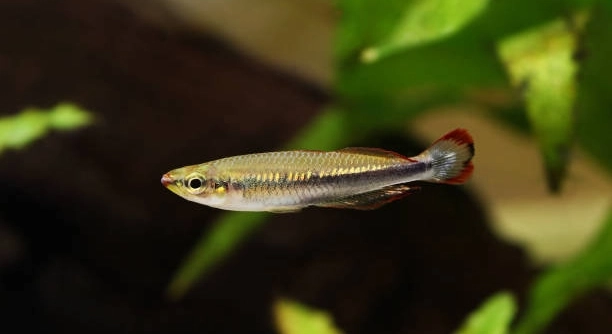
Rainbowfish are lively and vibrant, often moving gracefully through the water. Their behavior can be fascinating to watch, especially when they encounter something new or unusual in their environment. Observing them can be both relaxing and informative.
When rainbowfish are curious, they display distinct behaviors such as exploring new areas, cautiously approaching unfamiliar objects, adjusting their fins and posture, flicking their tails, inspecting other fish, and occasionally changing colors. These actions reflect their natural investigative instincts.
Learning how rainbowfish express curiosity can enhance your understanding of their needs and personality, making their care more engaging and rewarding.
Exploring New Corners
Rainbowfish often swim toward corners or areas of the tank they don’t usually visit. This behavior is a clear sign of curiosity. They move slowly at first, pausing frequently to examine surfaces, plants, and decorations. Sometimes they hover near objects, turning their bodies at different angles to get a better view. Their eyes follow even the smallest movement, showing a heightened awareness of their surroundings. This exploration is natural and helps them understand their environment. Observing these movements can provide insights into their preferences and comfort zones. Occasionally, they might retreat quickly if something startles them, then return to investigate again. These small, repeated explorations indicate active engagement with their habitat, reflecting both caution and interest. Watching them explore can be calming and educational.
This behavior also strengthens their spatial awareness and helps them navigate the tank more efficiently over time.
Encouraging exploration can be simple. Adding new decorations, plants, or rearranging familiar objects gives them stimuli to investigate. Over time, you may notice patterns in how they interact with these changes. Some rainbowfish prefer vertical surfaces while others linger near the bottom. Providing varied textures and hiding spots keeps them mentally active. Regularly introducing subtle changes maintains their curiosity and prevents boredom. Their reactions, from tentative nudges to full swims around new features, can teach you how attentive and intelligent they are. Observing these responses not only reveals their natural instincts but also allows you to adjust the environment for better enrichment and comfort.
Interacting with Objects
Rainbowfish often nudge or swim around new objects when introduced to the tank. This shows curiosity and interest in unfamiliar items.
They may circle decorations, plants, or toys, sometimes tapping them lightly with their mouths or fins. Over time, they learn which items are safe and which are less interesting. Repeated interactions demonstrate both memory and exploration instincts. Providing varied textures, shapes, and colors keeps them engaged. Watching these behaviors can also help you understand individual personalities, as some rainbowfish are bolder and investigate quickly, while others take a more cautious approach. Ensuring objects are safe and non-toxic allows them to explore without risk, creating a stimulating environment that supports natural behaviors and promotes overall wellbeing.
Observing Other Fish
Rainbowfish often pay close attention to their tank mates. They may follow, circle, or mirror movements, showing interest in social interactions and hierarchy.
This observation is more than simple curiosity. Rainbowfish assess other fish for safety, compatibility, and possible companionship. Following movements allows them to anticipate behaviors, avoid aggression, and learn social cues. They may approach calmly, keeping a respectful distance, or quickly dart around if unsure. Over time, these interactions help them establish pecking order and strengthen bonds. Individual personalities become evident, with some fish more inquisitive while others remain reserved. Watching these patterns reveals subtle social intelligence, showing how they adapt to changing dynamics within the group.
Monitoring these interactions can also inform tank management. Introducing new fish or rearranging space requires attention to how rainbowfish respond socially. Adjustments may be needed to reduce stress, encourage positive engagement, and maintain harmony. Their curiosity in social settings is both instinctive and practical, helping them thrive in a shared environment while providing insight into their natural behaviors.
Investigating Light and Movement
Rainbowfish often react to changes in light and movement in their tank, showing heightened alertness and curiosity. They may pause, shift position, or approach the area cautiously.
Light sources, reflections, or sudden shadows can catch their attention. Even slight movements outside the tank can provoke quick investigation. They adjust swimming speed and posture, sometimes flicking fins to signal readiness. These responses are natural survival behaviors, ensuring they remain aware of potential threats or opportunities. Changes in light intensity or direction often lead to repeated inspections, as they confirm safety before resuming normal activity. Over time, rainbowfish become familiar with predictable changes, distinguishing them from unusual events.
Engaging with lighting and movement provides mental stimulation. Small, safe variations in illumination encourage exploration and alertness, keeping them active and observant. Their reactions to these stimuli demonstrate keen perception and adaptability. Consistent observation helps understand individual differences, as some rainbowfish are more cautious while others respond immediately. Adjusting tank environment thoughtfully maintains curiosity without causing stress, supporting natural instincts and overall well-being in their habitat.
Scent and Taste Exploration
Rainbowfish often investigate new scents or tastes in the water. They may nibble gently on plants, decorations, or food particles to understand their environment.
This behavior is a natural way to gather information. By exploring scents and flavors, they learn what is safe to eat and what to avoid, enhancing their survival instincts.
Inspecting Tank Surfaces
Rainbowfish frequently swim close to glass or other surfaces, inspecting reflections, textures, and hidden corners. This behavior helps them recognize boundaries and detect changes in their environment.
Responding to Sound
Rainbowfish can react to vibrations and noises outside the tank. Quick movements or subtle changes in water flow often prompt them to investigate, showing heightened sensory awareness.
FAQ
What does it mean when my rainbowfish follows me along the tank?
When a rainbowfish follows movements outside the tank, it is showing curiosity and awareness of its surroundings. This behavior is not necessarily social attachment, but a way to investigate possible changes or stimuli in the environment. Fish are naturally observant, and following movement helps them assess safety.
Why does my rainbowfish nibble on decorations or plants?
Nipping or gently nibbling is part of their exploratory behavior. Rainbowfish use taste and touch to understand unfamiliar objects. It is their way of determining if something is edible or safe. Providing safe decorations ensures this natural curiosity does not lead to harm.
How do rainbowfish show curiosity through swimming patterns?
Curious rainbowfish often swim slower around new objects or areas, pausing frequently to inspect them. They may circle or dart back and forth, showing both interest and caution. These movements are instinctive, helping them understand their surroundings without taking unnecessary risks.
Do rainbowfish change color when curious?
Rainbowfish sometimes display subtle color changes when investigating new items or environments. This shift can signal alertness, excitement, or caution. It is a natural response tied to their instincts, helping them communicate internally or respond to perceived threats.
Why do my rainbowfish investigate reflections in the glass?
Reflections appear as another fish, so rainbowfish often approach or interact with them. This behavior combines curiosity and social assessment, as they explore what appears to be another individual in their territory.
Is it normal for rainbowfish to hover near new objects?
Yes, hovering is a common investigative behavior. They pause near items to gather information using sight, touch, and sometimes taste. Hovering allows them to assess the safety and relevance of changes in their environment before fully approaching.
How do rainbowfish react to sudden light or movement?
Rainbowfish become alert when light intensity shifts or when objects move quickly near the tank. They may swim closer, pause, or flick their fins to investigate. These reactions are natural survival behaviors, helping them differentiate ordinary changes from potential threats.
Can curiosity help rainbowfish stay healthy?
Yes, curiosity encourages physical activity and mental stimulation. Exploring objects, surfaces, and other fish prevents boredom and promotes natural behaviors. Providing a variety of safe items and regular subtle changes keeps them active and engaged.
Why does my rainbowfish follow other fish closely?
Following or mirroring other fish is a social and investigative behavior. They learn social cues, assess hierarchy, and check for potential dangers. This type of curiosity helps them integrate into the group while understanding the behaviors of tank mates.
What should I do to encourage safe curiosity?
Introduce new items gradually, rearrange decorations occasionally, and provide diverse textures and shapes. Ensure all objects are non-toxic and avoid sudden, extreme changes that could stress them. Observing responses allows you to adjust the environment to support their natural investigative behaviors.
Do rainbowfish show personality differences in curiosity?
Yes, some are bold and explore quickly, while others are cautious and slower. These differences reflect natural temperament and can influence how they interact with objects, tank mates, and environmental changes. Respecting individual differences helps maintain a balanced and harmonious tank.
How can I tell if curiosity is causing stress?
Signs of stress include hiding excessively, erratic swimming, loss of appetite, or color fading. Healthy curiosity involves careful, deliberate investigation without continuous fear or avoidance. Monitoring these behaviors ensures their curiosity remains safe and beneficial.
Why do rainbowfish sometimes return to an object multiple times?
Repeated inspection indicates active learning and assessment. Rainbowfish confirm safety, gather additional information, or satisfy interest in changes. This repetition is part of their natural investigative process and shows intelligence and adaptability.
Can curiosity be influenced by tank environment?
Yes, water quality, decoration variety, and space affect how rainbowfish explore. A well-maintained, enriched tank encourages investigation, while overcrowding, poor conditions, or lack of stimulation can reduce curiosity and activity. Adjusting these factors supports their natural instincts.
How often should I introduce changes to keep them curious?
Small, gradual changes every few weeks are sufficient. Frequent or drastic alterations can cause stress. Introducing subtle variations in plants, decorations, or object placement encourages safe, consistent curiosity without overwhelming the fish.
Are there differences in curiosity between male and female rainbowfish?
Males may be more visually active and approach new objects with more confidence, while females might be slower and cautious. These differences reflect natural roles and temperaments rather than intelligence or health issues. Observing both provides insight into group dynamics and individual behavior.
Does curiosity help rainbowfish avoid dangers?
Yes, investigating new items, light changes, or other fish allows rainbowfish to recognize potential threats. Their cautious exploration and sensory awareness are vital survival strategies that reduce risk in an unfamiliar environment.
How can I tell if my rainbowfish is engaged and content?
Engaged rainbowfish explore actively, inspect objects, follow tank mates appropriately, and react to changes without stress. Regular observation of these behaviors indicates a healthy balance of curiosity, comfort, and activity.
What are the signs of healthy curiosity in rainbowfish?
Balanced curiosity includes approaching new items carefully, investigating reflections, observing other fish, and responding to light or movement. They return to areas multiple times without signs of fear or aggression. This behavior reflects normal instincts and mental stimulation.
Can providing too many objects overwhelm rainbowfish?
Yes, excessive or densely packed objects may cause stress and limit exploration. A moderate number of items with varied textures, shapes, and positions supports curiosity while maintaining a safe and manageable environment.
Rainbowfish are fascinating creatures, and their curiosity is one of the most noticeable aspects of their behavior. Observing how they explore new objects, investigate other fish, and react to changes in their environment can be both engaging and informative. Their movements are deliberate, often combining caution with interest, which reflects natural instincts developed for survival. Whether they are circling decorations, hovering near plants, or following a movement outside the tank, these behaviors show their need to understand and interact with their surroundings. By paying attention to these small actions, it becomes easier to see each rainbowfish’s personality and individual preferences. Some may be bolder, swimming confidently to investigate, while others are slower and more cautious. Both approaches are normal and provide insight into their temperaments.
Providing a stimulating environment helps rainbowfish maintain their natural curiosity. Safe decorations, varied textures, and occasional rearrangements give them reasons to explore and remain active. Observing reflections, light changes, and vibrations outside the tank adds to their engagement, helping prevent boredom and encouraging healthy mental activity. Curiosity also serves a practical purpose, as it allows rainbowfish to learn about safety and interact with tank mates appropriately. These interactions strengthen social understanding and can help maintain a balanced tank environment. Gradual introductions of new items or subtle changes keep their interest alive without causing stress. Understanding these behaviors allows caretakers to create conditions that support both mental and physical well-being, leading to a more harmonious habitat for the fish.
Recognizing and supporting a rainbowfish’s curiosity can enhance the overall care experience. Watching their exploration, reactions to stimuli, and interactions with other fish provides valuable insight into their natural instincts and personality. Curiosity in rainbowfish is not just a playful trait; it is an important aspect of their daily life, helping them navigate their environment and interact with the world around them. Paying attention to these behaviors allows for better tank management, ensuring each fish feels secure while remaining engaged. By creating a safe, enriched environment and observing their unique tendencies, caretakers can foster a healthy and stimulating habitat. In turn, this leads to happier, more active rainbowfish, and provides a rewarding experience for anyone interested in understanding the subtle yet fascinating ways these fish explore, adapt, and respond to their surroundings.

Hello,
If you enjoy the content that we create, please consider saying a "Thank You!" by leaving a tip.
Every little bit helps us continue crafting quality advice that supports the health, happiness, and well-being of pets around the world, for pets of all shapes, sizes, and species.
We really appreciate the kindness and support that you show us!