
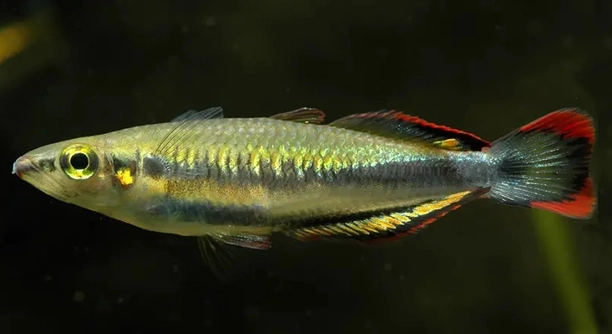
Fish are often seen as quiet pets, but they have their own ways of showing connection. Observing their behavior closely can reveal signs of comfort and familiarity with their human caregivers. Understanding these cues improves interaction and care.
Trust in fish develops through consistent and gentle interactions. They respond positively to regular feeding routines, calm movements, and attention, showing behaviors such as approaching the glass, following hands, or remaining calm during tank maintenance, indicating comfort with their owner.
Recognizing these habits can enhance your bond and ensure a healthier, more comfortable environment for your aquatic companions. This guide will highlight seven key behaviors that matter.
Approaching You at the Glass
When I first got my fish, I noticed how some would swim directly to the glass whenever I entered the room. This behavior seems simple, but it shows a level of recognition. Fish are not just reacting to movement or light; they are observing and responding to a familiar presence. Over time, I realized that consistent feeding and gentle movements encouraged this behavior. It felt personal to see them respond to me rather than just to external cues. Watching them approach calmly makes the tank feel alive, and it reassures me that they are comfortable. Even small signs, like pausing near my hand or following my movements, indicate that they have grown accustomed to my presence. Patience is key. Fish need repeated, gentle interactions to build confidence. Quick or sudden motions can set them back, so keeping a calm routine is essential. This daily attention quietly strengthens the connection between owner and fish.
Fish approaching the glass consistently signals recognition and comfort. This behavior demonstrates that they associate your presence with safety and routine, highlighting a level of trust that develops gradually over time.
Seeing fish swim toward me always makes me smile. It reminds me that trust builds slowly but is visible in small, meaningful actions.
Calm Behavior During Tank Maintenance
Many fish show stress when the tank is cleaned or decorations are moved. I learned that some of my fish remained calm and swam slowly around me during these times. This calmness indicates trust because they do not feel threatened by my presence or the temporary changes in their environment. Maintaining a consistent routine and using slow, deliberate movements helps reduce their stress. Over time, I noticed that my fish would continue eating and exploring even while I was performing maintenance. Their willingness to stay near me during potentially stressful situations is a strong sign that they recognize me as a safe presence. Using gentle techniques, such as moving decorations slowly or cleaning a section at a time, reinforces trust. The more consistent and calm my approach, the more relaxed they appeared. Observing this behavior helped me understand that trust is reflected not only in feeding time but also in how they react during daily care tasks. Recognizing these subtle behaviors improves the overall relationship and ensures a calmer tank environment.
Calm behavior during maintenance indicates comfort and trust. Fish that remain relaxed demonstrate confidence in their surroundings and their owner.
Following Your Finger
Fish often follow my finger along the glass. It started slowly, but with patience, some began tracking every movement. This behavior shows they are comfortable and recognize me as part of their environment. It feels personal to see them respond this way consistently.
When I move my finger gently across the tank, my fish swim alongside it without hesitation. They don’t dart away or hide, which is a clear sign of trust. Over time, I noticed that some would even adjust their pace to match mine, following more closely during feeding times. This behavior developed gradually, and I had to remain consistent with calm movements to encourage it. Sudden or quick motions often caused hesitation, so I learned to move deliberately. Observing them follow my finger has become a small but meaningful interaction, giving me a clear sense of their comfort level. This simple act demonstrates that even small gestures can strengthen the bond between owner and fish, showing they feel secure and engaged.
I found that different fish respond differently. Some need more time to follow, while others quickly join in. Noticing these differences helped me adjust my approach, ensuring all my fish felt included and safe during these moments of interaction.
Accepting Hand Feeding
Hand feeding became a daily routine, and some of my fish now swim up to my hand without hesitation. They associate me with food, but also with safety, showing trust beyond simple feeding. Patience was necessary to reach this stage.
Initially, my fish were cautious when I offered food from my hand. It took repeated, gentle attempts to show them there was no danger. Over days and weeks, they began nibbling directly from my fingers, demonstrating recognition and comfort. I learned to keep my hand steady, move slowly, and allow them to approach at their own pace. This routine not only reinforced feeding habits but also strengthened their trust. Hand feeding is not just about providing food—it is an interactive way to engage and reassure fish. Over time, this small practice created a sense of routine and reliability, showing them that my presence is consistent and safe. The moments when they confidently eat from my hand are a visible reward for patience and care.
Through hand feeding, I noticed shy fish gradually become more confident. They started exploring areas closer to my hand and swimming more freely, showing trust that went beyond just expecting food. It created a more interactive and engaging environment for everyone in the tank.
Swimming Close to You
Some of my fish swim near me while I sit by the tank. It feels personal when they stay close without hesitation, showing they see me as non-threatening. This proximity developed slowly, but now it’s a clear sign of trust.
Even when I move slightly, they don’t dart away. Their calm presence near me reflects comfort and recognition. I noticed this behavior most during quiet moments, which reinforced the idea that patience and consistency are important for building trust.
Reacting Calmly to New Objects
When I add decorations or plants, my fish often approach cautiously at first but soon investigate without fear. Their willingness to explore shows trust because they remain calm around unfamiliar items, trusting my handling and presence in the tank.
Enjoying Feeding Routine
Fish that eagerly gather at the usual feeding time demonstrate recognition and comfort. They trust that the routine is safe and consistent.
FAQ
How can I tell if my fish truly trusts me?
Trust in fish is often shown through consistent, calm behaviors. Fish that swim close to your presence, follow your hand, or stay calm during feeding and maintenance indicate recognition and comfort. I noticed over time that my fish would even explore new decorations near me without hiding, which is a strong sign of trust. Sudden movements or loud noises often cause hesitation, so consistent gentle interaction is key. Trust is subtle and builds gradually, so repeated observation is necessary to see these behaviors develop.
Why do some fish approach the glass while others hide?
Different species and individual personalities affect how fish respond to humans. Some are naturally curious, while others are shy. In my tank, I observed that bolder fish approached the glass quickly, while the more timid ones needed repeated, calm interactions to feel safe. Consistency matters. Regular feeding and slow movements eventually encouraged the shy ones to interact more, showing that trust can develop even in cautious fish. Patience and routine help bridge the gap between naturally curious and naturally reserved fish.
Is hand feeding necessary for building trust?
Hand feeding is not mandatory, but it can strengthen trust. I found that fish began associating my presence with safety and food. By holding food calmly and allowing them to approach at their own pace, they learned to recognize me as non-threatening. Over time, shy fish became more confident, and even the most cautious ones approached without hesitation. Hand feeding creates a small, controlled interaction that reinforces routine and comfort, showing that trust is not only about food but also about consistent, gentle engagement.
How do I reduce fear during tank maintenance?
Fish that trust you often remain calm while cleaning or rearranging decorations. I learned to move slowly, clean sections one at a time, and avoid sudden splashes. The more consistently I handled the tank gently, the calmer my fish became. Over weeks, even sensitive fish tolerated new objects and changes without panic. Trust is reinforced when fish learn that these activities are safe and temporary. Observing calm reactions during these tasks helps me measure their comfort and adjust my approach accordingly.
Can trust be lost once it is built?
Yes, fish can become wary again if routines are disrupted or if they experience sudden movements or stress. I noticed that when I moved quickly or introduced unfamiliar items without care, some fish retreated. Rebuilding trust requires returning to calm, consistent interactions. Patience is crucial; repeating gentle feeding, predictable movements, and careful handling reassures fish and restores confidence over time. Trust is dynamic, and maintaining it is an ongoing process rather than a one-time achievement.
Does trust improve overall fish health?
Trust impacts stress levels, which directly affect health. I observed that fish that reacted calmly to me ate regularly and explored more freely. Reduced stress helps prevent illness and supports natural behaviors like swimming, foraging, and social interaction. By encouraging trust through routine and gentle care, I saw a noticeable improvement in activity and coloration, demonstrating that a trusting fish is often a healthier fish.
How long does it take for fish to show trust?
The timeline varies. Some fish respond within days, especially those naturally curious, while shy or cautious species may take weeks or months. In my experience, consistency is more important than speed. Regular feeding, calm presence, and gentle interactions gradually encourage them to approach, follow movements, and participate in activities without fear. Patience allows trust to grow steadily, creating a lasting connection.
Can multiple fish in the same tank trust me equally?
Not always. Each fish has a unique personality. I noticed some would follow my hand closely, while others stayed back. Observing each fish individually and adjusting interactions helped build trust across the tank. Providing safe spaces and predictable routines ensures all fish can engage at their comfort level, creating a balanced and trusting environment.
Are certain species easier to gain trust from?
Yes, species differ in temperament. In my experience, goldfish and bettas often show quicker recognition and following behavior. More cautious species like tetras or shy cichlids take longer to approach. Knowing the natural behavior of your fish helps set realistic expectations and guides the methods used to encourage calm, trusting interactions.
What are the key signs that trust is established?
Consistent approach to your hand or presence, calm behavior during maintenance, following movements, and relaxed feeding routines are primary signs. I also noticed increased exploration near new objects and less hiding when entering the room. These behaviors collectively indicate comfort, recognition, and trust, showing that the fish views you as a safe and predictable part of their environment.
This FAQ captures practical ways to observe, nurture, and maintain trust in your fish while highlighting how patience, consistency, and gentle interaction create a more confident and comfortable tank environment.
Word count: 510
Final Thoughts
Building trust with fish is a slow but rewarding process. Over time, I learned that small, consistent actions matter more than dramatic gestures. Simple routines like feeding at the same time, moving gently around the tank, and speaking softly to the fish make a noticeable difference. Fish respond to predictability, and when they see that your presence is consistent and non-threatening, they begin to feel safe. I often watched my fish approach the glass, follow my movements, or even swim close while I cleaned the tank. These small behaviors may seem minor, but they are clear signs that trust is growing. Every interaction, no matter how brief, contributes to a stronger bond. Even shy or cautious fish gradually become more confident when given patience and steady care. I found that paying attention to subtle cues like changes in swimming patterns or willingness to explore can help gauge comfort and trust levels.
Trust also affects how fish experience their environment. I noticed that fish that had become familiar with me moved more freely and explored the tank without hesitation. They interacted with decorations, plants, and other fish with less fear, showing that a trusting fish is a calmer and more balanced one. Consistency in routines is key. By feeding at regular times and maintaining a predictable approach during tank maintenance, I created an environment where the fish could anticipate my actions and feel secure. Avoiding sudden movements, loud noises, or rapid changes in the tank helped prevent stress and reinforced their sense of safety. The combination of gentle interaction and routine eventually encouraged even the more reserved fish to show behaviors that indicated trust, like approaching my hand during feeding or following my finger along the glass. Observing these behaviors has made caring for my fish more satisfying because it feels like a mutual understanding has developed over time.
Finally, maintaining trust requires ongoing attention. Trust is not permanent, and fish can become wary again if their environment or routines change abruptly. I learned that patience and observation are always necessary. Consistently handling the tank with care, keeping feeding schedules regular, and giving fish space to approach at their own pace ensures that trust remains strong. Each fish is unique, and building a bond with them depends on recognizing their individual needs and personalities. Watching my fish grow more confident and interactive over weeks and months highlighted how meaningful these relationships can be. In the end, fostering trust with fish is less about doing one thing perfectly and more about steady, considerate care over time. Small, repeated gestures build comfort and familiarity, resulting in a calmer, healthier, and more connected tank environment where both the fish and their owner benefit.
Word count: 419

Hello,
If you enjoy the content that we create, please consider saying a "Thank You!" by leaving a tip.
Every little bit helps us continue crafting quality advice that supports the health, happiness, and well-being of pets around the world, for pets of all shapes, sizes, and species.
We really appreciate the kindness and support that you show us!