
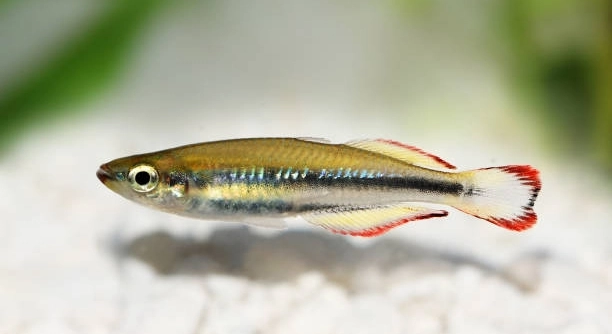
Rainbowfish are small, colorful freshwater fish that many aquarists find appealing for home tanks. They are active swimmers and enjoy well-planted aquariums with ample space to explore and interact. Their vibrant appearance makes them popular among fish enthusiasts.
Rainbowfish can be kept in pairs, but it is generally recommended to house them in small groups of at least four to six individuals. This social structure reduces stress, encourages natural behaviors, and supports their overall health and well-being.
Keeping rainbowfish in the right social environment ensures they remain active, healthy, and display their natural colors more vividly. Proper care enhances their life in any aquarium setup.
Understanding Rainbowfish Behavior
Rainbowfish are naturally social and thrive in environments where they can interact with other fish. When kept in pairs, they may display less of their vibrant colors and shy behaviors, which can indicate stress or discomfort. Observing their swimming patterns and activity levels helps gauge their well-being. Proper lighting, water conditions, and a spacious tank can significantly improve their behavior. They enjoy swimming in the mid to upper levels of the tank, and providing plants or decorations allows them to feel secure. A varied diet rich in nutrients supports their energy levels and coloration. Maintaining stable water parameters is crucial, as sudden changes can lead to stress or illness. By carefully monitoring their interactions, you can determine if a pair is compatible or if more companions are needed. Consistent observation ensures they remain healthy, active, and display natural behaviors.
Keeping rainbowfish in pairs requires careful attention to their environment and social cues to ensure comfort.
A balanced tank setup includes proper filtration, regular water changes, and hiding spots. Observing their daily behavior helps prevent aggression and stress, making the aquarium a safe place.
Pairing Considerations for Rainbowfish
It is important to assess compatibility before pairing two rainbowfish together.
When selecting pairs, consider size, age, and temperament. Introducing two fish into a new tank should be done gradually to minimize stress. Some rainbowfish may establish a hierarchy, and observing their interactions is essential. Providing visual barriers or plants allows retreat areas and reduces conflicts. Feeding in separate areas can prevent competition over food. Regular monitoring helps detect signs of aggression or illness early, ensuring the pair remains healthy. Pairs may also benefit from occasional interaction with small groups to encourage natural behaviors. Adjusting tank conditions to suit both fish supports their growth and overall well-being. Keeping detailed notes on behavior and feeding patterns helps maintain a stable environment. Creating a supportive habitat increases the likelihood that the pair will thrive together over time, showcasing their vibrant colors and active personalities consistently.
Tank Setup for Rainbowfish Pairs
A spacious tank is essential when keeping rainbowfish in pairs. Proper filtration, regular water changes, and stable temperatures help maintain a healthy environment. Plants and decorations provide hiding spots and reduce stress while encouraging natural swimming behaviors and activity.
Ensuring water parameters remain stable is critical for rainbowfish health. Temperature should generally be between 74-78°F, with pH levels around 6.5-7.5. A reliable filtration system helps remove waste and prevents ammonia buildup, supporting their overall well-being. Including live plants and driftwood creates a more natural environment that encourages exploration and reduces aggressive tendencies. Lighting should be consistent to help maintain their coloration and support plant growth. Monitoring water regularly allows early detection of potential issues, keeping the tank safe and stable for both fish.
Substrate choice also influences tank health and behavior. Sand or fine gravel prevents injury while providing a natural look. Plants and ornaments give shelter and break lines of sight, reducing tension. Adequate swimming space allows rainbowfish to exhibit natural schooling behaviors, even in pairs. Combining proper water care, tank setup, and environmental enrichment creates a balanced habitat that supports their health and vibrant appearance.
Feeding Rainbowfish in Pairs
Rainbowfish benefit from a varied diet that includes high-quality flakes, pellets, and occasional live or frozen foods. Feeding multiple small portions helps reduce competition.
Providing a balanced diet ensures rainbowfish receive essential nutrients to maintain energy, coloration, and growth. Flakes or pellets should contain high protein content, while live foods like brine shrimp or daphnia encourage natural hunting behaviors. Rotating food types prevents dietary deficiencies and keeps feeding time engaging. Observing feeding behavior helps identify if one fish is dominating meals, allowing adjustments in portioning or placement. Supplements, such as spirulina or vegetable matter, can enhance coloration and support digestion. Avoid overfeeding to prevent water quality issues, which can lead to stress or disease in the pair. Consistent feeding schedules also help maintain a routine, reducing anxiety.
It is important to distribute food evenly across the tank to ensure both rainbowfish access it. Using feeding rings or scattering food in different areas can minimize conflict. Monitoring their eating habits allows adjustments to diet, quantity, and frequency. Incorporating live or frozen treats periodically stimulates natural behaviors and provides mental enrichment. Avoiding sudden diet changes prevents digestive issues, while supplementing with vegetables or spirulina enhances health. Feeding rainbowfish carefully supports long-term vitality, bright coloration, and harmonious interactions between the pair. Maintaining water quality alongside proper feeding practices ensures the tank environment remains safe and stable.
Common Health Concerns
Rainbowfish can be prone to stress-related illnesses if tank conditions are unstable. Poor water quality, overcrowding, or sudden changes in temperature can weaken their immune system and make them more susceptible to disease.
Regular monitoring of water parameters and observing behavior helps prevent common health issues. Early detection of lethargy, loss of appetite, or color fading allows timely intervention, keeping both fish healthy.
Breeding Rainbowfish in Pairs
Breeding rainbowfish in pairs can be challenging because they are naturally schooling fish. A pair may reproduce, but they perform better in small groups where social interactions encourage spawning behaviors. Providing plants or spawning mops increases egg survival. Careful attention to water conditions and diet promotes successful breeding, ensuring eggs develop properly.
Compatible Tank Mates
Choosing compatible tank mates is essential to maintain a peaceful environment. Avoid aggressive or overly large fish that could stress or harm rainbowfish pairs.
Can rainbowfish live happily in pairs?
Yes, rainbowfish can live in pairs, but they are naturally schooling fish and feel more secure in small groups of four to six. A pair may display normal behavior, but they might be less active and show subdued coloration compared to a group. Proper tank setup and monitoring are essential to ensure comfort.
What is the ideal tank size for two rainbowfish?
For a pair of rainbowfish, a tank of at least 20 gallons is recommended. This provides enough swimming space and helps maintain water quality. Adequate space reduces stress and encourages natural behaviors, while decorations and plants offer hiding spots and create a more secure environment for both fish.
How should I introduce a pair to a new tank?
Introduce rainbowfish slowly to a new tank to reduce stress. Float the bag in the aquarium for 15–20 minutes to match water temperature. Gradually mix small amounts of tank water into the bag before releasing the fish. This allows them to adjust to the new environment without shock and helps prevent illness.
What should I feed rainbowfish pairs?
Rainbowfish thrive on a varied diet of high-quality flakes, pellets, and occasional live or frozen foods like brine shrimp or daphnia. Multiple small feedings help ensure both fish get enough nutrition. Rotating food types prevents deficiencies and supports vibrant coloration. Vegetables or spirulina can be added occasionally to promote overall health.
How can I prevent aggression between two rainbowfish?
Aggression is less common in pairs but can occur if the fish feel stressed or crowded. Providing enough space, hiding spots, and visual barriers reduces conflict. Observing interactions allows you to spot signs of bullying early. If one fish is consistently dominant, adjusting feeding methods or adding additional companions may help.
How often should I change the water for a rainbowfish pair?
Weekly water changes of 20–30% are recommended to maintain stable water quality. Regular changes remove waste, prevent ammonia buildup, and reduce the risk of disease. Testing water parameters regularly ensures proper pH, hardness, and temperature, keeping the environment safe and comfortable for the pair.
Can rainbowfish breed in pairs?
Rainbowfish can breed in pairs, but they are more likely to spawn successfully in small groups. Providing plants or spawning mops encourages egg-laying and protects the eggs. Maintaining high water quality and offering a nutritious diet improves survival rates of fry and supports healthy reproduction.
Are there signs my rainbowfish pair is stressed?
Signs of stress include faded coloration, lethargy, loss of appetite, or hiding excessively. Poor water quality, lack of hiding spots, or sudden environmental changes are common causes. Addressing these factors promptly helps restore their health and ensures they remain active and vibrant.
Can rainbowfish pairs live with other fish?
Yes, they can coexist with peaceful tank mates of similar size. Avoid aggressive or large fish that may intimidate or harm the pair. Compatible companions can enhance activity levels and provide social interaction without causing stress or competition for resources.
How do I maintain vibrant colors in a pair of rainbowfish?
Consistent diet, good water quality, and proper lighting are key to vibrant colors. High-protein flakes, live foods, and occasional vegetables support pigmentation. A stable environment with minimal stress allows both fish to display their natural hues fully and remain visually striking in the tank.
Can two rainbowfish survive long-term without others?
Two rainbowfish can survive long-term, but they may be less active and display subdued colors. Adding more individuals often encourages natural schooling behavior, which increases activity, reduces stress, and enhances their appearance, but careful observation ensures harmony in any group size.
What tank conditions are most important for a pair?
Stable water temperature between 74–78°F, pH of 6.5–7.5, and regular filtration are crucial. Live plants, decorations, and open swimming space reduce stress. Monitoring water parameters and observing behavior ensures both fish remain healthy, active, and display their full natural colors consistently.
How can I tell if my pair is compatible?
Compatible rainbowfish swim together without frequent chasing or nipping. They share feeding areas and explore the tank without excessive hiding. Observing their daily behavior helps determine if the pair is comfortable and whether additional companions may be needed to improve social interactions.
Is special care required during breeding?
Yes, breeding requires close attention to water quality, diet, and spawning areas. Eggs are often scattered and need protection. Maintaining a calm environment with stable conditions and providing nutritious foods improves egg survival and encourages natural reproductive behaviors in the pair.
How do I prevent disease in a rainbowfish pair?
Regular water changes, proper filtration, balanced diet, and observation for unusual behavior are key. Quarantining new fish before introduction prevents introducing pathogens. Maintaining a clean, stable environment reduces stress, keeping the pair healthy and minimizing the risk of common freshwater fish illnesses.
Rainbowfish are beautiful, active fish that can bring life to any home aquarium. Keeping them in pairs is possible, but it requires careful attention to their environment and behavior. These fish are naturally social, so even a pair may feel more secure when additional companions are present. Observing their swimming patterns, activity levels, and interactions can help you determine if the pair is thriving or if changes are needed. Providing a tank with enough space, stable water conditions, and proper filtration ensures that both fish remain healthy and comfortable. The right setup encourages natural behaviors and helps maintain vibrant colors, which are an important part of their appeal. Even small adjustments, such as adding plants, driftwood, or visual barriers, can make a noticeable difference in how the fish interact and how relaxed they appear. Consistent monitoring is key to preventing stress and supporting their overall well-being.
Diet and feeding routines also play a significant role in the health and happiness of rainbowfish pairs. They benefit from a varied diet that includes high-quality flakes or pellets, supplemented with live or frozen foods like brine shrimp or daphnia. Multiple small feedings help prevent one fish from dominating meals and ensure both individuals receive proper nutrition. Rotating food types helps prevent deficiencies while supporting growth and coloration. Occasional supplementation with vegetables or spirulina can enhance digestive health and vibrant hues. Overfeeding should be avoided, as it can lead to water quality issues and stress. A regular feeding schedule and careful observation of their eating habits help maintain a balanced environment, reducing the risk of illness or aggressive behavior. Maintaining clean water through regular changes further supports the success of a feeding routine and promotes a harmonious aquarium for both rainbowfish.
Pairing rainbowfish successfully requires attention to tank mates, compatibility, and overall care. While two rainbowfish can survive together, they often display their best colors and natural behaviors in small groups. Careful introduction of fish, monitoring interactions, and providing hiding spots reduces stress and aggression. Maintaining proper tank conditions, including temperature, pH, and filtration, is crucial for long-term health. Breeding may be more successful in small groups, and offering spawning areas or plants helps protect eggs. Preventing disease involves maintaining clean water, observing behavior, and ensuring a nutritious diet. By following these practices, a rainbowfish pair can thrive, offering both visual appeal and active behaviors that make them a rewarding addition to any home aquarium. Consistent care, observation, and adjustments to the environment create a stable and healthy habitat where rainbowfish can flourish for years.

Hello,
If you enjoy the content that we create, please consider saying a "Thank You!" by leaving a tip.
Every little bit helps us continue crafting quality advice that supports the health, happiness, and well-being of pets around the world, for pets of all shapes, sizes, and species.
We really appreciate the kindness and support that you show us!