
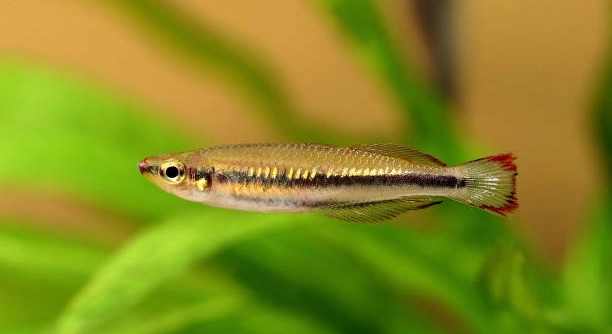
Rainbowfish are lively, colorful additions to any aquarium, and their behavior can reveal a lot about their health. Observing them closely helps owners ensure they remain active, comfortable, and thriving in their environment.
Signs of trouble in rainbowfish include lethargy, loss of appetite, erratic swimming, or frequent hiding. Such behaviors often indicate stress, poor water quality, illness, or aggression from tank mates, all of which require prompt attention to maintain their well-being.
Recognizing early warning signs allows you to take action quickly and keep your rainbowfish healthy and happy in their home.
Common Signs of Stress in Rainbowfish
Rainbowfish often show stress through subtle changes in their daily routines. A fish that normally swims energetically may linger near the bottom or hide more than usual. Loss of appetite is another clear indicator, as well as faded coloration. Fin clamping, where the fins are held close to the body, can also signal discomfort. Overcrowding, sudden changes in water temperature, or poor water quality frequently cause these behaviors. Some rainbowfish may display rapid gill movement, indicating difficulty breathing or irritation from water conditions. Aggression from tank mates can also trigger stress responses, leading to hiding or erratic swimming. Regular observation and careful note-taking help detect these changes early. Adjusting tank conditions gradually, providing hiding spaces, and maintaining a consistent feeding schedule can reduce stress and support healthy behavior. A calm, stable environment is key to keeping rainbowfish active, colorful, and resilient in the long term.
Stress in rainbowfish can often be minimized with proper water management and tank setup. Consistency is crucial.
Monitoring water parameters, avoiding sudden environmental changes, and ensuring compatible tank mates create a stable setting that reduces stress. Observing behavior daily allows for timely adjustments, promoting overall health and preventing prolonged distress.
Illness Indicators and Immediate Actions
Lethargy, rapid breathing, or unusual spots on the body can indicate illness in rainbowfish. Early recognition is essential to prevent serious health problems.
When signs of sickness appear, isolate the affected fish to prevent spreading disease. Check water conditions for ammonia, nitrites, and pH levels, as poor water quality can exacerbate symptoms. Feeding small, high-quality meals and observing any changes in behavior or appearance helps track recovery. If necessary, consult a veterinarian experienced with tropical fish for appropriate treatment. Quarantine new fish before introducing them to the main tank to reduce infection risk. Maintaining a regular cleaning schedule and avoiding overcrowding can prevent many common illnesses. Proper nutrition, combined with a stable environment, strengthens the rainbowfish’s immune system and overall resilience. Quick, attentive care ensures that health issues are addressed before they become severe, keeping the aquarium thriving and the fish active and colorful.
Environmental Triggers
Poor water quality, sudden temperature changes, or insufficient hiding spaces can trigger stress in rainbowfish. Overcrowded tanks also contribute, making it harder for fish to establish territories. Maintaining stable, clean conditions is essential to prevent behavioral problems and keep the fish healthy and active.
Ensuring optimal water conditions involves regular testing for pH, ammonia, nitrite, and nitrate levels. Temperature should remain consistent, avoiding sudden fluctuations. Providing plants, rocks, or decorations gives rainbowfish places to retreat and feel secure. Overcrowding can lead to competition for space and resources, which increases stress and aggression. Regular water changes and careful observation help detect early signs of discomfort. A well-maintained environment encourages natural behaviors, healthy growth, and vivid coloration, keeping rainbowfish content in their aquarium.
Adjusting feeding routines can also reduce stress. Providing small, frequent meals of varied food prevents competition and supports digestion. Observing their response to changes ensures a balanced environment that supports long-term well-being.
Social Behavior Concerns
Rainbowfish may exhibit aggression, excessive hiding, or unusual chasing due to social stress. These behaviors often signal imbalance within the group or tank setup. Careful monitoring and proper group management are critical.
Social harmony requires attention to tank size, number of fish, and species compatibility. Mismatched groups can lead to dominance struggles or bullying, affecting feeding and overall health. Observing interactions and separating aggressive individuals when necessary helps maintain peace. Proper distribution of hiding spaces and visual barriers can minimize conflict. Regularly assessing the group dynamic ensures that all rainbowfish have access to food and safe areas, reducing stress-related behaviors and improving their overall quality of life. Maintaining social balance is essential for a calm, thriving aquarium.
Feeding and Nutrition Issues
Rainbowfish may refuse food, eat less, or show picky eating habits when stressed or unwell. Monitoring their feeding patterns helps identify problems early. Adjusting diet variety can encourage proper nutrition and maintain their energy levels.
Overfeeding can also cause health issues, including poor water quality and digestive problems. Offering balanced portions of flakes, pellets, and occasional live or frozen foods supports growth and vitality. Observing how quickly they eat and whether all fish are getting enough food ensures no one is left out. Small, consistent meals prevent overfeeding and reduce waste, promoting a healthier tank environment.
Water Quality Maintenance
Regular water changes and testing are essential to keep rainbowfish healthy. Clean, stable water reduces stress and prevents disease outbreaks.
Maintaining the correct pH, ammonia, nitrite, and nitrate levels requires consistent monitoring. Filters should be cleaned and replaced as needed. Temperature stability is crucial, avoiding sudden shifts that may shock the fish. Aeration and water movement support oxygenation, keeping fish active and comfortable. Avoid adding too many chemicals at once, as sudden changes can cause stress or harm. Observing water clarity and odor provides additional indicators of tank health. Proper maintenance ensures a safe, supportive environment that allows rainbowfish to thrive.
Recognizing Lethargy
Lethargy in rainbowfish can signal illness or environmental stress. Monitoring activity levels is important to catch problems early.
FAQ
How can I tell if my rainbowfish is stressed?
Signs of stress in rainbowfish include hiding more than usual, loss of appetite, faded colors, fin clamping, and erratic swimming. Rapid gill movement or staying at the bottom of the tank can also indicate discomfort. Observing these behaviors consistently helps you act quickly.
What causes rainbowfish to become stressed?
Stress often comes from poor water quality, sudden temperature changes, overcrowding, or aggressive tank mates. Lack of hiding spots or environmental enrichment can also make them uneasy. Ensuring stable water conditions, proper tank size, and a calm social environment reduces the likelihood of stress.
Why is my rainbowfish hiding constantly?
Frequent hiding usually indicates fear, discomfort, or illness. Aggressive tank mates or insufficient shelter can make rainbowfish seek refuge. Adding plants, rocks, or decorations provides security. Monitoring water quality and interactions between fish helps identify and fix the problem.
What should I do if my rainbowfish refuses to eat?
Loss of appetite can be caused by stress, poor water conditions, or illness. Offer a variety of foods in small portions, including flakes, pellets, and occasional live or frozen options. Ensure that all fish can access food without competition and maintain stable water conditions.
How do I recognize illness in rainbowfish?
Common signs of illness include lethargy, abnormal swimming, rapid breathing, spots, discoloration, frayed fins, or bloating. Early detection allows for isolation and treatment. Checking water quality and maintaining hygiene in the tank supports recovery and prevents disease from spreading.
When should I isolate a sick rainbowfish?
Isolation is necessary if a fish shows clear signs of illness, such as visible wounds, severe lethargy, or abnormal behavior. Using a separate quarantine tank prevents the spread of disease and allows targeted treatment without affecting healthy fish.
Can poor water quality make rainbowfish sick?
Yes, high ammonia, nitrite, or nitrate levels, fluctuating pH, and sudden temperature changes can stress rainbowfish and weaken their immune system. Regular testing, partial water changes, and proper filtration help maintain optimal conditions. Clean water supports health and reduces the risk of disease.
How often should I change the water in a rainbowfish tank?
Performing partial water changes weekly, usually around 20-30%, keeps the tank clean and balanced. More frequent changes may be needed in heavily stocked tanks. Consistent water maintenance prevents buildup of harmful chemicals and supports fish health and vitality.
Can social interactions affect rainbowfish behavior?
Yes, rainbowfish are social but can become stressed if tank mates are aggressive or if the tank is overcrowded. Proper group size, compatible species, and adequate hiding spaces minimize conflicts. Observing interactions daily helps maintain harmony and prevents stress-related issues.
What foods are best for rainbowfish?
A balanced diet includes high-quality flakes or pellets supplemented with live or frozen foods like brine shrimp, daphnia, or bloodworms. Providing variety ensures they receive essential nutrients, maintains color vibrancy, and supports growth and energy levels. Small, frequent feedings are ideal.
How can I improve my rainbowfish’s environment?
Adding plants, rocks, and other hiding spots reduces stress and encourages natural behavior. Maintain stable temperature, proper filtration, and consistent lighting. Avoid sudden changes and overcrowding. A well-structured environment helps rainbowfish feel secure, active, and healthy.
When should I consult a veterinarian for my rainbowfish?
Seek professional advice if illness persists, symptoms worsen, or multiple fish show unusual behavior. A veterinarian experienced with tropical fish can recommend treatment options, medication, or tank adjustments to ensure recovery. Early intervention increases chances of successful treatment and long-term health.
How do I prevent future health problems?
Consistent water maintenance, a balanced diet, proper tank size, compatible social groups, and monitoring behavior regularly prevent many issues. Quarantining new fish and minimizing stressors keep rainbowfish active, colorful, and less prone to illness. A proactive approach ensures long-term well-being and reduces emergencies.
What are common mistakes that cause trouble for rainbowfish?
Overcrowding, poor water quality, aggressive tank mates, sudden temperature changes, overfeeding, and neglecting regular observation are frequent causes of problems. Avoiding these mistakes through careful planning and daily care helps rainbowfish thrive and reduces stress or disease.
Can changes in water temperature affect behavior?
Yes, rainbowfish are sensitive to sudden shifts in temperature. Rapid changes can cause stress, lethargy, or abnormal swimming. Maintaining a stable temperature suitable for the species supports metabolism, immune function, and overall activity. Consistency is key for a healthy tank environment.
How do I handle aggressive tank mates?
Separate aggressive fish or adjust tank layout with barriers and hiding spots. Ensuring adequate space and monitoring interactions daily helps prevent bullying. Choosing compatible species from the start minimizes conflicts and maintains social harmony among rainbowfish.
What is the best way to monitor rainbowfish health?
Daily observation of swimming patterns, color vibrancy, feeding behavior, and interactions helps detect issues early. Keep a log of changes, water parameters, and feeding routines. Quick action based on these observations prevents minor problems from becoming serious.
Can stress affect rainbowfish coloration?
Yes, stressed rainbowfish often display faded or dull colors. Maintaining stable water quality, proper diet, sufficient space, and compatible tank mates helps preserve bright, healthy coloration. Environmental enrichment and consistent care reduce stress-related color loss.
How can I help a recovering rainbowfish?
Provide a calm environment, maintain optimal water quality, and offer high-quality food. Monitor behavior closely and avoid sudden changes. Isolation in a quarantine tank may be necessary to prevent disease spread and support healing. Gentle care ensures a smooth recovery and restores normal behavior.
Are certain species more sensitive than others?
Some rainbowfish species are more delicate and require stable conditions, specific water parameters, and careful social management. Research species-specific needs before adding them to a tank to prevent stress, illness, and behavioral issues, ensuring a healthy and thriving aquarium.
What long-term practices keep rainbowfish healthy?
Regular water changes, monitoring behavior, maintaining proper diet, providing hiding spots, avoiding overcrowding, and ensuring compatible tank mates are essential. Staying proactive with tank maintenance and observing fish daily prevents stress, illness, and social problems, supporting vibrant, active rainbowfish over time.
Final Thoughts
Rainbowfish are lively and beautiful fish, but their behavior can often reveal more than just their activity level. Paying close attention to changes in swimming patterns, appetite, or coloration is essential to maintaining their health. Stress, illness, or poor environmental conditions can all affect how rainbowfish behave, and catching these signs early makes a significant difference. Subtle behaviors like hiding, fin clamping, or lethargy are often the first indicators that something is wrong. Regular observation allows you to notice these small changes before they develop into bigger problems. A consistent routine of monitoring water quality, temperature, and interactions between fish helps ensure that the aquarium remains a safe and supportive environment. Creating a stable, balanced habitat reduces stress and promotes natural behaviors, allowing rainbowfish to thrive and display their full range of colors and energy.
Maintaining optimal water conditions is one of the most important responsibilities of a rainbowfish owner. Testing pH, ammonia, nitrites, and nitrates regularly provides insight into the health of the tank and can prevent many common issues. Water temperature should remain consistent, and gradual changes should be made if necessary. Overcrowding should be avoided to reduce competition and social stress, while hiding spaces and decorations give fish areas to feel secure. Nutrition is equally important. Providing a varied diet that includes flakes, pellets, and occasional live or frozen foods ensures proper growth, energy, and coloration. Feeding smaller, more frequent meals helps reduce waste and prevents overfeeding, which can negatively impact water quality. By combining proper diet with careful attention to the environment, rainbowfish can remain active, healthy, and resilient over time.
Social behavior and group dynamics also play a critical role in the well-being of rainbowfish. Aggression, bullying, or dominance disputes can lead to stress and illness, so it is important to monitor interactions carefully. Choosing compatible tank mates and maintaining an appropriate group size helps reduce conflict. If problems arise, separating aggressive fish or adjusting tank layout with visual barriers and hiding spots can restore harmony. Observing fish daily ensures that any changes in behavior are addressed promptly, whether it is due to illness, environmental stress, or social conflict. Overall, the key to keeping rainbowfish healthy is a combination of careful observation, consistent maintenance, and a well-structured habitat. By paying attention to these factors, owners can create a stable, safe, and supportive environment that allows rainbowfish to flourish and display their natural beauty and behavior.

Hello,
If you enjoy the content that we create, please consider saying a "Thank You!" by leaving a tip.
Every little bit helps us continue crafting quality advice that supports the health, happiness, and well-being of pets around the world, for pets of all shapes, sizes, and species.
We really appreciate the kindness and support that you show us!