
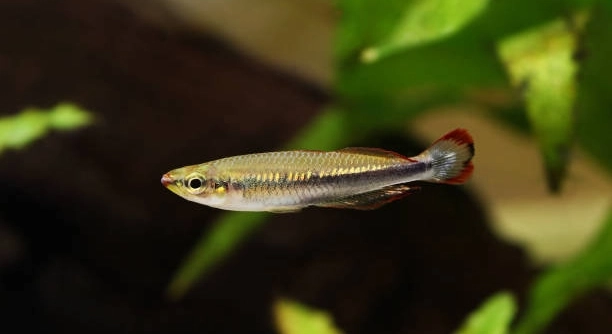
Have you ever watched your rainbowfish gliding around the tank and wondered if their lively movements mean something more gentle and caring beneath the surface of their bright colors and calm aquatic routines each day.
Rainbowfish display subtle social behaviors that resemble affectionate tendencies through synchronized schooling, calm interactions, and steady recognition of familiar companions. These consistent patterns indicate comfort, reduced stress, and social stability, forming a mild bond often perceived as gentle affection overall.
Their interactions reveal simple patterns that help you understand how these lively fish express comfort and connection within their habitat.
Understanding Rainbowfish Social Behavior
Rainbowfish are known for their calm nature and steady interaction patterns, which makes it easier to notice how they relate to one another in a shared tank. Their behavior often appears simple at first glance, yet it reflects meaningful responses to their surroundings and tank companions. When rainbowfish feel secure, they move in smooth, consistent patterns that show they are comfortable. They follow familiar fish, adjust their pace gently, and maintain balanced spacing as they swim. These calm patterns reveal that they recognize the presence of others and respond with ease instead of stress. Observing these details helps you understand how they communicate without direct contact. Their behavior is shaped by the tank layout, lighting, and routine stability, all of which influence how relaxed they feel. When these conditions remain steady, rainbowfish show clearer interactions that resemble subtle forms of bonding. Their responses become predictable, steady, and easy to read.
These interaction patterns are shaped by simple needs that help rainbowfish maintain comfort in their environment. Stable routines, calm surroundings, and familiar companions support their behavior. When these factors align, their movements remain steady and controlled, reflecting a relaxed state that encourages smooth interaction among the group each day together.
Recognizing these behavioral patterns helps you understand how rainbowfish express mild forms of connection within their habitat. Their synchronized swimming shows trust and comfort, especially when supported by a stable environment. Balanced lighting, gentle filtration, and consistent feeding routines allow them to maintain a calm rhythm throughout the day. These predictable conditions help rainbowfish focus on group movement rather than stress behaviors. When they feel secure, they interact smoothly, maintain spacing, and follow familiar companions without hesitation. These subtle patterns reflect their comfort and highlight the importance of providing an environment that supports steady behavior in the entire tank environment.
Signs of Comfort and Interaction
Rainbowfish rely on steady surroundings to maintain calm patterns that shape their interaction style. When their tank conditions remain consistent, their movements appear smoother and more predictable. These steady behaviors reflect comfort and help you understand how they respond to familiar companions in a shared space each day with ease.
Understanding these interaction patterns makes it easier to support healthy behavior in rainbowfish. Their responses depend on surroundings that encourage calm activity, which is shaped by lighting, spacing, tank layout, and water stability. When these elements remain steady, rainbowfish feel secure enough to maintain consistent swimming patterns that reflect comfort. Their movements become smoother, and they organize themselves naturally within the group. This structure helps reduce stress and supports steady interaction among tank companions. It also encourages predictable behavior that is easy to observe and understand. A well-maintained tank layout supports these patterns by offering open swimming areas, gentle currents, and simple visual boundaries. Clean water allows them to behave naturally without reacting to sudden changes. Temperature consistency prevents stress responses and supports lasting comfort. These factors build a stable habitat that encourages their natural rhythm. When the environment remains balanced, rainbowfish display clearer behavior that resembles subtle connection, reflecting their preference for simple, steady interaction. These steady conditions help them maintain balanced movement patterns while supporting gentle social behavior that reflects comfort, stability, and calm interaction throughout their daily activity in the aquatic space.
How Environment Influences Their Behavior
Stable surroundings help rainbowfish maintain gentle patterns that reflect comfort and familiarity in the tank. When lighting, temperature, and layout remain consistent, their movements appear smoother and more controlled, supporting steady interaction among companions without sudden changes that increase stress or disrupt their natural rhythm.
A balanced habitat encourages clear behavior patterns that are easy to recognize. Rainbowfish rely on open swimming areas, simple visual structure, and gentle filtration to stay relaxed. When these conditions remain unchanged, they glide calmly as a group, maintain steady spacing, and interact through predictable movement. Clean water supports this stability by preventing irritation that may interrupt their normal patterns. Temperature consistency reduces agitation and helps them remain comfortable throughout the day. When each factor works together, rainbowfish respond with smooth, organized activity that shows they feel safe. Their behavior becomes easier to read, and their subtle social habits appear more natural.
When provided with a calm and steady environment, rainbowfish show stronger signs of comfort through synchronized swimming and gentle pacing. These patterns reflect their ability to adjust to familiar companions and surroundings. They maintain relaxed movement, avoid sudden changes in direction, and organize themselves naturally within the group. Spacious layouts support this behavior by giving them room to swim without obstacles that break their flow. Gentle water movement allows them to glide with ease, encouraging smooth interaction that appears peaceful and controlled. Consistent maintenance further reinforces this stability, helping them feel secure enough to behave naturally.
Understanding Subtle Affection Signs
Rainbowfish express mild forms of connection through calm swimming patterns, steady proximity, and gentle pacing that follow familiar companions. These small behaviors appear when they feel safe within the tank and respond to steady surroundings that allow them to interact without stress or agitation during their daily activities together.
Their subtle affection signs become clearer when the environment remains predictable and calm. Rainbowfish often show recognition by keeping a comfortable distance from familiar companions, following group movement with smooth transitions, and avoiding unnecessary agitation. These behaviors indicate awareness and comfort. When water quality remains stable, their movements stay relaxed and controlled, reinforcing their natural interaction style. Balanced lighting and spacious swimming areas further support these gentle behaviors by reducing tension and allowing them to swim without disruption. Over time, these patterns form a steady routine that reflects mild bonding among the group. Their interactions feel more organized, showing that they respond positively to familiar companions and surroundings when their habitat supports stability.
How Group Dynamics Shape Their Responses
Rainbowfish depend on group structure to maintain calm, steady behavior. When surrounded by familiar companions, they respond with smoother movements, balanced pacing, and predictable interaction that reflects comfort. These simple patterns appear when the group feels secure and supported by a stable, consistent habitat.
Their behavior becomes clearer when the group remains stable. Familiar fish encourage gentle swimming, steady spacing, and coordinated activity that supports natural interaction. These responses form when the environment promotes calm conditions, allowing rainbowfish to move confidently within the group without agitation or sudden changes that disrupt their routine.
Recognizing Stress Signals
Rainbowfish show stress through rapid swimming, sudden changes in direction, hiding, or loss of coordination. These signs appear when their surroundings become unstable or unfamiliar. Poor water conditions, aggressive tank mates, or abrupt changes in lighting can cause discomfort. Identifying these early helps maintain consistent comfort and steady group behavior.
The Importance of Stability
Consistent surroundings support smooth movement and calm interaction in rainbowfish. Stable lighting, clean water, and steady temperature make it easier for them to maintain relaxed behavior within the group, encouraging predictable patterns that reflect their natural response to familiar companions in the tank.
FAQ
Do rainbowfish show affection toward their tank companions?
Rainbowfish display subtle signs of comfort and recognition rather than direct affection like mammals. They follow familiar companions, swim in synchronized patterns, and maintain gentle spacing. These behaviors suggest comfort and trust, showing they recognize familiar fish and respond to their presence without agitation.
How can I tell if my rainbowfish are comfortable?
Comfortable rainbowfish swim smoothly, maintain balanced spacing, and interact calmly with other fish. They do not hide excessively, dart suddenly, or bump into tank objects. Steady patterns of movement and gentle following of familiar companions are strong indicators that your fish feel secure in their environment.
Do rainbowfish form bonds with each other?
Yes, they show mild social connections through group dynamics. They often swim together in organized patterns and maintain consistent spacing, which indicates familiarity and comfort. These behaviors are not the same as affection in mammals but do reflect a subtle recognition and preference for certain companions.
Can rainbowfish recognize their owner?
Rainbowfish may respond to consistent movements or feeding patterns from a familiar person. They often approach the front of the tank when the owner appears or when food is expected. While this is not affection in a human sense, it demonstrates recognition and learned behavior.
What environmental factors help rainbowfish feel secure?
Stable water conditions, consistent lighting, gentle filtration, and spacious tank layouts are crucial. Changes in temperature, water quality, or tank setup can stress them, interrupting normal swimming patterns. Providing steady conditions encourages predictable behavior and supports their mild social tendencies.
How do rainbowfish behave when stressed?
Stress is indicated by erratic swimming, hiding, or abrupt changes in direction. They may avoid other fish, isolate themselves, or appear restless. Common stressors include aggressive tank mates, sudden environmental changes, or poor water quality. Recognizing these signs helps you address problems quickly.
Is it normal for rainbowfish to chase each other?
Chasing can be part of natural schooling and mild competition but should remain brief and calm. Continuous chasing, aggressive nipping, or cornering indicates stress or overcrowding. Monitoring group behavior helps maintain a balanced and safe tank environment.
How many rainbowfish should I keep together?
A minimum of six is recommended for social stability. Smaller groups may lead to stress or excessive territorial behavior. A larger group encourages synchronized swimming, reduces aggression, and supports natural social patterns, which makes their subtle interaction more visible.
Do rainbowfish show different behavior depending on species?
Yes, some species are more active or territorial than others. Behavior differences affect schooling, interaction, and recognition patterns. Observing how each species moves and interacts helps you understand their subtle signs of comfort and mild social connection.
Can rainbowfish show affection toward other species?
Rainbowfish generally prefer the company of their own kind. They may swim near other species if the environment is calm, but their subtle interaction and recognition patterns are most apparent among familiar rainbowfish companions. Mixed-species tanks can affect group dynamics and stress levels.
How long does it take for rainbowfish to feel comfortable?
Comfort levels develop over several days to weeks, depending on tank conditions and the introduction process. Gradual acclimation, stable environment, and minimal disturbances allow them to adjust. Observing synchronized swimming and steady interaction patterns indicates they have settled into their habitat.
Can I encourage social behavior in rainbowfish?
Providing ample swimming space, consistent routines, and a stable tank layout supports natural interaction. Avoid sudden changes or aggressive tank mates. Gentle observation and maintaining predictable conditions help them display subtle recognition patterns and maintain steady, calm social behavior.
Are rainbowfish affectionate during feeding?
Feeding time often reveals recognition behavior. They may gather near familiar companions or the person feeding them. This is less about affection and more about learned behavior and comfort. Predictable routines reinforce these interactions and strengthen their calm, steady behavior.
Do rainbowfish react differently at night?
Rainbowfish reduce activity and may stay near sheltered areas during nighttime. While less active, they continue to maintain group structure and spacing, reflecting comfort. Observing these patterns can help ensure their environment remains stable and stress-free even when they are resting.
Can environmental enrichment impact their behavior?
Yes, providing plants, hiding spots, and gentle water flow encourages natural movement and interaction. Enrichment supports calm, steady behavior, reduces stress, and allows rainbowfish to display subtle recognition patterns without disrupting group dynamics.
Do rainbowfish communicate with each other?
Communication is mainly non-verbal through movement, spacing, and synchronized swimming. These behaviors indicate awareness, comfort, and recognition rather than affection. Observing these subtle signals helps you understand their social structure and responses within the tank.
How do I know if my rainbowfish prefer certain companions?
They may follow certain fish more closely, maintain proximity, or swim in tighter synchronization with specific companions. This preference is subtle but shows comfort and recognition rather than true affection, reflecting mild social bonds within the group.
Are rainbowfish affectionate to plants or decorations?
No, they do not show affection to inanimate objects. However, plants and decorations provide security and influence their movement patterns, contributing to overall comfort and calm group behavior.
Can handling rainbowfish affect their social behavior?
Handling is generally stressful and can disrupt calm swimming and group patterns. Minimal contact, gentle observation, and a stable environment help maintain their subtle recognition behaviors and overall comfort.
Do rainbowfish remember past interactions?
They exhibit recognition patterns with familiar companions, suggesting short-term memory for social interactions. This allows them to respond calmly to known fish, supporting steady schooling behavior and mild social recognition over time.
Final Thoughts
Rainbowfish are fascinating creatures that display subtle ways of connecting with their companions. Their calm swimming, synchronized movements, and gentle pacing show that they recognize and respond to familiar fish in the tank. While their behaviors are not affection in the way mammals or birds show, they do reflect comfort and mild social bonding. These fish rely heavily on their environment and group stability to maintain these steady patterns, and observing them can give you a better understanding of their natural tendencies. Over time, watching a group of rainbowfish interact provides a clear picture of how these small, colorful fish communicate and express recognition in their own way.
A stable environment is essential for rainbowfish to display natural behavior. Consistent water conditions, proper temperature, gentle filtration, and predictable lighting all contribute to a sense of security. When these factors remain steady, rainbowfish show calmer movements and more organized group behavior. They follow familiar companions, maintain balanced spacing, and interact with ease. Stressors, such as sudden changes in the tank setup or aggressive tank mates, can disrupt this pattern, leading to erratic swimming or hiding. Maintaining a calm and predictable habitat allows rainbowfish to exhibit their subtle signs of comfort and recognition without interruption. Simple measures like spacing decorations appropriately, providing open swimming areas, and keeping water quality high play a significant role in supporting their natural interaction patterns.
Understanding rainbowfish behavior helps you provide a better habitat and recognize their subtle social tendencies. They may not show affection in a way humans expect, but their gentle patterns and interactions reflect comfort and trust in their environment. Observing their group behavior, following patterns, and calm responses to familiar companions can be rewarding and informative. By supporting stable conditions and observing these small behaviors, you create an environment where rainbowfish feel secure and confident. These fish offer an opportunity to appreciate the quiet, steady forms of social interaction in aquatic life, and recognizing their behavior encourages mindful care and thoughtful attention to their needs. Watching them thrive in a balanced, supportive environment shows how subtle, consistent comfort and recognition can appear even in small, colorful fish.

Hello,
If you enjoy the content that we create, please consider saying a "Thank You!" by leaving a tip.
Every little bit helps us continue crafting quality advice that supports the health, happiness, and well-being of pets around the world, for pets of all shapes, sizes, and species.
We really appreciate the kindness and support that you show us!