
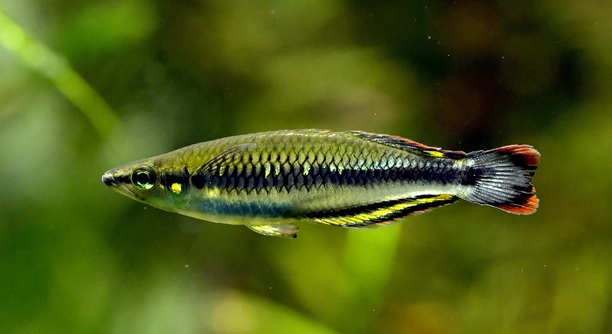
Rainbowfish are small, colorful freshwater fish that many people enjoy keeping at home. They are known for their bright scales and active behavior, making them a lively addition to aquariums or water gardens. Their charm often draws attention.
Rainbowfish can be kept in outdoor ponds, provided that water temperatures are stable and predators are managed. Proper filtration, aeration, and occasional feeding are essential to maintain their health and vibrant colors in an outdoor environment.
Learning about the right pond conditions and care routines can help ensure your rainbowfish thrive outdoors safely and comfortably.
Ideal Outdoor Pond Conditions for Rainbowfish
Rainbowfish thrive best in ponds that mimic their natural habitat. They prefer slightly warm water with temperatures ranging from 22°C to 28°C. The pond should have a good balance of sunlight and shade, as direct sunlight alone can overheat the water, stressing the fish. Adding floating plants or aquatic grasses helps provide shelter and a sense of security. Water quality is crucial, so using a reliable filter system to remove debris and toxins keeps the environment healthy. Oxygenation is equally important, which can be achieved with a small fountain, waterfall, or air pump. Regularly checking the water for ammonia, nitrites, and nitrates ensures the pond remains safe. A gentle current will encourage natural swimming behavior, keeping the fish active. Gravel or smooth rocks on the pond bottom offer hiding spots, reducing stress. Seasonal adjustments, like partial shading in summer and partial coverage in winter, help maintain stable conditions year-round.
Stable temperatures and proper filtration are essential for rainbowfish to stay healthy outdoors.
Pond maintenance is key for rainbowfish longevity. Regular water changes, careful feeding, and monitoring of plant growth help sustain a balanced ecosystem. Overcrowding should be avoided, as it can lead to poor water quality and stressed fish. Introducing a few compatible species can enhance activity without causing competition. Watching the fish daily helps identify health issues early. With consistent care, rainbowfish can live several years in an outdoor pond, showing off their vibrant colors. Regular inspection of pumps and filters prevents sudden malfunctions, while seasonal checks ensure the pond remains safe during temperature extremes.
Feeding and Nutrition Tips
Rainbowfish require a varied diet to maintain their colors and energy.
High-quality flake or pellet food works well, but supplementing with live or frozen foods like brine shrimp, daphnia, or bloodworms enhances nutrition. Small amounts should be offered two to three times a day. Overfeeding can pollute the pond, so only provide what they can consume in a few minutes. Vegetables like blanched spinach or zucchini can also be added occasionally. Feeding routines help establish healthy habits and reduce competition among fish. Observing their eating patterns ensures all individuals get adequate nutrition without excess waste.
In addition to a balanced diet, pond owners must consider seasonal changes in feeding. During colder months, rainbowfish metabolism slows, so feeding frequency and portion size should be reduced. Summer requires more active feeding, as fish are more energetic. Feeding in multiple spots prevents dominant fish from taking all the food. Removing uneaten food helps maintain water quality. Pairing proper nutrition with clean, well-oxygenated water promotes growth, vibrant coloration, and disease resistance. Over time, watching rainbowfish eat can be rewarding, as their lively behavior reflects their overall well-being. A structured feeding plan simplifies care and ensures a healthy pond environment, creating a stable habitat for rainbowfish to flourish naturally.
Protecting Rainbowfish from Predators
Netting or mesh covers can help prevent birds and other animals from accessing the pond. Adding dense plants or hiding spots allows rainbowfish to escape danger easily. Avoid leaving food scraps nearby, as they can attract unwanted wildlife that may threaten the fish.
Ponds are vulnerable to predators like herons, raccoons, and cats. Installing overhead netting or strategically placing pond ornaments can reduce attacks. Floating plants and submerged hiding areas give fish refuge when predators are near. Motion-activated sprinklers or lights may deter larger animals without disturbing the pond ecosystem. Observing predator patterns helps in planning protective measures effectively. A combination of physical barriers and natural cover ensures rainbowfish feel secure while remaining active and healthy in an outdoor pond.
Maintaining a balanced pond also reduces predator risks. Overgrown vegetation, algae buildup, or poorly placed feeders can attract animals, increasing the chance of attacks. Keeping the pond tidy and feeding only during specific times helps train fish to seek shelter when necessary. Predators are less likely to target well-protected, alert fish. Regular monitoring and adjusting barriers as the pond evolves provide consistent safety. A secure environment encourages natural behavior, vibrant coloration, and overall fish well-being, making outdoor ponds a safer habitat for rainbowfish.
Seasonal Care for Outdoor Ponds
Adjusting water temperature and oxygenation is essential as seasons change. Adding shade in summer and partial coverings in winter maintains stability. Plant growth and leaf debris should be managed to prevent water quality issues.
Cold weather slows rainbowfish metabolism, so feeding should be reduced to prevent overfeeding. Aeration may need to be increased to keep oxygen levels safe when water temperatures drop. Removing fallen leaves or decaying plants prevents toxins from building up. Pond heaters or floating de-icers can be used in freezing conditions to keep a small area ice-free, allowing gas exchange. Summer requires monitoring water temperature closely and providing shaded areas to prevent overheating.
Seasonal changes affect plant growth, algae levels, and water chemistry. Regular testing for pH, ammonia, and nitrates ensures the pond remains safe. Adjusting filtration and aeration according to seasonal demands helps maintain healthy conditions. Winter months may require trimming back aquatic plants or adding extra shelter to protect fish. Spring and autumn are periods of transition where careful observation of fish behavior and water conditions is crucial. Consistent seasonal care supports rainbowfish health, preserves vibrant colors, and minimizes stress caused by sudden environmental changes.
Choosing the Right Pond Size
A pond of at least 200 liters provides enough space for a small group of rainbowfish. Depth should be at least 50 centimeters to allow stable water temperatures and room for swimming freely.
Wider ponds with gentle slopes are ideal for planting vegetation and adding hiding spots. Crowding fish in small ponds increases stress and reduces water quality, making them more prone to illness. Adequate space encourages natural behavior and stronger coloration.
Water Quality Maintenance
Regular water changes are necessary to keep ammonia and nitrate levels low. Using a reliable filter system ensures debris and waste are removed efficiently. Testing water weekly helps detect imbalances early, preventing health problems. Consistent care maintains a clean, safe environment for rainbowfish.
Compatible Pond Companions
Small, peaceful species like guppies, danios, or small catfish coexist well with rainbowfish. Avoid aggressive or large fish that can outcompete them for food or stress them out.
How often should rainbowfish be fed in an outdoor pond?
Rainbowfish should be fed small amounts two to three times daily during warm months when they are most active. Only give what they can eat within a few minutes to prevent leftover food from polluting the water. In colder months, reduce feeding to once daily or every other day, as their metabolism slows. Adding a mix of flake food and occasional live or frozen treats helps maintain vibrant colors and overall health. Leafy vegetables like blanched spinach or zucchini can be offered occasionally for variety. Feeding at consistent times helps fish learn when to expect food, reducing stress and competition.
What water temperature is ideal for rainbowfish in outdoor ponds?
Rainbowfish thrive in water temperatures between 22°C and 28°C. Ponds should be monitored regularly to ensure temperatures stay within this range, especially during hot summers or cold winters. Shading part of the pond can prevent overheating, while floating plants or partial covers help stabilize temperatures. If the pond freezes in winter, a small heater or floating de-icer can keep a section of the pond ice-free, allowing gas exchange and preventing fish stress. Sudden temperature fluctuations can weaken their immune systems, making them more susceptible to disease. Maintaining stable temperatures is crucial for their activity, feeding, and color retention.
Can rainbowfish live with other fish in an outdoor pond?
Yes, rainbowfish are generally peaceful and do well with small, non-aggressive species like guppies, danios, and small catfish. Avoid large, aggressive fish that could outcompete them for food or chase them, which increases stress. Mixing species should be done gradually, observing interactions to ensure harmony. Providing plenty of plants and hiding spots reduces territorial disputes and allows weaker fish to retreat when necessary. Keeping similar-sized fish together helps maintain a calm environment. Overcrowding can lead to poor water quality and increased stress, so always monitor pond population. A well-planned community pond enhances activity and enjoyment while keeping rainbowfish safe.
How can predators be kept away from rainbowfish ponds?
Physical barriers like netting or mesh covers are effective in keeping birds, cats, and raccoons away. Adding dense plants, submerged rocks, or floating shelters gives fish a safe place to hide. Motion-activated sprinklers or lights can deter larger animals without disturbing the pond ecosystem. Removing food scraps and avoiding attracting other wildlife around the pond minimizes predator interest. Observing patterns of local predators helps plan protective measures more effectively. Regular maintenance of barriers and checking for gaps ensures ongoing safety. A combination of physical covers and natural hiding spots gives rainbowfish confidence to swim and feed freely.
What kind of plants work best in a rainbowfish pond?
Floating plants like water lettuce and duckweed provide shade and reduce algae growth, keeping the water temperature stable. Submerged plants such as hornwort or anacharis offer shelter and oxygenate the water. Marginal plants like iris or cattails create hiding spots near the edges. Dense vegetation helps reduce stress and provides areas for fish to explore. Removing dead leaves and trimming plants regularly prevents decay from polluting the water. Mixing plant types creates a balanced pond environment that supports rainbowfish health, improves water quality, and makes the pond visually appealing.
How often should water quality be tested in an outdoor pond?
Water should be tested weekly for ammonia, nitrites, nitrates, and pH levels. Keeping parameters stable prevents stress and disease. Regular water changes help correct imbalances and maintain clarity. Observing the fish for signs of stress or illness complements testing. Adjusting filtration, aeration, and feeding habits based on test results ensures a safe and healthy environment. Seasonal changes may require more frequent testing, especially during temperature extremes. Consistent water quality management is essential for rainbowfish to remain active, healthy, and vibrant throughout the year.
What is the best way to maintain oxygen levels in an outdoor pond?
Aeration through fountains, waterfalls, or air pumps keeps oxygen levels stable, especially in warm months. Floating or submerged plants also contribute to oxygenation during daylight. Avoid overstocking the pond, as too many fish can quickly reduce oxygen availability. Monitoring for signs of low oxygen, like gasping fish at the surface, helps address issues promptly. Proper circulation prevents stagnation, supporting both fish and plant health. A combination of mechanical aeration and natural plant oxygenation ensures rainbowfish remain active and resilient, even during hot or crowded periods.
How can seasonal changes affect rainbowfish care?
Summer requires monitoring water temperature closely and providing shaded areas to prevent overheating. Winter slows their metabolism, so feeding should be reduced, and aeration maintained to prevent oxygen depletion. Fallen leaves and decaying plants must be removed to avoid toxins building up. Spring and autumn are transition periods when water conditions fluctuate; careful observation of fish behavior, water clarity, and temperature helps prevent stress or illness. Seasonal adjustments to feeding, filtration, and pond coverage ensure rainbowfish remain healthy year-round. Planning for these changes reduces unexpected problems and supports long-term vitality.
How long can rainbowfish live in an outdoor pond?
With proper care, rainbowfish can live five to eight years in an outdoor pond. Consistent water quality, proper feeding, predator protection, and seasonal adjustments all contribute to their longevity. Maintaining a balanced pond ecosystem reduces stress and disease, supporting their health. Choosing compatible companions and providing adequate space further ensures they live a full, active life. Observing behavior and adjusting care routines over time helps rainbowfish thrive, showing off their natural colors and playful behavior for many years.
Rainbowfish can make a beautiful and lively addition to an outdoor pond. Their bright colors and active swimming create a sense of movement and life in any garden. Keeping them outside is possible, but it requires attention to water quality, temperature, and overall pond conditions. A stable environment helps rainbowfish stay healthy and display their natural colors. They are not very demanding fish, but neglecting basic care can quickly lead to stress and health issues. Providing enough space, proper filtration, and hiding spots encourages them to swim freely and act naturally. Over time, a well-maintained pond becomes a balanced ecosystem where rainbowfish can thrive alongside plants and compatible companions. Watching them interact with their environment can be rewarding and calming, offering a sense of connection with nature.
Maintaining rainbowfish in an outdoor pond also involves thinking ahead about seasonal changes. During warmer months, it is important to ensure that water temperatures do not rise too high and that oxygen levels remain sufficient. Floating plants and partial shading can prevent overheating and provide protection from predators. In colder months, metabolism slows, so feeding should be adjusted accordingly. Ice or freezing conditions can be managed with pond heaters or de-icers to keep a small section of the pond ice-free. Monitoring water quality, removing debris, and trimming plants regularly helps maintain a safe environment all year long. Seasonal adjustments may feel like extra work, but they prevent problems before they arise and support rainbowfish health and longevity. Consistency in care reduces stress and allows the fish to flourish naturally.
Rainbowfish are social, active, and generally peaceful, which makes them suitable for community outdoor ponds with other small, non-aggressive species. Careful planning is needed to avoid overcrowding and to provide enough plants and hiding places for all fish. Feeding should be done in small amounts multiple times a day during active periods, using a mix of quality flake or pellet food with occasional live or frozen treats. Regular water testing and aeration help maintain a clean and oxygen-rich environment. When these basic principles are followed, rainbowfish can live for several years, maintaining their vivid colors and playful behavior. Outdoor ponds that are thoughtfully designed and consistently maintained provide rainbowfish with a safe, comfortable, and stimulating environment. The result is a peaceful, lively pond that not only enhances the garden but also supports the well-being of the fish, creating an ecosystem that is rewarding to observe and maintain.

Hello,
If you enjoy the content that we create, please consider saying a "Thank You!" by leaving a tip.
Every little bit helps us continue crafting quality advice that supports the health, happiness, and well-being of pets around the world, for pets of all shapes, sizes, and species.
We really appreciate the kindness and support that you show us!