
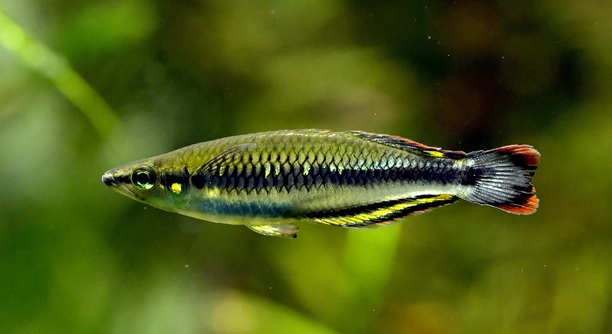
Rainbowfish are small, vibrant freshwater fish that bring life to any aquarium. Their shimmering colors and lively movements often catch the attention of hobbyists, making them a favorite choice for both beginners and experienced fish keepers alike.
Rainbowfish often swim in circles as a natural behavior linked to social interaction, territorial establishment, and environmental exploration. This repetitive movement allows them to communicate, maintain hierarchy within groups, and navigate their surroundings efficiently in confined spaces.
Observing their circular swimming patterns reveals more about their social habits and overall well-being in the tank environment. It is a behavior worth understanding for a healthier aquarium.
Understanding Circular Swimming
Watching rainbowfish glide in circles can be surprisingly calming. This behavior is not random but tied to their instincts and environment. In a natural setting, circular swimming helps them monitor their surroundings while staying alert for predators or potential food sources. In aquariums, this movement can indicate comfort or stress depending on other cues. Factors such as tank size, water quality, and the presence of other fish influence how often they swim in circles. Observing their patterns closely allows you to gauge their health and social dynamics. Overcrowding or poor water conditions may exaggerate circular swimming, while a well-balanced tank encourages natural, relaxed movement. By providing space, hiding spots, and maintaining clean water, rainbowfish are more likely to swim gracefully rather than frantically. Their behavior reflects both instinct and adaptation to the controlled environment, showing a combination of natural habits and responses to their surroundings. Monitoring this can improve their overall care and happiness.
Circular swimming often indicates that rainbowfish are alert and engaged with their environment.
In my experience, creating a stimulating environment with plants, rocks, and gentle currents encourages healthier behavior. Rainbowfish respond well to enrichment, and their circular swimming becomes more relaxed and purposeful rather than frantic. Observing their interactions with tankmates can reveal social hierarchy, as dominant fish may patrol central areas while others navigate the edges. Maintaining stable water temperature and regular feeding schedules also supports natural movement patterns. When the tank is too small or overcrowded, circular swimming may become repetitive and stressful. Watching closely, I learned to recognize when behavior indicated excitement, curiosity, or tension. Adjusting lighting, decorations, and flow can help guide their swimming in a calmer manner. Over time, the patterns became predictable, helping me anticipate their needs. These insights not only enhance their health but also make caring for them more satisfying and informative. Understanding these habits allows me to respond effectively, ensuring a lively yet balanced aquarium.
Social Dynamics in Groups
Rainbowfish often swim in circles as a form of social signaling.
In group settings, circular swimming helps establish roles and communicate intentions without direct confrontation. Fish use this behavior to assert dominance, maintain spacing, and coordinate movements. Juveniles may follow adults, learning patterns that aid in survival, while adults maintain their preferred territories. Circling also reinforces bonds within the school, promoting cohesion and reducing conflict. Observing how individuals move in relation to each other provides insights into their relationships and stress levels. Changes in behavior, such as increased or erratic circling, may indicate health or environmental issues that need attention. Providing sufficient space and multiple hiding spots reduces tension and encourages positive social interactions. Over time, I noticed that subtle shifts in swimming patterns signal adjustments in the group’s hierarchy. Understanding these dynamics allows for better management of mixed tanks and ensures that all rainbowfish coexist peacefully while displaying their natural, graceful movements.
Environmental Factors
Water temperature, pH, and oxygen levels directly affect rainbowfish activity. When conditions are optimal, swimming is smooth and circular movements appear relaxed. Stress from poor water quality or abrupt changes can increase frantic circling, indicating discomfort or health concerns.
In my tank, I keep the temperature steady and monitor pH regularly. Providing gentle water flow and consistent oxygenation ensures the fish remain active but calm. Decorations and plants create natural barriers, allowing them to explore and circle without feeling exposed. Over time, I noticed that rainbowfish adjusted quickly to stable conditions, showing predictable, controlled swimming patterns. Poor lighting or sudden changes in the environment caused irregular circling, signaling that adjustments were needed to maintain a healthy habitat. Observing these responses helps me manage the tank more effectively.
I also found that substrate choice affects swimming. Smooth sand encourages continuous movement, while rough gravel can disrupt their patterns. Adjusting decorations and flow improved their circular swimming, making it a natural, almost meditative part of their behavior.
Feeding and Activity Levels
Feeding schedules influence the frequency of circular swimming. Well-fed fish swim calmly, while hunger can trigger rapid circling as they anticipate food.
I space feedings evenly and vary diet with flakes, pellets, and occasional live food. Feeding stimulates movement but maintaining moderation prevents overexcitement and stress. In larger groups, I observed that fish often circle near feeding areas, establishing temporary zones of activity. Over time, consistent feeding helped regulate their behavior, making circular swimming less erratic. I also noticed that rotating food types encourages exploration while keeping their activity levels healthy. Monitoring swimming during feeding provides insight into appetite, hierarchy, and social interactions. Proper nutrition and timing create a predictable rhythm, supporting both physical health and mental stimulation for the group.
Tank Size and Layout
A spacious tank allows rainbowfish to swim freely without crowding. Tight spaces can force repetitive circling and stress.
Arranging plants, rocks, and open areas encourages natural movement. Fish explore while maintaining comfort zones, reducing constant circular swimming caused by confinement.
Stress and Health Indicators
Erratic or excessive circular swimming often signals stress or illness. Poor water quality, sudden changes, or aggressive tankmates can trigger this behavior. Maintaining stable conditions and monitoring interactions helps prevent stress-related circling and promotes healthier, calmer swimming patterns.
Observation and Adjustment
Tracking swimming habits daily reveals subtle changes in behavior. Adjusting environment, decorations, or tankmates based on observations keeps fish active, comfortable, and socially balanced.
FAQ
Why do rainbowfish swim in circles even when they are not hungry?
Rainbowfish often swim in circles as part of their natural behavior, not just when feeding. It helps them patrol their territory, interact with other fish, and remain alert to their surroundings. In a tank, circular swimming can indicate comfort or active exploration rather than stress.
Can tank size affect how often rainbowfish swim in circles?
Yes, tank size directly impacts swimming patterns. Smaller tanks limit space, causing repetitive circling, while larger tanks allow free movement and more natural patterns. Including open swimming areas and hiding spots encourages calmer, controlled swimming behaviors and reduces stress-related movement.
Is circular swimming a sign of stress or illness?
It can be, depending on context. Erratic, fast, or constant circling may indicate poor water quality, illness, or bullying from other fish. Observing other behaviors such as loss of appetite, clamped fins, or lethargy helps determine if health is a concern. Maintaining clean water and a stable environment is crucial.
Do rainbowfish swim in circles to communicate with each other?
Yes, social signaling is a key reason. Circular swimming allows rainbowfish to establish dominance, maintain group cohesion, and navigate social hierarchy without direct confrontation. Juveniles often follow adults, learning movement patterns that support group survival and coordination.
How does feeding affect circular swimming patterns?
Feeding stimulates movement, and fish may circle near food areas while anticipating meals. A consistent feeding schedule prevents erratic circling caused by hunger. Varying diet with flakes, pellets, or live food encourages exploration and keeps activity levels healthy. Overfeeding, however, can lead to hyperactive or stressed behavior.
Can decorations and plants influence circular swimming?
Absolutely. Strategic placement of plants, rocks, and open spaces creates natural pathways for swimming. Rainbowfish can circle in comfortable areas without feeling exposed. Dense decorations may cause fish to change patterns or increase frantic circling, while thoughtfully arranged tanks promote relaxed and purposeful movement.
Does water quality impact circular swimming?
Water parameters such as temperature, pH, and oxygen levels strongly influence behavior. Stable, clean water encourages calm, natural swimming. Fluctuations or poor quality increase stress, causing faster or repetitive circling. Regular testing and partial water changes help maintain optimal conditions and reduce erratic movement.
How can I tell if circling is normal or problematic?
Normal circling is steady, smooth, and occurs in combination with other relaxed behaviors. Problematic circling is rapid, erratic, or accompanied by signs of stress like clamped fins or hiding. Observing patterns over time and checking tank conditions helps determine whether behavior is healthy or requires intervention.
Do rainbowfish swim in circles more when they are in groups?
Yes, group dynamics affect swimming. Fish in schools use circling to maintain spacing, follow dominant individuals, and coordinate movement. Social interaction enhances cohesion, while overcrowding or aggression may increase frantic circling. Proper stocking levels and hiding areas reduce tension and promote balanced group behavior.
Can adjusting lighting and water flow reduce excessive circling?
Adjustments in lighting and gentle water flow can calm rainbowfish. Bright or fluctuating lights may stress fish, increasing circling. Moderate currents encourage natural swimming without forcing constant movement. Observing responses to environmental changes helps fine-tune conditions for calmer, healthier patterns.
Are there long-term effects of continuous circular swimming?
Chronic stress from limited space, poor water quality, or aggression can affect health over time. Continuous frantic circling may lead to fatigue, weakened immune system, or reduced appetite. Ensuring optimal tank conditions, adequate space, and social balance minimizes negative long-term impacts while supporting natural behavior.
How can I encourage more relaxed circular swimming?
Providing a stable environment, consistent feeding, appropriate tank size, and enriched habitat with plants and decorations encourages calm, purposeful circling. Observing behavior regularly and making gradual adjustments helps maintain a healthy, engaging space that allows rainbowfish to express natural movement comfortably.
Is circular swimming more common in certain rainbowfish species?
Yes, some species are more active or territorial, leading to more noticeable circling. Species with naturally higher energy levels may display frequent, graceful circles, while others exhibit slower, less frequent patterns. Knowing the species’ temperament helps anticipate swimming behavior and manage tank conditions appropriately.
Can stress from other fish increase circular swimming?
Interactions with aggressive or overly dominant tankmates can trigger repetitive circling. Stressful encounters may cause fish to patrol or escape perceived threats. Providing hiding spots, adequate space, and compatible tankmates helps reduce tension and keeps circular swimming controlled and natural.
Does temperature influence circular swimming activity?
Temperature affects metabolism and activity levels. Warmer, stable temperatures encourage steady swimming, while sudden changes or extremes can increase erratic circling or lethargy. Maintaining consistent, species-appropriate temperature ensures comfortable, natural movement patterns and reduces stress-related behavior.
Can I prevent excessive circling completely?
Not entirely, as circular swimming is a normal behavior. However, optimizing tank size, water quality, feeding, decorations, and social balance minimizes excessive or frantic circling, allowing fish to swim naturally while reducing signs of stress or discomfort.
How do I monitor changes in circling behavior effectively?
Regular observation at consistent times helps detect shifts. Note speed, frequency, and context of circling. Compare behavior after feeding, during social interactions, and under different environmental conditions. Keeping records makes it easier to identify problems early and implement adjustments promptly.
Are there other behaviors linked to circular swimming?
Yes, behaviors like chasing, patrolling, or following tankmates often accompany circling. These actions are part of social interaction, foraging, or territory maintenance. Recognizing patterns in combination with swimming provides a clearer understanding of the fish’s overall health and social structure.
Does age affect circular swimming habits?
Younger rainbowfish may circle more frequently while learning to navigate their environment and follow adults. Adults often display more deliberate, steady patterns. Observing age-related differences helps anticipate behavioral changes and ensures habitat and social conditions support all life stages.
Can I use circular swimming to assess tank harmony?
Yes, balanced, smooth circling usually indicates a healthy, stable group. Erratic or aggressive patterns suggest tension, overcrowding, or environmental issues. Using swimming behavior as a gauge allows proactive adjustments, promoting a harmonious, well-maintained aquarium.
How important is observation in maintaining healthy swimming patterns?
Observation is critical. Watching how rainbowfish swim, interact, and respond to changes helps identify stressors, adjust environmental factors, and support natural behavior. Consistent monitoring ensures fish remain active, comfortable, and socially balanced while reducing potential health issues.
Final Thoughts
Rainbowfish are naturally active and social creatures, and their circular swimming is a normal part of their behavior. Observing them swim in smooth, controlled patterns is often a sign that they feel secure in their environment. This behavior allows them to explore the tank, patrol their territory, and interact with other fish without direct confrontation. Circular swimming is also a way for them to maintain awareness of their surroundings, helping them detect changes, potential threats, or opportunities for food. In a well-maintained aquarium, this behavior appears calm and purposeful, reflecting both instinct and comfort. Over time, it becomes clear that each fish has its own pattern, influenced by personality, energy levels, and position within the social group. Recognizing these patterns helps in understanding the overall health and mood of the tank, making it easier to provide a supportive and balanced environment.
Creating the right conditions in the aquarium is essential for healthy swimming behavior. Factors such as tank size, water quality, decorations, and social dynamics all influence how often and how smoothly rainbowfish swim in circles. A spacious tank with open areas allows them to move freely without stress, while carefully placed plants and rocks provide structure for exploration and comfort. Maintaining stable water parameters, including temperature, pH, and oxygen levels, reduces the likelihood of erratic or frantic circling. Feeding schedules and diet variety also affect activity, with regular, balanced meals encouraging calm, natural movement. Social interactions are another key factor, as dominant fish and school behavior shape how individuals move. Observing these factors together gives a clear picture of what supports healthy, purposeful swimming, helping prevent stress or behavioral issues. Adjusting the tank based on these observations ensures that fish remain active, comfortable, and engaged.
Monitoring rainbowfish and understanding the reasons behind their circular swimming helps create a harmonious aquarium. Changes in behavior often indicate environmental or health issues, and timely adjustments can prevent long-term stress or illness. By paying attention to swimming patterns, tank layout, social interactions, and feeding habits, it is possible to support their well-being while allowing them to express natural behaviors. Over time, this approach not only improves the fish’s quality of life but also makes caring for the aquarium more rewarding and predictable. Observing rainbowfish as they swim in circles can be calming and informative, offering insight into their instincts, social structure, and overall health. A tank that supports natural swimming patterns is a reflection of thoughtful care, attention to detail, and understanding of these lively, colorful fish.

Hello,
If you enjoy the content that we create, please consider saying a "Thank You!" by leaving a tip.
Every little bit helps us continue crafting quality advice that supports the health, happiness, and well-being of pets around the world, for pets of all shapes, sizes, and species.
We really appreciate the kindness and support that you show us!