
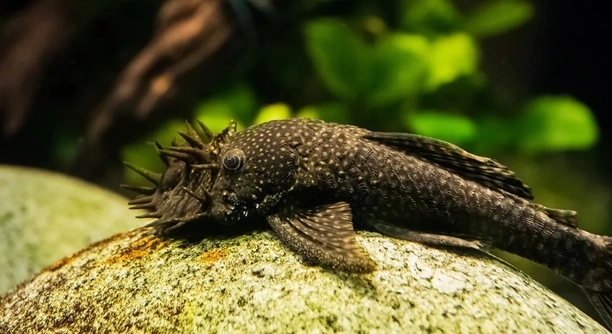
Do you ever find yourself arranging your aquarium and wondering how different bottom dwellers might share the same space? Plecos and Corydoras are both popular choices, but combining them can feel a little tricky for many aquarists.
Plecos can generally coexist with Corydoras if the tank is spacious, offers hiding spots, and has a peaceful environment. Their differing feeding habits and nocturnal versus daytime activity help reduce conflict and support a stable aquarium community.
Knowing how to manage their space and care routines will make your aquarium more harmonious and ensure both species thrive comfortably together.
Understanding Pleco Behavior
Plecos are generally calm fish, but their size and territorial tendencies can affect other tank mates. They are mostly nocturnal, spending the day hiding under driftwood or decorations. This means they usually don’t interfere with Corydoras, who are active during the day. Plecos may become more territorial as they grow, especially in smaller tanks. Providing plenty of space and hiding spots reduces stress for both species. They are primarily algae eaters, though some need supplemental feeding with sinking pellets or vegetables like zucchini. Understanding their behavior helps prevent misunderstandings in the aquarium, as they rarely interact aggressively if their basic needs are met. Plecos prefer smooth surfaces for grazing and can sometimes scratch other fish if cramped. Corydoras are social and enjoy group living, which makes them less likely to challenge a Pleco directly. Observing their interactions in the first few weeks can help you adjust decorations or feeding routines to maintain balance and harmony.
Proper tank setup is key for peaceful cohabitation.
Maintaining space, hiding spots, and appropriate feeding routines ensures both Plecos and Corydoras can coexist without stress.
Feeding and Compatibility
Corydoras are bottom feeders who enjoy scavenging leftover food, while Plecos focus on algae and plant matter. This natural difference reduces direct competition for food.
To support both, feed sinking pellets for Corydoras and supplement Plecos with fresh vegetables. Avoid overfeeding, as excess waste can affect water quality. Monitor how both species eat, ensuring smaller Corydoras are not blocked by larger Plecos. Providing variety keeps both fish healthy and engaged. Feeding at different times can also help, as Plecos are more active at night while Corydoras feed during the day. This schedule reduces stress and ensures everyone gets enough nutrition. Over time, observing preferences may help refine their diet. Adjusting feeding amounts to match their activity level maintains water quality. A well-planned feeding routine promotes harmony, encourages natural behaviors, and strengthens their coexistence in a shared tank. Proper feeding practices contribute greatly to a peaceful aquarium, allowing both species to thrive comfortably without unnecessary conflict or stress.
Tank Setup Tips
A tank with plenty of hiding spots and smooth surfaces helps Plecos and Corydoras feel secure. Driftwood, caves, and plants allow both species to retreat and reduce stress. Proper space and decor prevent conflicts and mimic their natural habitats.
Providing hiding spots is crucial for Plecos, who are naturally nocturnal and like to stay hidden during the day. Corydoras also appreciate shelter, as they can be shy, especially in smaller groups. Including plants, rocks, and driftwood creates a layered environment where both species can explore safely. Substrate choice matters too—soft sand is ideal for Corydoras, allowing them to sift without injury. Open swimming areas complement these hiding zones, giving Plecos space to graze and Corydoras room to forage freely. Arranging decor with multiple levels and surfaces reduces competition and allows each fish to occupy its preferred space naturally. Observing their habits helps you refine the layout over time.
Water quality directly affects how these fish interact. Plecos produce more waste, so filtration must be strong enough to maintain clean water. Regular partial water changes are important. Stable temperature and pH keep both species healthy, reducing stress and aggression.
Social Dynamics
Corydoras are peaceful and do best in groups of at least four to six. Their social behavior encourages movement and reduces stress.
Plecos are mostly solitary but can tolerate Corydoras if enough space exists. Corydoras may swim around active Plecos, but conflicts are rare when territory is respected. Grouping Corydoras together allows them to feel secure, encouraging natural schooling and foraging behavior. Plecos generally ignore Corydoras unless food is scarce or the tank is too small. Introducing Plecos first helps establish boundaries and reduces territorial disputes. Observing interactions in the first weeks is essential to adjust space or decor if tension arises. Social balance supports both species’ health and reduces unexpected aggression, making coexistence more predictable. Planning tank population with their natural habits in mind ensures harmony and a stress-free environment.
Choosing the Right Pleco
Smaller Pleco species are easier to manage with Corydoras. Larger species may become territorial or outcompete Corydoras for space. Consider growth potential before adding a Pleco to your tank.
Researching Pleco temperaments helps ensure compatibility. Some species are more aggressive, while others are peaceful. Choosing wisely prevents stress and keeps both species comfortable.
Substrate Considerations
Soft sand or smooth gravel is best for Corydoras, protecting their sensitive barbels while foraging. Plecos can graze on these surfaces without issue. Maintaining clean substrate reduces the risk of injury and promotes healthy natural behaviors in both species.
Monitoring Health
Watch for signs of stress or illness in either species. Uneaten food and aggressive interactions can affect overall tank health. Regular observation ensures timely action.
FAQ
Can Plecos and Corydoras share the same tank?
Yes, they can coexist if the tank is properly set up. Plecos are mostly nocturnal, while Corydoras are active during the day. Providing enough space, hiding spots, and appropriate feeding routines reduces the chances of stress or conflict. Tank size is key, as smaller tanks can increase territorial behavior.
What size tank is suitable for both species?
A minimum of 30 gallons is recommended for a small group of Corydoras and a single smaller Pleco. Larger Plecos need bigger tanks, ideally 50 gallons or more. More space allows both species to maintain their natural behaviors without feeling crowded or stressed.
Do Plecos harm Corydoras?
Generally, Plecos are peaceful and ignore Corydoras. Aggression is rare but can occur if the tank is too small or there isn’t enough food. Observing their interactions during the first weeks helps identify potential territorial issues before they escalate.
How many Corydoras should be kept together?
Corydoras are social fish and thrive in groups of four to six or more. They feel more secure in numbers, which encourages natural schooling and reduces stress. Small groups may lead to shy or stressed behavior.
What type of Pleco is best for community tanks?
Smaller Pleco species like Bristlenose or Rubber Lip are ideal. Large species, such as Common Plecos, can outgrow the tank and become territorial. Choosing a species with a calm temperament ensures better compatibility with Corydoras and other peaceful fish.
How should I feed them?
Feed sinking pellets or wafers for Corydoras and supplement Plecos with vegetables like zucchini, cucumber, or algae wafers. Feeding at different times can help both species get enough food without competition. Avoid overfeeding to maintain water quality and prevent stress.
Are hiding spots necessary?
Yes, both species benefit from hiding spots. Plecos need them during the day, while Corydoras appreciate cover for security. Driftwood, caves, and plants help reduce stress, prevent conflicts, and mimic natural environments for healthier behavior.
How do I maintain water quality?
Plecos produce more waste, so strong filtration is important. Regular water changes and monitoring pH, temperature, and ammonia levels keep both species healthy. Clean water reduces stress, prevents disease, and supports natural activity for both Plecos and Corydoras.
Can they breed in a shared tank?
Corydoras may breed in a community tank if water conditions are optimal and there is space to lay eggs. Plecos rarely interfere with their eggs, but some larger species could disturb them if the tank is small or overcrowded.
What signs indicate stress or aggression?
Look for hiding, clamped fins, rapid swimming, or chasing behavior. Uneaten food can also indicate competition or stress. Acting quickly by adjusting decorations, space, or feeding routines helps maintain harmony and protect the health of both species.
Do Plecos and Corydoras need different water conditions?
Both species prefer slightly acidic to neutral water, but Plecos can tolerate a wider range of temperatures. Maintaining consistent conditions within their overlapping comfort zones ensures both thrive and reduces stress-related issues.
How often should I check their behavior?
Daily observation is ideal, especially in the first few weeks after introducing them. Checking feeding habits, interactions, and activity levels allows early detection of problems and helps maintain a peaceful aquarium environment.
Is lighting important for them?
Plecos prefer dimmer areas, while Corydoras are active in normal lighting. Providing shaded spots and hiding areas helps both species feel secure and encourages natural behavior patterns throughout the day.
Can I add other fish with them?
Yes, peaceful community fish can coexist. Avoid aggressive species that might stress Corydoras or provoke territorial behavior in Plecos. Planning compatible tank mates supports a balanced and harmonious aquarium environment.
How do I know if the Pleco is eating enough?
Check the algae growth in the tank and observe Plecos at night. Supplementing with vegetables or sinking wafers ensures proper nutrition. Signs of insufficient feeding include scraping surfaces aggressively or appearing lethargic during usual active periods.
What maintenance routines help both species thrive?
Regular water changes, gravel cleaning, and monitoring of filter performance are essential. Maintaining consistent temperature, pH, and food routines promotes healthy growth, reduces stress, and supports peaceful coexistence for Plecos and Corydoras alike.
This FAQ covers the most common concerns and practical tips for keeping Plecos and Corydoras together successfully. Following these guidelines helps create a stable, harmonious tank where both species can thrive naturally.
Final Thoughts
Keeping Plecos and Corydoras together in the same tank can be very rewarding when approached thoughtfully. Both species have different habits, which actually helps them coexist peacefully most of the time. Plecos are mostly active at night and spend much of their day hiding under driftwood, rocks, or decorations. Corydoras, on the other hand, are active during the day and spend time foraging along the bottom of the tank. This natural difference in activity patterns reduces direct competition and allows both species to share the same space comfortably. Understanding these behaviors is essential to providing a stable and stress-free environment for both types of fish. Observing them over time will give a clearer sense of how well they are adapting to each other and whether any adjustments are needed in tank layout or feeding routines.
Proper tank setup is one of the most important factors for successful coexistence. A spacious tank with soft sand or smooth gravel substrate helps Corydoras move safely and search for food, while driftwood, caves, and plants give Plecos places to hide. Providing open swimming areas alongside these hiding spots ensures that neither species feels overcrowded. In addition, maintaining clean water with adequate filtration is crucial because Plecos produce more waste than Corydoras. Regular water changes and careful monitoring of water parameters, including temperature and pH, keep both species healthy and reduce stress-related behaviors. Thoughtful placement of hiding spots and feeding areas can also prevent minor territorial disputes, making the tank a calmer and more predictable environment.
Feeding and observation play a key role in ensuring harmony between Plecos and Corydoras. Both species have different dietary needs, so providing a combination of algae wafers or vegetables for Plecos and sinking pellets for Corydoras helps reduce food competition. Feeding at different times can also encourage natural behaviors without causing stress. Watching how each species responds to their environment and interacts with each other allows for adjustments to decor, space, or feeding methods if necessary. When tank size, substrate, decorations, and feeding routines are carefully considered, both Plecos and Corydoras can thrive together. Over time, the tank can develop into a lively, balanced ecosystem where each species can express its natural behavior safely. Taking the time to plan and maintain the tank ensures that your fish remain healthy, active, and peaceful companions in a shared aquarium space.

Hello,
If you enjoy the content that we create, please consider saying a "Thank You!" by leaving a tip.
Every little bit helps us continue crafting quality advice that supports the health, happiness, and well-being of pets around the world, for pets of all shapes, sizes, and species.
We really appreciate the kindness and support that you show us!