
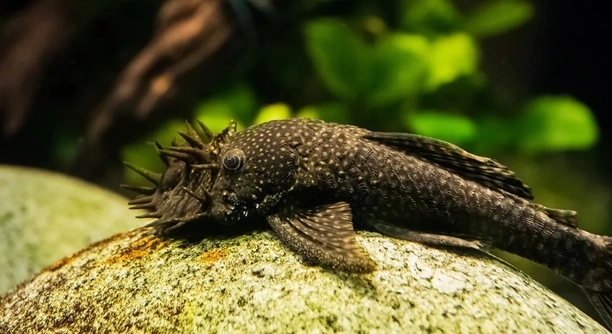
Many people love keeping aquariums and want to add interesting fish to their tanks. Plecos are popular choices because of their unique look and algae-eating habits. They can be fun pets for those prepared to care for them.
Plecos require specific care including tank size, water quality, diet, and habitat setup to thrive. Understanding their needs before purchase ensures their health, longevity, and proper integration into a home aquarium, minimizing stress and potential problems.
Knowing these basics can help you create the right environment for your pleco. Proper preparation will make caring for them easier and more enjoyable.
Tank Size Matters
Plecos grow larger than many people expect, sometimes reaching over a foot long. A small tank will quickly become cramped, stressing the fish and leading to health problems. For most pleco species, a minimum of 50 gallons is recommended, with bigger tanks preferred for larger types. Adequate space allows them to swim freely and establish territories. Along with size, the tank should include hiding spots, driftwood, and plants to mimic natural conditions. Proper filtration is essential because plecos produce significant waste, which can quickly affect water quality. Regular water changes and monitoring parameters like pH and ammonia levels help maintain a stable environment. A well-sized tank reduces aggression and encourages natural behaviors, including feeding and resting patterns. Observing your pleco in a spacious, clean habitat also makes it easier to notice any health issues early. Overall, investing in an appropriately sized tank supports their physical and mental well-being over the long term.
Providing the correct tank size ensures plecos remain healthy, active, and less stressed while reducing maintenance problems for the aquarium owner.
Choosing the right tank size also affects how many decorations and hiding places you can include. A cramped tank limits natural behaviors and may lead to territorial disputes or lethargy. Bigger tanks give you flexibility for water conditions and allow plecos to display their natural habits. They also make regular maintenance easier because water parameters remain more stable. Proper planning from the start saves time, money, and stress later.
Feeding and Diet
Plecos are often assumed to eat only algae, but they need a varied diet for health. Their nutrition should include algae wafers, fresh vegetables, and occasional protein like shrimp pellets. Balanced feeding prevents deficiencies, supports growth, and keeps their digestive system functioning.
Plecos are nocturnal feeders, usually more active at night. Providing food in the evening aligns with their natural patterns and reduces competition in the tank.
A diet rich in vegetables, like zucchini, cucumber, and spinach, encourages healthy growth and proper digestion. Algae alone will not provide sufficient nutrients for most pleco species. Protein should be offered sparingly, as too much can cause obesity or water quality issues. Offering a variety of foods keeps plecos interested in feeding and promotes natural foraging behavior. Some species also benefit from driftwood in the tank, which they scrape for fiber. Observing your pleco’s eating habits ensures you adjust portions correctly, preventing leftover food from contaminating water. Feeding on a consistent schedule helps reduce stress, and rotating vegetables and wafers keeps meals balanced. Nutrition is a cornerstone of health, longevity, and coloration in plecos, making careful attention to diet essential for any aquarium owner.
Water Conditions
Plecos need stable water with proper temperature, pH, and cleanliness. They are sensitive to sudden changes, which can cause stress or illness. Monitoring and adjusting water conditions keeps them healthy and active.
Maintaining water temperature between 72–82°F and pH around 6.5–7.5 suits most pleco species. Ammonia, nitrite, and nitrate levels must be checked regularly, and weekly water changes are crucial. Good filtration helps remove waste, and aeration ensures sufficient oxygen. Driftwood and plants can buffer water and provide hiding spots. Sudden chemical changes or overdosing treatments can harm them, so careful management is essential.
Filtration is not just about cleanliness—it affects oxygen levels and reduces toxins. Plecos produce heavy waste, so choosing a filter rated for double the tank size is wise. Regular testing prevents problems before they escalate. Tank stability improves overall health, growth, and lifespan, making water conditions a priority in pleco care.
Tank Decorations and Hiding Spots
Plecos need hiding places to feel secure, reducing stress and aggression. Driftwood, caves, and plants offer shelter while enhancing the tank’s natural look.
Caves and crevices mimic natural environments where plecos rest during the day. Driftwood provides not only shelter but also a source of dietary fiber for some species. Plants create shaded areas and contribute to water quality by absorbing nitrates. Decorations should be arranged to allow swimming space while giving multiple hiding options to avoid territorial disputes. Rounded edges prevent injury, and stable placement prevents collapse. Observing behavior helps adjust hiding spots as needed.
Including varied textures and shapes promotes natural exploration and foraging behaviors. Open spaces combined with multiple shelters reduce stress, improve activity levels, and encourage healthy growth. Decorations can also serve as grazing areas for algae, supporting diet and interaction. Balancing visual appeal with functional hiding spots ensures plecos feel safe and behave naturally, improving overall well-being in a home aquarium.
Lighting Needs
Plecos do best with dim lighting or shaded areas. Bright lights can stress them and alter natural behaviors. Providing plants or floating covers helps create a comfortable environment.
Lighting should reflect a natural day-night cycle. Too much light encourages algae overgrowth and can disrupt feeding habits. Adjustable lighting or timers helps maintain consistency and reduces stress, allowing plecos to stay active and healthy.
Social Behavior
Most plecos are solitary and can be territorial. Keeping multiple large plecos in one tank requires careful planning to prevent fights and stress. Smaller species may tolerate tank mates better, but monitoring interactions is important.
Regular Health Checks
Observing plecos daily helps spot signs of illness early. Look for changes in color, appetite, or behavior. Prompt action prevents minor issues from becoming serious.
FAQ
How often should I feed my pleco?
Plecos generally need feeding once a day, preferably in the evening when they are most active. Offer a mix of algae wafers, fresh vegetables, and occasional protein. Remove uneaten food after a few hours to prevent water contamination. Overfeeding can cause obesity and degrade water quality, so monitor portions carefully. Adjust amounts based on the pleco’s size and activity.
Can plecos live with other fish?
Most plecos are peaceful but territorial with their own kind or similar bottom-dwellers. Smaller plecos usually coexist with community fish, while larger species may need their own space. Observing behavior is essential, as aggressive interactions can damage fins or cause stress. Hiding spots reduce conflicts.
How big will my pleco get?
Size varies by species. Common plecos can grow over 12 inches, while smaller types like bristlenose plecos stay under 6 inches. Research your specific species before purchasing. Tank size, diet, and care influence growth. Providing ample space prevents stunted growth and stress.
What type of water filter should I use?
Plecos produce a lot of waste, so a strong filter is necessary. Canister or hang-on-back filters rated for double your tank’s size work best. Regular cleaning ensures optimal performance. Filtration keeps ammonia and nitrite low, which is essential for pleco health.
Do plecos need driftwood?
Many species benefit from driftwood, which aids digestion and provides a natural grazing surface. It also creates hiding spots and can soften water slightly. Choose untreated, aquarium-safe wood and replace it if it begins to rot. Driftwood can improve overall tank stability.
How long do plecos live?
With proper care, plecos can live 10–15 years, and some species may reach 20 years. Lifespan depends on diet, water quality, tank size, and stress levels. Regular maintenance and observing their behavior contribute to longevity.
What signs indicate illness in plecos?
Look for faded color, clamped fins, lethargy, or loss of appetite. White spots, sores, or abnormal swimming may indicate disease. Prompt treatment prevents worsening conditions. Quarantine new fish to reduce infection risk. Maintaining water quality supports overall immunity.
Can plecos survive in cold water?
Most plecos are tropical and require temperatures between 72–82°F. Colder water slows metabolism and can be fatal. A reliable heater and thermometer ensure stable temperatures. Avoid sudden drops or drafts in the room, as temperature swings stress the fish.
How often should I clean the tank?
Perform partial water changes of 20–30% weekly. Remove debris and clean the substrate gently to avoid disturbing beneficial bacteria. Filter media should be rinsed in tank water, not tap water, to maintain bacterial colonies. Regular cleaning prevents toxic buildup.
Do plecos eat live plants?
Some pleco species may nibble on soft plants, but most prefer algae and vegetables. Hardy plants like Java fern or Anubias are safer choices. Observing the pleco helps determine if additional plant protection or replacements are needed.
Is it necessary to quarantine new plecos?
Yes, quarantining for at least two weeks reduces the risk of introducing disease or parasites. Observe for illness, and treat if needed before adding the fish to the main tank. This protects both your pleco and other tank inhabitants.
How can I encourage natural behavior?
Provide hiding spots, varied surfaces, and driftwood. Feeding in different areas encourages exploration. Nighttime activity can be supported with dim lighting. Allowing natural behavior reduces stress, improves health, and keeps the pleco active and engaged in the tank.
Can plecos change color?
Color can vary with mood, stress, health, and water conditions. Bright, consistent coloration usually indicates a healthy pleco. Dull or faded color may suggest stress, poor diet, or illness. Observing these changes helps in early detection of problems.
Are plecos noisy or disruptive?
Plecos are generally quiet. Some scraping or suction noises occur when feeding or moving across surfaces. They do not disturb the water or other fish significantly, making them suitable for community tanks. Noise is rarely a concern.
Do plecos need supplemental calcium?
Some species benefit from calcium for bone and fin health, especially if driftwood is limited. Adding cuttlebone or mineral supplements can help. Monitor behavior and growth to ensure dietary needs are met.
What should I do if my pleco stops eating?
Loss of appetite often signals stress or illness. Check water parameters, temperature, and tank mates. Offer favorite foods or vegetables in the evening. If appetite does not return, consult a veterinarian experienced with fish. Early intervention improves outcomes.
How can I prevent algae overgrowth?
Algae control comes from a balanced diet, proper lighting, and regular water changes. Plecos help, but additional algae eaters or manual cleaning may be needed. Avoid excessive nutrients from overfeeding or decaying plants. Consistency is key to prevention.
Do plecos need companions?
Plecos are mostly solitary. Some species enjoy seeing other fish but do not require companionship. Avoid overcrowding, which increases aggression and stress. Hiding spots help them feel secure without needing social interaction.
Can plecos survive in small tanks temporarily?
Short-term housing in smaller tanks is acceptable for quarantine or transport, but long-term survival requires adequate space. Small tanks stress the fish, limit growth, and increase water quality problems. Proper acclimation reduces risk.
What is the best substrate for plecos?
Soft sand or smooth gravel is ideal. Rough substrates can injure plecos’ delicate barbels. Substrate choice also affects tank cleaning and plant growth. Observing the pleco helps determine comfort and suitability of the tank bottom.
This FAQ covers the most common questions and practical care tips, providing a foundation for healthy and happy plecos in your aquarium.
Word count: 509
Final Thoughts
Plecos can make a fascinating addition to a home aquarium, but they are not low-maintenance fish. They require proper tank size, clean water, and a varied diet to stay healthy. Planning ahead and understanding their needs will make caring for them much easier. Unlike some smaller community fish, plecos grow large and produce a lot of waste, so the tank setup must accommodate this. Regular water changes and monitoring of ammonia, nitrite, and nitrate levels are essential. Providing hiding spots, driftwood, and decorations helps them feel secure and reduces stress. These measures may take extra effort, but they create a stable and comfortable environment where plecos can thrive.
Choosing the right species is another important step. Different pleco types vary in size, temperament, and dietary needs. Common plecos, bristlenose plecos, and rubber lip plecos are popular options for home aquariums, but each has its own requirements. Researching the species you plan to keep ensures you can meet their specific needs. Some plecos enjoy driftwood for grazing, while others need more protein in their diet. Tank mates should be chosen carefully to avoid aggression or competition. Observing your pleco regularly allows you to notice subtle changes in behavior, feeding habits, or appearance, which can indicate stress or illness. Early attention to these details helps maintain long-term health.
Caring for plecos can be a rewarding experience if their needs are respected. They can live for over a decade with proper care, providing long-term enjoyment. Feeding a balanced diet, maintaining consistent water conditions, and providing adequate space are the foundation of pleco health. While they are often quiet and low-key, their nocturnal activity and algae-eating habits contribute to the overall aquarium ecosystem. With thoughtful planning and daily observation, plecos can become a stable and interesting part of your tank. Investing time in their care ensures they remain healthy, active, and vibrant, enhancing both their life and the aquarium environment.
Word count: 409

Hello,
If you enjoy the content that we create, please consider saying a "Thank You!" by leaving a tip.
Every little bit helps us continue crafting quality advice that supports the health, happiness, and well-being of pets around the world, for pets of all shapes, sizes, and species.
We really appreciate the kindness and support that you show us!