
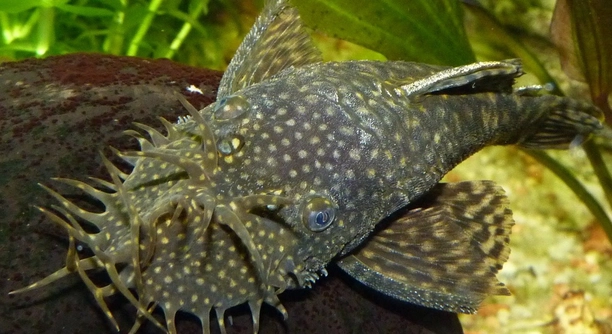
New plecos can bring life to your aquarium, but their introduction requires care to ensure they adjust safely. Proper planning helps reduce stress and supports a smooth transition for both the fish and existing tank inhabitants.
When introducing new plecos, it is essential to quarantine them first, monitor water parameters, provide hiding spaces, maintain compatible tank mates, and gradually acclimate them to avoid stress and health issues. Consistency in care ensures their successful integration.
Following these steps can make the process easier and safer, helping your plecos settle comfortably while keeping your aquarium balanced and healthy.
Prepare a Quarantine Tank
Before adding new plecos to your main aquarium, set up a separate quarantine tank. This helps prevent the spread of disease and allows you to monitor your fish closely for any signs of stress or illness. A simple tank with clean, conditioned water, a heater, and hiding spots is enough. Keep the water parameters similar to your main tank to make the eventual transition smoother. Observe the pleco’s behavior, appetite, and appearance daily, checking for unusual spots, frayed fins, or lethargy. Feeding them in quarantine also helps you track their eating habits and adjust their diet as needed. Avoid overcrowding this tank, as too many fish can increase stress levels. Even if your pleco appears healthy, a quarantine period of at least two weeks is recommended. This precaution gives you confidence that your new addition won’t introduce problems when moved into the main tank.
Quarantining protects your main aquarium from potential health risks while allowing the pleco to adapt safely.
The quarantine tank doesn’t need to be elaborate. A small tank with a sponge filter, heater, and a few hiding spots provides a safe space. During this time, you can observe the fish closely and ensure it is eating well. Gradually adjusting water parameters to match the main tank will help the pleco adapt when it is finally introduced. Regular water changes are important to keep the environment clean. By maintaining a calm, stable tank, your new pleco will be more likely to settle in quickly once added to the main aquarium, minimizing stress for both the new fish and the existing inhabitants.
Gradual Acclimation
Introduce the pleco slowly to the main tank by floating the sealed bag in the water for at least 20–30 minutes.
After floating, slowly mix small amounts of tank water into the bag over an hour. This helps the pleco adjust to temperature and water chemistry differences. Rapid changes can stress the fish and impact its health. Avoid pouring the bag water directly into the tank, as this can introduce contaminants.
During acclimation, ensure hiding spots are available, and reduce sudden movements around the tank. Keeping the environment calm helps the pleco feel secure. Feeding should be done only after the pleco has settled. Patience is key during this process. Observe its behavior over the next few days to confirm it is adjusting well. Gradual acclimation reduces shock, encourages healthy eating habits, and supports long-term well-being in your aquarium. By taking the time to introduce the pleco carefully, you improve its chances of thriving and maintaining harmony with existing tank mates.
Provide Adequate Hiding Spaces
Plecos need places to hide to feel secure. Use caves, driftwood, or PVC pipes to create shaded areas. Proper hiding spots reduce stress and encourage natural behavior.
Hiding spaces are essential because plecos are naturally nocturnal and often shy. In a tank without sufficient cover, they may become stressed or hide excessively, affecting their health and appetite. Driftwood not only provides shelter but also releases beneficial tannins that slightly acidify the water, which many plecos prefer. Rocks and PVC pipes work well too, allowing them to explore and claim territory. Position these areas in quieter parts of the tank away from high activity. Multiple hiding spots prevent conflicts if you have more than one pleco. By arranging the tank thoughtfully, you help your new pleco feel safe while maintaining a calm environment for all tank inhabitants.
Some plecos are more territorial, so providing multiple caves ensures each fish has a space to call its own. This reduces aggression and helps maintain harmony. A well-arranged tank supports healthy behavior and long-term comfort for your fish.
Monitor Water Parameters
Regular testing of ammonia, nitrite, nitrate, pH, and temperature is crucial for plecos. Stable conditions prevent stress and illness.
Plecos are sensitive to water quality changes, making it essential to maintain consistency. Ammonia and nitrite should always be at zero, while nitrate levels remain low. A stable pH and temperature suited to the species help reduce stress and promote healthy digestion. Frequent water testing allows you to detect small changes early and correct them before they become serious problems. Using a reliable test kit and keeping a log can make it easier to track trends over time. Gradual adjustments are always safer than sudden changes, which can shock your pleco.
Water changes should be regular and measured to maintain stability. Removing debris, uneaten food, and waste helps keep ammonia and nitrate levels low. Avoid cleaning everything at once, which can disrupt beneficial bacteria. By combining testing with partial water changes and careful observation, your plecos remain healthy, active, and better prepared to adapt to other changes in the tank. Consistent monitoring reduces the risk of stress-related illnesses and ensures a balanced environment.
Feed a Balanced Diet
Plecos need a mix of algae, vegetables, and protein. Offer sinking pellets, zucchini, cucumber, and occasional protein treats to meet their nutritional needs.
Feeding too much or too little can harm their health. Providing a consistent, varied diet ensures proper growth, energy, and overall well-being while supporting natural behaviors like grazing and scavenging.
Observe Behavior Regularly
Watch your pleco for changes in activity, appetite, or interactions with tank mates. Early detection of issues prevents serious health problems.
Avoid Overcrowding
Overcrowded tanks stress plecos and increase aggression. Maintain appropriate stocking levels to support calm, healthy behavior and prevent territorial disputes.
FAQ
How long should I quarantine a new pleco?
Quarantine is usually recommended for at least two weeks. This period allows you to monitor the fish for signs of illness, stress, or parasites without risking your main tank. Daily observation of eating habits, swimming behavior, and physical appearance helps identify any issues early. A simple quarantine tank with clean, conditioned water, hiding spots, and stable temperature is sufficient. Avoid overcrowding during this time, as it can increase stress. Even if your pleco seems healthy, quarantining provides an extra layer of protection for both the new fish and your established tank inhabitants.
What are the best hiding spots for plecos?
Plecos prefer shaded, secluded areas. Driftwood, caves, rocks, and PVC pipes work well. Multiple hiding spots reduce aggression among plecos and other fish. They allow each fish to claim territory, which helps maintain harmony. Driftwood also releases beneficial tannins that slightly acidify water, supporting natural preferences. Position hiding spaces in quieter tank areas away from heavy traffic or constant light. Observing how your pleco uses these spots can help you adjust placement or add more cover if needed. Proper hiding spaces encourage natural behavior, reduce stress, and improve long-term health.
How often should I feed my pleco?
Feeding depends on the species, size, and tank conditions, but generally, 3–5 times per week is enough for adult plecos. Younger or smaller plecos may require daily feeding. Include a mix of sinking pellets, vegetables like zucchini or cucumber, and occasional protein treats. Overfeeding can lead to poor water quality, while underfeeding affects health and growth. Remove uneaten food after a few hours to prevent decomposition and ammonia spikes. Observing your pleco’s eating habits helps adjust portions and ensures they receive proper nutrition. A varied diet also supports natural grazing behavior and overall well-being.
Can plecos live with other fish?
Yes, plecos are generally peaceful but can be territorial with their own kind, especially as adults. Provide enough space, hiding spots, and consider tank size when keeping multiple plecos. Avoid housing them with overly aggressive or fin-nipping species. Monitor interactions during the first few weeks after introduction. Providing multiple feeding areas and sufficient cover helps reduce competition and stress. Plecos usually coexist well with community fish if water parameters are stable, and their space requirements are met. Observing their behavior helps ensure harmony and prevents territorial disputes or stress-related issues.
How do I maintain water quality for plecos?
Plecos are sensitive to water parameters. Test ammonia, nitrite, nitrate, pH, and temperature regularly. Maintain zero ammonia and nitrite, low nitrate, stable pH, and temperature suitable for your species. Conduct partial water changes weekly, remove debris, and avoid overfeeding. Using a good filter helps maintain oxygen and cleanliness. Gradual adjustments are safer than sudden changes, which can stress plecos. Keeping a log of test results helps track trends over time. Stable water conditions support digestion, activity, and long-term health. Good water quality also reduces disease risk and improves overall tank harmony.
What should I do if my pleco stops eating?
Loss of appetite can indicate stress, illness, or water quality issues. Check water parameters, hiding spaces, and compatibility with tank mates. Observe for physical signs like spots, frayed fins, or unusual behavior. Offer fresh vegetables or sinking pellets, and ensure they are reachable for the fish. Quarantined plecos may take time to adjust before eating regularly. Sometimes, a small temperature adjustment within the preferred range encourages feeding. Avoid overfeeding during this period. Persistent appetite loss may require consulting a veterinarian specializing in fish. Monitoring closely and maintaining stable conditions supports recovery and long-term health.
How do I prevent my pleco from injuring itself?
Provide smooth surfaces in the tank and avoid sharp decorations. Ensure proper hiding spots and avoid overcrowding. Check water flow from filters or pumps to prevent strong currents that can exhaust or harm them. Observing their movement patterns helps detect risks early. Proper lighting also matters; plecos prefer dimmer areas. Avoid sudden changes in tank layout, as this can cause collisions or stress. By maintaining a safe environment, you reduce the risk of injury and support natural behavior. Regular checks of decorations and tank equipment ensure ongoing safety for your pleco.
What is the ideal tank size for a pleco?
Tank size depends on species, but most plecos require at least 30–50 gallons as adults. Larger species need 75 gallons or more. Provide enough swimming space, hiding spots, and feeding areas. A bigger tank reduces aggression, stress, and waste buildup. Consider filtration and water circulation to maintain stable conditions. Overcrowding can lead to illness, territorial disputes, and stunted growth. Proper planning of tank size and layout ensures long-term comfort and health, supporting both the pleco and other tank inhabitants. Observing behavior can guide adjustments if space feels limited.
Can plecos harm plants in my tank?
Some plecos nibble on soft plants while grazing on algae. Hardier plants like Java fern or Anubias usually withstand activity. Position delicate plants carefully or attach them to decorations. Driftwood and rocks offer alternative grazing surfaces. Observing your pleco’s feeding habits helps prevent damage. Rotating plant placement or providing supplemental food reduces plant stress. Most plecos focus on algae and detritus rather than live plants, but adjustments may be necessary depending on species. Planning tank layout with durable plants supports both aesthetics and fish health.
How long do plecos live?
Plecos can live 10–15 years or longer with proper care. Factors like diet, water quality, tank size, and stress levels influence longevity. Regular monitoring and maintenance are essential. Meeting their species-specific needs supports healthy growth and extends lifespan. Avoid overcrowding, maintain stable water parameters, and provide appropriate hiding spots. Feeding a varied diet ensures nutritional needs are met. Observing behavior and responding to health concerns promptly increases survival chances. With consistent care, plecos can thrive for over a decade, offering long-term enjoyment and activity in your aquarium.
This FAQ provides practical guidance to help plecos settle comfortably, stay healthy, and coexist peacefully in your tank. Proper monitoring, diet, and environmental care make a significant difference in their overall well-being.
Final Thoughts
Introducing new plecos to your aquarium requires careful planning and attention. Each pleco is unique, and understanding their specific needs is essential for a smooth transition. Quarantining the fish before adding them to the main tank reduces the risk of disease and allows you to monitor their behavior and health closely. During this period, provide clean water, hiding spaces, and a stable temperature. Observing your pleco’s appetite and activity levels can help you detect potential issues early. Even if the fish appears healthy at first, a quarantine period of two weeks or more is a simple precaution that protects both the new pleco and your existing tank inhabitants. Taking the time to properly prepare for their arrival sets the stage for long-term success and reduces stress for everyone involved.
Once your pleco moves into the main tank, gradual acclimation is key. Slowly introducing the fish to the tank water and maintaining stable conditions helps prevent shock and allows the pleco to adjust comfortably. Adequate hiding spots, such as caves, driftwood, and PVC pipes, give the fish a sense of security and reduce stress. Multiple hiding spaces are helpful if you have more than one pleco, as this prevents territorial disputes and allows each fish to claim its own area. Monitoring behavior during the first few days is important, as it helps identify whether the fish is adapting well. Feeding a balanced diet, including vegetables, sinking pellets, and occasional protein treats, supports health and natural grazing behavior. Consistency in care, from water quality to feeding routines, ensures your pleco remains active, healthy, and comfortable in its environment.
Long-term care involves maintaining stable water parameters, avoiding overcrowding, and observing your pleco regularly. Testing for ammonia, nitrite, nitrate, pH, and temperature helps detect changes early and prevents stress-related health problems. Partial water changes, careful feeding, and proper tank maintenance support a balanced ecosystem. Watching for changes in appetite, activity, or interactions with tank mates allows you to address issues quickly. Providing an environment that meets their needs encourages natural behavior, reduces stress, and improves overall well-being. With patience, attention, and proper care, new plecos can thrive in your aquarium for many years. These practices not only support their health but also create a harmonious tank where both new and existing fish can coexist peacefully. Over time, you will see the benefits of careful introduction, consistent care, and thoughtful planning reflected in a healthy, active, and vibrant aquatic community.

Hello,
If you enjoy the content that we create, please consider saying a "Thank You!" by leaving a tip.
Every little bit helps us continue crafting quality advice that supports the health, happiness, and well-being of pets around the world, for pets of all shapes, sizes, and species.
We really appreciate the kindness and support that you show us!