
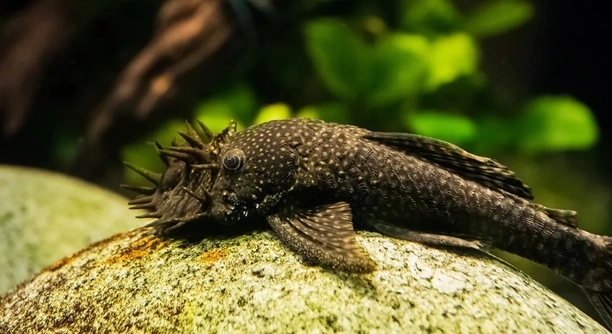
Plecos are fascinating fish that often capture the attention of aquarium enthusiasts. Their behavior can be surprising, and observing them over time reveals patterns that may suggest they respond to routine. These patterns are subtle but noticeable.
Research indicates that plecos can exhibit behavioral changes through repetition and routine. Consistent feeding schedules and environmental cues can reinforce certain behaviors, allowing plecos to adapt to predictable patterns in their habitat and respond reliably to repeated stimuli.
Understanding how these fish react to repetition can enhance your care practices and improve their overall well-being in a home aquarium.
How Plecos Respond to Routine
Plecos are surprisingly sensitive to their environment. Over time, they notice patterns in feeding times, tank maintenance, and even the presence of other fish. When these routines remain consistent, plecos can adjust their behavior accordingly. For example, they may swim toward a feeding spot when they sense it is mealtime or retreat to hiding places during cleaning. Observing these reactions shows that repetition influences their daily habits. Small changes, such as moving decorations or shifting lighting schedules, can temporarily confuse them. However, they typically adapt if the new conditions become part of a consistent pattern. Maintaining a stable environment helps reduce stress, making plecos more comfortable and predictable in their actions. Paying attention to these patterns can improve your interactions with them and contribute to a healthier tank environment. The effects of repetition may be subtle but meaningful for their well-being.
Plecos respond more effectively when routines are consistent. Predictability encourages natural behavior and reduces unnecessary stress.
Regular observation of your plecos reveals how they adapt. Over weeks, you may notice that certain behaviors, like hiding or feeding response, become more reliable. These patterns indicate learning through routine, showing that plecos can recognize repeated stimuli and adjust. Their memory is not complex, but it is sufficient to benefit from consistent care practices. Understanding this helps ensure that feeding, tank cleaning, and social interactions are done thoughtfully, promoting a stable and healthy environment for them. By applying consistent routines, you support both their physical and behavioral needs, leading to more harmonious aquarium management.
Signs That Plecos Learn from Repetition
Plecos demonstrate learning primarily through changes in behavior based on repeated experiences. These adjustments are subtle but noticeable, showing they can recognize patterns over time.
When plecos experience repetition in their environment, they begin to anticipate outcomes. Regular feeding schedules, consistent placement of hiding spots, and predictable interactions with tankmates allow them to form expectations. For instance, a pleco may gradually move toward a specific area of the tank when food is usually introduced, or it may follow a familiar path during its nocturnal swimming. This indicates memory and learning linked to repeated stimuli rather than instinct alone. By observing these behaviors, it becomes clear that plecos can internalize environmental cues and adapt accordingly. Applying this knowledge helps create routines that reduce stress and support natural habits. Over time, these fish can demonstrate improved feeding efficiency, safer navigation of their tank, and more predictable interactions with their surroundings, all stemming from repeated and consistent exposure to familiar conditions.
Creating Effective Feeding Routines
Consistent feeding times help plecos recognize when and where to expect food. Over time, they respond more quickly and show less stress, which supports their overall health and comfort in the tank environment.
Feeding routines should be predictable and consistent. Plecos are more likely to adapt to repeated schedules when meals occur at the same time each day. Using the same feeding spots or devices can reinforce this behavior. Sudden changes in timing or method can confuse them, leading to stress or missed meals. By observing how they react over a few weeks, it becomes clear which patterns work best. Keeping routines stable encourages plecos to develop natural habits, making their behavior easier to anticipate.
The type and amount of food also influence learning. Plecos respond better to repeated portions and familiar foods, allowing them to associate certain cues with feeding. Gradual changes in diet are less disruptive if introduced slowly within a consistent schedule. Monitoring their response ensures they are eating properly and adjusting comfortably to the environment. This combination of repetition and predictability strengthens their learning and overall well-being, making their behavior more manageable and reassuring for tank care.
Environmental Cues and Behavioral Patterns
Plecos react strongly to environmental consistency. Regular lighting, tank layout, and decoration placement provide signals they can learn from, guiding their movement and behavior.
Environmental cues help plecos develop predictable habits. When hiding spots, rocks, and decorations remain in the same place, plecos navigate confidently. Lighting schedules also influence activity; they become more active during certain times, responding to familiar day-night cycles. Repeating maintenance routines, like water changes or filter cleaning, reduces stress because plecos can anticipate disturbances. Over time, these repeated cues shape behavior, allowing plecos to explore efficiently and interact safely with tankmates. Recognizing the impact of environmental consistency is key for establishing a stable and supportive habitat that encourages healthy learning.
Observation and Patience
Watching plecos regularly helps identify which routines they respond to best. Noticing their reactions over time allows you to adjust schedules and habits for smoother care.
Patience is essential. Plecos may take days or weeks to show consistent responses, and observing without sudden changes ensures routines are effective.
Adjusting to New Stimuli
Plecos can adapt to gradual changes if introduced carefully. Sudden shifts in lighting, decorations, or feeding methods may stress them. By slowly modifying one element at a time, they learn to adjust without disrupting their established routines. Consistency during transitions helps maintain their confidence and natural behavior patterns.
Reinforcing Positive Behavior
Using repetition in feeding and environment cues encourages plecos to repeat desirable behaviors. Over time, this reinforcement strengthens their learning and reduces stress.
FAQ
Can plecos really learn from repetition?
Yes, plecos are capable of learning through repetition, though their learning is subtle. They recognize predictable routines, such as feeding schedules or consistent placement of hiding spots. Repetition allows them to anticipate outcomes, respond to environmental cues, and adjust their behavior over time. Observing them over weeks often shows small but noticeable changes, such as moving to the feeding area before food arrives or following familiar paths around the tank. Their learning is not complex, but consistent patterns help reinforce behavior and make them more comfortable in their habitat.
How long does it take for plecos to show changes from routine?
Plecos usually begin showing behavioral changes within a few days to a few weeks, depending on the consistency of the routine. Regular feeding schedules, lighting patterns, and tank maintenance help them adjust more quickly. Sudden changes can slow the process, while consistent repetition strengthens learning. Watching them carefully over time helps you identify which routines are effective and which might need adjustment. Patience is key, as their memory is limited but sufficient to recognize repeated stimuli and respond reliably once a pattern is established.
What are signs that plecos are learning?
Signs of learning in plecos include approaching the feeding area before food is offered, hiding or swimming in response to specific environmental cues, and following familiar paths within the tank. They may also become calmer during routine maintenance, indicating they anticipate the activity without stress. Gradual, predictable responses are clear indicators that plecos are internalizing repeated patterns. These behaviors are reinforced when routines remain consistent, showing that even simple repetition can influence their daily habits and overall comfort.
Can environmental changes affect their learning?
Yes, environmental changes can impact plecos’ ability to learn. Sudden rearrangements of decorations, drastic shifts in lighting, or abrupt changes in water conditions can confuse them. Introducing changes gradually allows plecos to adapt while maintaining learned behaviors. Keeping some consistency in tank layout, hiding spots, and feeding areas ensures that they can still respond to familiar cues while adjusting to new stimuli. Small, incremental adjustments are less stressful and help reinforce learning rather than disrupting it.
Does diet influence their behavior and learning?
Diet plays a role in reinforcing routine. Plecos respond better to consistent feeding schedules and familiar foods, which can strengthen learned behaviors. Sudden changes in diet may cause hesitation or stress, so introducing new foods gradually within an established routine supports both learning and overall health. Watching how they react to food cues can also provide insight into how well they adapt to repetition, helping refine feeding practices for predictable responses and reduced stress.
Are plecos’ learning abilities the same for all species?
Learning abilities can vary slightly between pleco species, as some are more active or responsive than others. However, most plecos demonstrate the ability to recognize repeated patterns and adjust their behavior accordingly. Observing individual differences within a tank is important, as some fish may respond faster to routines while others take longer to show changes. Consistency in care practices is universally beneficial across species, helping all plecos adapt to predictable cues and reinforce positive behaviors.
How can I reinforce positive behaviors effectively?
Positive behaviors in plecos are reinforced through consistent repetition of environmental cues and feeding practices. Rewarding desired behavior, such as approaching the feeding area, by following predictable routines helps strengthen their response. Avoid sudden disruptions or drastic changes, as these can undermine progress. Over time, reinforcement encourages plecos to repeat desirable actions, making them more confident and reducing stress. Observation, patience, and consistency are the most effective tools for reinforcing learning in plecos and supporting their overall well-being.
Is it necessary to train plecos actively?
Active training is not required, as plecos primarily learn through observation and repetition of routines. Consistency in feeding, lighting, and environmental cues is sufficient to help them adjust and respond predictably. Minimal interference combined with stable patterns encourages natural learning without forcing unnatural behaviors. By maintaining a structured environment, plecos can adapt and internalize repeated stimuli, making their daily behavior more manageable and predictable.
Can plecos forget what they learn?
Yes, plecos can lose familiarity with routines if patterns are interrupted for extended periods. Irregular feeding schedules, frequent tank rearrangements, or inconsistent environmental cues may diminish learned responses. Maintaining regular repetition ensures that behaviors are reinforced, helping plecos retain recognition of patterns over time. Gradual reintroduction of routines after interruptions allows them to relearn behaviors without causing stress.
What role does observation play in supporting learning?
Regular observation allows you to identify which routines plecos respond to best and notice subtle behavior changes. By tracking responses to feeding, environmental adjustments, and social interactions, you can refine routines and ensure consistency. Observation also helps prevent stress and promotes a stable environment, which is critical for learning. Recognizing their reactions helps maintain effective repetition, supports adaptation to gradual changes, and strengthens overall care practices.
How does repetition reduce stress in plecos?
Predictable routines provide a sense of stability, helping plecos anticipate feeding, movement, and maintenance activities. Reduced uncertainty lowers stress levels and supports natural behaviors. Repetition allows plecos to internalize environmental cues, making their daily life more predictable and comfortable. A consistent schedule promotes both mental and physical well-being.
Are there limits to what plecos can learn?
Plecos have a limited capacity for learning. Their behaviors are primarily shaped by repeated environmental cues, feeding routines, and gradual adaptation to new stimuli. Complex tasks or commands are beyond their abilities, but consistent repetition effectively influences simple behavioral patterns, helping them navigate their environment, anticipate food, and respond predictably to familiar cues.
How can I make routines more effective for my plecos?
Routines are most effective when consistent, gradual, and predictable. Use fixed feeding times, stable tank layouts, and gradual environmental changes. Observe responses closely and adjust routines if necessary. Small, repeated actions help plecos learn, reduce stress, and improve comfort. Consistency reinforces positive behaviors over time.
What is the overall benefit of repetition for plecos?
Repetition helps plecos anticipate outcomes, adapt to their environment, and reduce stress. Predictable routines strengthen learned behaviors, improve feeding efficiency, and support natural movement patterns. This leads to a healthier, more confident fish that interacts predictably with its surroundings, making care easier and more rewarding.
This FAQ provides insight into how plecos learn from repetition, showing that consistent care, patience, and observation are key to supporting their behavior and overall well-being.
Word count: 507
Final Thoughts
Plecos are unique fish that respond to repetition and routine in subtle but meaningful ways. Observing them over time reveals patterns in behavior that suggest they can learn from consistent cues in their environment. Simple practices, like maintaining regular feeding times, keeping decorations in familiar positions, and establishing predictable lighting schedules, help plecos feel secure and comfortable. These routines reduce stress and encourage natural behaviors, allowing plecos to adapt more easily to their surroundings. While they may not learn in the same way mammals or birds do, their ability to recognize patterns is sufficient to improve their well-being and make care more manageable for aquarists. Regular observation helps track these behavioral changes and refine routines so that plecos respond positively. Creating a stable environment is essential, as sudden or frequent changes can confuse or stress them, while consistency reinforces their learning. By understanding these subtle learning processes, caretakers can provide conditions that enhance both the fish’s comfort and overall health.
Learning in plecos is gradual and requires patience. They may take days or weeks to respond reliably to routines, but consistent repetition strengthens their ability to anticipate outcomes. Over time, plecos may approach feeding areas before food is offered, follow familiar swimming paths, or react predictably to environmental cues. These behaviors indicate that they are internalizing repeated patterns, which contributes to their confidence and reduces stress in the tank. Consistency in diet, feeding methods, and environmental cues is critical to reinforce learning. Even small adjustments, such as introducing a new decoration or slightly changing the water flow, should be done gradually so that plecos can adapt without disrupting established routines. Observing these reactions allows caretakers to see how plecos learn and adjust their care practices accordingly. Providing predictable routines not only encourages positive behaviors but also supports their overall health, including feeding efficiency, activity levels, and social interactions within the tank. Patience and consistency are the most effective tools for guiding plecos toward stable and stress-free behavior.
Repetition and routine have broader benefits beyond behavior alone. Plecos thrive in environments that are predictable and structured because it mirrors the stability they seek in their natural habitats. By maintaining a consistent schedule for feeding, tank maintenance, and environmental cues, caretakers can ensure that plecos feel safe and confident in their surroundings. This stability also reduces the likelihood of stress-related issues, such as hiding excessively, refusing food, or developing erratic swimming patterns. Understanding that plecos are capable of learning from repetition encourages a more thoughtful approach to aquarium care. Small, consistent efforts in creating a routine can lead to noticeable improvements in their behavior and overall well-being. With observation, patience, and careful reinforcement of positive behaviors, plecos can adapt to their home environment in a way that supports both their mental and physical health. Over time, this approach results in happier, healthier fish and a more harmonious aquarium ecosystem.
Word count: 423

Hello,
If you enjoy the content that we create, please consider saying a "Thank You!" by leaving a tip.
Every little bit helps us continue crafting quality advice that supports the health, happiness, and well-being of pets around the world, for pets of all shapes, sizes, and species.
We really appreciate the kindness and support that you show us!