
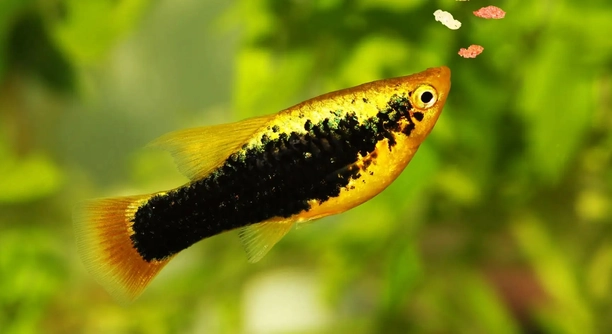
Platies are popular freshwater fish known for their vibrant colors and peaceful nature. Many fish owners enjoy watching them explore their tanks. However, sometimes these fish do not venture out as much as expected, which can be puzzling to observe.
Several factors can prevent platies from exploring their environment. These include poor water quality, lack of hiding spaces, stress from tank mates, insufficient nutrition, improper lighting, inadequate tank size, and health problems. Each of these issues limits their natural behavior and movement.
Understanding these common problems will help improve the wellbeing of your platies. Addressing them can encourage more active and natural exploration in your aquarium environment.
Poor Water Quality
Poor water quality is a common reason platies avoid exploring their tanks. When the water has high levels of ammonia, nitrites, or nitrates, it becomes harmful to fish. Platies may stay hidden or become less active to avoid stress or illness. Regular water testing is important to keep these chemicals at safe levels. Frequent water changes and a good filtration system help maintain a clean and healthy environment. Temperature also matters; platies prefer water between 72°F and 78°F. If the water is too cold or too warm, they may become sluggish. Paying close attention to water conditions ensures platies feel comfortable enough to swim freely and explore their surroundings.
Keeping the water clean is essential for platies to thrive and display natural behavior. Consistent maintenance supports their health and encourages more activity.
Platies rely heavily on stable water conditions to stay healthy. Sudden changes in water chemistry can shock them, causing stress or disease. Monitoring pH levels is also necessary since platies prefer a slightly alkaline environment, around 7.0 to 8.2 pH. Avoid overcrowding the tank, as more fish produce more waste, increasing the risk of poor water quality. When conditions are optimal, platies will feel secure and are more likely to swim openly and interact with their habitat. Providing a well-maintained tank creates an inviting space that encourages exploration and natural behavior.
Lack of Hiding Spaces
Platies need places to hide to feel safe. Without enough cover, they may stay in one spot and avoid exploring the tank. Plants, rocks, and decorations offer shelter where platies can rest or escape when they feel threatened. A tank with hiding spots mimics their natural environment and reduces stress, promoting healthier behavior. Adding live plants or artificial ones can improve the tank’s layout and give platies the security they need to swim confidently.
Providing hiding places supports their wellbeing and encourages movement throughout the tank.
Platies also benefit from varied tank decorations that break up open spaces. Open tanks without hiding spots leave them exposed, which can increase anxiety. This stress can lead to less exploration and even illness. Hiding spots give them control over their environment, making them feel more relaxed. When platies feel safe, they explore more freely, interact with tank mates, and show natural behaviors. Balancing open swimming areas with secure shelters creates a healthier and more engaging habitat for these fish.
Stress from Tank Mates
Platies can become stressed if they share the tank with aggressive or overly active fish. Stress makes them hide or stay still, reducing their willingness to explore.
Stress affects platies’ health and behavior significantly. Aggressive tank mates may chase or nip at platies, causing injury or fear. Even fast-moving fish can intimidate platies, making them feel unsafe. To prevent this, choose peaceful, compatible species for the tank. Providing enough space and hiding spots also helps reduce tension among fish. When platies feel secure and unthreatened, they are more likely to swim openly and interact with their environment.
A calm tank environment is crucial for platies to explore naturally. Regularly observing interactions between fish can help identify stress sources. Separating aggressive fish or adjusting the tank setup will improve platies’ comfort and encourage more activity.
Insufficient Nutrition
Poor diet can lead to low energy levels in platies, making them less active and less likely to explore. Balanced nutrition is essential for their wellbeing.
Platies need a varied diet that includes high-quality flakes, pellets, and occasional live or frozen foods. A lack of proper nutrients weakens their immune system and decreases activity. Feeding them too little or too much can cause health problems. Overfeeding leads to poor water quality and obesity, while underfeeding results in malnutrition. Feeding small portions two to three times a day helps maintain steady energy and encourages natural behaviors, including exploration.
Proper feeding supports both health and activity. Supplementing their diet with vegetables like spinach or peas provides essential vitamins. A well-fed platy is more curious and active, exploring the tank confidently and contributing to a lively aquarium atmosphere.
Improper Lighting
Platies need a regular light cycle to stay active. Too much or too little light can confuse their natural rhythm.
Bright lights may stress platies, while darkness for long periods can make them less energetic. A balanced 10-12 hour light schedule is ideal.
Inadequate Tank Size
Small tanks limit platies’ ability to swim and explore. Crowded spaces cause stress and reduce natural behavior. A minimum of 10 gallons is recommended for a small group, allowing enough room for movement and territorial boundaries.
Health Problems
Illness or parasites reduce platies’ energy and make them hide. Early detection and treatment are important to restore their normal activity and exploration.
Why are my platies hiding and not exploring?
Platies often hide when they feel stressed or unsafe. Common causes include poor water quality, aggressive tank mates, or lack of hiding spots. Stress from sudden changes in the environment, such as new fish or changes in lighting, can also make them retreat. Ensuring a calm tank, stable water conditions, and plenty of shelter encourages platies to come out and explore.
How can I improve water quality for my platies?
Maintaining good water quality involves regular testing for ammonia, nitrites, nitrates, and pH. Perform partial water changes weekly to reduce waste buildup. Use a reliable filtration system to keep the water clean and oxygenated. Avoid overfeeding, as leftover food can pollute the tank. Keeping the temperature between 72°F and 78°F also helps maintain ideal conditions for platies.
What are the best tank mates for platies?
Peaceful fish species like guppies, mollies, and corydoras catfish make good companions for platies. Avoid aggressive or very active fish that may stress them. Keeping compatible species reduces bullying and allows platies to behave naturally without fear. Proper tank size and hiding places also help fish coexist peacefully.
How many platies should I keep in one tank?
A group of at least three platies is recommended to promote natural social behavior. For a standard 10-gallon tank, keep no more than five or six to avoid overcrowding. Overcrowding can cause stress, poor water quality, and reduced exploration. Larger tanks can support bigger groups comfortably.
What kind of diet keeps platies healthy and active?
Platies thrive on a varied diet including high-quality flakes or pellets, plus occasional live or frozen foods like brine shrimp or bloodworms. Supplementing with blanched vegetables such as spinach or peas provides essential nutrients. Feeding small amounts two to three times a day helps maintain energy without polluting the water.
How much light do platies need daily?
Platies require about 10 to 12 hours of light each day. This mimics natural daylight and helps regulate their activity. Too much light can cause stress, while too little reduces energy and exploration. Using a timer ensures a consistent light cycle, which supports healthier behavior.
What are signs of illness in platies?
Common signs include lethargy, loss of appetite, clamped fins, faded colors, and hiding more than usual. Look for white spots, swelling, or unusual swimming patterns. Early detection is critical for effective treatment. Quarantine new fish before adding them to the main tank to reduce disease risk.
Can tank size affect platies’ behavior?
Yes, small tanks limit swimming space and cause stress. Platies need room to explore and establish territories. A cramped tank often leads to less activity and aggression. A minimum of 10 gallons is suitable for a small group, but larger tanks provide better conditions for natural behavior and growth.
How often should I clean the tank?
Regular cleaning is vital. Perform weekly partial water changes of 20-30%. Clean the substrate to remove debris without disturbing beneficial bacteria. Rinse filters in tank water, not tap water, to preserve helpful microbes. Avoid over-cleaning, which can disrupt the tank’s balance and stress platies.
What are the best hiding spots for platies?
Live or artificial plants, rocks, caves, and decorations create secure hiding places. Dense foliage mimics their natural habitat, reducing stress and encouraging exploration. Ensure hiding spots do not overcrowd the tank but provide enough cover to make platies feel safe.
How can I reduce stress in my platy tank?
Maintain stable water conditions, compatible tank mates, proper lighting, and adequate hiding spaces. Avoid sudden changes like moving decorations or water temperature shifts. Feed a balanced diet and keep the tank clean. Observing fish regularly helps catch stress signs early, allowing timely adjustments.
Why do platies sometimes stay still and inactive?
Inactivity can result from stress, illness, poor water quality, or improper temperature. Sometimes platies rest or digest food, but prolonged stillness may indicate a problem. Check water parameters, diet, tank mates, and temperature to identify and resolve the issue promptly.
Platies are lively and colorful fish that bring life to any freshwater aquarium. However, when they stop exploring, it usually means something in their environment needs attention. Factors like water quality, tank size, lighting, and stress from other fish play important roles in their behavior. Ensuring these conditions are right helps platies feel safe and comfortable, encouraging natural activity and exploration. Watching them swim freely and interact with their surroundings is rewarding and shows they are healthy.
Maintaining a clean and stable tank is one of the most important steps in keeping platies active. Regular water testing, partial water changes, and proper filtration create a safe environment for them. It’s also essential to provide enough space and hiding spots to reduce stress. Platies need areas to rest and feel secure, which supports their confidence to explore. Choosing peaceful tank mates further helps maintain a calm atmosphere, preventing aggressive behavior that can make platies hide.
A balanced diet supports platies’ overall health and energy levels. Feeding them high-quality flakes or pellets, along with occasional live or frozen foods and vegetables, ensures they get the nutrients needed for growth and activity. Paying attention to their diet, tank conditions, and companions creates an environment where platies thrive and display their natural behaviors. Taking these steps makes the aquarium more enjoyable to watch and supports the long-term wellbeing of your fish.

Hello,
If you enjoy the content that we create, please consider saying a "Thank You!" by leaving a tip.
Every little bit helps us continue crafting quality advice that supports the health, happiness, and well-being of pets around the world, for pets of all shapes, sizes, and species.
We really appreciate the kindness and support that you show us!