
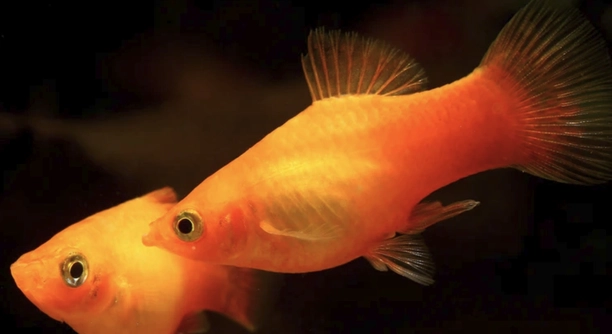
Platies are popular freshwater fish known for their bright colors and easy care. Many keepers spend time caring for them and forming a bond through daily interactions. Understanding how platies respond to their environment can be quite rewarding.
Platies do not have strong recognition abilities to identify their breeder specifically. While they can learn to associate humans with feeding and care, their recognition is based on routine rather than individual identification. This response is common in many small fish species.
Exploring how platies interact with their caretakers can improve how we provide for their needs. Learning about their behavior helps create a better environment for these colorful fish.
How Platies Learn to Recognize Their Environment
Platies rely mostly on their senses to understand their surroundings. They respond well to changes in light, movement, and feeding times. Over time, they become familiar with the general activity around their tank, including the presence of a person who regularly feeds them. This recognition is more about routine than true identification. For example, platies may swim toward the side of the tank when someone approaches, associating that movement with food. However, they do not distinguish individual humans like dogs or cats do. Their recognition is based on patterns and repetition. This is common among many small fish, where survival depends more on reacting quickly to environmental signals rather than remembering specific individuals. Keeping a steady routine with feeding and care helps platies feel secure and reduces stress in the tank, which encourages natural behavior and active swimming.
Platies recognize routines and movements rather than individual people. Consistent care builds this recognition over time.
Understanding these basics helps in setting realistic expectations for how your platies respond to your presence and actions. It also encourages patience when observing their behavior, as their recognition is simple and tied closely to routine rather than complex memory or attachment.
Interaction and Bonding with Platies
Platies show interest in their caretakers mainly when food is involved. They may follow your hand or swim near the glass during feeding times. This behavior is an indicator of learned association between the person and food. Outside of feeding, their interactions are limited, as their brain structure does not support strong emotional bonds or recognition like mammals. However, this doesn’t mean they are not responsive to their environment. Regular gentle movements and predictable schedules help reduce fear and promote healthier behavior. Maintaining a clean tank and stable water conditions also contributes to their comfort and willingness to interact. Over time, you may notice your platies becoming more active and responsive during feeding, which shows they are comfortable with their caretaker’s presence, even if they don’t recognize the person specifically.
Feeding routines create a sense of familiarity, helping platies respond more confidently to their caretaker’s presence.
Signs Platies Show Recognition
Platies react to consistent daily routines rather than recognizing individuals. They become accustomed to feeding times and tank maintenance patterns. This leads to predictable behaviors such as swimming to the front of the tank when someone approaches.
When platies see familiar movements, especially those linked to food, they often swim excitedly near the tank’s edge. This response is based on habit and conditioning, not true recognition of a person. For example, if you feed at the same time every day, platies will start associating that time and your presence with food. They do not have the ability to identify facial features or voices like some pets do. Their behavior is a simple reaction to stimuli they have learned to expect.
Platies also show signs of stress when their environment changes suddenly, indicating they notice changes in routine. This sensitivity reinforces that their recognition is linked to familiarity with habits, not individuals.
How to Build Trust with Platies
Creating a calm and consistent environment helps platies feel secure. Avoid sudden movements near the tank and feed at regular times to encourage relaxed behavior. Patience is key when working with fish.
Repeated gentle care teaches platies that they are safe around you. Over time, this lowers their stress levels and encourages more natural, confident swimming and feeding behavior. Avoid tapping on the glass or making loud noises, as these actions can scare them and reduce trust. Keeping water conditions stable and the tank clean also contributes to their comfort, which is an important part of building trust. Although they don’t recognize specific individuals, platies learn to associate regular care with safety and food, which is the closest equivalent to bonding in fish. This approach leads to a more pleasant and interactive experience with your aquatic pets.
Feeding Time and Recognition
Feeding time is when platies show the most recognition-like behavior. They quickly learn to associate your presence with food. This makes them swim actively near the glass, ready to eat.
Platies respond to the sound and sight of feeding tools, linking these cues to mealtime. This learned response is consistent in healthy tanks.
Importance of a Stable Environment
Platies thrive best in tanks with stable conditions. Fluctuations in temperature or water quality can stress them, reducing their responsiveness. Consistency helps maintain their overall health and calm behavior.
Can Platies Recognize Other Fish?
Platies interact more naturally with other fish in their tank. They can learn to recognize tank mates through repeated exposure and social behavior patterns.
Patience in Observing Behavior
Understanding platies’ simple recognition means patience is important. Their responses may be subtle and slow to develop but become clearer over time.
FAQ
Can platies actually recognize their breeder or owner?
Platies do not recognize individuals like pets such as cats or dogs. Their recognition is based on routine and repeated experiences. They learn to associate your presence, especially movements connected to feeding or care, with positive outcomes like food. This creates a basic form of recognition based on habit rather than true identification.
How do platies respond when they see their breeder or caretaker?
Platies usually swim toward the side of the tank when they notice regular activity, particularly at feeding times. This behavior is a conditioned response to signals such as your hand approaching or the sound of food. It’s less about recognizing you personally and more about expecting a routine event.
Can platies recognize voices or sounds?
Platies have limited hearing capabilities but can respond to vibrations and repeated sounds, especially if those sounds are linked to feeding. They don’t recognize voices in the way mammals do, but they may react to familiar noises in their environment.
What signs show that platies are comfortable with their caretaker?
Active swimming near the glass during feeding, calm behavior, and less hiding are good indicators. Platies that trust their environment tend to explore more and show interest during regular care routines.
Do platies bond with humans like other pets?
Platies do not form bonds like dogs or cats. Their brain structure does not support emotional bonding with humans. However, they do respond positively to consistent care, which creates a safe environment and encourages predictable behavior.
How can I improve my platies’ recognition or comfort with me?
Keep a regular feeding schedule and avoid sudden movements near the tank. Gently interacting during feeding time and maintaining good water quality helps platies feel secure, which encourages them to respond more actively.
Is it possible for platies to recognize other fish?
Yes, platies can recognize tank mates through social behavior and repeated interaction. They may form simple social groups or recognize fish that swim alongside them regularly, which helps reduce stress in a community tank.
Why do platies sometimes hide or avoid interaction?
Stress from poor water conditions, sudden changes, or loud noises often causes platies to hide. They rely on a stable environment and routine to feel safe. If stressed, their recognition of routine breaks down, and they become more cautious.
How long does it take for platies to get used to their caretaker?
Platies may start showing recognition-like behavior within a few days to weeks, depending on how consistent the feeding and care routines are. Patience is important as they learn to associate your presence with food and safety.
Can platies be trained to respond to their caretaker?
While platies cannot be trained like mammals, they do learn habits through repetition. They respond well to consistent feeding times and gentle interaction, which encourages them to swim toward the caretaker during those moments.
What behaviors should I avoid to keep platies comfortable?
Avoid tapping the glass, sudden hand movements, or loud noises near the tank. These can cause stress and fear, breaking down any trust platies may have developed. Keeping a calm environment is key to maintaining their comfort.
Do platies remember negative experiences with their caretaker?
Platies have limited memory but can associate negative stimuli with certain actions or times. For example, sudden movements or tank disturbances may cause them to become wary during similar situations later on.
How important is tank maintenance for platies’ recognition behavior?
Tank cleanliness and stable water conditions are crucial. A well-maintained environment reduces stress and helps platies stay active and responsive. Poor water quality can lead to lethargy, hiding, or aggressive behavior, all of which interfere with any recognition-like responses.
Can lighting affect platies’ ability to recognize routine?
Yes, consistent lighting helps establish daily rhythms that platies rely on. Sudden changes in light or irregular lighting schedules can confuse them, affecting their behavior and responsiveness to their environment.
Are there differences in recognition abilities between male and female platies?
There is no significant difference between males and females in their ability to recognize routine or respond to caretakers. Both genders rely on similar sensory cues to interact with their surroundings.
Can platies recognize objects placed in their tank?
Platies may learn to recognize objects that remain in their tank over time, especially if these objects influence their environment or are linked to feeding. Familiar objects contribute to their sense of security and routine.
How do platies use their senses to recognize their environment?
Platies use vision, touch through their lateral line system, and chemical signals in the water to navigate and respond to their tank environment. These senses help them learn patterns and routines but do not support complex individual recognition.
What is the best way to observe recognition-like behavior in platies?
Watch for consistent responses to your approach during feeding times, such as swimming to the tank front or showing excitement. These behaviors indicate that platies have learned to associate your presence with positive experiences.
Can changing tank decorations affect platies’ recognition behavior?
Yes, changing decorations suddenly can disrupt platies’ sense of familiarity and routine. They use stable landmarks to feel secure, so frequent or drastic changes may cause stress or avoidance behaviors.
How does platies’ natural behavior in the wild relate to their recognition abilities?
In the wild, platies rely on quick responses to threats and environmental cues rather than recognizing individual creatures. This survival strategy focuses on reacting to stimuli, which is why their recognition is routine-based in captivity as well.
Platies are small freshwater fish that respond mainly to routine and consistent care. While they do not recognize their breeder or caretaker as individuals, they learn to associate certain actions and patterns with positive experiences like feeding. This means that platies can become familiar with the daily habits of their owner, such as feeding times and movements near the tank. This type of recognition is based on habit and repetition rather than a complex understanding or emotional bond. Knowing this helps set realistic expectations for how platies behave around their caretakers.
The way platies react is a simple form of learning called conditioning. They respond to signals in their environment that indicate food or safety. Over time, platies may swim toward the glass or become more active when someone approaches, especially during feeding. These behaviors show that the fish have learned to expect something familiar, but they do not mean the fish recognize the person in the way pets like dogs or cats do. Their memory and brain functions are focused more on survival and reacting to changes in their surroundings. This makes their recognition straightforward but limited.
Creating a calm and consistent environment is the best way to encourage positive behavior in platies. Feeding them regularly, keeping the tank clean, and avoiding sudden changes helps reduce their stress and makes them more comfortable. While platies may not form bonds like some pets, they do benefit from gentle care and routine. Observing their natural behaviors with patience allows caretakers to better understand how these fish interact with their environment. This understanding improves the experience of keeping platies healthy and happy in home aquariums.

Hello,
If you enjoy the content that we create, please consider saying a "Thank You!" by leaving a tip.
Every little bit helps us continue crafting quality advice that supports the health, happiness, and well-being of pets around the world, for pets of all shapes, sizes, and species.
We really appreciate the kindness and support that you show us!