
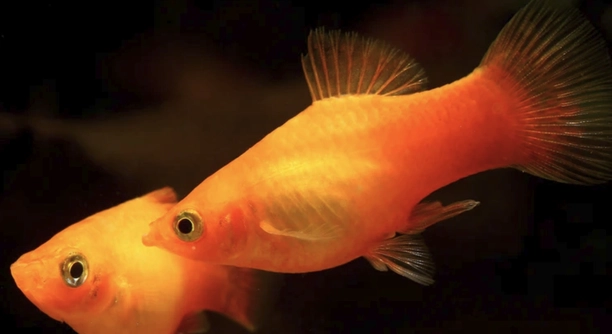
Platies are popular freshwater fish known for their vibrant colors and peaceful nature. Many aquarists keep them in home tanks and want to ensure they thrive in a healthy environment. Proper care involves several factors, including lighting conditions.
Platies do need a consistent light cycle to support their natural biological rhythms. A stable light schedule helps regulate their feeding, breeding, and overall activity patterns. Irregular lighting can cause stress and disrupt their normal behavior, impacting their health negatively.
Maintaining the right light cycle is an important part of creating a comfortable habitat for platies and supporting their well-being.
Why Consistent Light Matters for Platies
A consistent light cycle is crucial because it mimics the natural day and night rhythm that platies are adapted to in the wild. When the light cycle is regular, platies develop predictable patterns for feeding, swimming, and resting. This helps reduce stress, which is important for their immune system and overall health. Sudden changes or inconsistent lighting can confuse their internal clocks, causing erratic behavior or less activity. Proper light exposure also influences breeding habits, encouraging platies to reproduce under stable conditions. Without a reliable schedule, platies may become lethargic or overly active, both signs of discomfort. Aquarium lighting should ideally replicate a 10 to 12-hour daylight period followed by darkness to promote natural cycles. It’s a simple step that supports their well-being and keeps the aquarium environment stable.
Maintaining a steady light cycle reduces stress and promotes normal activity and breeding behavior in platies.
Consistent lighting benefits platies by supporting their natural rhythms and health. It helps maintain regular feeding and rest periods, which keeps them active and less prone to illness. Proper light cycles encourage healthy breeding by simulating natural conditions. Irregular lighting can disrupt these patterns, leading to stress and weakened immune responses. Using a timer to automate the light schedule can ensure the cycle stays consistent even when you are busy. This small adjustment makes a big difference in creating a balanced and healthy home for your platies.
How to Set Up a Light Cycle for Your Platies
Platies need about 10 to 12 hours of light each day to maintain their natural rhythm. Too much light can cause algae growth and stress, while too little may disrupt their behavior.
Choosing the right lighting involves picking bulbs with the correct intensity and spectrum, ideally ones designed for freshwater tanks. Natural daylight bulbs work well, providing a soft light that doesn’t overwhelm the fish. Installing a timer is the easiest way to keep the light cycle consistent. It removes the guesswork and keeps the aquarium on a reliable schedule. Keep in mind that the lighting period should also allow for a full dark phase to help platies rest properly. Avoid sudden changes in light timing, especially switching lights on and off manually at irregular times.
The light should be bright enough to illuminate the tank but gentle enough to avoid stressing your platies. Soft, natural light encourages normal behavior and supports plant growth if you have live plants in the aquarium.
Automating the light cycle with a timer guarantees stability and helps maintain a healthy environment. Consistent lighting creates a routine that your platies can rely on, which reduces stress and improves their overall health. It also aids in regulating their breeding cycles by signaling day and night clearly. Setting the timer for the same hours daily means you don’t have to worry about forgetting to turn lights on or off, ensuring the best conditions at all times. This simple tool makes managing the aquarium easier and improves the quality of life for your fish.
Effects of Inconsistent Light Cycles
Inconsistent light cycles can stress platies, causing irregular activity and weakening their immune systems. It disrupts their natural behaviors, including feeding and breeding patterns, which can affect their overall health and lifespan.
Stress from irregular lighting can cause platies to become restless or lethargic. They may eat less or become aggressive toward tank mates. These disruptions make them more vulnerable to disease. A lack of proper rest due to poor lighting also weakens their natural defenses. Over time, inconsistent light cycles can reduce their vitality and color brightness, which is important for their appearance. Stress affects reproduction too, making breeding less successful or delayed.
Platies rely on predictable light changes to regulate their biological clocks. Disrupting this schedule can confuse their internal systems. Unlike humans, fish do not adjust easily to irregular lighting, which is why maintaining consistency is essential for a balanced environment. It helps maintain their mental well-being, encouraging natural behavior and healthy growth. A steady light cycle keeps the aquarium ecosystem stable, benefiting all its inhabitants.
Choosing the Right Lighting Equipment
Selecting lighting designed specifically for freshwater aquariums ensures the light intensity and spectrum suit platies’ needs. Overly bright or harsh lighting can stress fish, while dim lighting may not support their natural cycles.
LED lights are popular because they offer adjustable brightness and consume less energy. They also produce less heat, which helps maintain stable water temperatures. Some LEDs come with built-in timers and spectrum settings tailored for fish tanks. Fluorescent bulbs work well but may need to be replaced more often and produce more heat. Avoid lighting that emits UV rays or too much heat, as these can harm both fish and plants. A good lighting setup balances brightness, duration, and heat output.
When setting up lighting, consider the size of your tank and whether you keep live plants. Plants need light to grow but also help improve water quality and oxygen levels for your platies. The right equipment promotes healthy fish behavior and supports the overall aquarium environment. Investing in proper lighting is a small effort that pays off with healthier, happier platies.
Signs Your Platies Are Affected by Lighting
If platies hide more than usual or become inactive, lighting might be an issue. Changes in color or appetite can also indicate stress caused by improper light cycles.
Sudden erratic swimming or aggression may be linked to inconsistent lighting. Monitoring these behaviors helps ensure their environment supports their well-being.
Adjusting Light Cycles Gradually
When changing light schedules, make adjustments slowly over several days. Sudden shifts can increase stress and disrupt established routines.
A gradual approach allows platies to adapt to new conditions comfortably. For example, shift light times by 15 minutes each day until the desired cycle is reached. This method prevents shock and maintains their natural rhythm.
Using Timers for Light Consistency
Timers automate the lighting schedule, preventing mistakes or forgetting to turn lights on or off. They keep light cycles stable and reliable.
Automatic lighting ensures platies experience consistent day and night periods. It reduces stress and promotes healthy behaviors without daily manual adjustments.
FAQ
How many hours of light do platies need each day?
Platies generally need between 10 and 12 hours of light daily. This mimics their natural environment and helps regulate their biological rhythms. Providing this consistent amount of light encourages normal feeding, activity, and rest patterns, supporting overall health.
Can platies survive with less light?
While platies can survive with less light, it’s not ideal. Insufficient light can disrupt their internal clocks and make them less active. It may also affect their appetite and breeding behavior. Consistent, moderate lighting is better for their well-being than irregular or low light.
What happens if platies get too much light?
Excessive lighting can cause stress and encourage algae growth in the tank. Too much light may make platies restless or lead to hiding behavior. It can also interfere with their sleep cycle, reducing their ability to rest properly. A balanced light duration prevents these issues.
Is natural sunlight good for platies?
Natural sunlight can help but is often too intense and inconsistent for aquarium use. Direct sunlight may overheat the tank and promote algae growth. It’s better to use artificial lighting designed for freshwater tanks, which provides controlled and stable light conditions.
Do platies need a dark period?
Yes, platies need a period of darkness each day to rest and maintain their natural cycles. Darkness signals nighttime, allowing them to sleep and recover. A full dark phase of around 12 hours helps regulate their hormones and behavior.
Can I use a regular household light bulb for my platies?
Regular bulbs often produce too much heat or light that is not suitable for fish tanks. They might also lack the proper spectrum to support fish and plants. Aquarium-specific LED or fluorescent lights are recommended because they provide the right intensity and color spectrum.
How do I know if my platies are stressed due to lighting?
Signs of stress include hiding, loss of color, erratic swimming, and changes in appetite. If these appear after changing the light schedule or intensity, lighting could be the cause. Keeping a stable light cycle can reduce stress and improve their behavior.
Can inconsistent lighting affect platy breeding?
Yes, irregular light cycles can disrupt breeding behavior. Platies breed best under stable conditions with a consistent day-night rhythm. Stress from poor lighting may delay or reduce breeding success, while consistent lighting supports healthy reproduction.
Should I use a timer for the aquarium light?
Using a timer is highly recommended to maintain a consistent light cycle. It removes guesswork and ensures the tank lights turn on and off at the same time daily. This consistency helps platies adapt to their environment and reduces stress.
What type of light spectrum is best for platies?
A light spectrum that mimics natural daylight is best. This usually means a balanced mix of cool and warm white light. Proper spectrum supports the health of platies and any live plants in the tank, contributing to a balanced ecosystem.
Can changing the light cycle suddenly harm my platies?
Sudden changes can cause stress and confuse their natural rhythms. Gradually adjusting light schedules helps them adapt without harm. Shifting the timing slowly over several days is safer and more effective for their well-being.
How important is lighting compared to other tank conditions?
Lighting is one of several important factors, alongside water quality, temperature, and diet. While not the only condition, proper lighting supports natural behaviors and health, making it a key element of overall tank care for platies.
Consistent lighting plays an important role in keeping platies healthy and comfortable in an aquarium. A steady light cycle helps regulate their natural behaviors, such as feeding, resting, and breeding. When platies experience regular day and night periods, they are less stressed and more active. This stability supports their immune systems and overall well-being. Irregular or inconsistent lighting, on the other hand, can cause confusion and stress, which may lead to weaker health or behavioral problems. For anyone caring for platies, maintaining a consistent light cycle is a simple but effective way to improve their quality of life.
Choosing the right lighting equipment and setting a proper schedule can make a big difference. Using aquarium-specific LED or fluorescent lights ensures the correct light intensity and spectrum for platies and any live plants. A timer is a helpful tool to keep the light cycle stable and remove the need to remember switching lights on and off daily. Gradual adjustments to light timing also prevent unnecessary stress on the fish. Paying attention to the lighting environment creates a more natural and balanced habitat, helping platies thrive. Small efforts like these contribute to a healthy tank and happier fish.
Ultimately, consistent light cycles are just one part of good aquarium care. Along with water quality, temperature, and nutrition, proper lighting supports platies’ health and natural rhythms. Observing your fish for signs of stress or discomfort can guide adjustments to their environment, including lighting. Maintaining a well-planned light schedule helps platies stay active, colorful, and ready to breed when conditions are right. By understanding and meeting their lighting needs, you provide a better home that encourages your platies to flourish.

Hello,
If you enjoy the content that we create, please consider saying a "Thank You!" by leaving a tip.
Every little bit helps us continue crafting quality advice that supports the health, happiness, and well-being of pets around the world, for pets of all shapes, sizes, and species.
We really appreciate the kindness and support that you show us!