
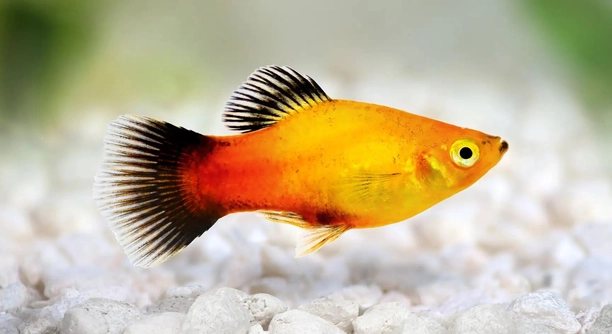
Tank platies are popular fish that bring color and life to many home aquariums. Keeping them happy requires a bit of care to create the right environment for them. Proper tank setup makes a big difference in their well-being.
To make your tank platy-friendly, focus on water quality, suitable temperature, proper filtration, ample hiding spots, balanced diet, tank mates compatibility, and regular maintenance. These factors together create a stable and healthy habitat for platies.
These simple steps can help ensure your platies thrive and enjoy a comfortable home in your aquarium.
Keep the Water Clean and Stable
Platies thrive in clean, stable water. Regular water changes are important to remove waste and toxins. Aim to change about 25% of the water every week. Test your water for ammonia, nitrites, and nitrates. These should always be close to zero or very low. Use a good water conditioner to remove chlorine and chloramine from tap water. Maintaining a stable pH around 7.0 to 8.0 is also helpful. Avoid sudden changes in water parameters, as platies are sensitive to fluctuations. A reliable aquarium heater and thermometer help keep the temperature steady between 72 and 78°F (22 to 26°C). Filtration plays a key role by keeping the water clear and oxygen-rich. Choose a filter that provides gentle flow, so your fish won’t get stressed. Clean the filter regularly but avoid washing the media with tap water to preserve beneficial bacteria. Clean water supports platy health and reduces stress-related illness.
Regular maintenance is essential for a healthy tank environment.
Monitoring and adjusting water conditions carefully ensures your platies stay comfortable and active.
Provide Plenty of Hiding Places
Platies feel safer with places to hide. Add plants, rocks, and decorations to create natural shelters. Live plants like java fern or hornwort also improve water quality. These hiding spots reduce stress and give platies places to rest or escape if they feel threatened. Dense planting mimics their natural environment and encourages natural behavior. Avoid overcrowding the tank with decorations, but make sure there are enough spots for all fish. Plastic or silk plants work if live ones are difficult to maintain. Remember, hiding places also benefit tank mates by providing shelter and reducing aggression. Creating a balanced space helps your fish feel secure and calm, improving their overall health and happiness. Well-placed hiding areas support peaceful coexistence among your fish.
Maintain Proper Tank Temperature
Platies need water temperatures between 72 and 78°F (22 to 26°C) to stay healthy and active. Too cold or too warm water can stress them and cause illness.
Using a reliable aquarium heater helps keep the temperature steady. Sudden temperature changes are harmful, so avoid placing the tank near windows or vents. Check the temperature daily with a thermometer. Adjust the heater as needed to maintain a stable range. If the room temperature fluctuates often, consider using a heater with an adjustable thermostat for more control. Consistent warmth supports your platies’ metabolism and immune system.
Avoid extreme temperature swings by setting up the tank in a stable environment. Proper temperature control prevents stress and promotes long-term health.
Choose Compatible Tank Mates
Platies are peaceful fish that do well with other non-aggressive species. Avoid keeping them with large or aggressive fish that might bully or eat them. Good tank mates include guppies, mollies, tetras, and Corydoras catfish. These species have similar water requirements and temperaments.
Adding compatible tank mates reduces stress and promotes natural social behavior. Overstocking can cause aggression and poor water quality, so keep the tank population balanced. Research any new fish before introducing them to the tank to avoid compatibility issues. Proper tank mate selection supports a harmonious and healthy aquarium environment, giving your platies the best chance to thrive.
Feed a Balanced Diet
Platies need a varied diet to stay healthy. Offer high-quality flake food designed for tropical fish.
Supplement their diet with frozen or live foods like brine shrimp or bloodworms. This variety helps keep them vibrant and active.
Avoid Overfeeding
Overfeeding can harm platies by polluting the water and causing obesity. Feed small amounts once or twice daily, only what they can eat in two minutes. Removing uneaten food prevents decay and maintains water quality.
Regular Tank Cleaning
Performing regular cleaning helps maintain a healthy tank environment. Remove debris, clean the substrate, and wipe down tank walls to prevent algae buildup. Regular cleaning supports clear water and healthy fish.
Monitor Fish Behavior
Watch your platies for signs of stress or illness. Early detection helps prevent serious problems.
FAQ
How often should I change the water in my platy tank?
Changing about 25% of the water every week is ideal. This helps remove waste and keeps harmful chemicals low. If your tank is heavily stocked or you notice poor water quality, you might need to do water changes more often. Always use a water conditioner to remove chlorine before adding new water.
What is the best temperature for platies?
Platies do best in water between 72 and 78°F (22 to 26°C). Keeping the temperature steady helps prevent stress and illness. Use an aquarium heater with a thermostat and check the temperature regularly with a reliable thermometer.
Can platies live with other fish?
Yes, platies are peaceful and get along well with similar calm fish. Good tank mates include guppies, mollies, and small tetras. Avoid aggressive or large fish, as they may harm or stress your platies.
What do platies eat?
Platies are omnivores and enjoy a varied diet. High-quality tropical fish flakes work well, but supplementing with frozen or live foods like brine shrimp or bloodworms adds nutrients. Vegetables like blanched spinach or zucchini can also be offered occasionally.
How do I know if my platies are stressed?
Signs of stress include hiding all the time, loss of appetite, or unusual swimming patterns like darting or staying at the surface. Poor water quality and sudden changes in the tank environment often cause stress. Regular monitoring and maintaining stable conditions help prevent this.
Is a filter necessary for a platy tank?
Yes, a filter is important. It keeps the water clean and provides oxygen. Choose a filter with a gentle flow to avoid stressing your fish. Clean the filter media carefully during tank maintenance to keep beneficial bacteria intact.
How many platies can I keep in one tank?
A good rule is about one inch of fish per gallon of water. Platies grow to about two to three inches, so a 20-gallon tank can comfortably hold six to eight platies along with some tank mates. Avoid overcrowding to maintain water quality and reduce stress.
Why is my platy losing color?
Loss of color can indicate stress, poor diet, or illness. Ensure water quality is good and offer a varied diet rich in nutrients. If color loss continues, check for signs of disease and isolate affected fish if needed.
How often should I feed my platies?
Feed your platies once or twice a day, only what they can eat in about two minutes. Overfeeding leads to water pollution and health problems. Remove any uneaten food promptly to keep the tank clean.
Can platies breed in a community tank?
Yes, platies breed easily, sometimes in community tanks. They are livebearers, meaning they give birth to free-swimming young. If you want to protect the babies, provide plenty of hiding spots or consider a separate breeding tank.
What should I do if my platy gets sick?
Quarantine sick fish in a separate tank if possible. Identify symptoms and research treatment specific to the illness. Maintain excellent water quality and consider consulting a vet or experienced aquarist for advice.
Are live plants necessary in a platy tank?
Live plants are not required but are highly beneficial. They provide hiding places, improve water quality, and help create a natural environment. Low-maintenance plants like java fern and hornwort are good choices for beginners.
Keeping platies happy and healthy in your tank takes some effort, but it is very rewarding. Paying attention to their needs, like clean water, stable temperature, and good food, can make a big difference. When these basic needs are met, platies tend to be active, colorful, and less likely to get sick. Simple steps, such as regular water changes and providing hiding places, create a safe and comfortable home for them.
It is important to watch how your platies behave and respond to their environment. Changes in color, appetite, or swimming patterns can signal that something is wrong. Acting early by checking water quality or adjusting their diet can prevent many problems. Also, choosing compatible tank mates helps reduce stress and keeps the tank peaceful. A calm and balanced environment supports their natural behavior and promotes overall health.
Making your tank platy-friendly is about creating a stable, clean, and enriching space for your fish. With consistent care, platies can live happily for several years. Taking time to maintain the tank and learn about their needs will pay off in the long run. Your attention to these details will ensure your platies enjoy a healthy life in your aquarium.

Hello,
If you enjoy the content that we create, please consider saying a "Thank You!" by leaving a tip.
Every little bit helps us continue crafting quality advice that supports the health, happiness, and well-being of pets around the world, for pets of all shapes, sizes, and species.
We really appreciate the kindness and support that you show us!